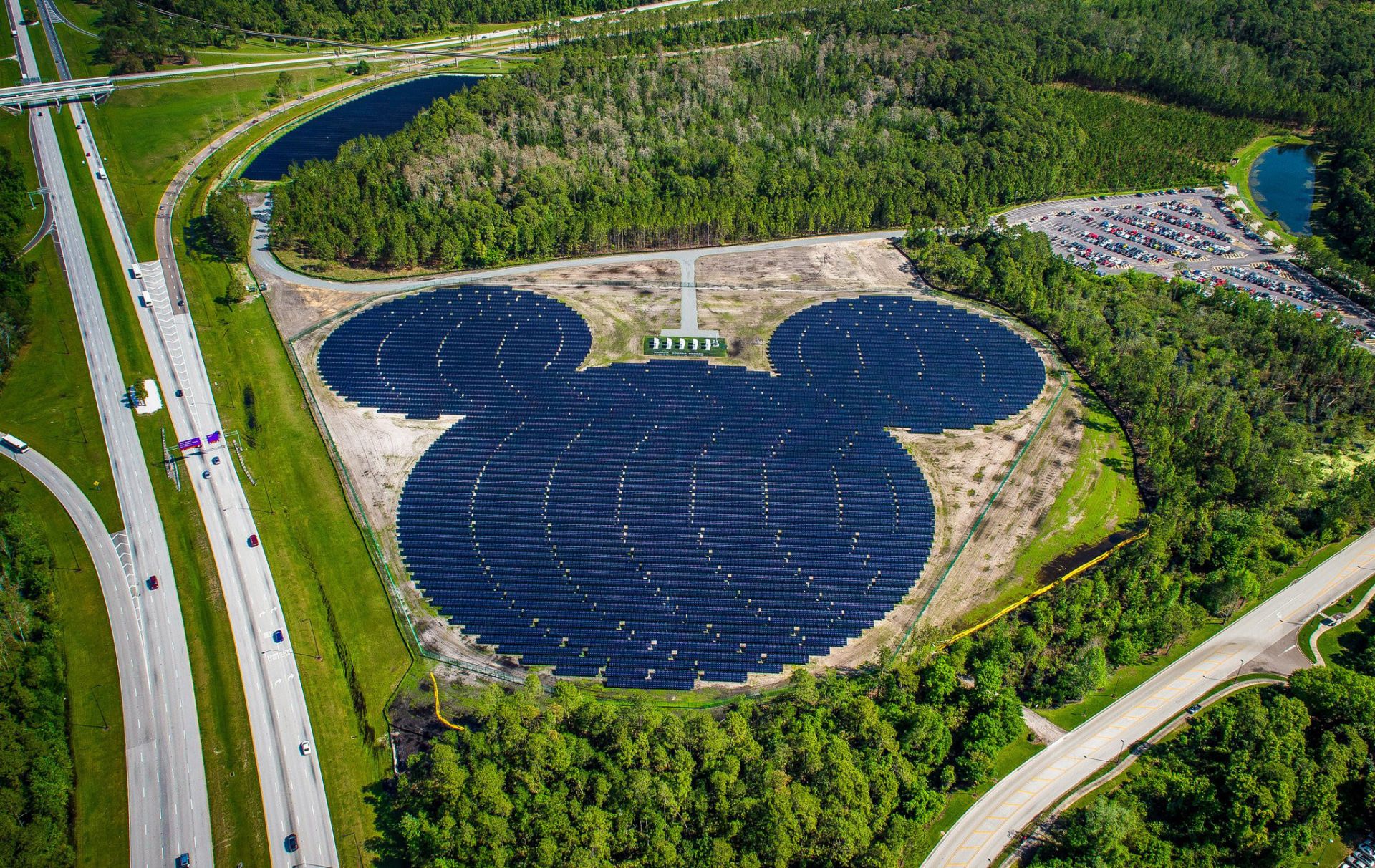
The Mickey Mouse–shaped solar array near Epcot is made of 48,000 solar panels and is operated by Duke Energy. (Photo: Duke Energy)
There is extra significance to the American Nuclear Society holding its annual meeting in Orlando, Florida, this past week. That’s because in 1967, the state of Florida passed a law allowing Disney World to build a nuclear power plant.
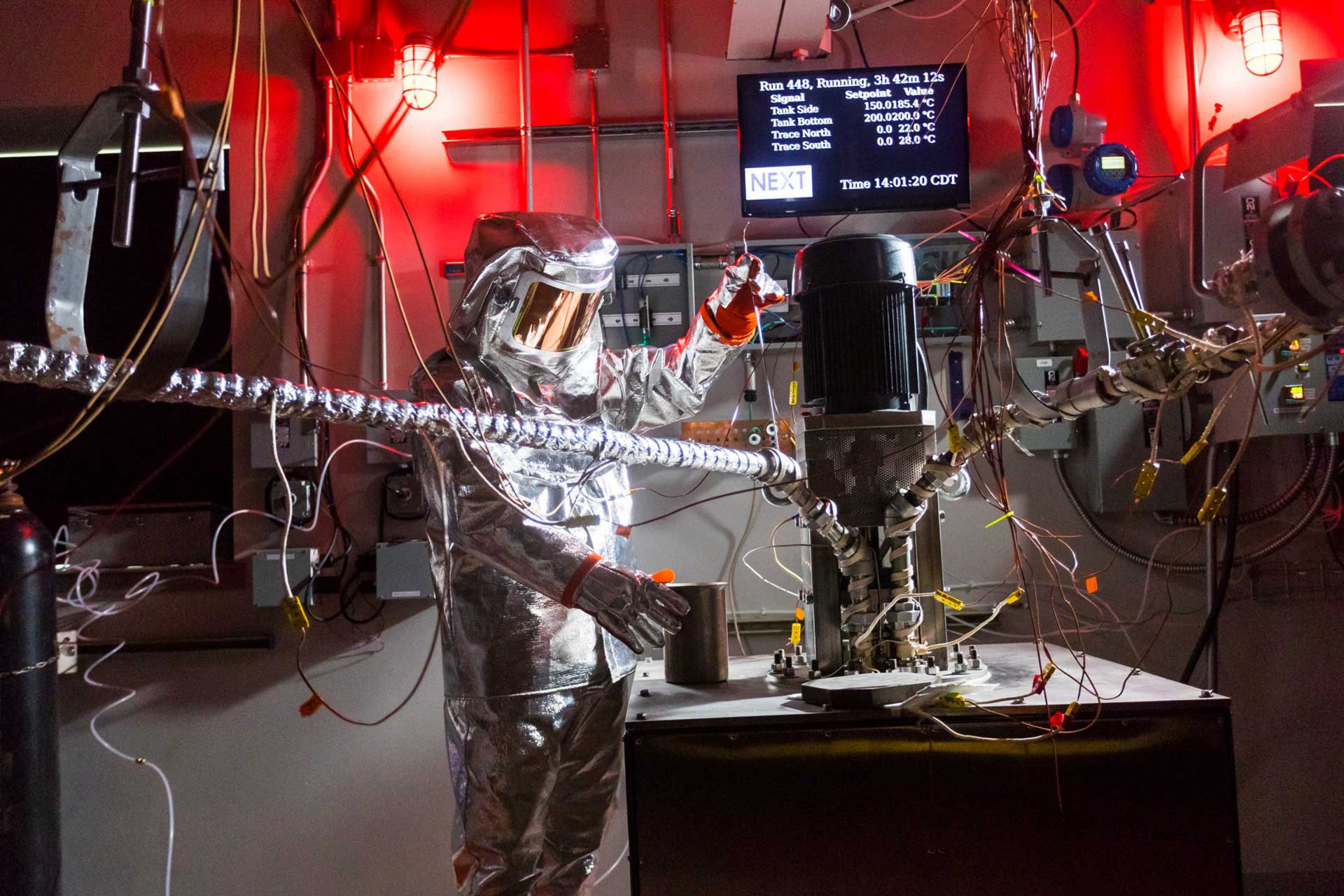
The NEXT Lab at ACU has been built to house and test the university’s new molten salt reactor design. (Photo: Rusty Towell/ACU)
I really think so. Especially after visiting Abilene Christian University’s new Dillard Science and Engineering Research Center, the home of the Nuclear Energy Experimental Testing (NEXT) Lab and where the university will test its new molten salt research reactor design. The visit was part of the 12th Thorium Energy Alliance Conference. NEXT Lab director and program manager Rusty Towell anticipates that the research reactor will be operational in two years, and I believe it will. What was most impressive is that the reactor is suited to be scaled to any size from small to large—a key feature in any decarbonized world.
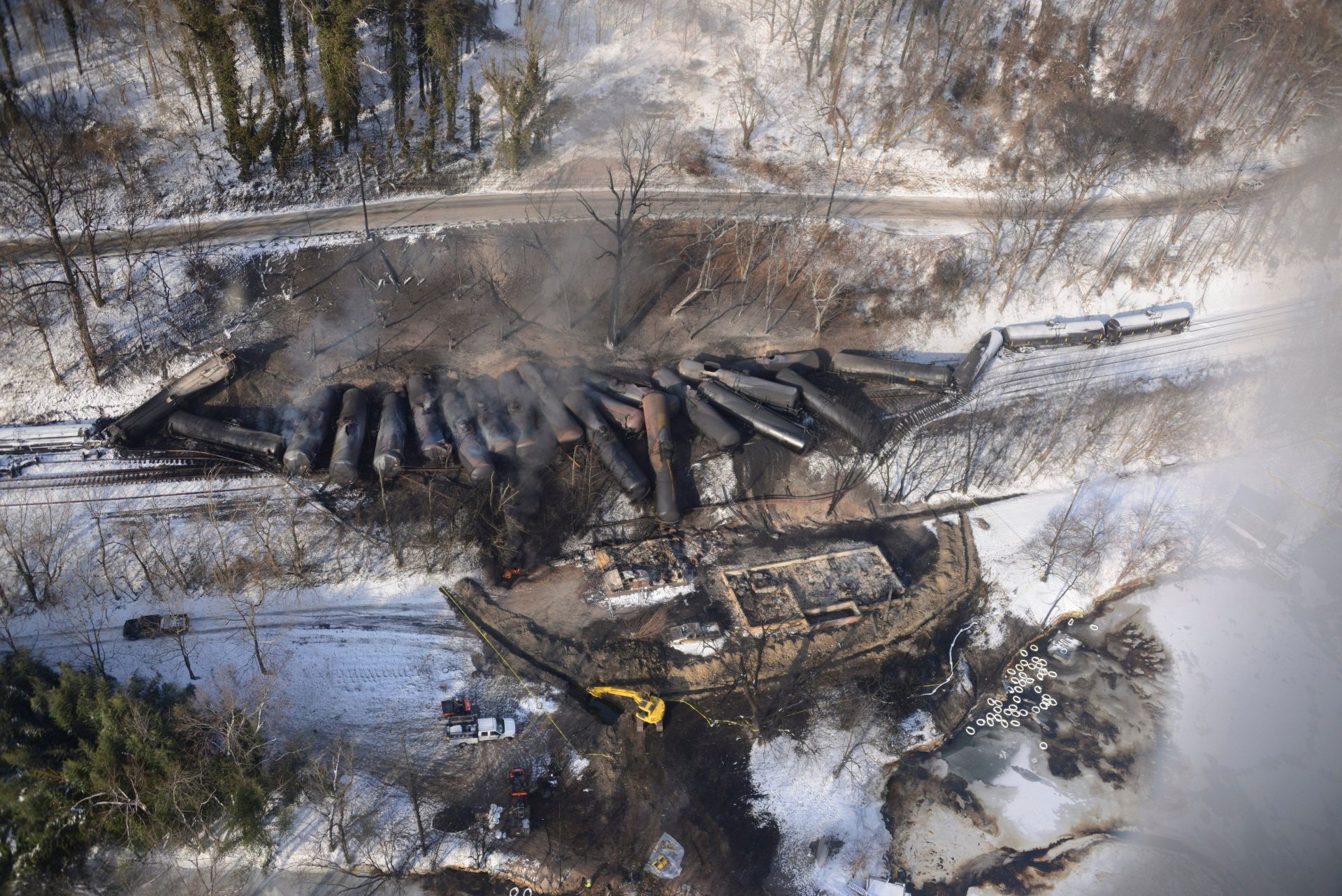
The 2015 CSX Transportation crude oil train derailment and fire in Mount Carbon, W. Va. (Photo: CPO Angie Vallier/U.S. Coast Guard)
We all know that nuclear energy is the best energy source available—the safest and most reliable with the lowest life-cycle carbon footprint and the lowest environmental impact of any source, according to the latest UN report (unece.org/sites/default/files/2021-11/LCA_final.pdf).
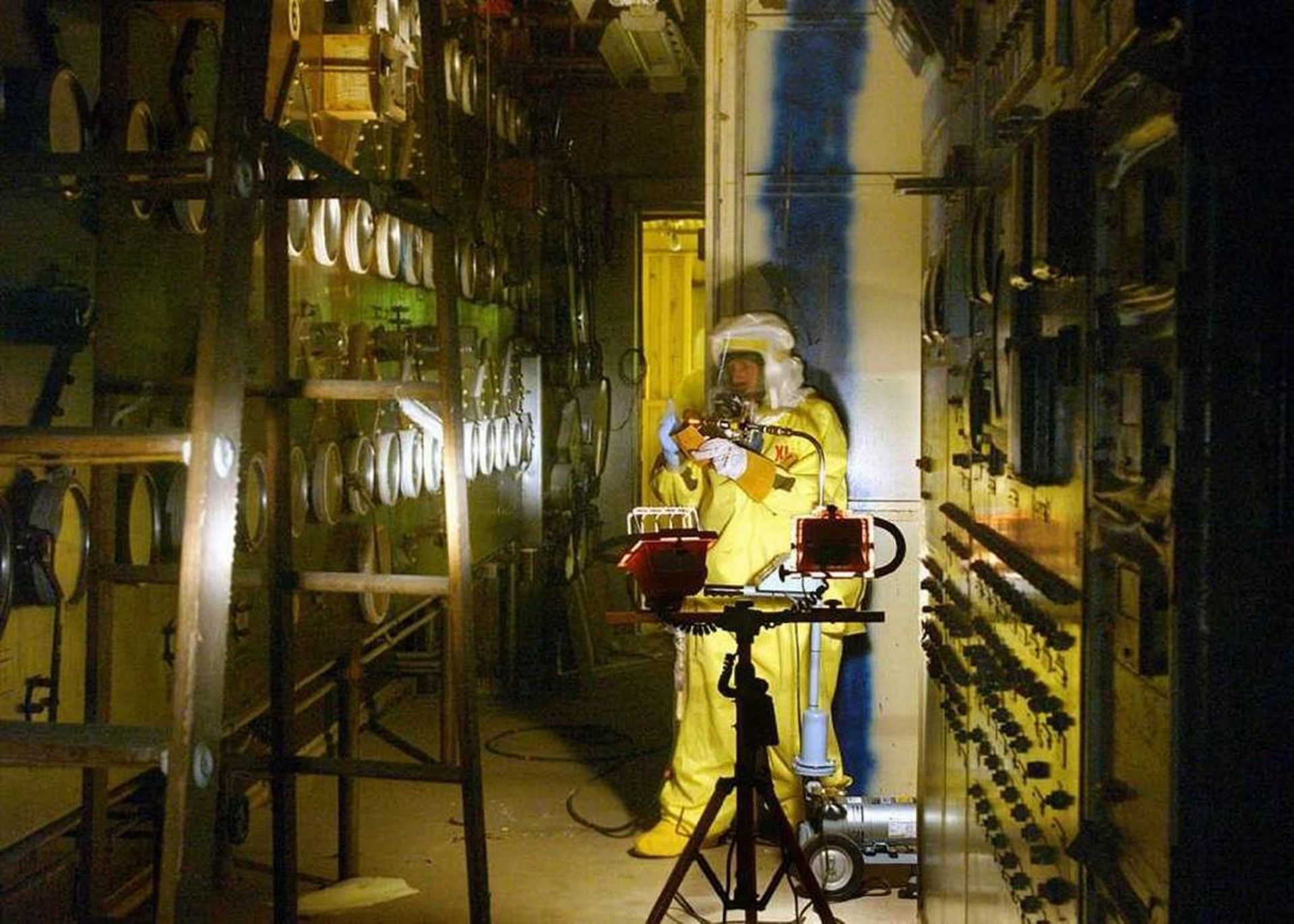
The radiochemistry laboratory, nicknamed the McCluskey Room, in the Hanford Site’s Plutonium Finishing Plant is where Harold McCluskey was contaminated in 1976, and where workers reentered more than 40 years later to clean up the mess left over from that accident. Health physics technician Clay Rowan is shown here taking radiological measurements near racks of glove boxes similar to one that exploded onto McCluskey. (Photo: DOE)
In 1976 at the Hanford Site in Washington state, a 64-year-old chemical operations technician named Harold McCluskey was working on columns filled with special exchange resins in a glove box at the Plutonium Finishing Plant.
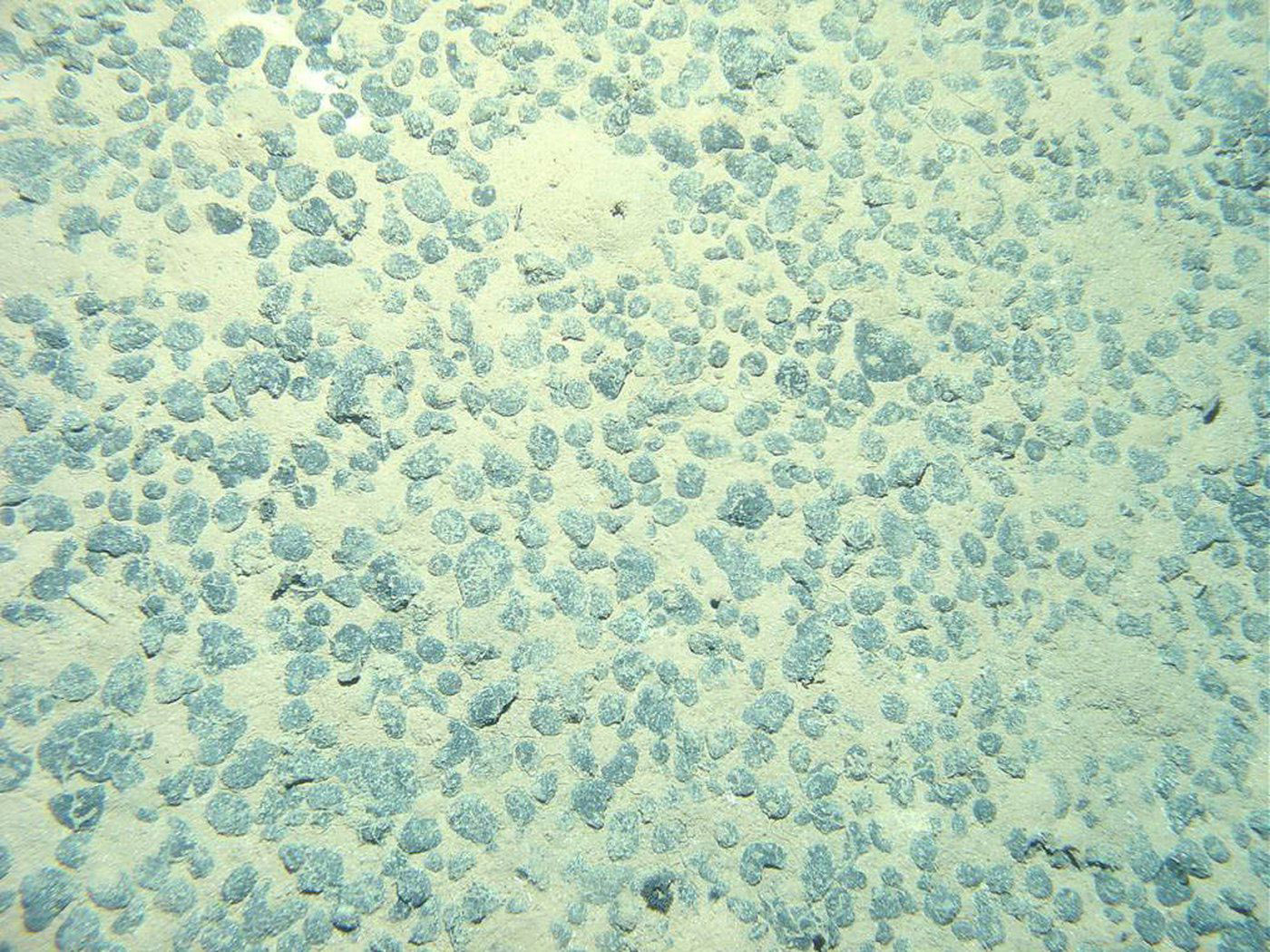
Several-inch-diameter manganese nodules just sit on the ocean floor and can be collected with little to no actual mining, as opposed to severe mining on land. (Photo: Wikimedia Commons)
Regardless of how you power our grid or how you attempt to decarbonize our economy, we will need many various metals to achieve any future, or even to just continue with business as usual. Critical metals like cobalt, lithium, nickel, and neodymium are essential to a low-carbon-energy future if renewables and electric vehicles are to play a large role.1 Even if nuclear provides 100 percent of our power, just operating the grid and electrifying most sectors will take huge amounts of critical metals like copper, notwithstanding the fact that nuclear power requires the least amount of metals and other materials of any energy source.
Methane emissions from cows are surprisingly important as a greenhouse gas. (Photo: Martin Abegglen)
In discussing how to counter global warming, it’s pretty easy to argue that nuclear should be the major electricity source and heat producer to replace fossil fuels. At 6 grams per kilowatt-hour, it has the lowest carbon emissions of any energy source, according to the United Nations, and is objectively the safest form of energy for humans and the environment alike, again from a recent UN report.
Researchers have been working frantically to develop an array of materials and fibers to economically extract uranium from seawater—and they have succeeded. PNNL scientists exposed this special uranium-sorbing fiber developed at ORNL to Pseudomonas fluorescens and used the Advanced Photon Source at Argonne National Laboratory to create a 3-D X-ray microtomograph to determine microstructure and the effects of interactions with organisms and seawater. (Image: PNNL)
America, Japan, and China are racing to be the first nation to make nuclear energy completely renewable. The hurdle is making it economical to extract uranium from seawater, because the amount of uranium in seawater is truly inexhaustible.
While America had been in the lead with technological breakthroughs from the Department of Energy’s Pacific Northwest and Oak Ridge National Laboratories, researchers at Northeast Normal University in China have sprung ahead. But these breakthroughs from both countries have brought the removal of uranium from seawater within economic reach. The only question is when will the source of uranium for our nuclear power plants change from mined ore to seawater extraction?
Africa is home to 1.5 billion people in 54 countries living on 12 million square miles. The economies of many of these countries are hobbled by a general dearth of energy that nuclear could solve without adding to the harm of global warming.
The World Nuclear Association and the African Commission on Nuclear Energy (AFCONE) last year signed a memorandum of understanding to encourage the use of nuclear energy in support of economic growth and sustainable energy development in Africa.
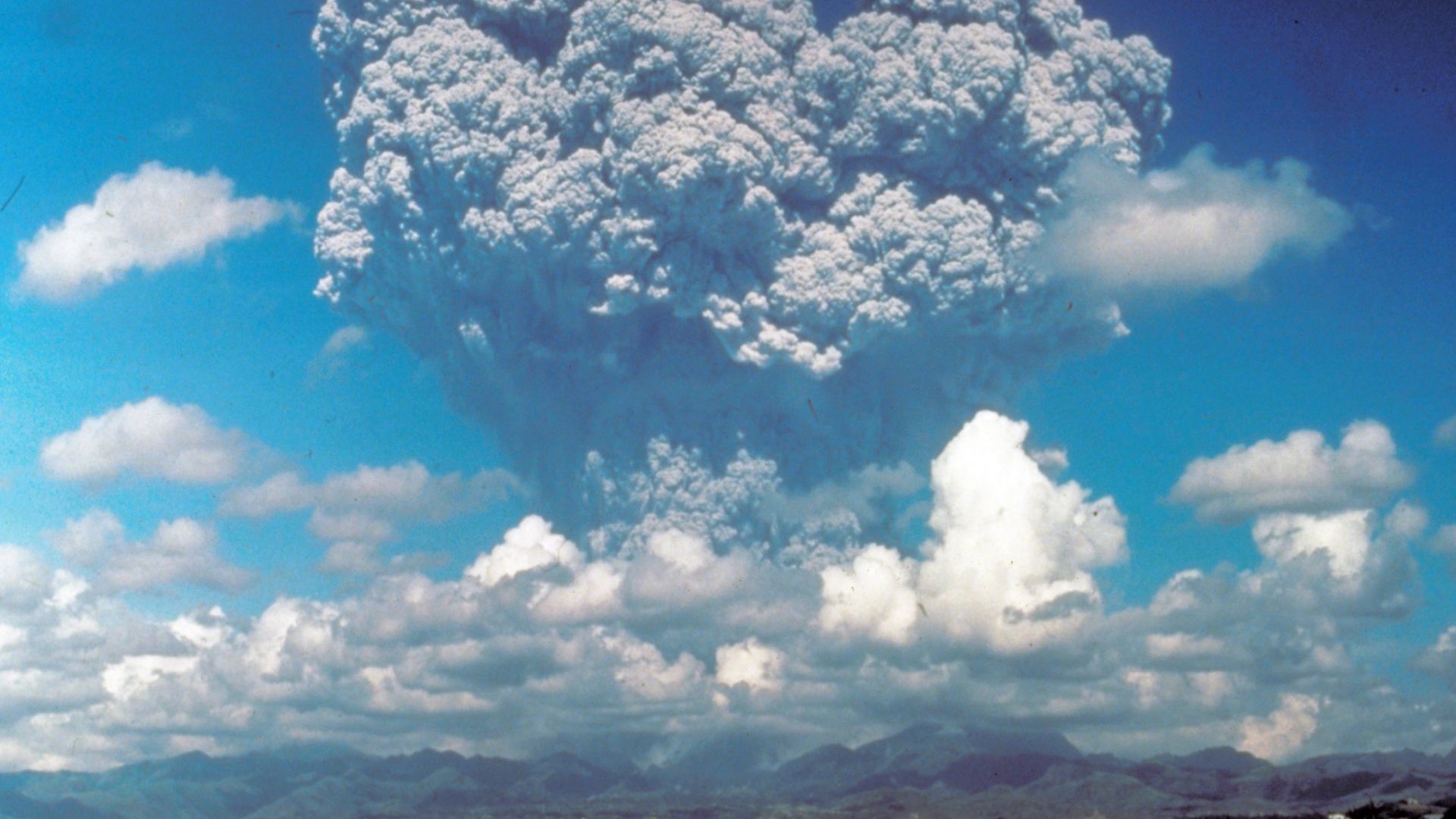
Mount Pinatubo in the Philippines, as it began its cataclysmic eruption in 1991. Millions of tons of particulates were blown into the stratosphere, causing global cooling, similar to what solar geoengineering would do in a controlled way. (Photo: U.S. Geological Survey)
We’re failing.
We’re failing to decarbonize the world in any significant way. Global greenhouse gas emissions are still rising and appear on track to continue rising until at least 2040—the result of energizing the developing world.
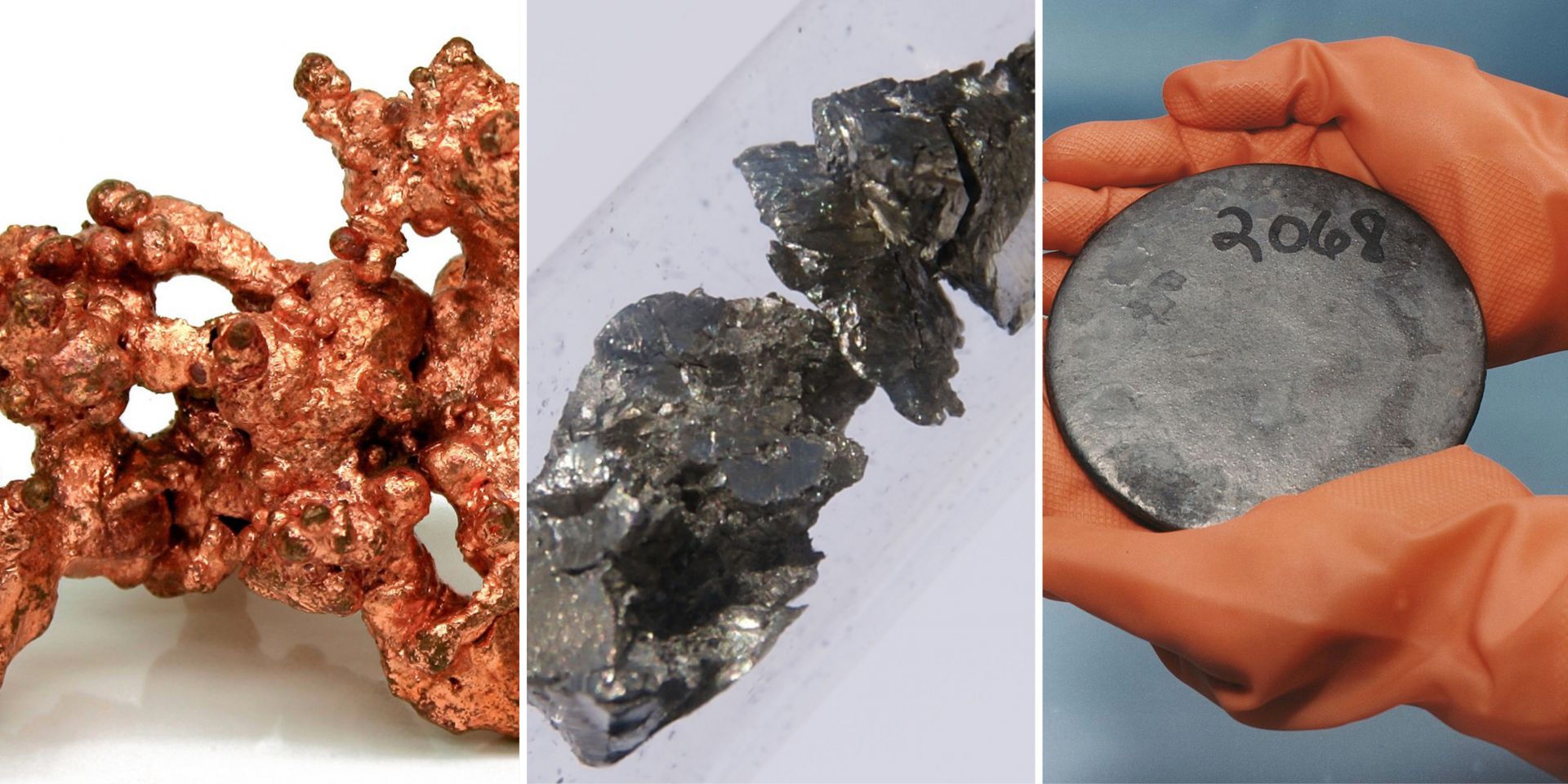
Three of the USGS's critical minerals: (Left to right) A piece of native copper recovered by dissolution of the host rock (Photo: Jonathan Zander); A sample of praseodymium in a vial of argon (Photo: Jurii/Wikimedia Commons); A billet of high-enriched uranium that was recovered from scrap processed at the DOE’s Y-12 National Security Complex in Oak Ridge, Tenn (Photo: DOE).
Last year, the U.S. Geological Survey (USGS) released its 2022 list of 50 minerals that are essential to the function of our society, especially the economy and national security. Whether it’s indium for LCD screens and aircraft wind shielding, cobalt for iPhones, uranium for nuclear reactors and munitions, rare earth elements for wind turbine magnets, lithium for rechargeable batteries, or tantalum for electronic components, if we do not have an ample supply, bad things will happen.