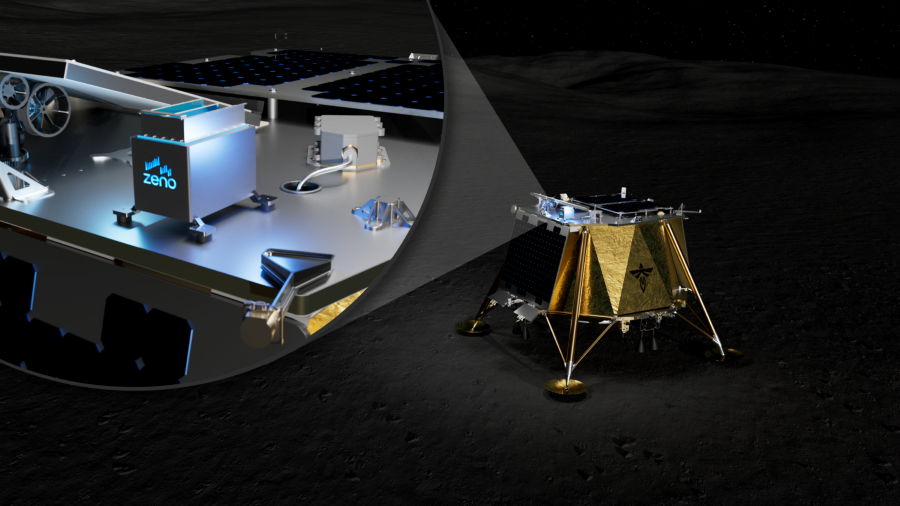
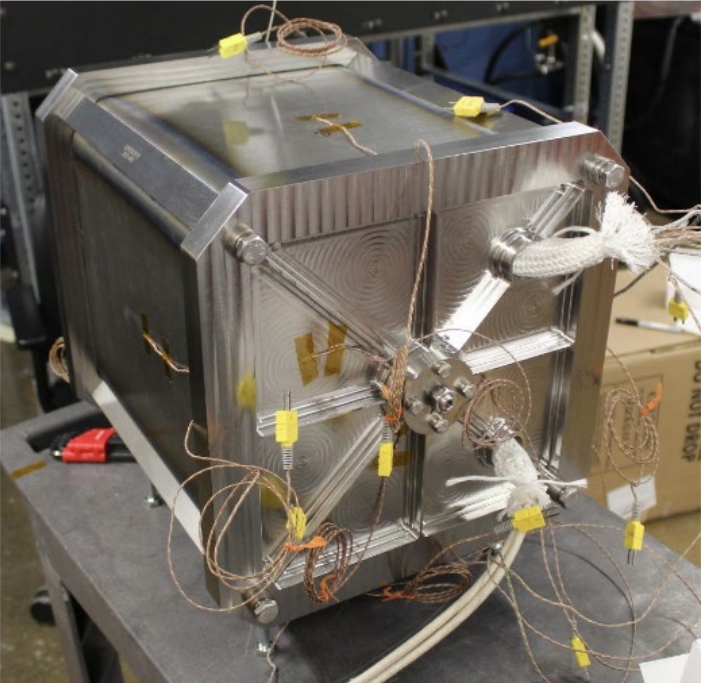
The RHU will generate passive thermal energy to keep critical spacecraft components operational during the lunar night, when temperatures can fall below −280°F.
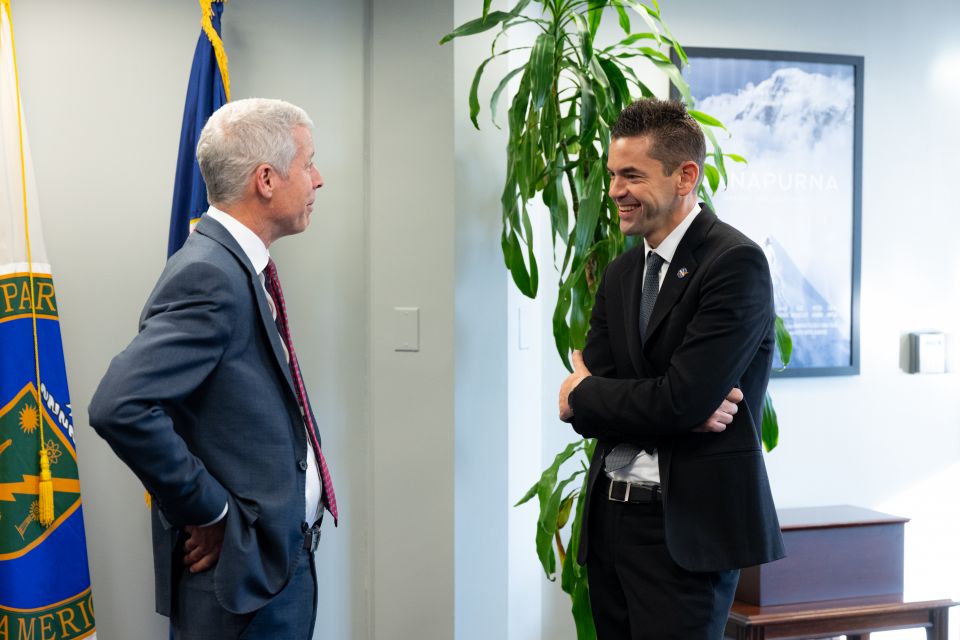
“Hardware capable of surviving the extreme cold of the lunar night will be essential to enabling sustained operations on the moon,” said Tyler Bernstein, cofounder and CEO of Zeno.
The earliest the mission would launch is 2028. It is also scheduled to carry three NASA CLPS (commercial lunar payload services) science instruments for enabling precision laser ranging, measuring the radiation environment, and studying plume-surface interactions. Upon landing, Blue Ghost will first operate the NASA payloads using solar power for the full lunar day, and then Zeno’s RHU will operate during the lunar night, transmitting operational data back to Earth.
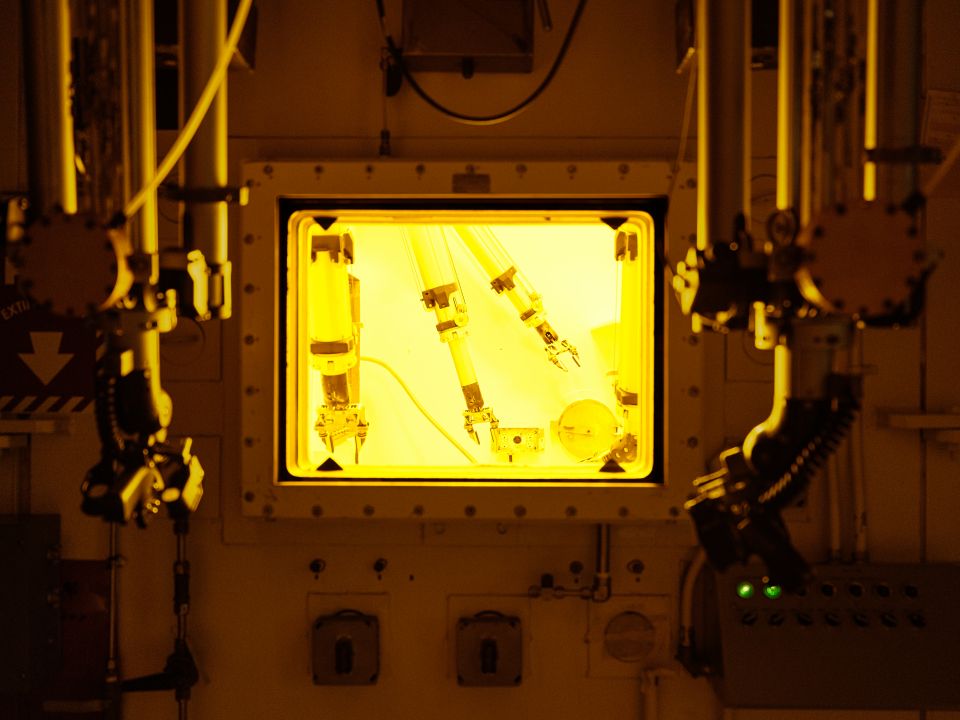
In June, Zeno announced that it is establishing a nuclear battery manufacturing facility at the Vallecitos Nuclear Center. The company said it is exploring options for producing the RHU at Vallecitos or a partner facility.
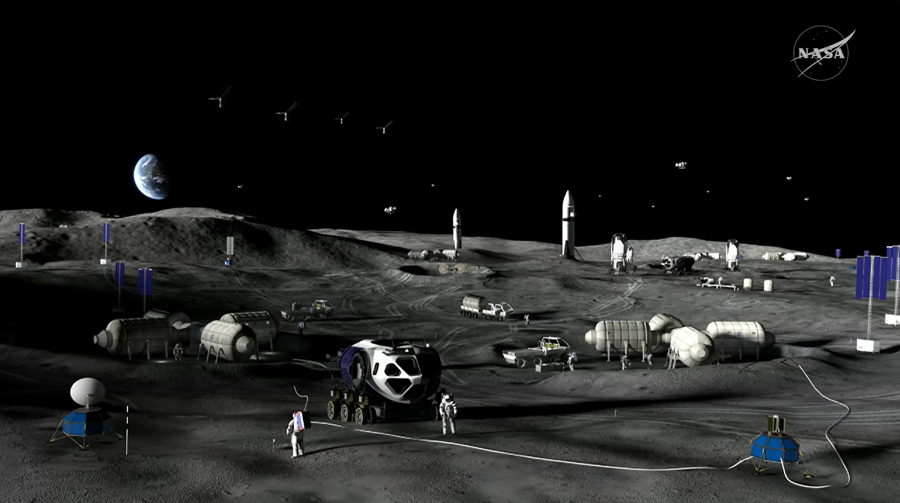
Changing tides for space nuclear: Recently, NASA Administrator Jared Isaacman has spoken enthusiastically about bringing NASA into a nuclear age through increased use of radioisotope power units, nuclear lunar surface power, and nuclear propulsion, specifically through the moon base and Space Reactor-1 Freedom projects.
In July, the agency published a request for applications for critical moon base technology demonstrations, with an initial focus on “integrated power systems or critical subsystems capable of transitioning from ground-based environmental testing to a localized lunar surface demonstration no later than 2029.”
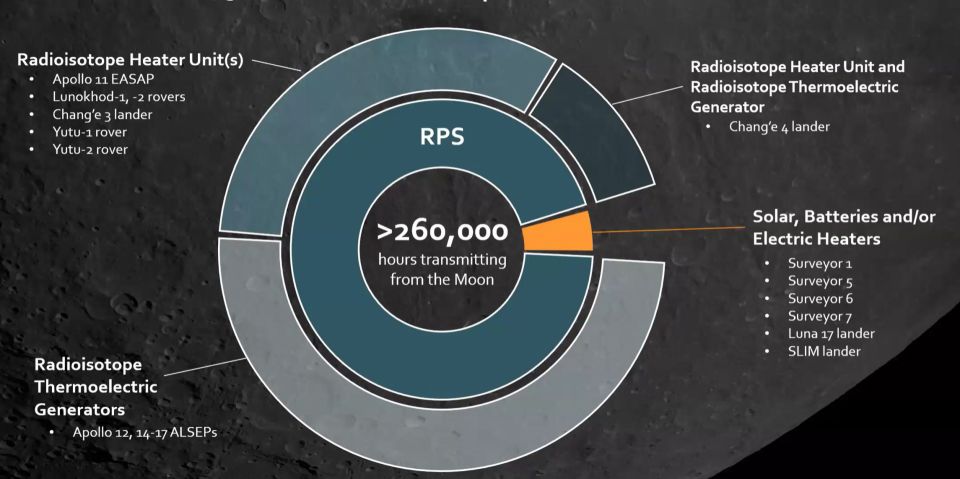
An email announcement from Zeno about the RHU agreement described the United States as behind in the race to use RHUs through the lunar night, citing China’s Chang’e-4 mission, which has survived repeated lunar nights using RHUs to stay warm.
“NASA’s Moon Base Program has identified the need for technologies such as radioisotope power systems to support future lunar exploration, and Zeno is proud to answer that call to demonstrate this capability aboard Firefly’s Blue Ghost mission. As demand for long-duration lunar infrastructure grows, we are building the production capacity to support future commercial and government missions,” said Bernstein.