In its efforts to spur nuclear power growth, the Swedish government last summer allowed companies to apply for financial aid in the form of government loans or two-way contracts. Under two-way contracts, the power plant operator and government agree on a deal that ensures a “minimum level of compensation protection by central government and setting an overcompensation cap for the company.” State aid is limited, however, for new nuclear power installed capacity of up to 5,000 MW.
Swedish officials welcomed the interest the state aid offer is receiving from companies.
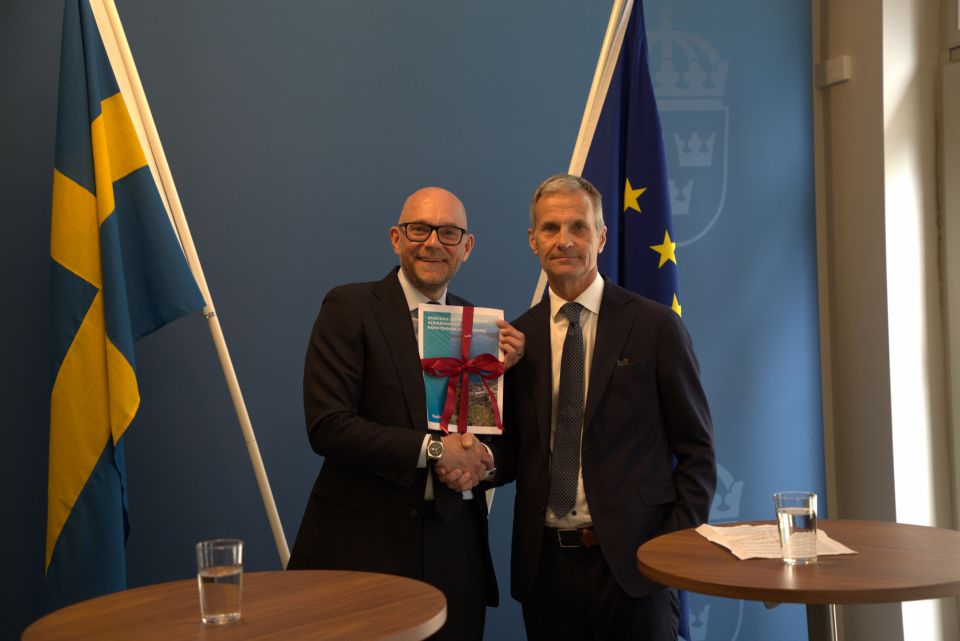
“Several applications in a short time show that the interest in investing in new nuclear power in Sweden is great. It is an important message to build an energy system that gives households stable prices, meets industry electricity needs, and strengthens the conditions for more jobs,” Swedish minister for financial markets Niklas Wykman said in a June 16 Facebook post.
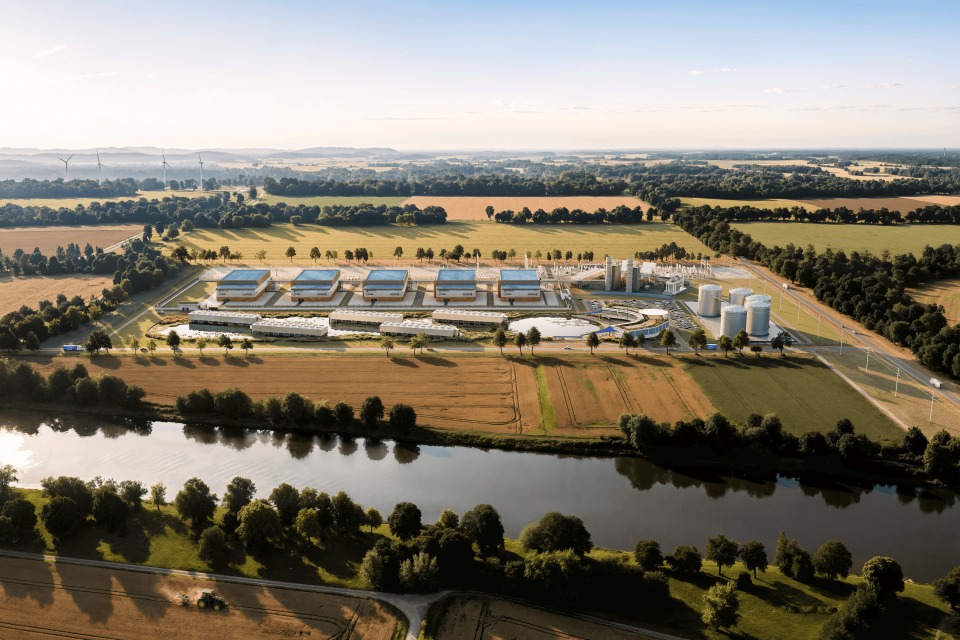
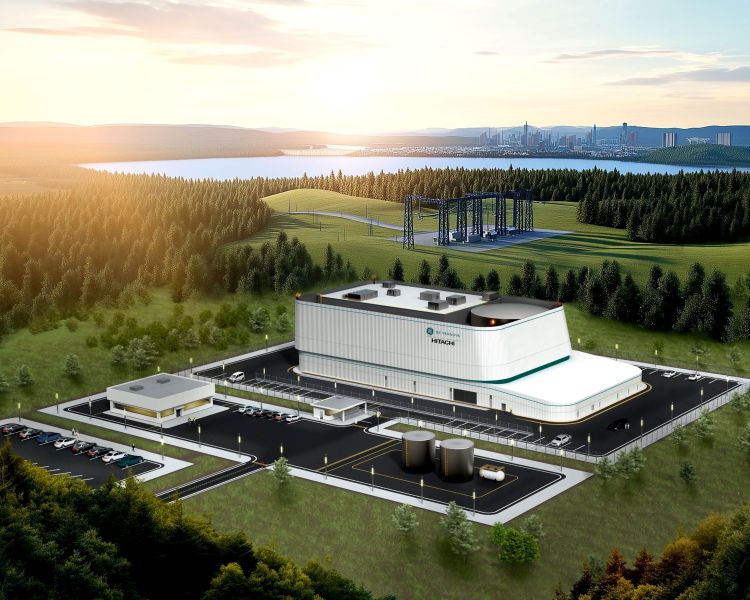
What they're building: Blykalla’s application is for its plans to build six lead-cooled, 55-MWe small modular reactors in Norrsundet in the Gävle Municipality in central Sweden. If all necessary approvals are obtained, Blykalla’s proposed facility could become operational in the early 2030s.
Studsvik applied for two proposed projects that it expects to narrow down to one at a later date. One project calls for two to four modular light water reactors and a total of about 600 MWe–1,400 MWe in the municipality of Nykoping. The second calls for four to six similar reactors and a total of about 1,200 MWe–1,600 MWe in the municipality of Valdemarsvik. Both are in southern Sweden.
“Studsvik is working from a project plan under which the first reactor unit within ReFirm could be commissioned during the second half of the 2030s, subject to the necessary decisions, permits, and commercial conditions,” Studsvik said in its announcement.
Multiple news outlets, meanwhile, reported that Nordic Baseload Power’s application is for two large reactors with a combined capacity of 2,500 MWe at Barsebäck, just east of Copenhagen and the Swedish-Danish border in southern Sweden.
Rolls-Royce selected: In December, Videberg Kraft AB was the first company to apply for Swedish aid. Its plans call for three SMRs, adding roughly 1,500 MWe of new capacity at Vattenfall’s Ringhals site on the Varo Peninsula.
On Monday, Videberg Kraft’s parent company, Vattenfall, announced it had selected Rolls-Royce SMR as its reactor supplier for the Ringhals project. According to the release, Rolls-Royce was selected from a group of more than 70 and a process of four-plus years. Components for the company’s pressurized water reactor design would be manufactured off-site, delivered, and assembled on site. Vattenfall already operates two gigawatt-scale PWRs at Ringhals.
“Our overall assessment is that [Rolls-Royce SMRs] offer the strongest conditions for delivering a successful project. This has been a highly thorough process, which also has been reviewed by an independent party. Vattenfall will continue to provide our full support in the work ahead,” acting head of new nuclear Martin Darelius said in a statement.
“This decision further demonstrates growing market confidence in our technology, and we deeply appreciate the strong collaboration with the Videberg Kraft team and the trust placed in us,” added Rolls-Royce SMR CEO Chris Cholerton in a separate statement.
Other Swedish news: The Riksdag, Sweden’s national parliament, has also weighed in on nuclear legislation this month. On June 11, lawmakers approved permitting legislation that streamlines the framework for extracting and processing uranium and other nuclear materials.
“A key aspect of the legislation is that the extraction and processing of uranium will now be treated in a manner consistent with other metals and minerals within Sweden's overall permitting framework,” according to an announcement from District Metals, a Canada-based company with Swedish operations that welcomed the legislation.
“The amendments remove the requirement for a separate admissibility assessment under the Environmental Code and eliminate the requirement for municipal council consent for uranium extraction and processing projects, commonly referred to as the municipal veto,” the company stated.
In addition to the uranium regulatory legislation, the Riksdag also approved amendments that lifted bans on nuclear facilities in certain coastal areas and archipelagos. According to the Riksdag, these bans will be lifted on July 15.