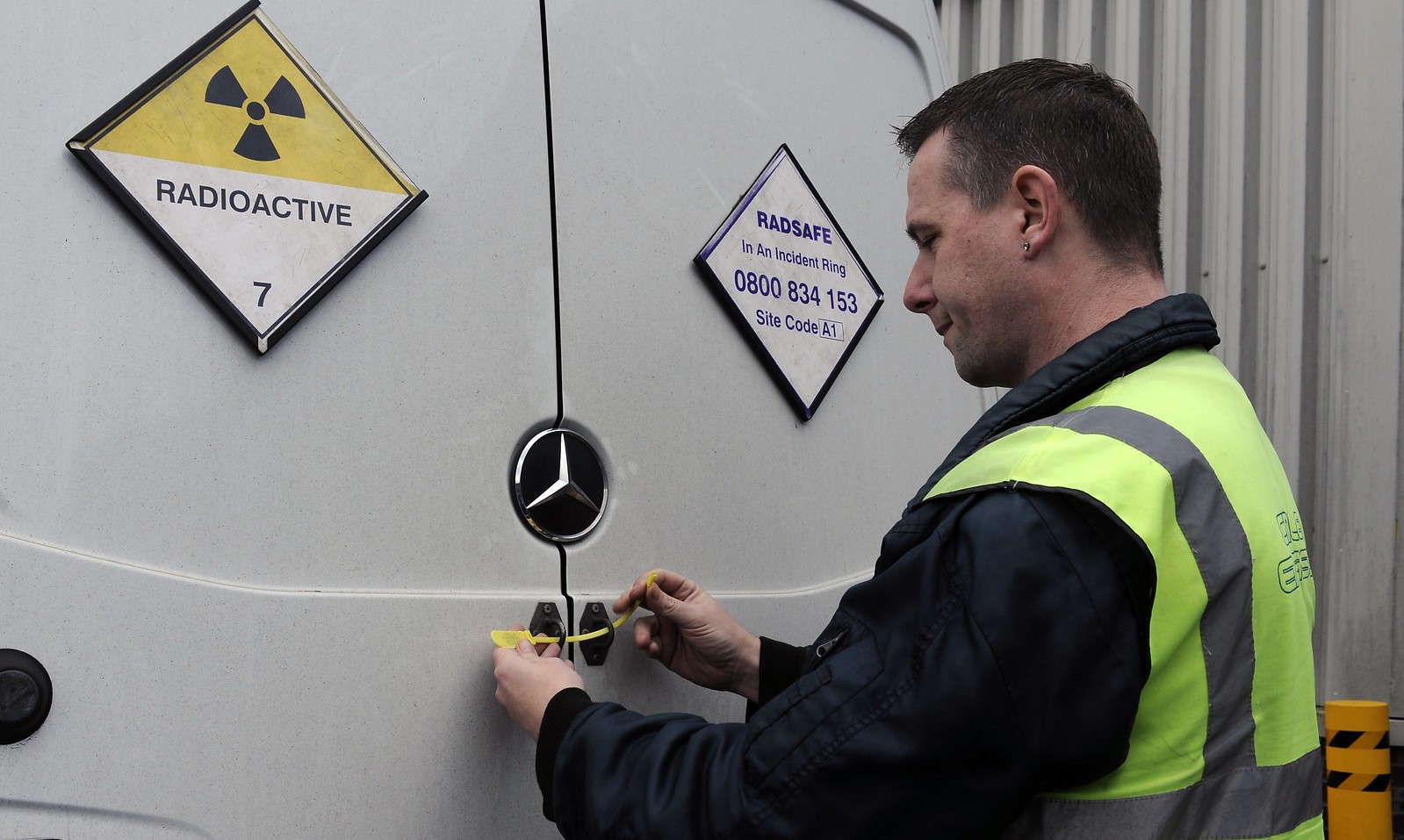
According to the IAEA, of the 4,626 reported incidents in the ITDB from 1993 to 2025, 730 were thefts or attempted thefts of radioactive material. Almost 55 percent of those occurred during transport, and in more than 59 percent of those transport-related cases—about 400 incidents—the stolen radioactive material has not been recovered.
The IAEA said the new data, which was released on March 23, underlines the need for continued vigilance in transport security. The agency estimates that 20 million shipments of nuclear and other radioactive material are transported every year for peaceful applications in energy, medicine, education, agriculture, and industry.
Database background: Supporting the implementation of the IAEA’s nuclear security program, the ITDB contains authoritative information voluntarily reported by 145 participating IAEA states. At the time it was originally established, the ITDB recorded incidents of illicit trafficking of nuclear and other radioactive material. Its scope was later expanded to include all incidents in which nuclear and other radioactive material is or was out of regulatory control.
All types of nuclear material—including uranium, plutonium, and thorium, as well as naturally occurring and artificially produced radioisotopes and radioactively contaminated material found in scrap metal—are included in the ITDB’s scope.
The materials: Of the 4,626 incidents reported to the ITDB from 1993 to 2025, the majority (3,147) were classified by the IAEA as Group III incidents, which are considered “not, or are unlikely to be, connected with trafficking or malicious use.”
Likewise, most of the materials reported as stolen or lost (or otherwise missing) involved radioactive sources used in industrial, material analysis, or medical applications. According to the IAEA, devices containing radioactive sources may be perceived to have a high resale or scrap metal value, making them attractive to thieves.
The IAEA also found that incidents at metal recycling sites involving manufactured goods contaminated with radioactive material continue to be reported to the ITDB, indicating an ongoing challenge for some countries in securing disused radioactive sources and detecting their unauthorized disposal.
In 2025, 236 incidents were reported by 34 of the 145 ITDB participating states. While this number is higher than the 147 incidents reported in 2024, the increase is attributed to retrospective reporting, according to the IAEA.
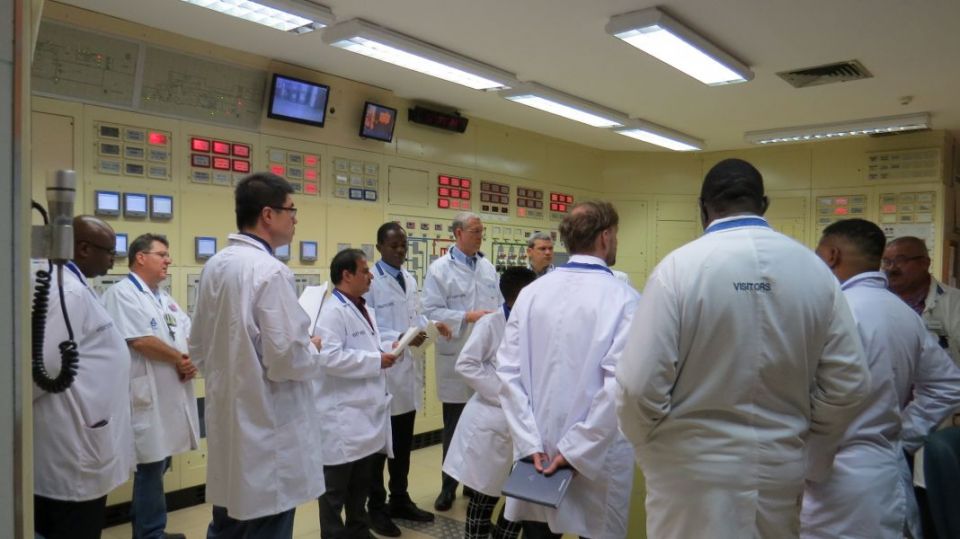
Transportation conference: The IAEA’s release of the ITDB fact sheet coincides with the agency’s International Conference on the Safe and Secure Transport of Nuclear and Radioactive Material, which runs from March 23 to March 27 in Vienna, Austria.
The conference provides the international transport community with a platform to discuss opportunities, challenges, and key enablers for the safe and secure transport of nuclear and other radioactive material. The conference will cover legal and regulatory aspects, transport package design, operations, commercial and supply chain considerations, and innovative technologies that have the potential to impact transport safety and security.

-3 2x1.jpg)