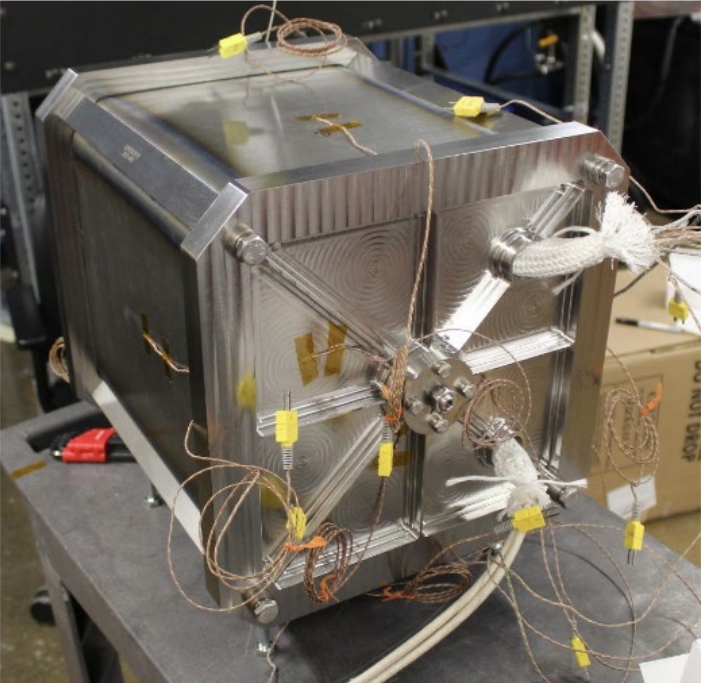
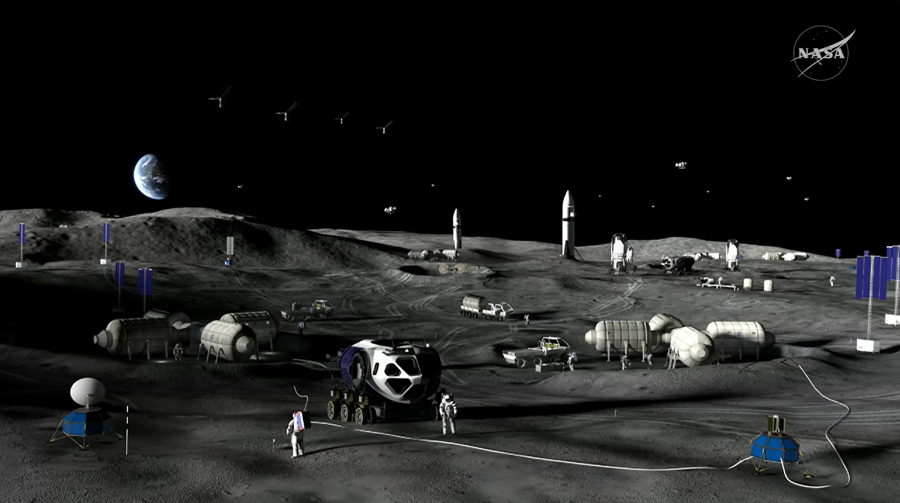
Building and sustaining that momentum depends on coordinated progress across multiple technical fronts. Nuclear power and propulsion for space must mature in parallel, with investment in reactors as well as power conversion efficiency, heat rejection, high-temperature materials, instrumentation, testing, and launch-environment qualification. Advancing these building blocks broadens the range of viable missions and encourages universities, laboratories, and industry partners to contribute in complementary ways.
A national framework that brings these efforts together would further accelerate progress. Numerous federal agencies already play important roles, and a shared long-term road map—one that clarifies requirements for design, manufacturing, testing, regulatory pathways, and security—would help align investments and create more opportunities for distributed innovation. This includes strengthening supply chains for special nuclear materials and critical components, and supporting collaborative research and development across government, academia, and industry.
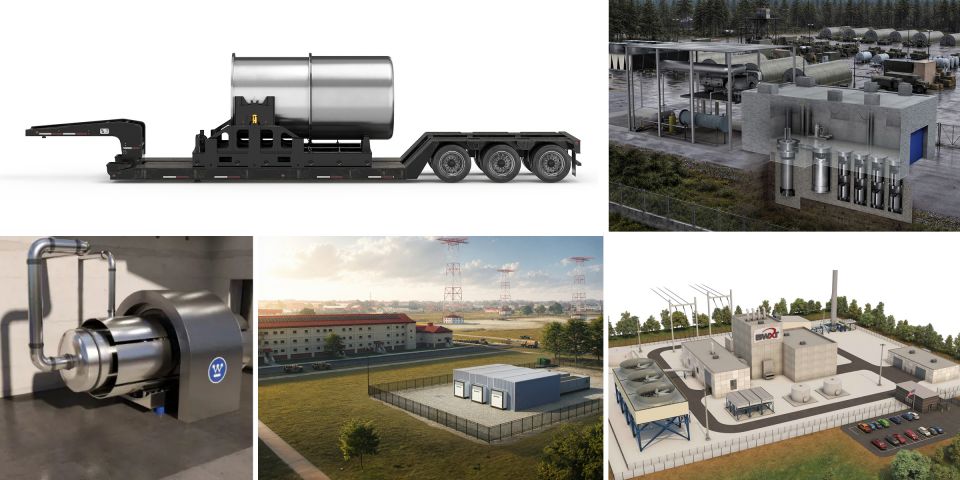
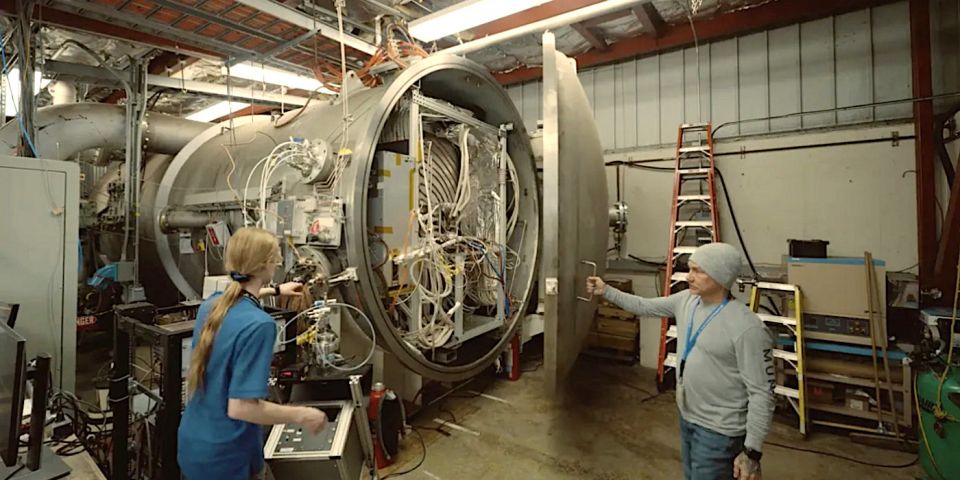
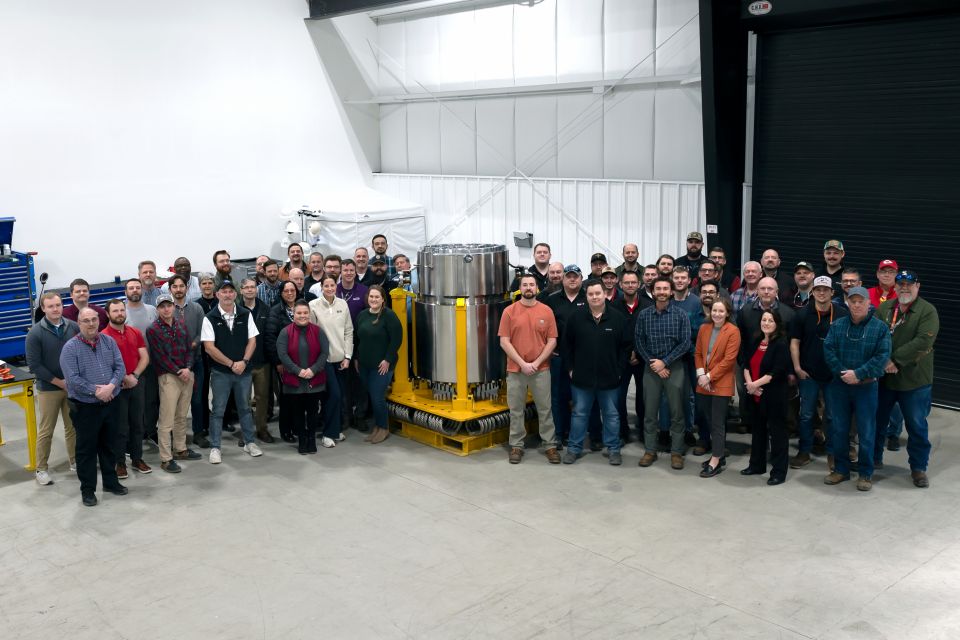
I’ve seen the value of aligned partnerships firsthand. Over the past eight years, I have worked closely with NASA and other U.S. government agencies on space nuclear initiatives, including more than 100 cold-flow tests on BWXT’s nuclear thermal propulsion engineering demonstration unit at NASA’s Marshall Space Flight Center. Our work in space nuclear connects directly to advances in fission surface power, advanced fuels, and terrestrial microreactors such as Project Pele and the emerging U.S. Army Janus Program. Each reinforces the others and contributes to a more resilient U.S. nuclear ecosystem.
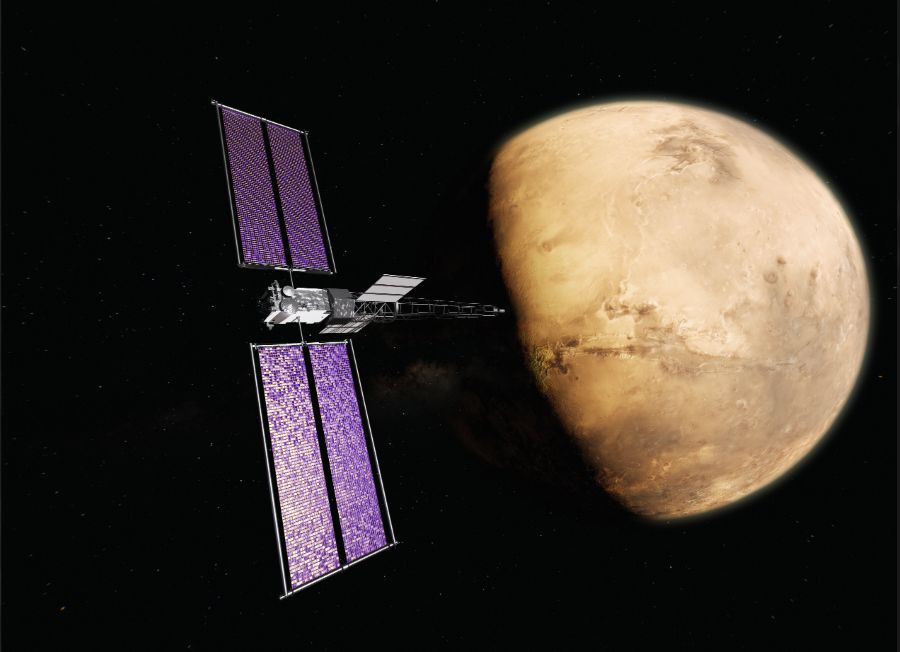
As the United States looks toward cislunar exploration, deep-space missions, and space-enabled national security, the importance of nuclear propulsion and power continues to grow. Ensuring it remains a national priority—supported by a coherent road map and sustained investment and a strong workforce—is the most important step we can take to move from promising concepts to operational capability. Accelerating that momentum will define our leadership for decades to come and is most essential to getting space nuclear off the ground.
Kate Kelly (khkelly@bwxt.com) is president of BWXT Advanced Technologies, a subsidiary of BWX Technologies.



.jpg)