WIPP: Lessons in transportation safety
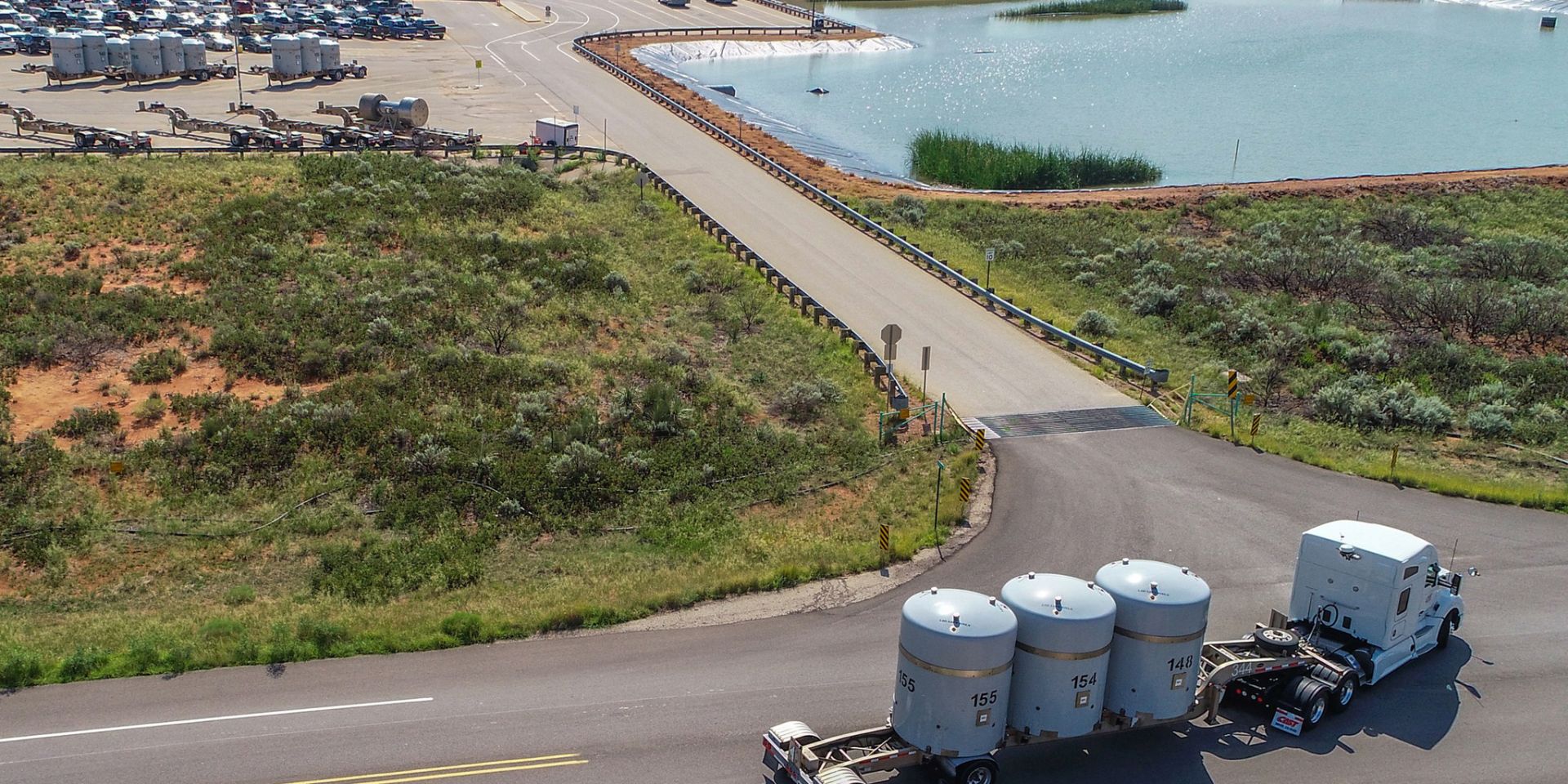
As part of a future consent-based approach by the federal government to site new deep geologic repositories for nuclear waste, local communities and states that are considering hosting such facilities are sure to have many questions. Currently, the Waste Isolation Pilot Plant in New Mexico is the only example of such a repository in operation, and it offers the opportunity for state and local officials to visit and judge for themselves the risks and benefits of hosting a similar facility. But its history can also provide lessons for these officials, particularly the political process leading up to the opening of WIPP, the safety of WIPP operations and transportation of waste from generator facilities to the site, and the economic impacts the project has had on the local area of Carlsbad, as well as the rest of the state of New Mexico.
This commentary explores this history and finds that while the development of WIPP was lengthy and contentious at times, the state and federal governments negotiated various measures to satisfy state interests, and the local political leadership in Carlsbad supported the project through its development without the state ever reaching a place of firm opposition. Second, the transportation of WIPP nuclear waste shipments has been conducted safely, and the facility has had an overall solid operational track record, marred by two accidents in 2014. Third, while WIPP has denied the state and local area the value of hydrocarbons and minerals that otherwise could have been extracted at the site, the repository project has provided substantial jobs and does not appear to have negatively affected tourism and property values—two concerns in the leadup to its opening.
Because of the limited data available, however, this commentary identifies opportunities for the federal government to provide more information on WIPP’s track record to state and local policymakers to further inform their considerations, as well as ways all stakeholders might better engage to smooth the path toward actualization of a new repository.
Safety record
Perhaps the first question state and local officials will ask with respect to hosting a deep geologic repository is whether such facilities are safe. This section first explains regulatory responsibilities related to safety. It then reviews the safety record of the WIPP transportation program, as well as the operational safety record at the WIPP site over its 25 years.
A third aspect of WIPP safety is post closure—that is, after operations cease and the repository is sealed, which likely will not happen for many years, as the facility is not close to the capacity limits outlined in the WIPP Land Withdrawal Act of 1992. This aspect cannot be analyzed retrospectively at this point, as can be done with the WIPP transportation and operational records. To understand associated safety issues after WIPP is closed, readers are referred to publications by the National Academy of Sciences and the U.S. Environmental Protection Agency. The EPA continues to regularly certify that WIPP is in compliance with standards regarding protection of public health after closure. As noted, a 1996 National Academy of Sciences report found WIPP could isolate transuranic (TRU) waste for more than 10,000 years if it is sealed effectively and remains undisturbed by human activity. The geologic stability and isolation capability of the bedded salt in the area were primary factors leading to this finding. The probability of human intrusion thousands of years from now is of course unknown, and one area of concern that opponents of WIPP continued to raise even after the facility began operations (specifically concerns over the potential migration of radioactive materials due to future drilling and extraction of hydrocarbons and minerals inside the WIPP area, such as has been taking place adjacent to the site in recent years with the advent of hydraulic fracturing).
For current transportation and operational matters, however, regulators have clear responsibilities and a track record of safety that is available for consideration
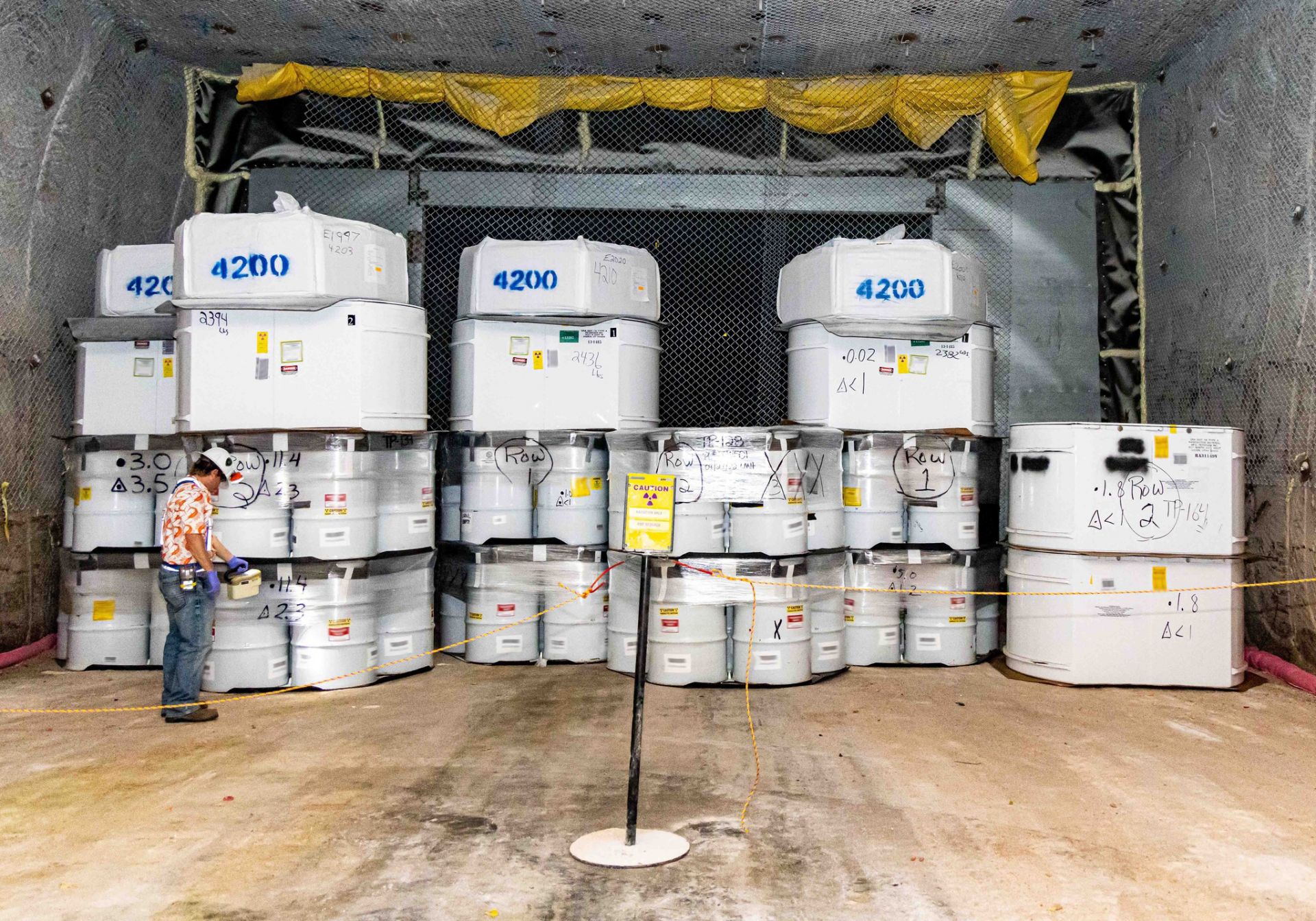
A radiological control technician checks radiation readings on waste containers arriving at WIPP.
Regulatory responsibilities
The WIPP program has several different regulators. Two of those regulators are involved with the transportation program:
The Department of Transportation has regulatory authority over the WIPP transportation program, including waste packaging requirements and waste transportation surveillance by tracking and communication.
The Nuclear Regulatory Commission has regulatory authority for certifying the shipping containers used in the WIPP program.
Two other regulators are involved with operations at the site (as well as the post-closure phase):
EPA regulates the radiological aspects of WIPP waste, which is certified by the Radiation Protection Program at the agency. As mentioned, EPA has issued generic radioactive waste disposal standards as well as WIPP-specific certification criteria.
The state of New Mexico, under the New Mexico Hazardous Waste Act and Resource Conservation and Recovery Act, regulates mixed-waste disposal at WIPP.
While not a formal regulator of the WIPP site, the Department of Energy and the Mine Safety and Health Administration (MSHA) at the Department of Labor have a memorandum of understanding (MOU) for health and safety inspections at WIPP. The MOU contains various provisions, including that MSHA will conduct unannounced health and safety inspections at the WIPP facility no fewer than four times a year and that citations will be issued if any safety or health deficiencies are identified. The results of all inspections are published on the MSHA website.
MSHA conducts inspections at all mines in the United States. For perspective, the agency started eight inspections of WIPP in 2023 and wrote 59 citations for violated standards, and the same year started a collective 26 inspections for the three active underground potash mines in Eddy County, N.M., with a collective 310 citations (the three potash mines are larger mines than WIPP [1]).
Finally, the Defense Nuclear Facilities Safety Board (DNFSB) is an independent organization chartered to provide recommendations and advice to the president and the secretary of energy regarding public health and safety issues at DOE defense nuclear facilities. It has produced monthly reports on WIPP since 2015.
Transportation
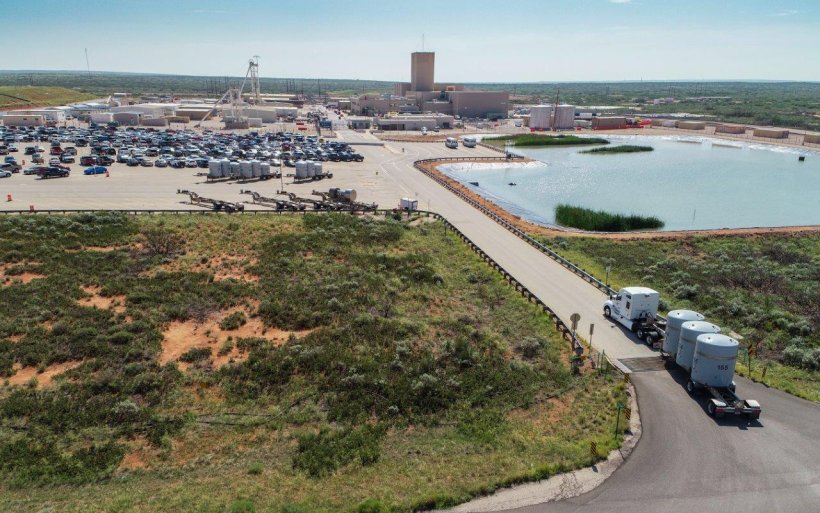
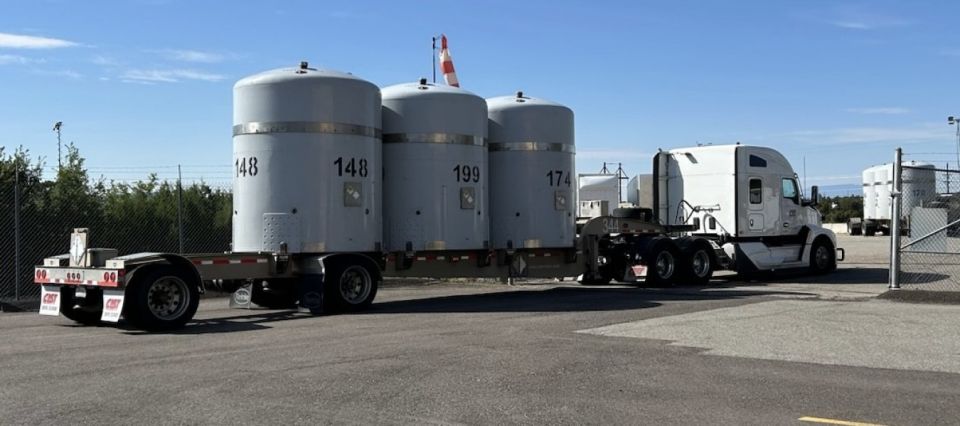
TRU nuclear waste packages come by truck from DOE sites with defense missions around the country to the WIPP facility, which has enabled the cleanup of 22 legacy TRU waste sites.
The WIPP transportation program operates under strict requirements for driver experience and transportation planning, communication and surveillance (see Driver requirements, page 51), and packaging of wastes for transport (see NRC requirements, page 51). As of February 26, 2024, there had been 21 incidents/accidents associated with the WIPP transportation program since operations began in 1999 [2]. The incidents/accidents are summarized as follows:
Seven involved shipments in which the waste packages were empty—that is, they did not contain any TRU waste.
Fourteen were caused by non-WIPP drivers on the road.
Seven were caused by WIPP drivers, of which three were due to driver health issues (e.g., loss of consciousness and persistent coughing, resulting in loss of vehicle control), and one occurred when the driver was trying to avoid road debris from another private vehicle accident.
No WIPP packages were damaged during any of these incidents/accidents, which in total resulted in seven injuries and no fatalities.
Hazardous materials transport
As defined by EPA, hazardous waste has “properties that make it dangerous or capable of having a harmful effect on human health or the environment.” The EPA notes that it is generated from many sources, such as industrial manufacturing process wastes and batteries, and can be liquids, solids, gases, and sludges.
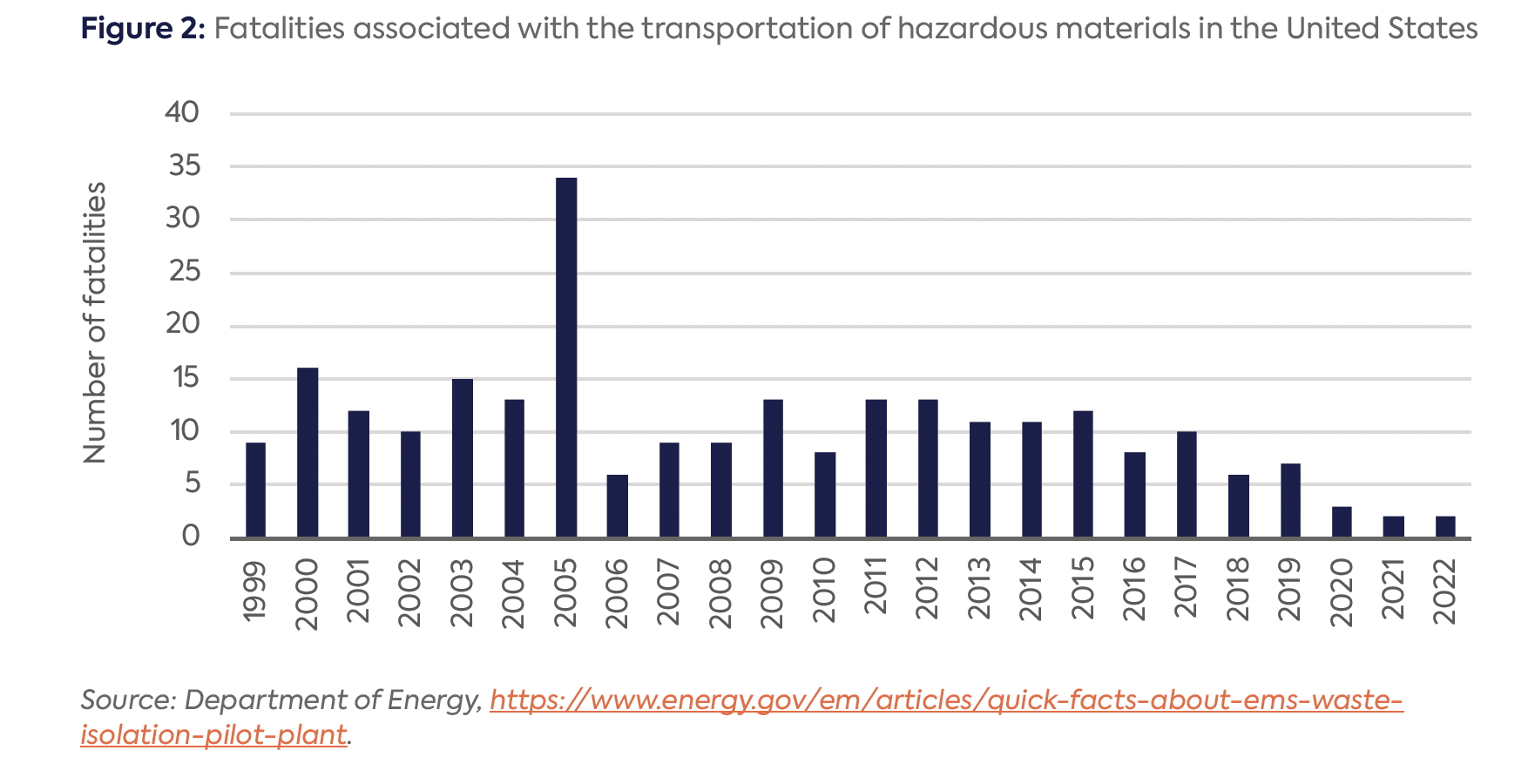
Fig. 1: Fatalities associated with the transportation of hazardous materials in the United States. Source: US Department of Transportation, [https://www.bts.gov/content/hazardous-materials-fatalities-injuries-accidents-and-property-damage-data].
According to the U.S. DOT, 1.2 million shipments of hazardous materials occur in the United States every day, and 1.6 billion tons are shipped each year. Hazardous materials are transported on highways, railroads, airways, and waterways. These activities are not without risk. An estimated 250 fatalities were associated with the transportation of hazardous materials from 1999 to 2022 (see Fig. 1), a period roughly corresponding to WIPP’s first 23 years of operation. The release of hazardous materials from their containers can harm or kill people in different ways, including from explosions or inhalation of toxic gases.
When WIPP reached 25 years of operations on March 27, 2024, shipments of TRU waste to WIPP had traveled over 16 million miles and led to the disposal of 285,000 waste containers [3]. While WIPP shipments have been considerably fewer in number of miles and quantities than those for hazardous waste, it is worth noting that there has been no single accident in the span of the WIPP transportation program that led to a release of radiological material, let alone a release that harmed any person. A 1989 National Academy of Sciences projection anticipated that WIPP’s shipping program, because of the rigorous regulations and requirements, would be “safer than that employed for any other hazardous material in the United States today and will reduce risk to very low levels” [4].
Site operations
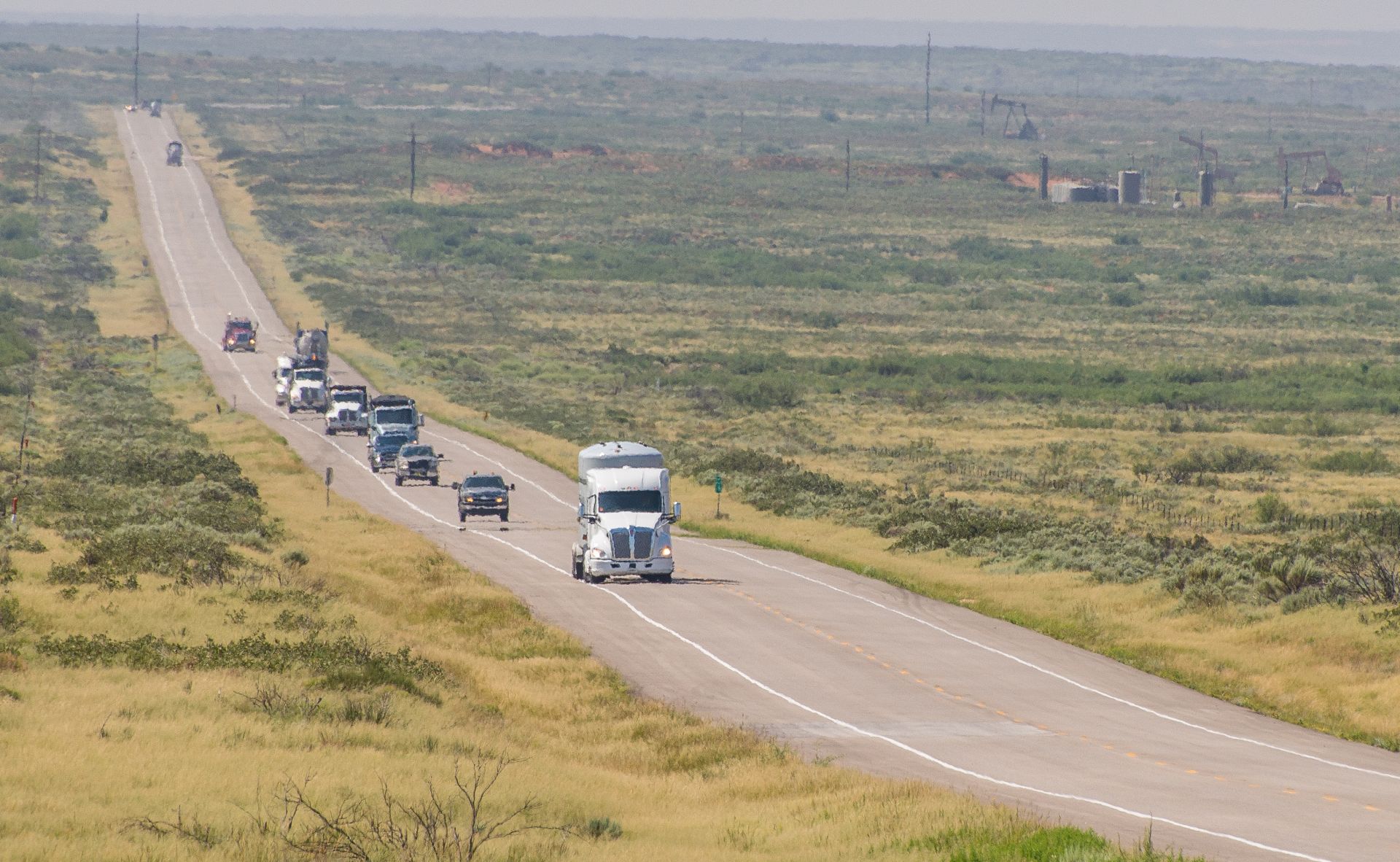
A truck hauls a transuranic waste shipment to WIPP.
After TRU waste packages arrive at the WIPP facility, they are off-loaded, inspected, stored, and eventually moved into the mine for emplacement. All these operations involve some level of risk to personnel at the WIPP facility, and there have been accidents of the kind that take place at other industrial sites—for example, falls and dropped heavy items that lead to injuries such as broken bones.
A 2002 report from the DOE concluded that the WIPP site had one of the best safety records within the DOE complex, measured by indicators such as injury rates and environmental incidents. By 2011, WIPP had received the state of New Mexico’s top mine safety award from the New Mexico Bureau of Mine Safety and the New Mexico Mining Association in 23 out of 25 years, which was based on having a low injury rate and no fatalities. Chris Hefner, an associate state mine inspector with the New Mexico Bureau of Mine Safety, said at the time, “The safety culture at WIPP is second to none,” and he praised the facility for going out of its way to share best practices with other mines.
Two accidents
Despite its good early track record, two separate accidents occurred 10 days apart in February 2014, raising safety concerns at WIPP. The accidents led to a stoppage in disposal operations for about three years.
The first accident occurred on February 5 when a fire started in the engine compartment of a truck used to haul mined salt in the repository near the main elevator shaft. The operator of the truck noticed flames, and after unsuccessful attempts to extinguish the fire, workers were directed to evacuate. There were 86 workers underground at the time, all of whom were successfully evacuated. Six workers were transported off-site for treatment for smoke inhalation, and seven other workers were treated on-site. Mine rescue teams arrived at the truck in the evening and found no fire but used fire extinguishers on embers found on the front tires.
A DOE accident investigation report would later identify the direct cause of the accident to be “contact between flammable fluids (either hydraulic fluid or diesel fuel) and hot surfaces (most likely the catalytic converter)” on the truck, leading to a fire that consumed both the engine compartment, as well as the two front tires.
Unlike the February 5 fire, the second accident was of a nature that could not happen at a conventional mine. On February 14, a drum containing TRU waste that had been emplaced in WIPP spontaneously ruptured, releasing radioactive materials into the repository. The release was detected by an air monitor in the repository. There were no workers in the repository at the time of the release.
The DOE Accident Investigation Board identified the direct cause of the accident to be a reaction of incompatible materials in a waste drum from Los Alamos National Laboratory that generated heat, thereby over-pressurizing the drum, leading to its breach and a release of the drum’s contents into the WIPP underground [5]. The board identified root causes of the release that included a failure of Los Alamos National Security (which managed and operated LANL under contract to the DOE) to understand and effectively implement the hazardous waste facility permit, as well as broader failures to ensure that LANL had adequately developed and implemented sufficient repackaging and treatment procedures. The board also identified 12 contributing causes to the radiological release, including failures among organizations to ensure a strong nuclear safety culture at LANL and a failure of DOE headquarters to perform adequate or effective management oversight. The analytical results led to conclusions and “judgments of need” as to the managerial controls and safety measures needed to prevent or minimize the probability or severity of a recurrence.
The EPA would conclude that radiation releases from the WIPP site did not pose a public health concern [6]. New Mexico State University’s Carlsbad Environmental Monitoring and Research Center similarly concluded that no negative radiation-related health effects among local workers or the public should be expected [7]. A DOE recovery plan report in September 2014 estimated the related levels of exposure to 22 workers on-site were less than 10 millirem over 50 years—the equivalent exposure from one chest X-ray—and no long-term adverse health effects were expected [8]. WIPP ceased disposal operations for three years while DOE held public meetings and put in place additional measures to prevent such accidents from happening again and to rebuild community trust.
WIPP reopened in 2017 under limited operations. The state had alleged violations of the New Mexico Hazardous Waste Act, the hazardous waste management regulations, and the WIPP permit [9]. The DOE ended up paying New Mexico $74 million to settle the state’s claims against the agency and its contractors regarding these incidents [10]. The settlement also required DOE to implement corrective actions at WIPP to improve the safety of operations at the site. Recovery from the accidents added large costs (hundreds of millions of dollars) to the WIPP project.
Conclusion
For states and localities considering hosting a nuclear waste management facility, the experience of WIPP is worth examining. A new HLW repository effort will face many of the same public acceptance challenges that WIPP did: safety concerns from local citizens, and perhaps even more so from citizens in other parts of the state who are not likely to gain direct economic benefits from the project. A second deep geologic repository, however, would no longer be a “first-of-a-kind” project in the United States, and the knowledge gained by the WIPP experience could temper some concerns. Today, state and local officials can visit an operating deep geologic repository to judge for themselves the risks and benefits—something that was not possible when WIPP was in development. ν
Matt Bowen is a senior research scholar at the Center on Global Energy Policy at Columbia University SIPA, focusing on nuclear energy, waste, and nonproliferation; Hamna Khan works as an ORISE Fellow at the U.S. Department of Energy, Office of Asian Affairs; Rama T. Ponangi is a research associate at the Center on Global Energy Policy at Columbia University SIPA.
Acknowledgements
The authors would like to thank Kevin Crowley and Ross Kirkes for valuable discussions and feedback.
References
- Data from the Mine Data Retrieval System. The potash mine IDs are 2900170, 2900175, and 2900802.
- Data provided by the DOE Carlsbad Field Office in an email on February 26, 2024.
- DOE, “WIPP Celebrates 25th Anniversary of First Waste Receipt,” https://www.wipp.energy.gov/wipp_news_20240327.asp.
- National Research Council, “WIPP Panel Letter Report of Review Comments on DOE Document DOE/WIPP 89-011: Draft Plan for the Waste Isolation Pilot Plant Test Phase: Performances Assessment and Operations Demonstration,” (1989).
- DOE, “Accident Investigation Report Phase 2: Radiological Release Event at the Waste Isolation Pilot Plant, February 14, 2014,” ES-6 to ES-8, (Apr. 2015).
- EPA, “2014 Radiological Event at the WIPP,” https://www.epa.gov/radiation/2014-radiological-event-wipp.
- Carlsbad Environmental Monitoring and Research Center, “An Independent Assessment of the February 14, 2014, Underground Radiation Release Event at the Waste Isolation Pilot Plant (WIPP),” (Dec. 2014).
- DOE, “Waste Isolation Pilot Plant Recovery Plan,” Revision 0, p. 8 (Sept. 30, 2014).
- New Mexico Environment Department, Settlement agreement and stipulated final order, (2016).
- DOE, “U.S. Department of Energy and New Mexico Finalize $74M in Settlement Agreements for Nuclear Waste Incidents of 2014,” (Jan. 2016).