This milestone is good news for TerraPower and USO. It’s good news for the NRC, too, considering that the regulator completed its evaluation a month ahead of an already significantly accelerated schedule.
More details: In the coming weeks, the NRC plans to provide both its SE and final environmental impact statement for the last phase of the licensing process, after which the commission will make its final deliberations and vote on whether or not to issue the permit to USO.
TerraPower first submitted its construction permit application in March 2024, and the NRC formally accepted it in May 2024. That June, the company broke ground on nonnuclear construction at the site. By January 2025, TerraPower had received key state-level support from the Wyoming Industrial Siting Council.
In a recent interview with Neutron Bytes, TerraPower chief operating officer and executive vice president Eric Williams said that the company expects to receive its construction license from the NRC in early 2026. As for the rest of the timeline, he said the company plans to pour its first nuclear-related concrete by 2027, load fuel by 2030, and enter commercial operation by 2031.
ARDP tie-in: Alongside X-energy and its Xe-100, TerraPower was selected for fast-tracking through one of the three programs under the umbrella of the DOE’s Advanced Reactor Demonstration Program (ARDP). Unlike the DOE’s more recent Reactor Pilot Program, the projects associated with the ARDP still require NRC licensing rather than DOE authorization.
TerraPower’s 2031 operational target represents a 5–7 year delay from the original timeline to commercialization set by the DOE, which aimed for a 2025–2027 start date for both X-energy and TerraPower.
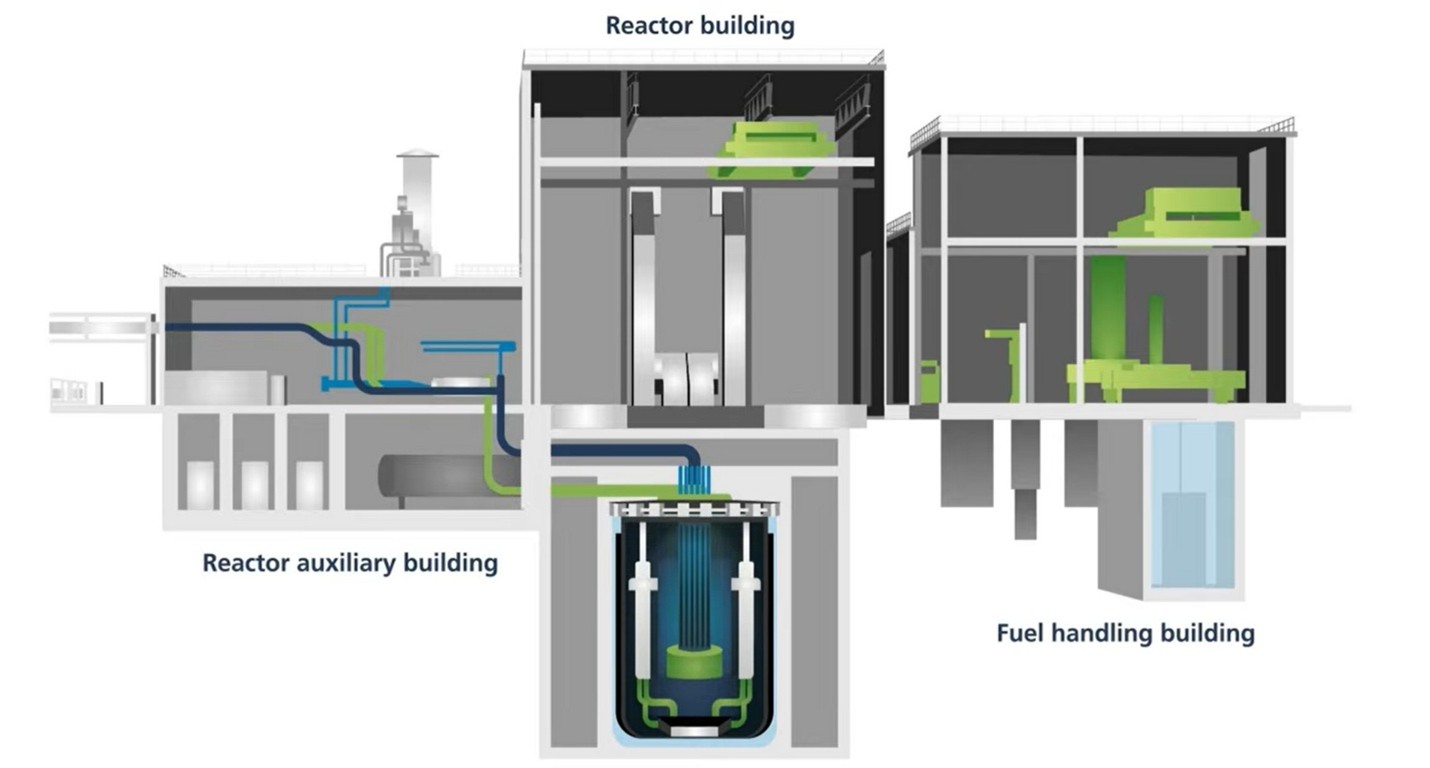
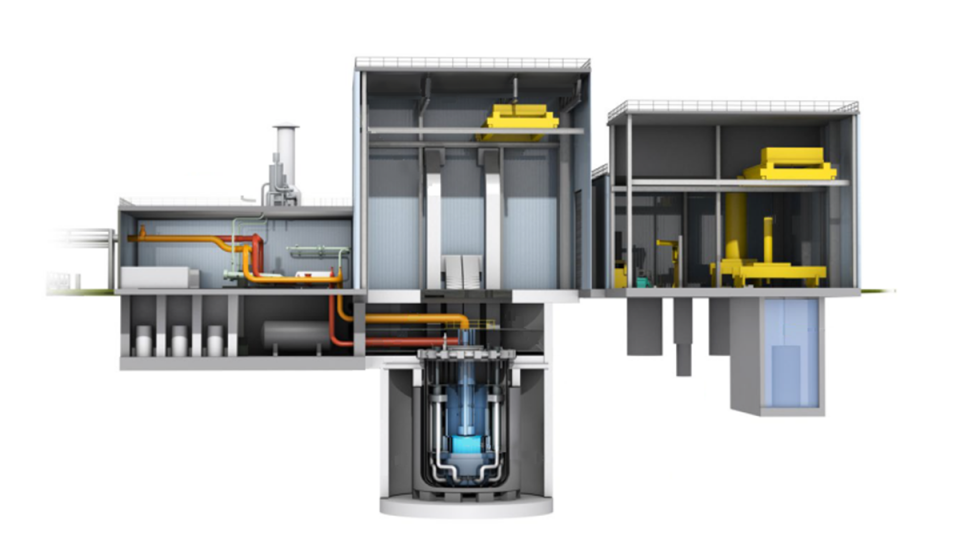
Background: The Natrium reactor is a 345-MW sodium fast reactor that is coupled with the company’s patented molten salt energy storage system. According to TerraPower, the storage technology can boost the system’s output to 500 MW of power when needed.
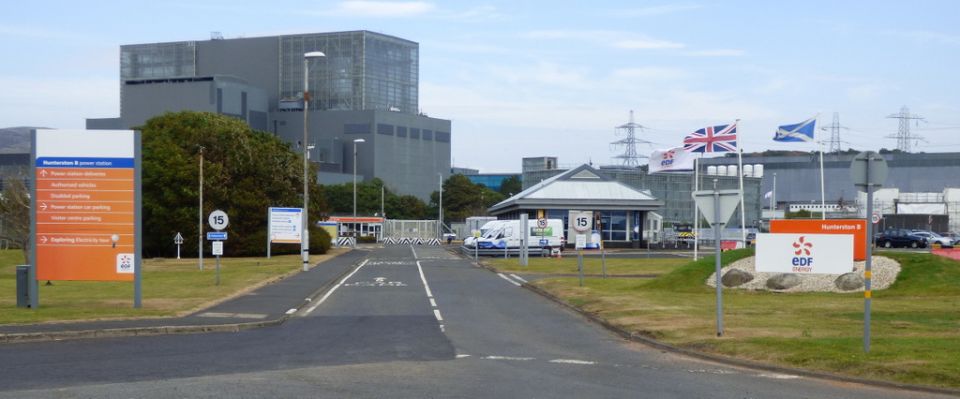
After its initial deployment in Kemmerer, TerraPower aims to deploy the Natrium reactor across the country. It is currently pursuing potential projects in Utah, Kansas, and even the United Kingdom, where it is currently engaged in a separate regulatory approval process.