Using nuclear science to combat food fraud
August 21, 2024, 7:00AMNuclear News
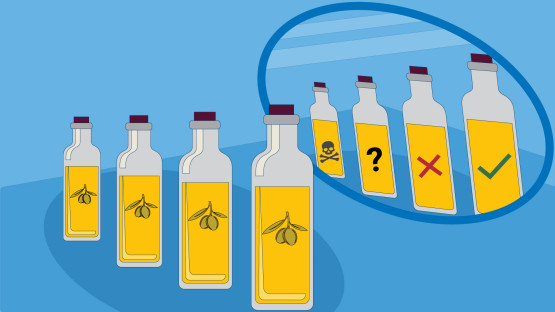
When consumers buy food, they cannot always detect food fraud. (Infographic: Mariia Platonova/IAEA)
The adulterating of food products for financial gain, either through dilution, substitution, mislabeling, or other action, has become a lucrative industry. And because food fraud is designed to avoid detection, gauging its financial impacts can be difficult. Experts estimate that food fraud affects 1 percent of the global food industry at a cost of about $10 billion to $15 billion a year, with some estimates putting the cost as high as $40 billion a year, according to the U.S. Food and Drug Administration.
To continue reading, log in or create a free account!