WIPP could run out of disposal space, GAO says

December 4, 2020, 9:29AMRadwaste Solutions
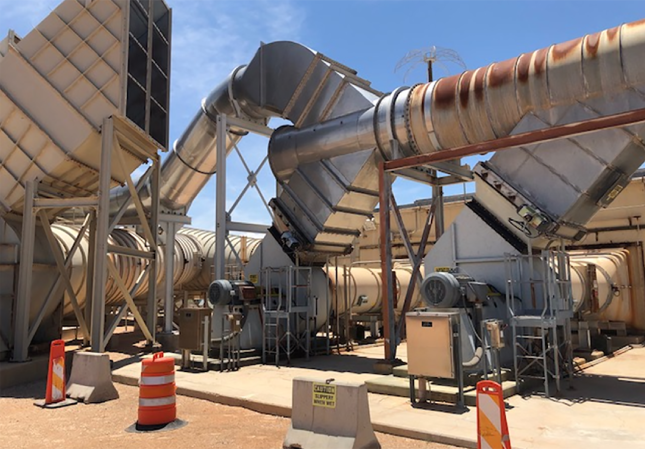
The aboveground portion of WIPP’s current ventilation system. Photo: GAO

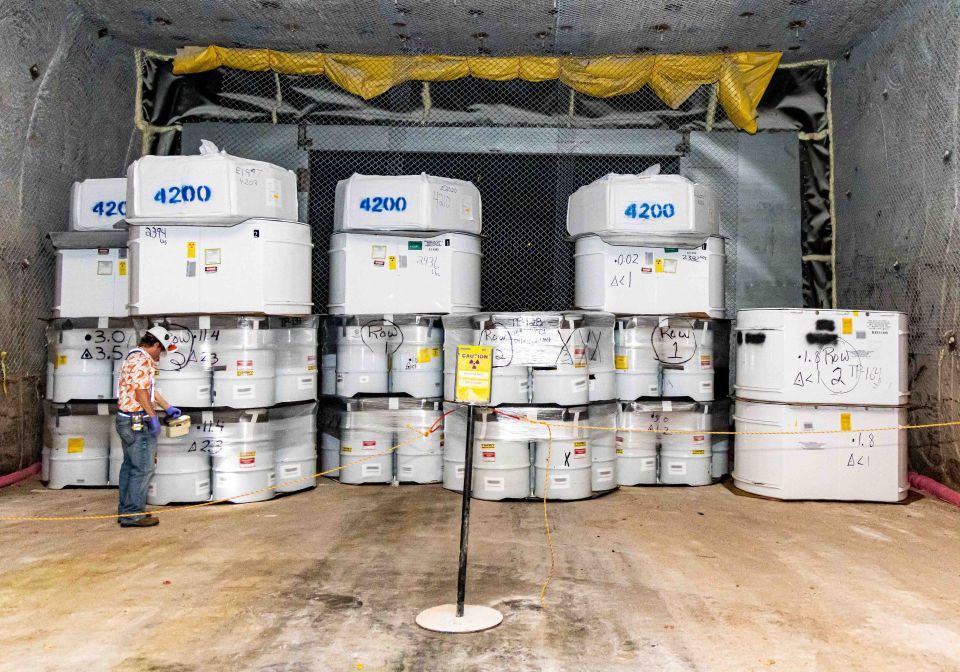
A study of the Department of Energy’s Waste Isolation Pilot Plant in New Mexico has found that the repository faces long-term issues with ensuring sufficient physical space and statutory capacity to dispose of the federal government’s inventory of transuranic (TRU) waste. WIPP is the United States’ only repository for the disposal of TRU waste generated by the DOE’s nuclear weapons research and production.

The Government Accountability Office study, Better Planning Needed to Avoid Potential Disruptions at Waste Isolation Pilot Plant (CAO-21-48), was published on November 19.

To continue reading, log in or create a free account!
Related Articles

On moving fast and breaking things

March 16, 2026, 9:33AMNuclear NewsCraig Piercy

So much of what is happening in federal nuclear policy these days seems driven by a common approach popularized in the technology sector. Silicon Valley calls it “move fast and break...

Webinar highlights Gen IV reactors

March 16, 2026, 7:31AMANS News

The American Nuclear Society recently hosted a new webinar in its ongoing Educator Training series titled “Perspectives on Generation IV Reactors.” It was led by Edward A. Friedman,...

Aalo Atomics discusses the road ahead

March 12, 2026, 1:13PMNuclear News

Yasir Arafat, president and chief technology officer of Aalo Atomics, participated in the first day of sessions at the Nuclear Regulatory Commission’s annual Regulatory Information...

Return of the HB Line at SRS

March 11, 2026, 5:02PMNuclear News

The Department of Energy is bringing the HB Line facility at the Savannah River Site back on line to recycle surplus plutonium and produce uranium-plutonium mixed oxide (MOX) fuel for advanced...

DOE releases 2025 NEUP and NSUF funding

March 6, 2026, 1:06PMNuclear News

On March 3, the Department of Energy announced the release of $52.8 million in funds through the Nuclear Energy University Program (NEUP) and the Nuclear Science User Facilities (NSUF)...