ICYMI: Nuclear developments around the nation this month
Updates from utility companies in Colorado and Arizona, nuclear legislation and discussions, and the potential Duane Arnold restart were among the news items in the month of June at the local and state levels.
Colorado: At a June 17 utilities board meeting, board members of Colorado Springs Utilities unanimously endorsed the Colorado utility’s updated recommendations to its Sustainable Energy Plan—a long-term plan that includes the exploration of nuclear energy. According to Colorado Springs Utilities, the updated plan—which must be filed by December 31 of this year—establishes a direction for the utility through 2045. This may include “evaluating a range of phased portfolios, which include a combination of renewable energy, battery energy storage, market purchases, and dispatchable resources such as natural gas and nuclear energy,” the utility explains on its Sustainable Energy Plan webpage.
“Nuclear is becoming a more viable option for us than it was in the past, due to bipartisan support, technology advancements, and safety improvements,” the Sustainable Energy Plan page continues. “Once the direction to pursue nuclear is approved by the Utilities Board, we would next move into a planning phase. This phase involves determining what type of contract method and ownership model we want to use.”
Colorado Springs Utilities CEO Travas Deal also spoke about nuclear power during his annual State of the Utilities address on June 24. “It's something we have to look at . . . . Still got a lot of legwork to do,” he said.
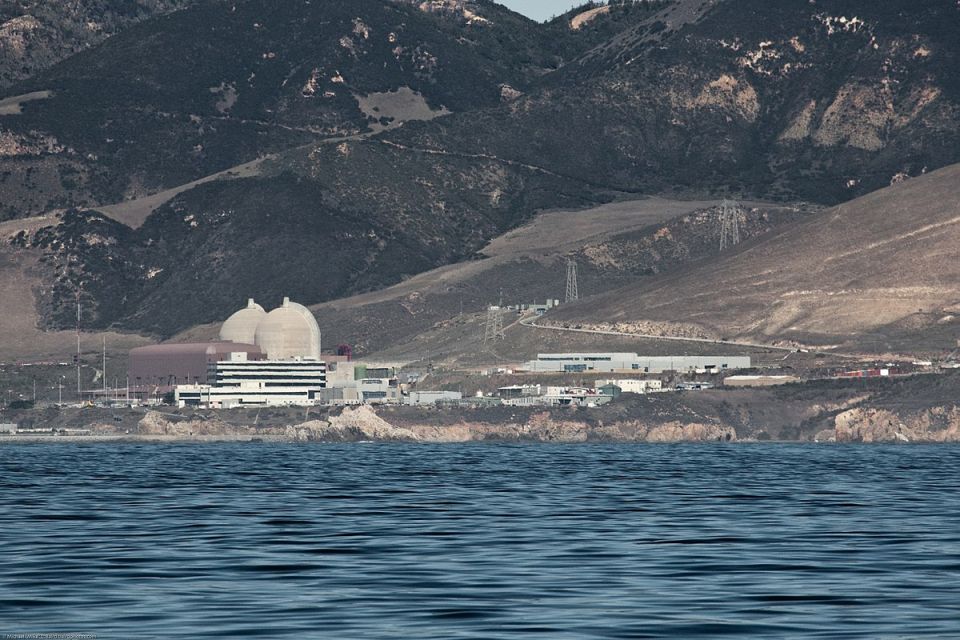
Arizona: Arizona Public Service, Salt River Project, and Tucson Electric Power—Arizona's three largest utilities—have begun work on a preliminary siting study to identify potential sites for a nuclear power plant, the three utilities announced on June 24. Arizona has only one nuclear power plant: Palo Verde, with three reactors and a combined capacity of about 4,000 MWe.
The study is expected to be completed within six months, according to APS. It will include community outreach, with plans to hold community meetings later this year near potential sites.
“Once the study is complete, the energy providers will evaluate technical, financial, and other factors before determining if they will develop an early site permit (ESP) application,” APS continued. “If an ESP application is pursued, the companies would then decide whether to submit the application to the U.S. Nuclear Regulatory Commission for approval.”
The announcement came just after the Department of Energy rejected the three utility companies’ joint application for a $25 million grant for ESP application costs, which was also mentioned in APS’s June 24 announcement.
New Jersey: The Power NJ Act edged closer to reality on June 23 as the New Jersey Legislature's Assembly Appropriations Committee moved the bill forward. If approved, the legislation would direct the state’s Board of Public Utilities, in collaboration with the state’s Economic Development Authority, to establish an advanced nuclear energy facilities procurement program.
The bill would grant the Board of Public Utilities a number of responsibilities, including issuing a request for interest and reviewing any requests, granting provisional qualification status to any projects that sufficiently meet requirements, negotiating and entering into agreements, and establishing a reliable capacity certificate program to provide revenue for qualified projects.
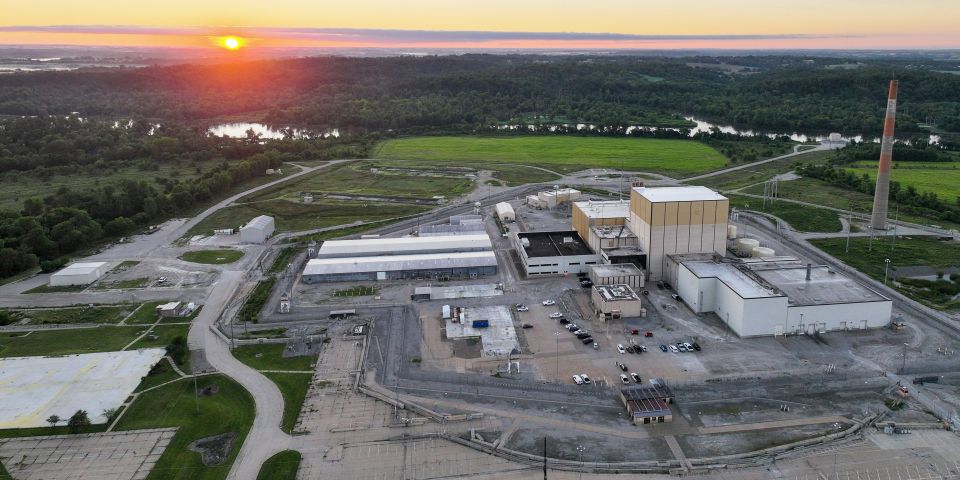
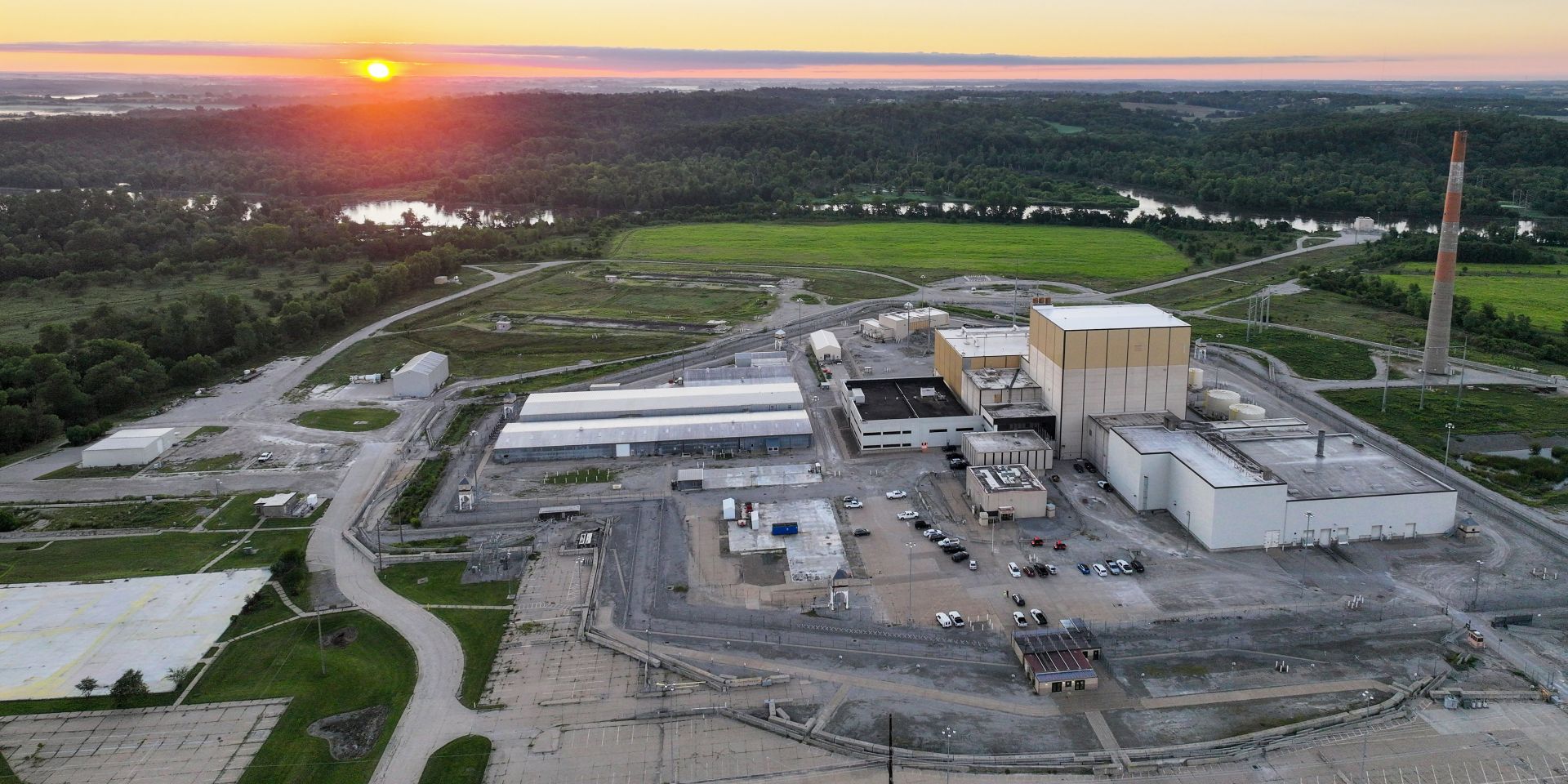
Iowa: Efforts to restart Duane Arnold in Iowa cleared another hurdle when the state’s Utilities Commission approved plant operator NextEra Energy’s application for a certificate of public convenience, use, and necessity. The generating certificate authorizes the “construction, operation, and maintenance” of the power plant, according to the June 18 final order.
The certificate is limited to the 615-MWe Duane Arnold, and any alteration to the terms in the final order would require an amendment, according to the order. Furthermore, NextEra must update the commission on its progress toward attaining certain items like a generator interconnection agreement and progressing through the Nuclear Regulatory Commission licensing process.
North Dakota: Though the state is not currently home to any nuclear power plants, lawmakers in North Dakota last year launched an interim advanced nuclear energy committee to study the feasibility, siting, and deployment of new nuclear power projects. The interim committee—which includes elected members of the state legislature and citizen members—met on June 16 to discuss several items.
Nucleon Energy, the firm hired to study the feasibility of nuclear power in North Dakota, presented at the June committee meeting multiple times, according to the agenda. Multiple news outlets reported Nucleon’s finding that the state’s ban on storing high-level radioactive waste could deter potential nuclear facility construction. The firm recommended adding an exception to the ban to allow for temporary on-site storage.