
Not Every Obsolete Component Requires a System Modification
In nuclear facilities, obsolescence is inevitable. What varies is how organizations respond.

System modifications are often treated as the default solution. But in many cases, the problem can be addressed more directly, avoiding unnecessary engineering effort, extended timelines, and significant cost.
As personnel turn over, systems continue to age, and the transition from analog to digital progresses, institutional knowledge and accessing the right solutions become vital. When critical components are no longer supported by the original equipment manufacturer (OEM), utilities are often faced with a difficult choice: initiate a costly plant modification or find a way to keep existing systems operating reliably.
In many cases, the modification path can require significant engineering effort, procurement timelines, and maintenance work, adding months or even years to project schedules and millions of dollars in cost.
Many of these challenges can be solved long before a modification becomes necessary.
By leveraging deep industry expertise, legacy inventory, reverse engineering, and qualified repair and testing services, Park Nuclear works with utilities to extend the life of existing systems while maintaining plant reliability and safety.
Mechanical Obsolescence Solutions
Cuno Filtration Systems – Protecting Critical Plant Equipment
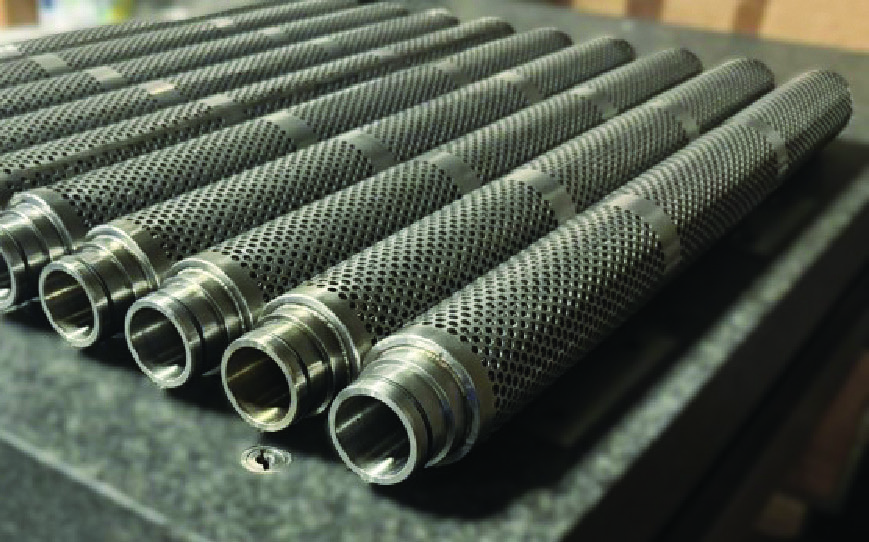 Cuno filtration systems play a critical role in protecting some of the most important mechanical equipment in a nuclear facility. When reliability is non-negotiable, filtration is not a secondary function. It is a front line defense that protects the integrity of the entire process.
Many of these filtration systems have been in service for decades. Utilities face limited options: sourcing, inconsistent surplus supply, and evaluation of full system replacements.
In many cases, these risks can be addressed through drop-in, component-level solutions. These solutions have been developed using reverse engineering, testing, and application knowledge of legacy systems. These solutions preserve existing system configurations, ensure consistent filtration performance, and support continued equipment protection and plant reliability.
| Park Part Number | Replaces OEM Part | Filtration Rating |
|---|---|---|
| P-52440-01 | 52440-01 | 20 micron |
| P-52440-02 | 52440-02 | 5 micron |
| P-52440-03 | 52440-03 | 15 micron |
These drop-in replacements are designed to integrate into existing systems without requiring modification, allowing plants to maintain continuity of operation while addressing obsolescence challenges.
Electrical Obsolescence Solutions
Foxboro SPEC 200 – Electrical Control System Components
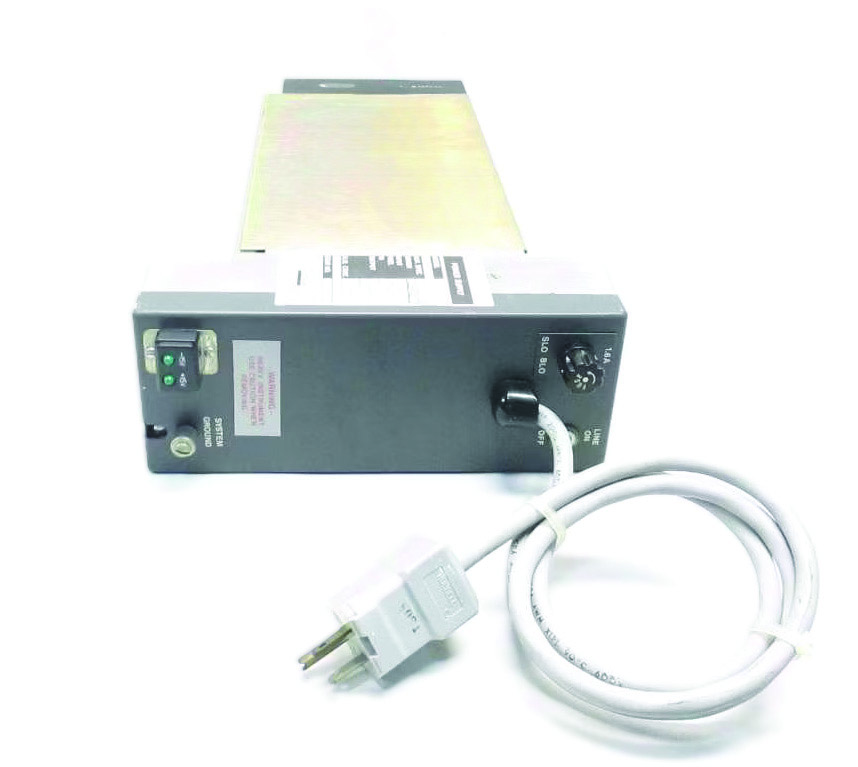 The Foxboro SPEC 200 system supports the transmission and conditioning of signals between field instrumentation and control systems, ensuring operators have accurate, reliable data to make decisions. When electrical components within these systems begin to fail or become obsolete, the impact is immediate. Signal degradation, unreliable data, or loss of functionality can directly affect system performance and operator confidence.
Many SPEC 200 components are no longer supported by the original manufacturer, making it increasingly difficult to source reliable replacements.
Park Nuclear works with utilities to address these challenges at the component level, providing sourcing, maintaining the largest inventory of original equipment, refurbishment, and engineered replacement solutions for obsolete SPEC 200 components.
| Park Part Number | Replaces OEM Part | Filtration Rating |
|---|---|---|
| P-2AX+PS9A | 2AX+PS9A | Power Supply |
| P-N-2AX+PS9A | N-2AX+PS9A | Power Supply |
Park supports a wide range of SPEC 200 components across electrical control systems. Representative component-level solutions are outlined above.
I&C Obsolescence Solutions
Micro-DCI Controllers – Maintaining Control System Stability
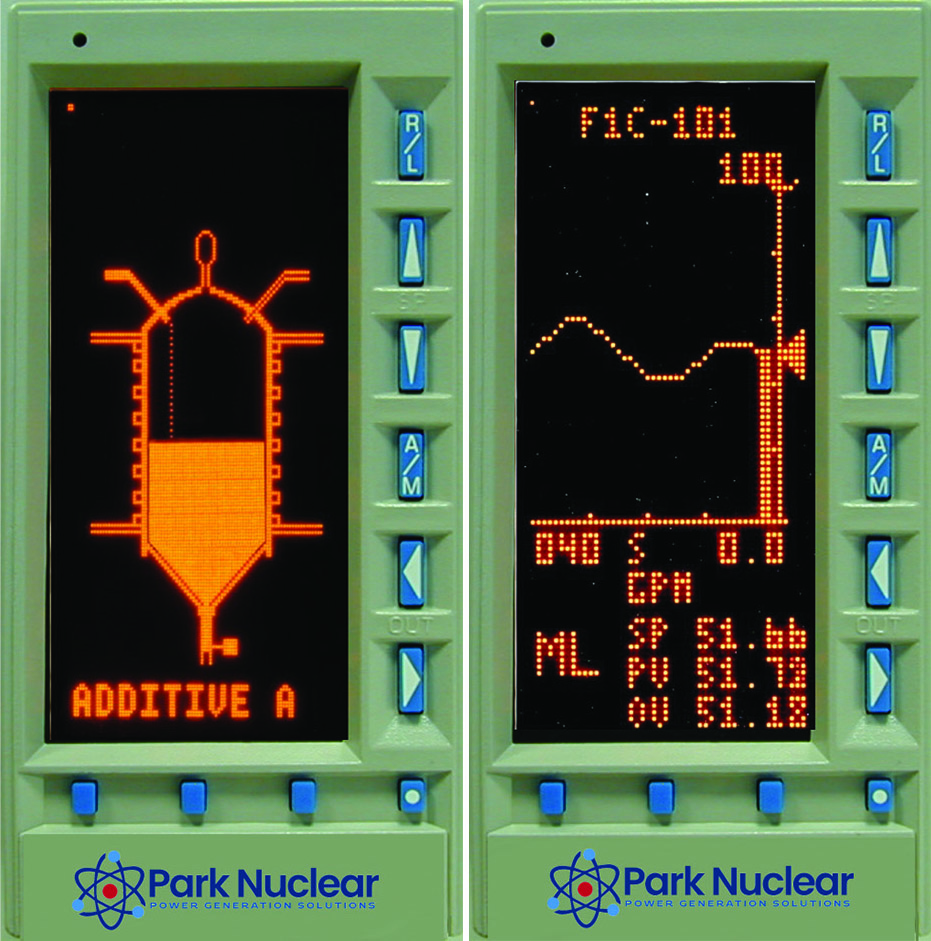 In control systems, stability is not optional. It is foundational to plant operation. Loss of control stability can introduce immediate operational and safety concerns.
Micro-DCI controllers regulate critical process variables such as temperature, pressure, flow, and level across nuclear plant systems. These multi-loop controllers are responsible for maintaining stable conditions and ensuring systems respond predictably in real time.
When a controller is no longer available, utilities are often faced with a difficult decision: initiate a control system upgrade or find a way to maintain the existing platform. These decisions can introduce significant engineering effort, validation requirements, and operational risk.
Park Nuclear supports utilities by providing component-level solutions for Micro-DCI systems, including replacement units, refurbishment, and sourcing of legacy components.
Understand the Full Scope of the Problem Before Expanding the Solution
As plants extend operating lifetimes and legacy systems continue to age, obsolescence challenges will become more frequent and more complex.
Not every situation requires a system-level response. In many cases, it should not be the first response.
But identifying the right path requires a clear understanding of the problem, the available options, and the risks associated with each.
Park Nuclear works with utilities to evaluate these decisions early, helping teams determine whether a component-level solution can restore functionality while avoiding unnecessary modification.