A year in orbit: ISS deployment tests radiation detectors for future space missions
April 16, 2026, 10:52AMNuclear News
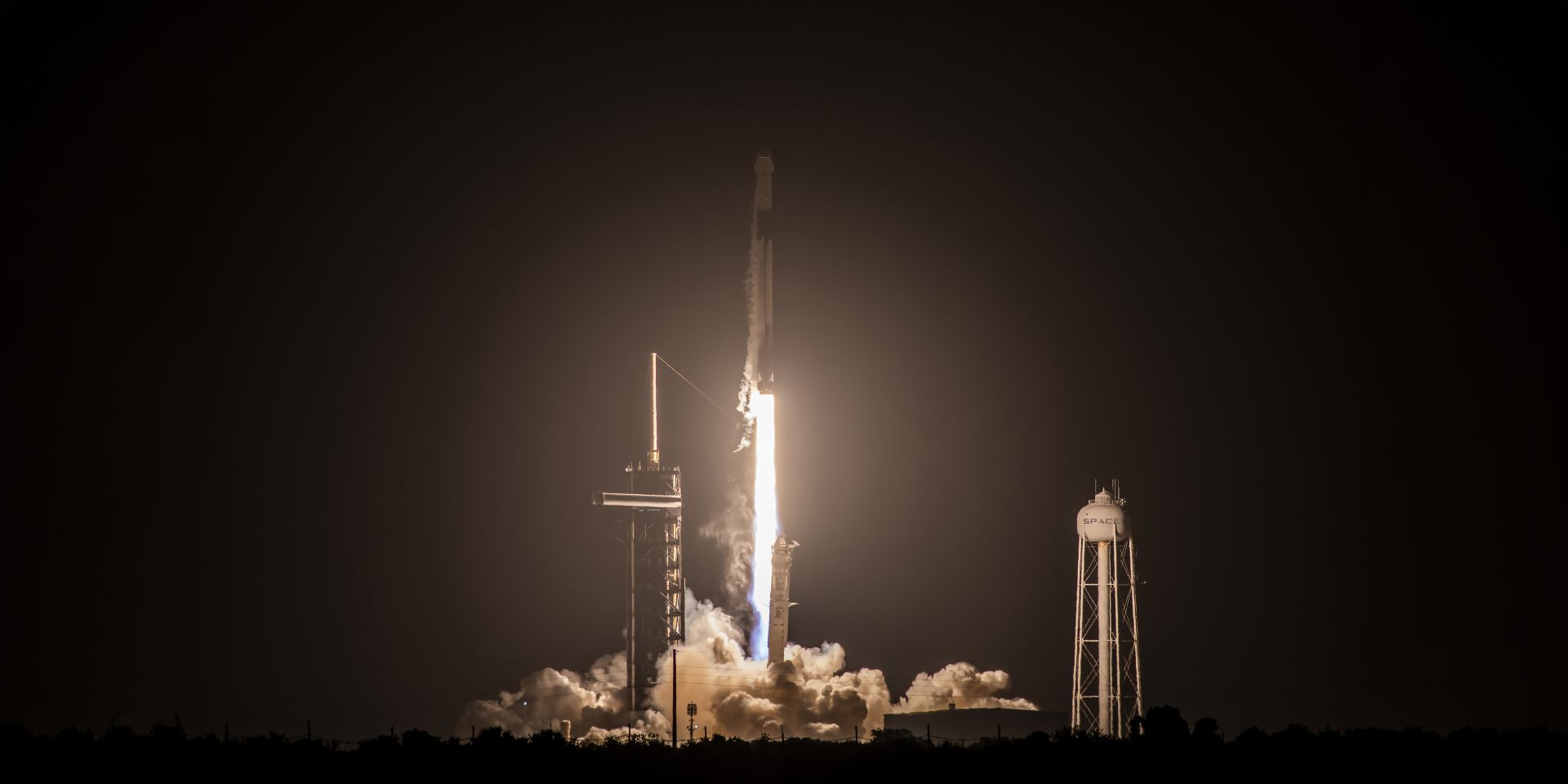
The SpaceX Falcon 9 rocket carrying the Dragon spacecraft lifted off from Launch Complex 39A at NASA’s Kennedy Space Center in Florida on Monday, April 21, 2025, to the ISS. Dragon delivered a variety of science experiments, including novel radiation detection instrumentation. (Photo: NASA)
The predawn darkness on a cool Florida night was shattered by the ignition of nine Merlin engines on a SpaceX Falcon 9 rocket. The thrust of the engines shook the ground miles away. From a distance, the rocket appeared to slowly rise above the horizon. For the cargo onboard, the launch was anything but gentle, as the ignition of liquid oxygen generated more than 1.5 million pounds of force. After the rocket had been out of sight for several minutes, the booster dramatically returned to Earth with several sonic booms in a captivating show of engineering designed to make space travel less expensive and more sustainable.
To continue reading, log in or create a free account!