-3 2x1.jpg)
ANS, UCOR sign MOU for workforce development program
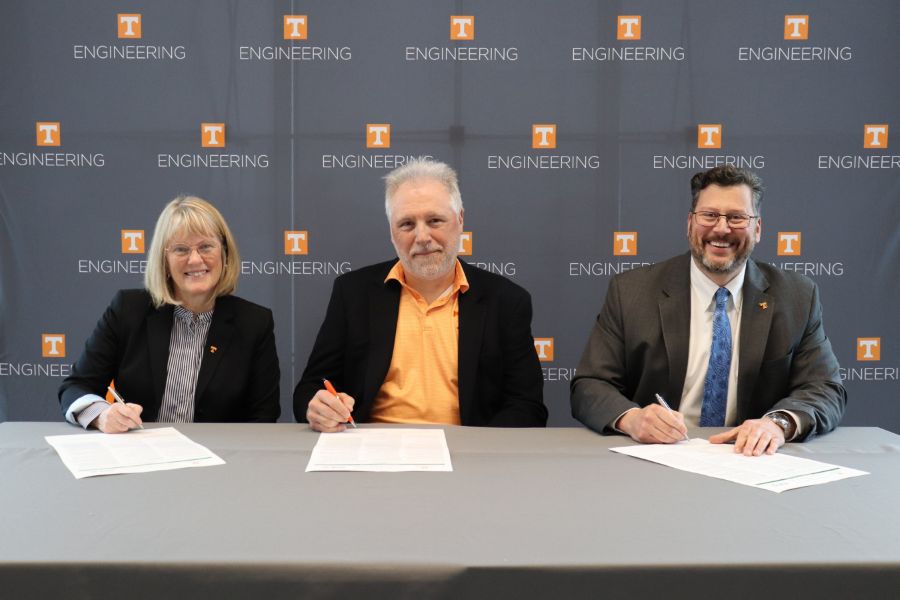
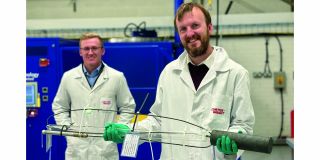
The American Nuclear Society and United Cleanup Oak Ridge have signed a memorandum of understanding that establishes a framework for collaboration to advance ANS workforce training and certification programs serving the nuclear industry.
According to the document, UCOR will provide “operational insights and subject matter expertise to inform ANS’s professional development and credentialing offerings, including the Certified Nuclear Professional [CNP] program.” The collaboration will strengthen UCOR’s workforce development efforts while advancing ANS’s mission to sustain and expand the national nuclear workforce pipeline and capabilities.
“The American Nuclear Society and UCOR are aligned in building a strong, sustainable pipeline of highly skilled nuclear workers at the Oak Ridge Reservation and across the country,” said ANS Executive Director/CEO Craig Piercy. “This MOU pairs UCOR’s environmental management mission experience with ANS’s training and certification programs, including the Certified Nuclear Professional credential, to strengthen workforce readiness across the nuclear enterprise.”
As stated in the MOU, both parties will collaborate on the following:
- Development of training modules and related materials aligned with the CNP exam specification and ANS professional development portfolio.
- Participation of UCOR subject matter experts in ANS conferences, workshops, or advisory committees that support workforce development.
- Assessment of how to incorporate any developed materials into ANS’s CNP program and continuing education portfolio.
- Quality assurance of training content through a joint UCOR-ANS review process prior to publication or distribution.
- Exploration of opportunities for UCOR subject matter experts to support ANS’s efforts to achieve and maintain accreditation of the CNP credential (for example, through participation in practice analyses, exam content validation, or standards alignment activities).
Vajda
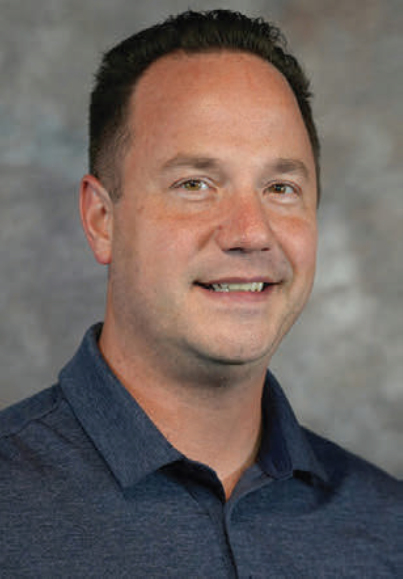
One of the subject matter experts who will support ANS directly under the auspices of the MOU is Joshua Vajda. Nuclear News spoke with Vajda about his background and his goals for the professional development program.
Vajda has more than 20 years of experience across the nuclear enterprise, spanning commercial operations, reactor design, regulatory compliance, and environmental remediation.
He began his career in radiological protection supporting the U.S. Naval Propulsion Program before earning a master’s degree in nuclear engineering and obtaining his Nuclear Professional Engineer (PE) license.
He later served as a reactor engineer at Hope Creek nuclear power plant and supported small modular reactor development at Babcock & Wilcox.
In 2014, following operational events at the Department of Energy’s Waste Isolation Pilot Plant, Vajda transitioned into environmental and regulatory work, joining the site as a consulting engineer during its recovery and restart efforts. He later held regulatory leadership roles supporting waste acceptance and nonproliferation initiatives.
At UCOR, he serves as chief engineer, providing sitewide technical leadership and design authority across nuclear operations, decommissioning, waste processing, and critical infrastructure projects.
There, he has worked closely with many field personnel who possess deep practical expertise but lack four-year degrees, which limits their access to many existing professional credentials. Most nuclear certifications require traditional academic pathways, leaving a substantial portion of the workforce without a nationally recognized mechanism for advancement. “We have an incredibly capable workforce in this industry,” Vajda said. “But too often, there hasn’t been a nationally recognized credential that validates experience-based expertise. The CNP was designed to help close that gap.”
Looking ahead, Vajda emphasized that quality and credibility will remain central to the program’s growth.
“If we’re going to ask the industry to value this credential, it has to be rigorous,” he said. “It must reflect real knowledge, real experience, and real standards.”
He will work to ensure the continued rigor and credibility of the CNP, as well as other programs like Nuclear 101 , the Nuclear Licensing & Regulation Certificate Course, the Radioactive Waste Management Course, and future offerings focused on nuclear safety culture.