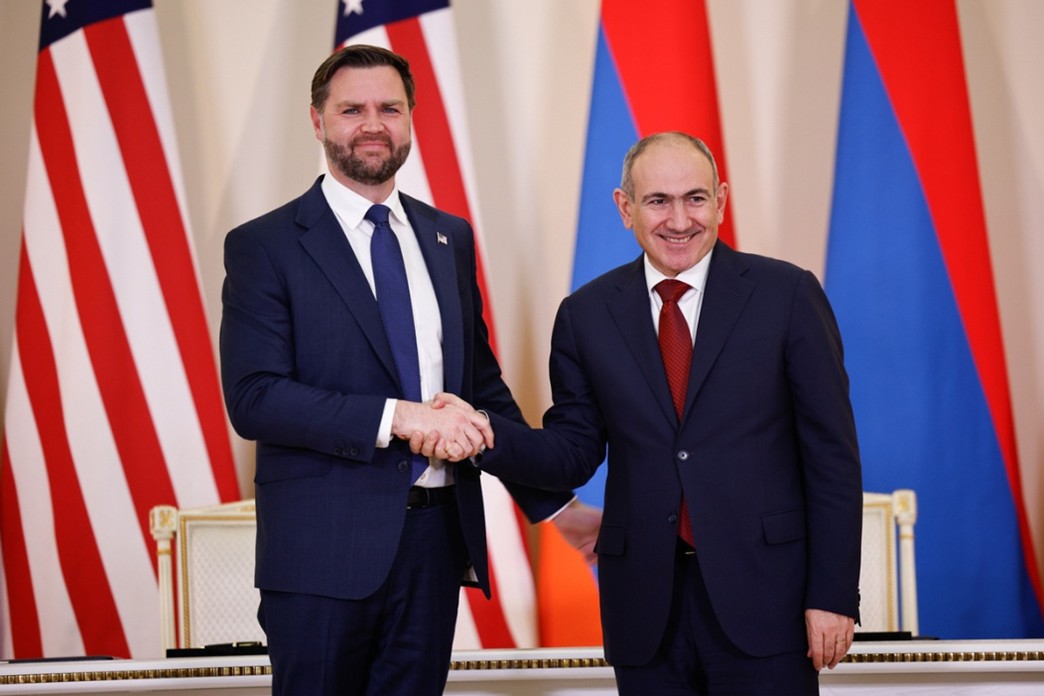
Prime Minister Pashinyan said, “This agreement will open a new chapter in the deepening energy partnership between Armenia and the United States.”
“Peace is made by people who are focused on the future,” Vance said at the signing. “We are not just making peace for Armenia, we are also creating real prosperity for Armenia and the United States together.”
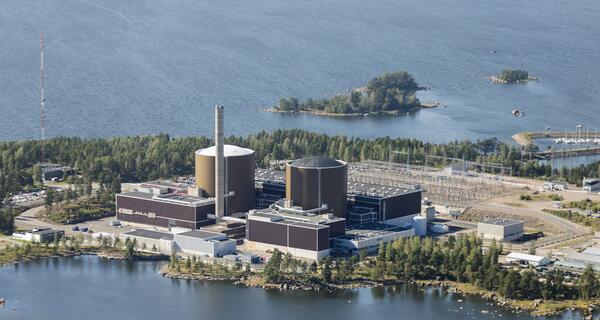
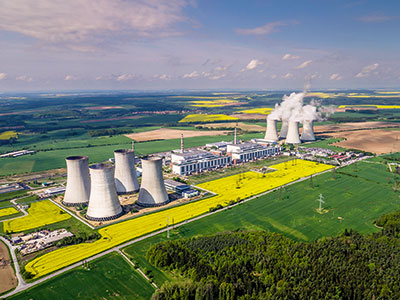
Civil nuclear cooperation: The signing of the 123 Agreement comes as the Armenian government is reviewing proposals from several companies, including those from the United States, Russia, China, France, and South Korea, to construct a new nuclear reactor to replace its only remaining reactor, a 416-MWe Russian-built VVER-440 at Metsamor, which was first connected to the grid in 1980.
In 2022, Armenia and the U.S. first signed a memorandum of understanding on strategic civil nuclear cooperation. In March 2023, the Armenian government approved a 10-year operating lifetime extension for Metsamor-2, noting that implemented upgrades could extend its operating lifetime to 2036.
The government has been negotiating with other countries since the early 2020s on building a new reactor, and in January 2024, Armenian officials stated that they plan to build a new nuclear power plant within eight to ten years, with technology from Russia, the United States, and South Korea under consideration. The government subsequently established a closed joint-stock company to develop proposals for a new nuclear power plant and has been evaluating various options. Modular reactors are among the options being considered, with a possible final decision on the selected reactor model coming in 2026 or 2027.
Diversifying partners: Days before Vance’s visit, Rosatom CEO Alexey Likhachev met with Alen Simoyan, the speaker of Armenia’s National Assembly, to discuss progress regarding the project to extend the operating life of Metsamor and the construction of new nuclear reactors in Armenia, with Rosatom offering “comprehensive cooperation,” according to Reuters.
Armenian political scientist Narek Sukiasyan is quoted by Reuters as stating, “Considering Armenia’s multiplicity of dependencies on Russia, it is a political priority to diversify partners when it comes to nuclear cooperation. The United States seems to be the preference now.”

-3 2x1.jpg)