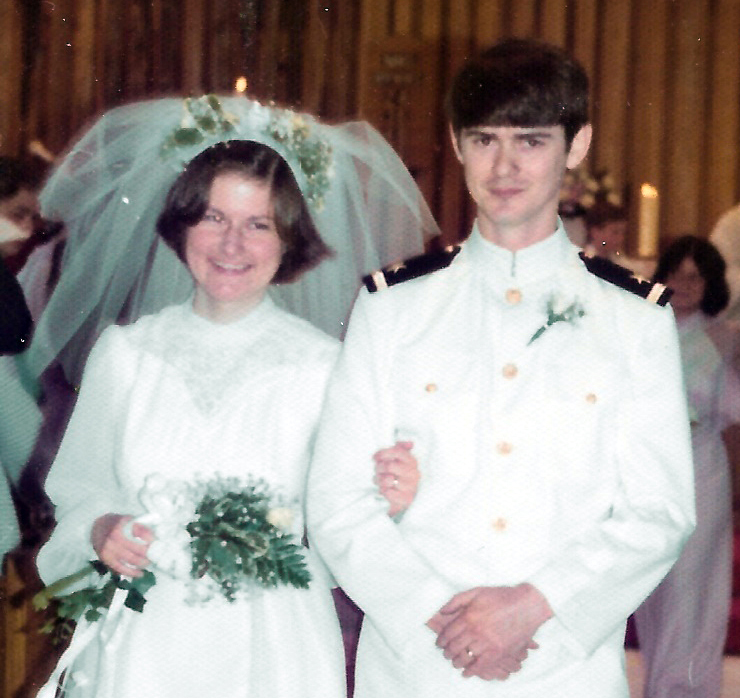
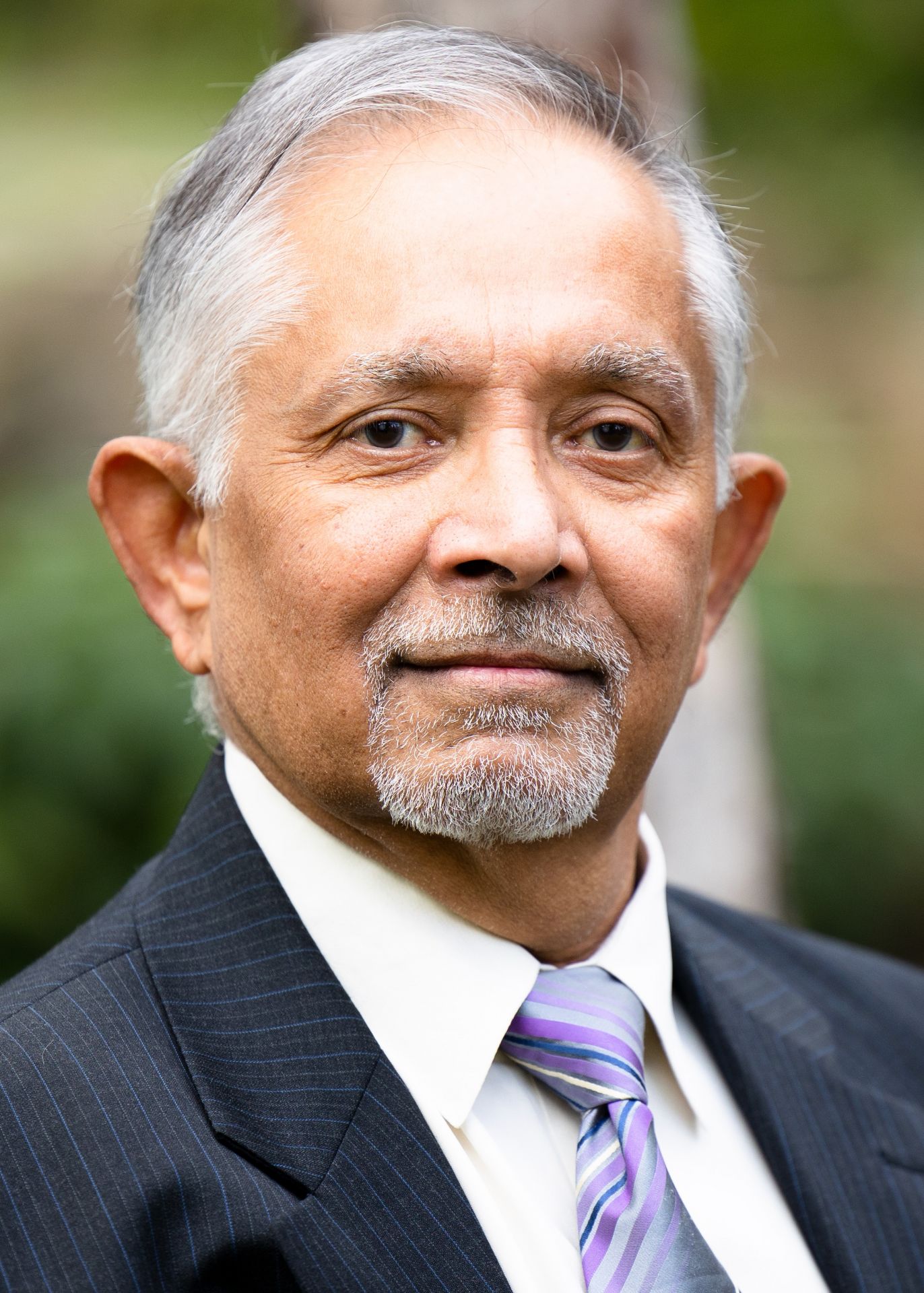
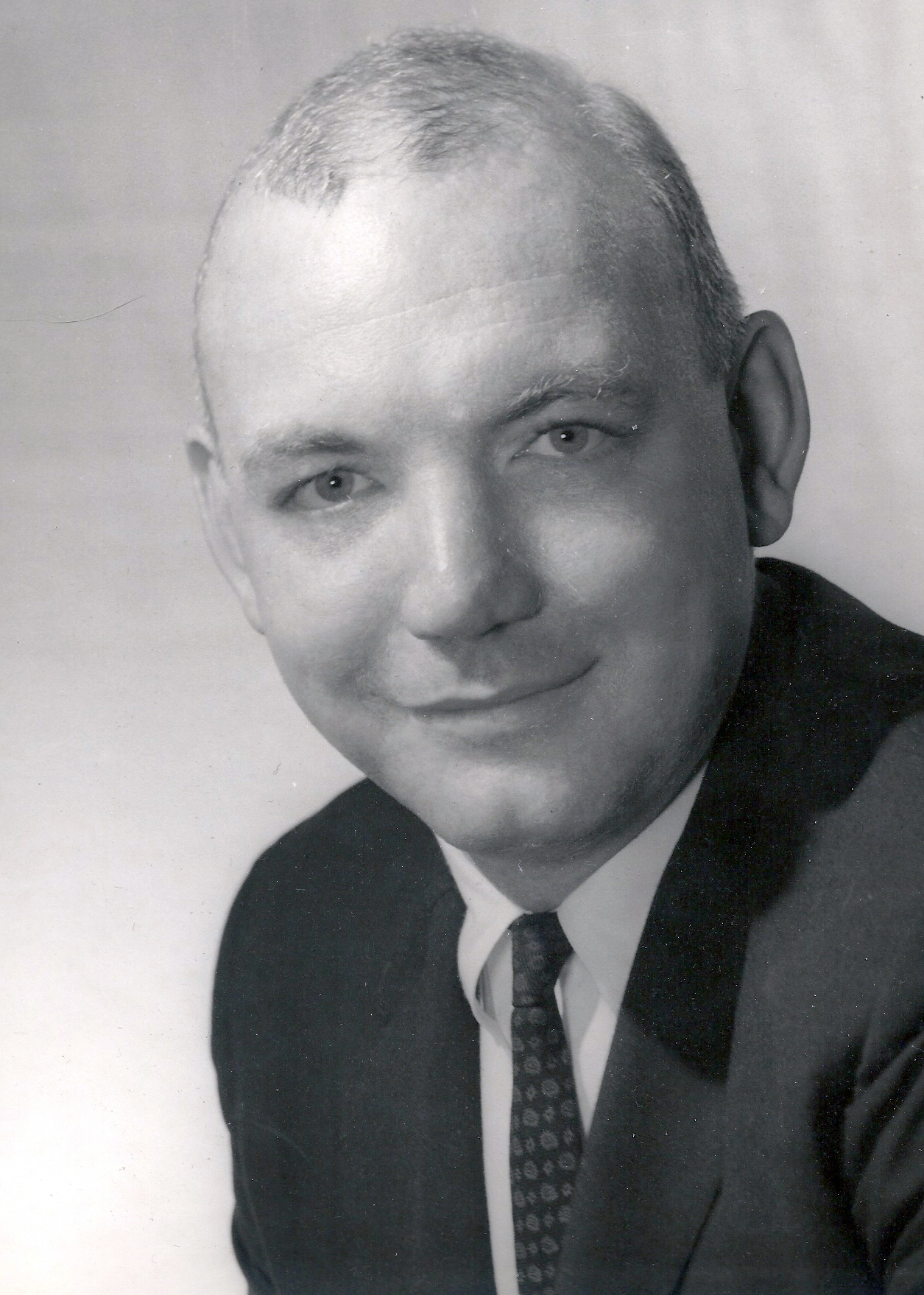
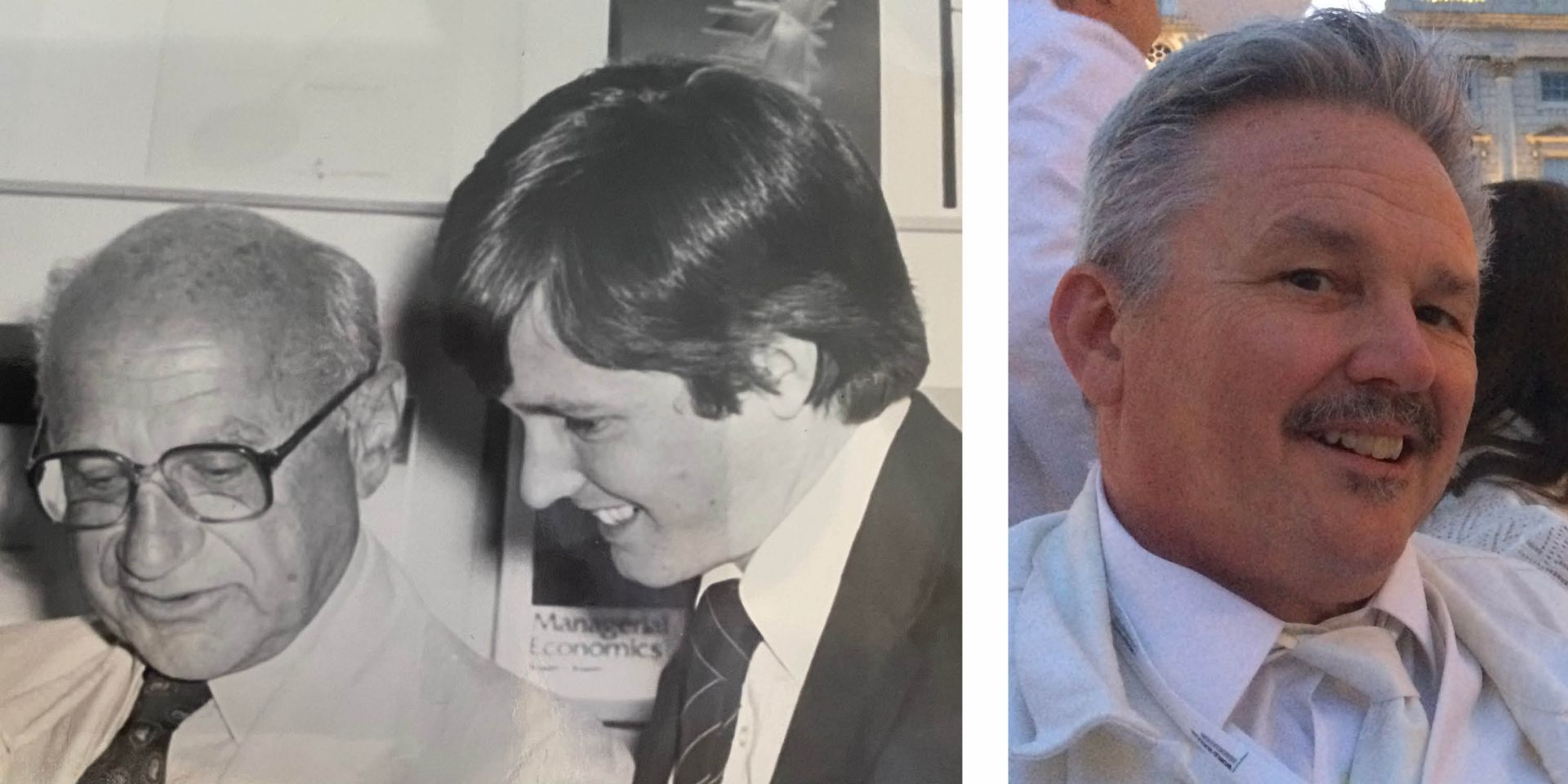
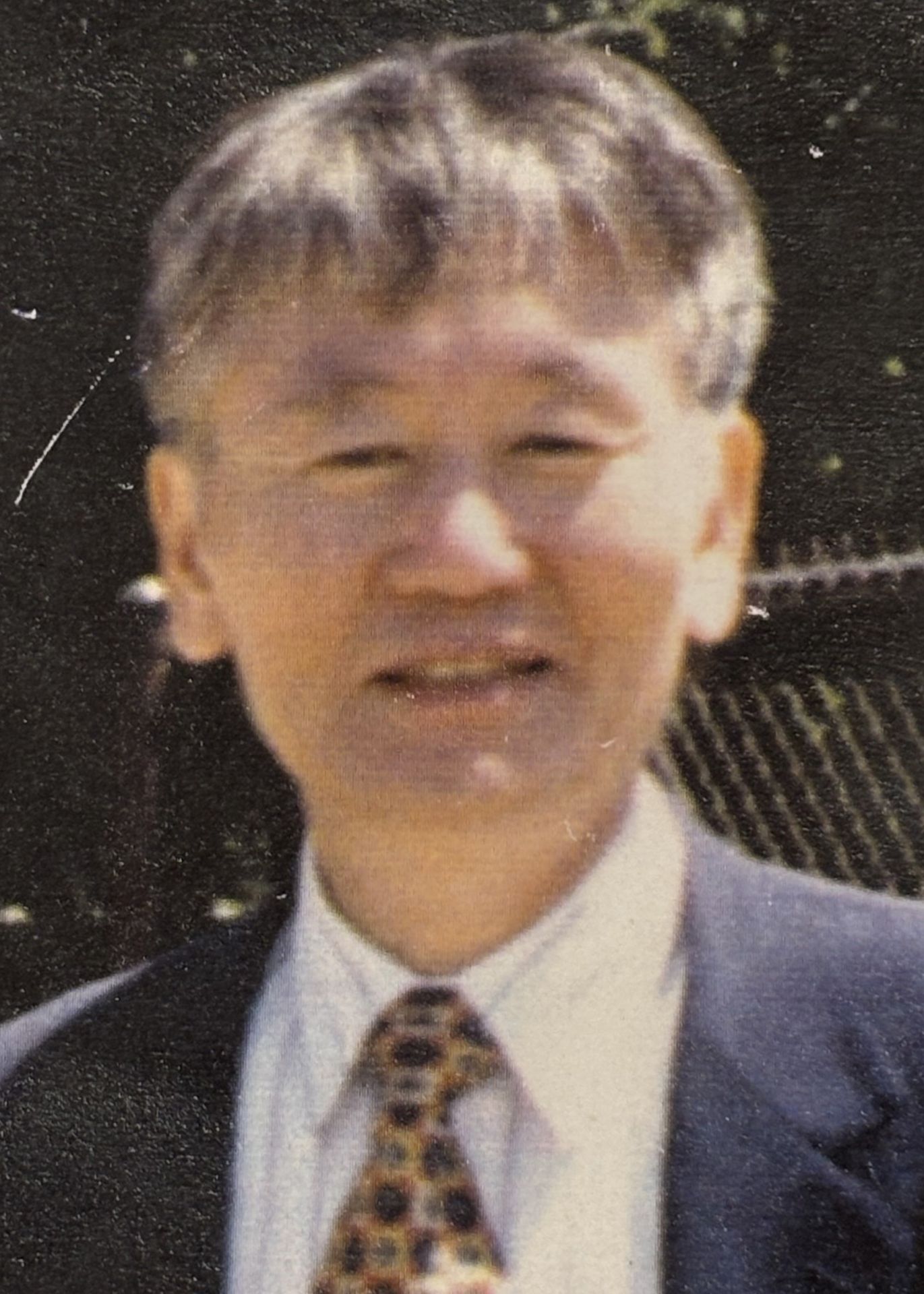
July 31, 2025, 12:06PMANS NewsGeoffrey Rothwell Left: noted economist Milton Friedman (left) presented the “best graduate
student paper” prize from the Western Economics Association to Rothwell in 1984. Right: Rothwell in 2018, the year of his retirement.
When I was 10, in October 1963, my family moved to Richland, Wash., so that my father could work for Vitro-Hanford Engineering Services, later for Bechtel, on the design of the Fast Flux Test Facility. I was a “new” kid throughout my excellent education in the Richland School District. It was the mid-1960s, and I wanted to be a rocket scientist or aerospace engineer. I took all the math and science that Richland High School (RHS) had to offer. What struck me during our tour of Hanford’s N-reactor with my physics class was the loudness of the steam turbine room compared to the hydro turbine rooms in the dams along the Columbia River. I am now establishing a residence on Columbia Point Drive in Richland.
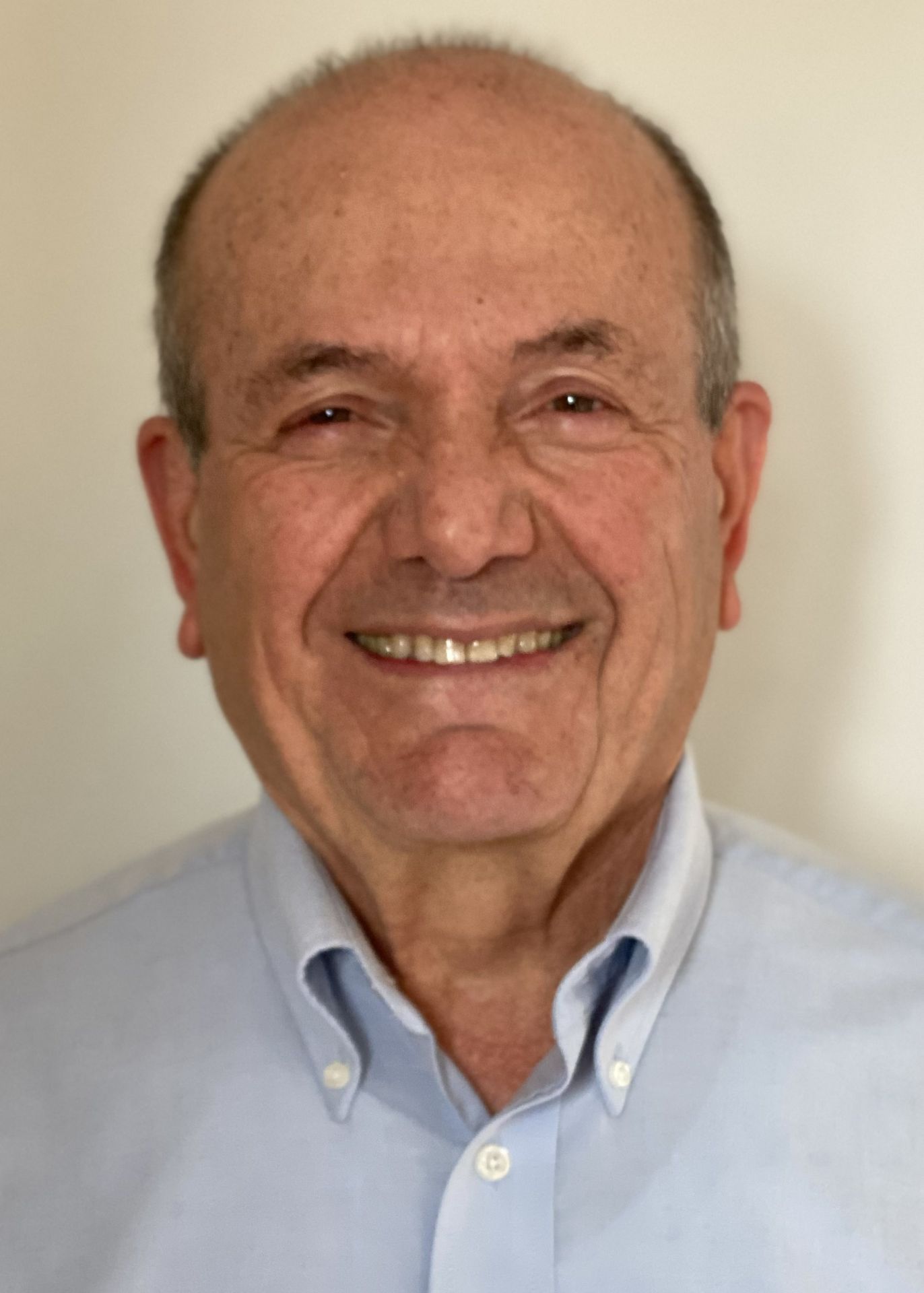
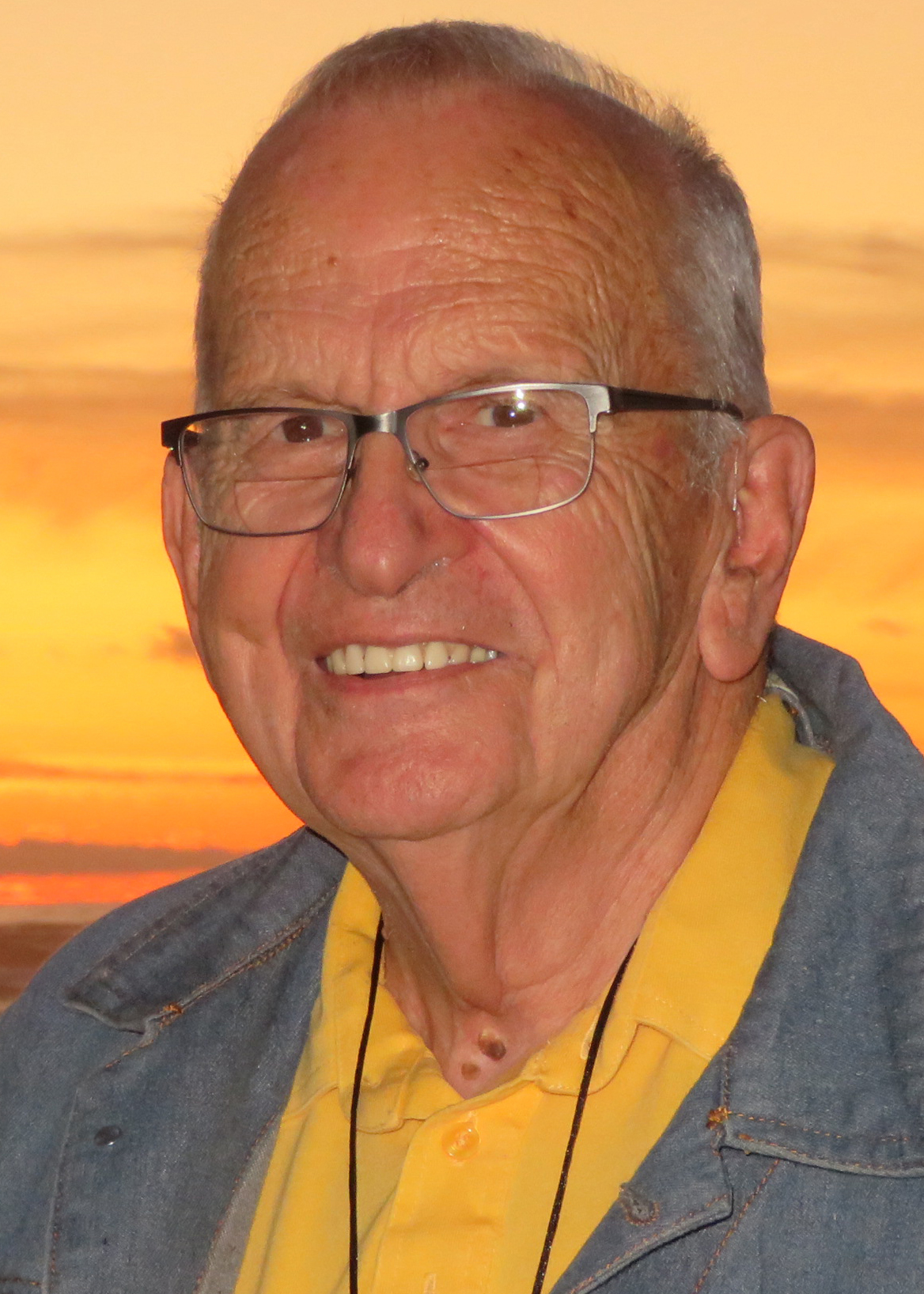
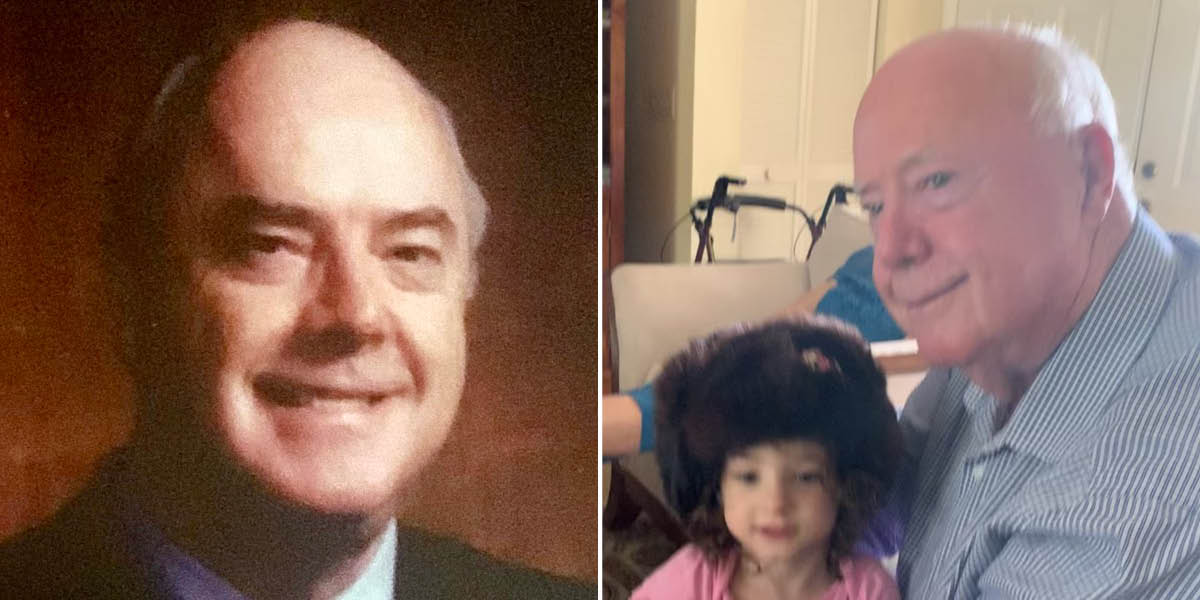
February 26, 2025, 9:30AMUpdated February 26, 2025, 9:30AMNuclear NewsEd Warman Ed Warman in 1990 (left), when he was named an ANS Fellow, and in 2019 (right) with a great-granddaughter, who is wearing a Soviet hat that was bought from a Russian soldier the day before the Red Army evacuated Prague in 1991.
We welcome ANS members with long careers in the community to submit their own stories so that the personal history of nuclear power can be capured. For information on submitting your stories, contact nucnews@ans.org.
When I graduated from Scranton University in 1956 with a B.S. in physics, I was in awe of the nuclear era and determined to be part of a nuclear future. Fortunately, I landed a position with Pratt & Whitney Aircraft as part of the Aircraft Nuclear Propulsion program. The position included a one-year assignment as a visiting staff member at Oak Ridge National Laboratory.
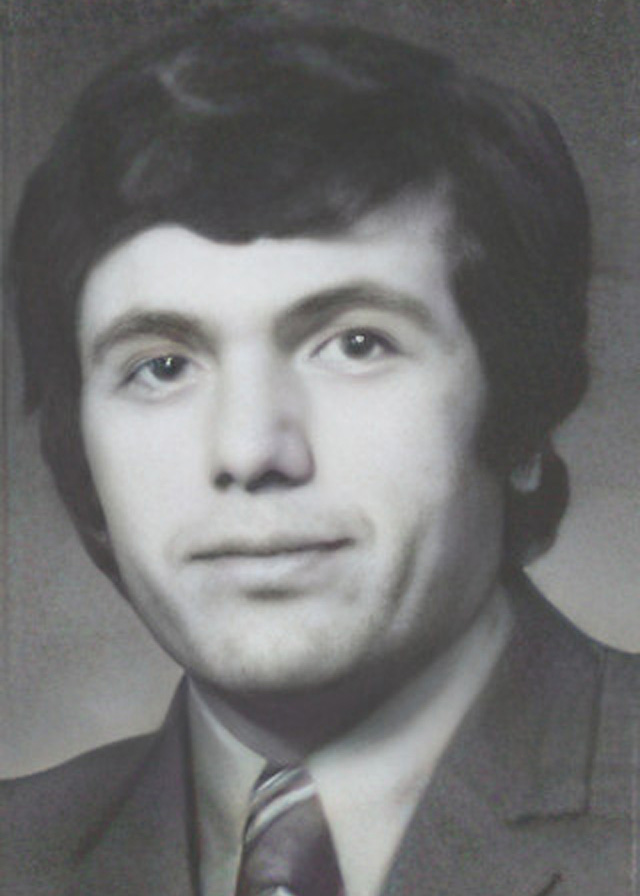
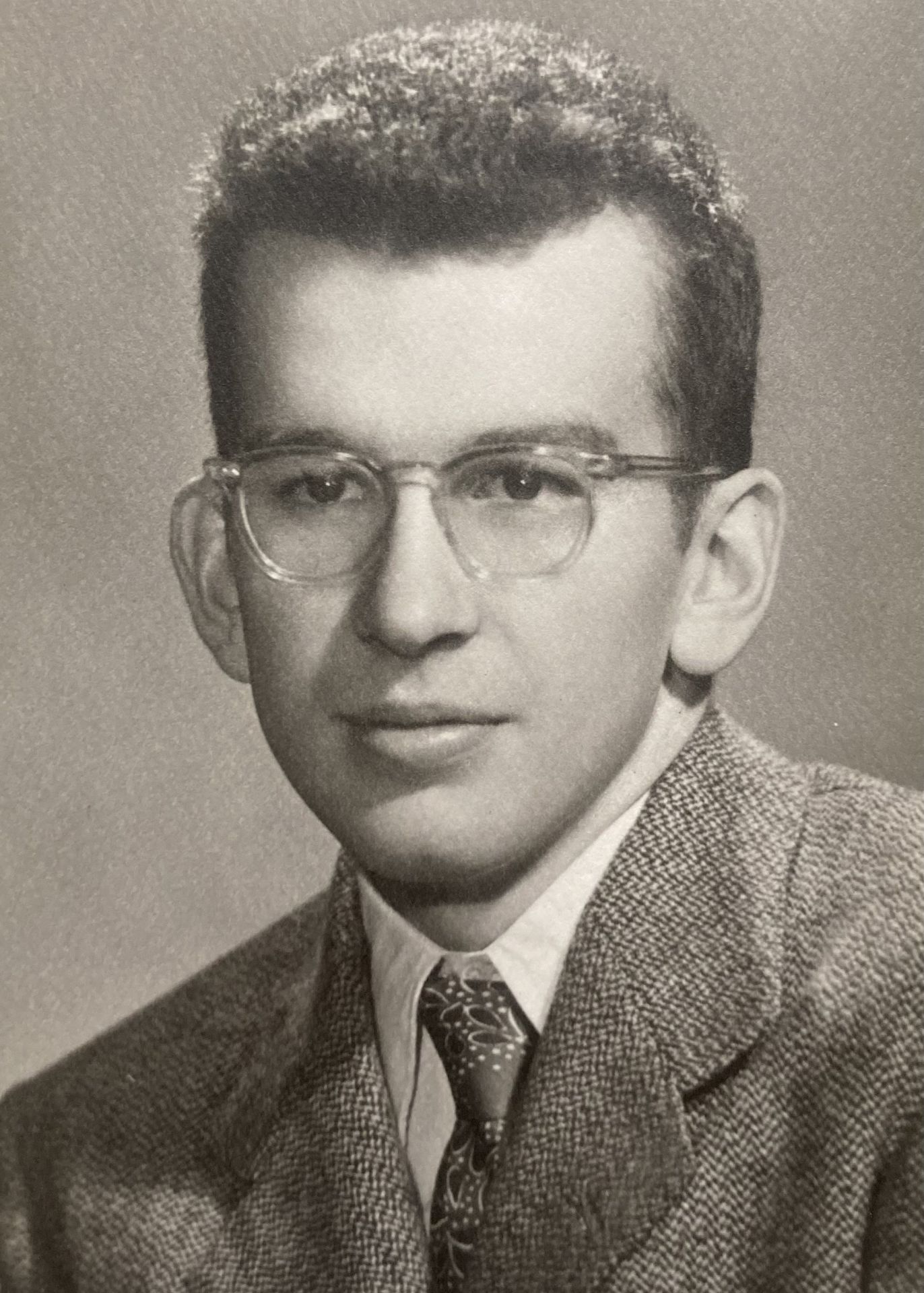
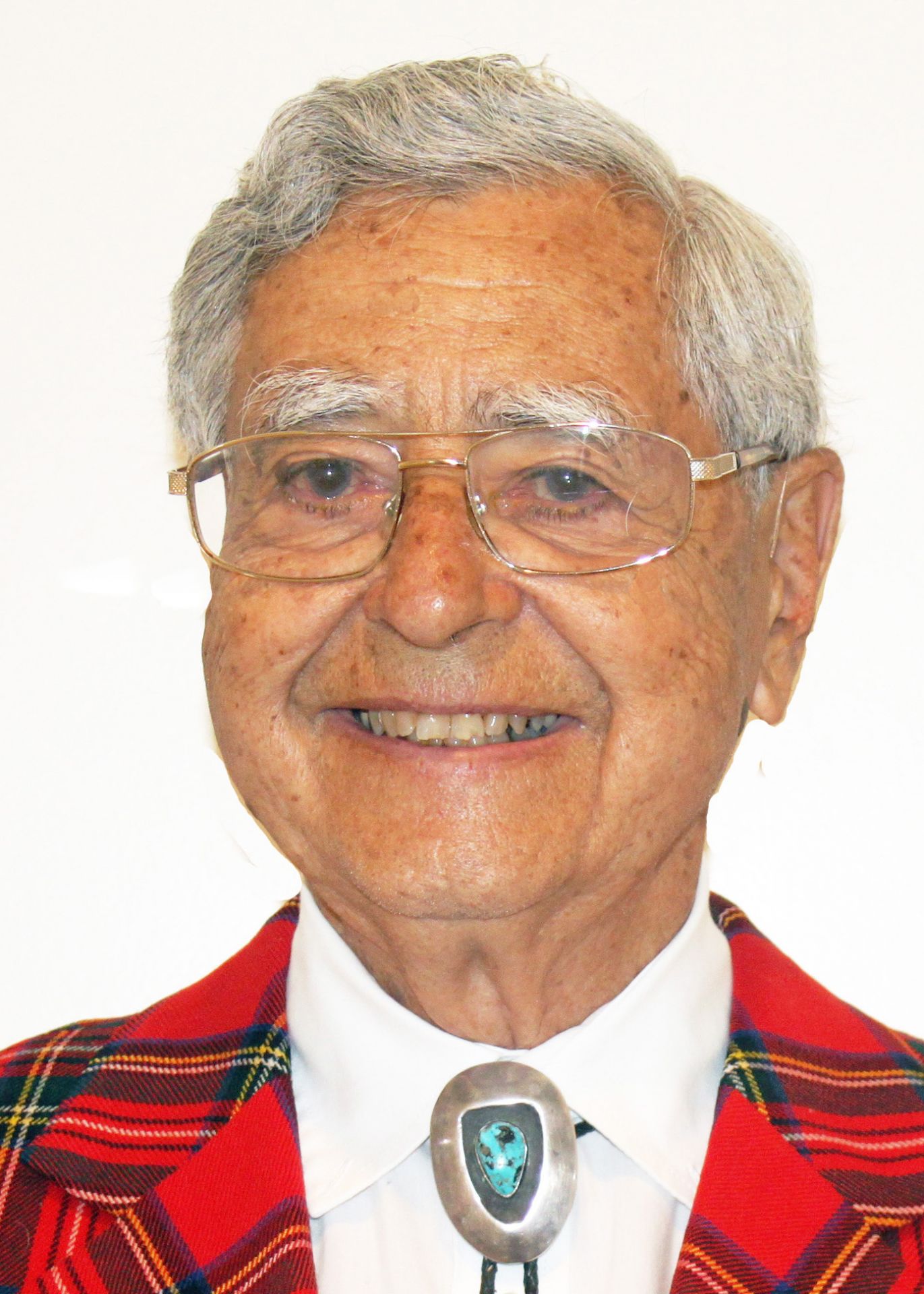
Left: Tsoulfanidis as a freshman, at age 17, at the University of Athens. Right: Nicholas Tsoulfanidis today.
We welcome ANS members who have careered in the community to submit their own Nuclear Legacy stories, so that the personal history of nuclear power can be captured. For information on submitting your stories, contact nucnews@ans.org.
As an undergraduate I studied physics at the University of Athens. I entered the university in 1955 after successfully passing a national exam (came up fourth in a field of about 700 candidates). Upon graduation and finishing my mandatory two-year military service, the plan was to teach physics either in a public high school or as a tutor for a private for-profit institution, preparing high school students for the national exam.
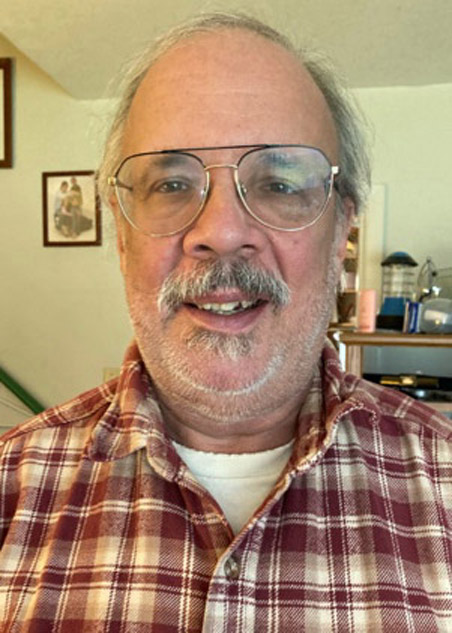
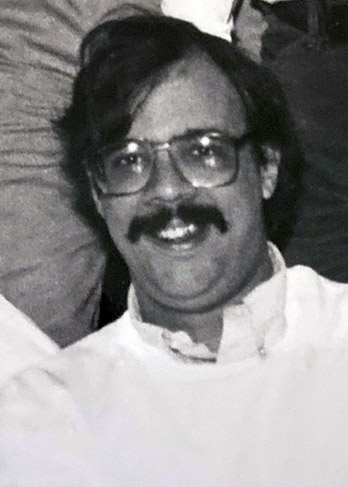
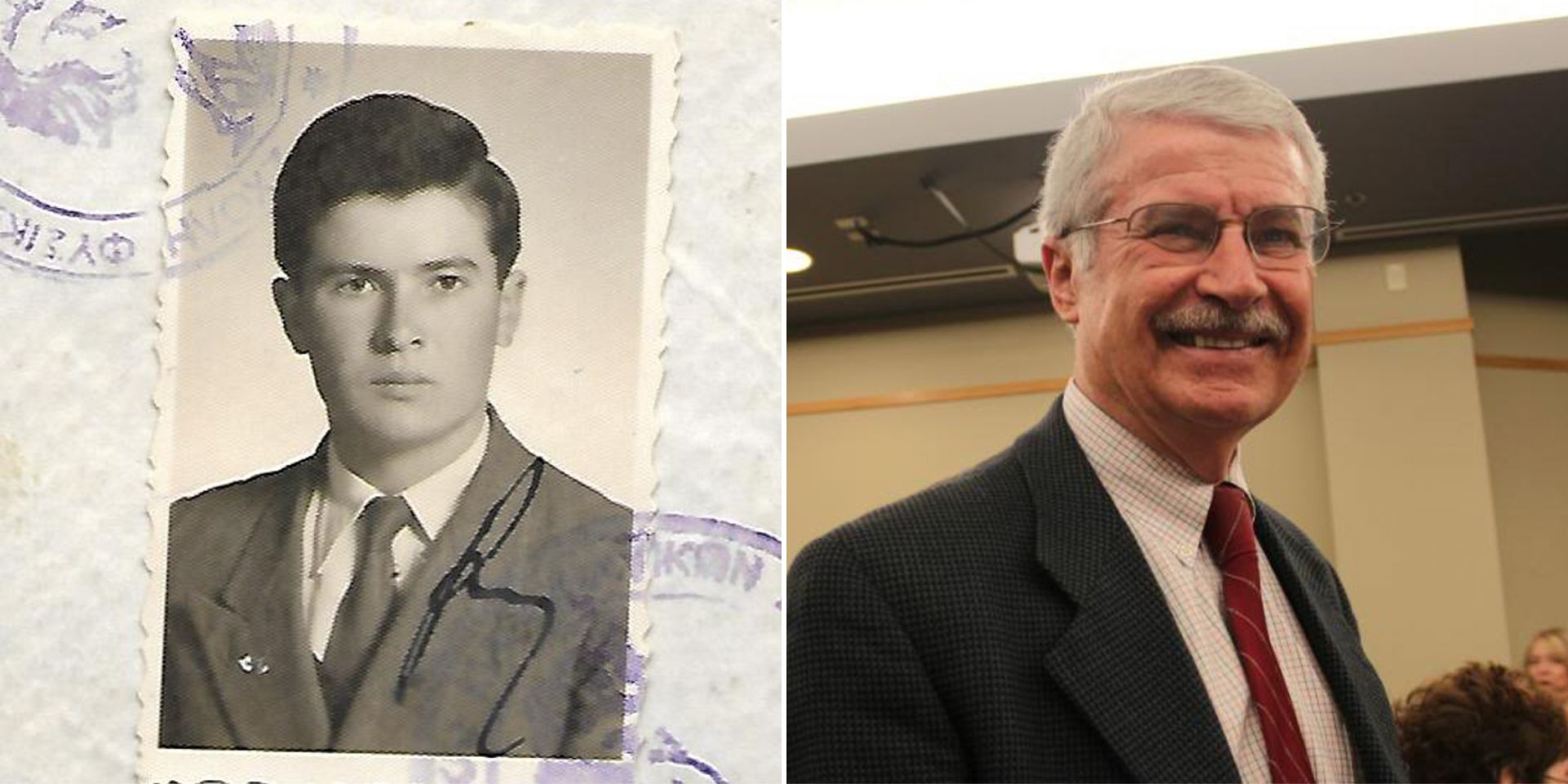
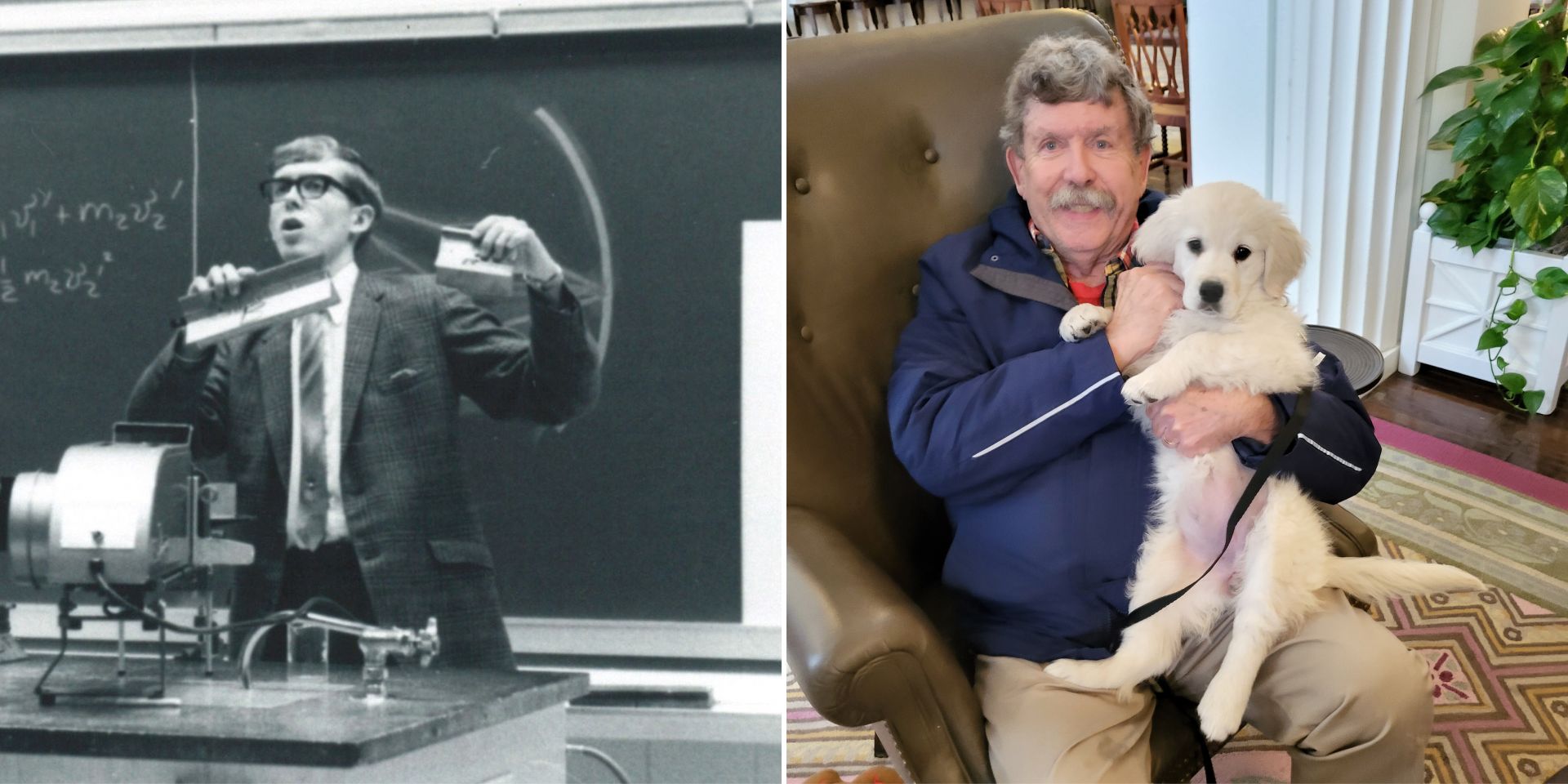
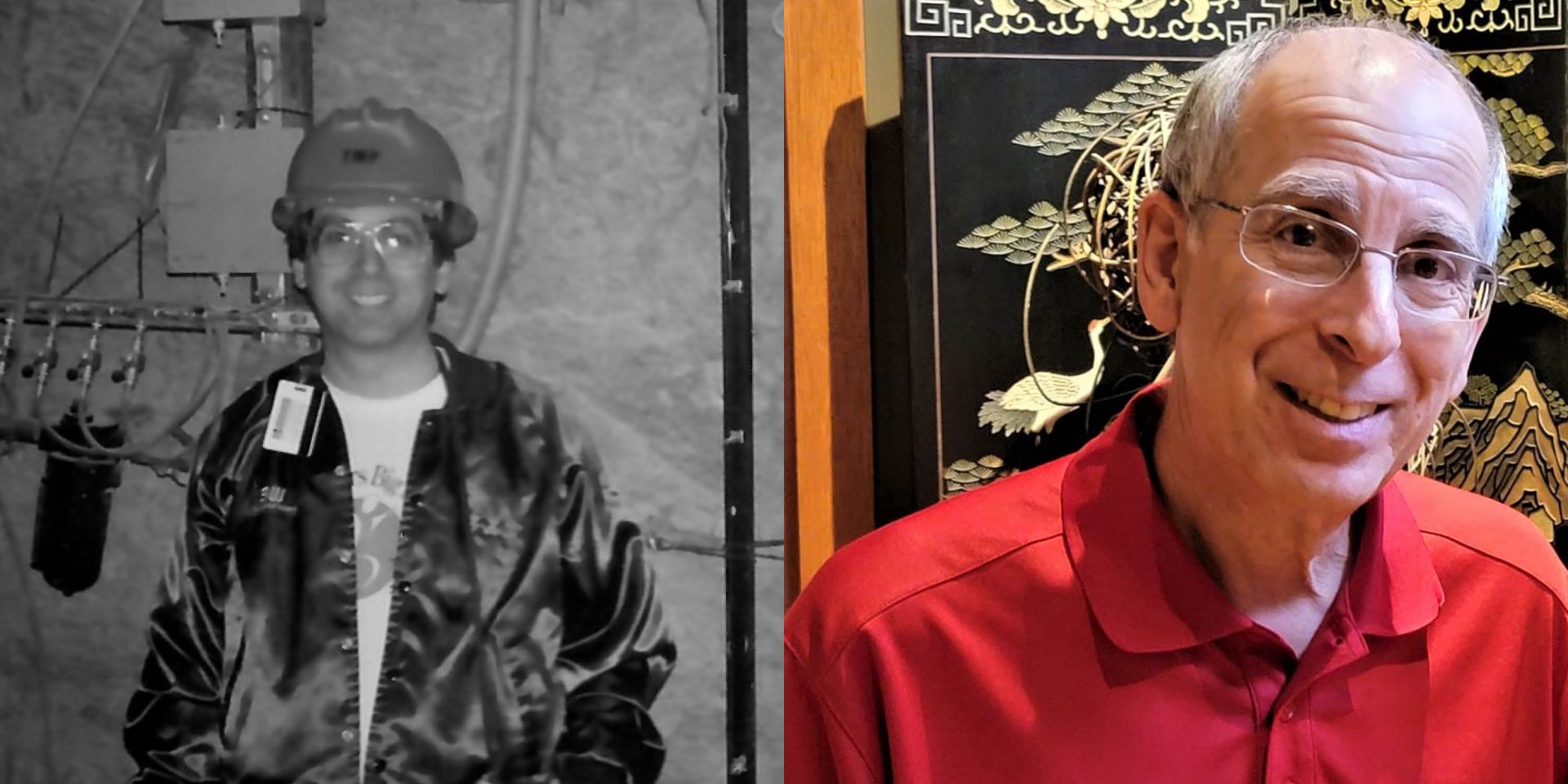
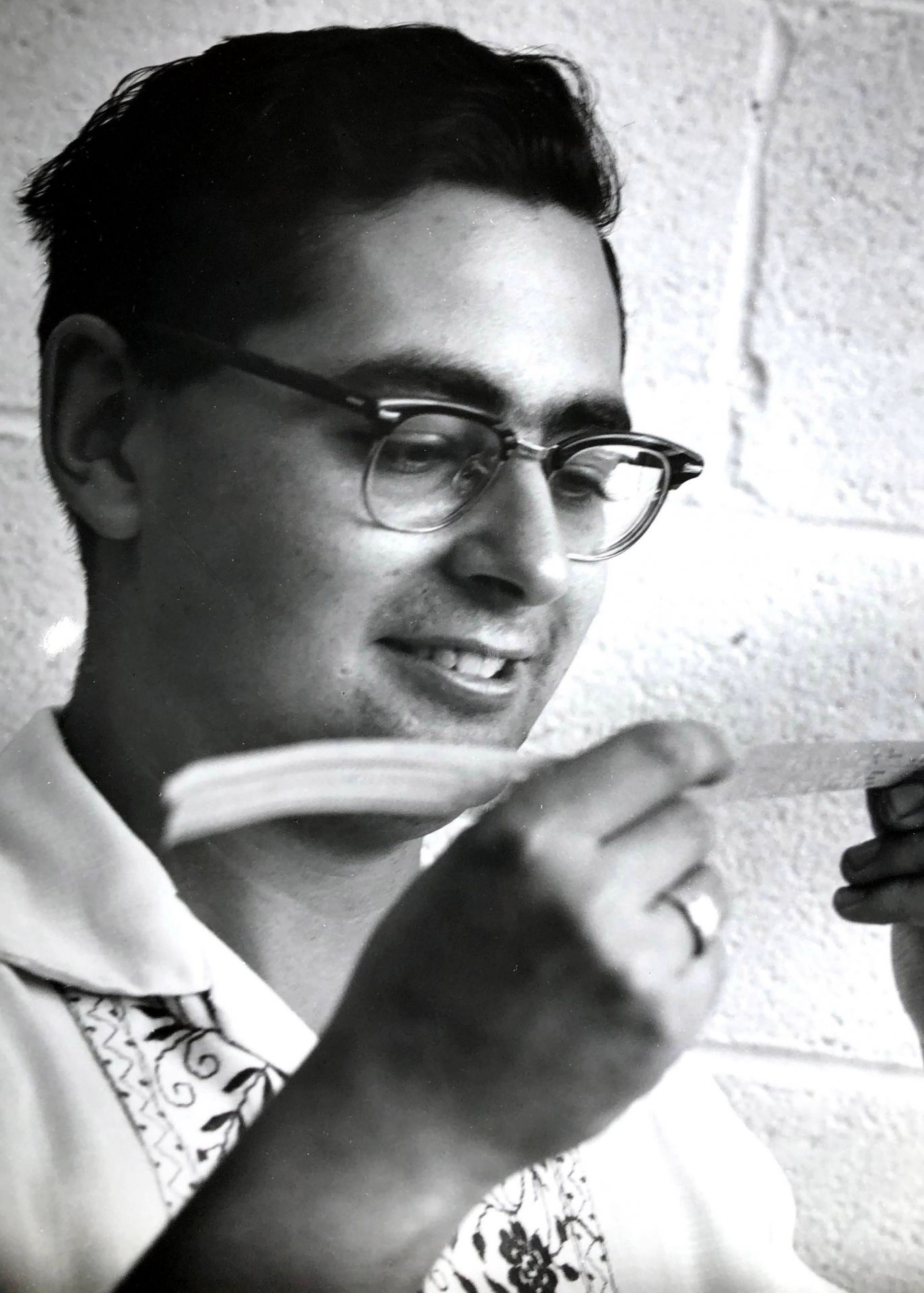
Left: Behrens as a physics lecturer in 1969 at the University of Illinois—Urbana-Champaign. Right: Behrens at home today with his new pup Snowflake.
We welcome ANS members who have careered in the community to submit their own Nuclear Legacy stories, so that the personal history of nuclear power can be captured. For information on submitting your stories, contact nucnews@ans.org.
The James Wm. Behrens family legacy in America starts with Henry H. Behrens, who came across the pond from Germany in 1857. He was later joined by Wilhelmina, also from Germany, and they were married in Alton, Ill., in about 1862. One of their sons, George Wm. Sr., was my grandfather. He and his wife, Frances Walker (of Irish and English descent), had three sons, one of whom (George Wm. Jr.) was my father. I was born in 1947 and raised in the small country town of Bunker Hill, Ill. I attended Bunker Hill elementary and high schools, graduating from the latter in 1965.

-3 2x1.jpg)
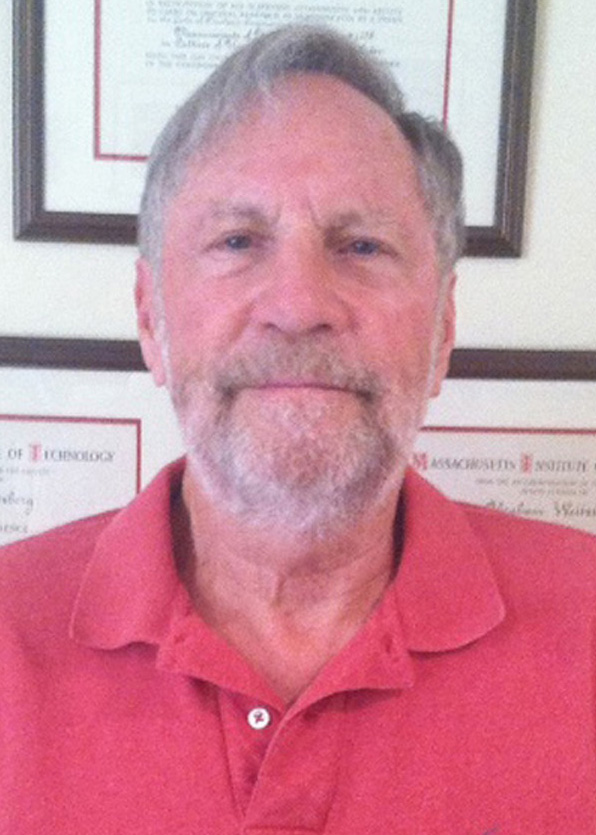
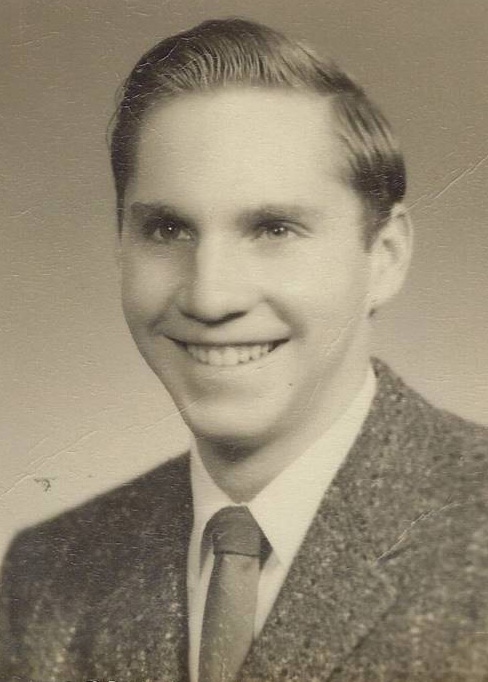
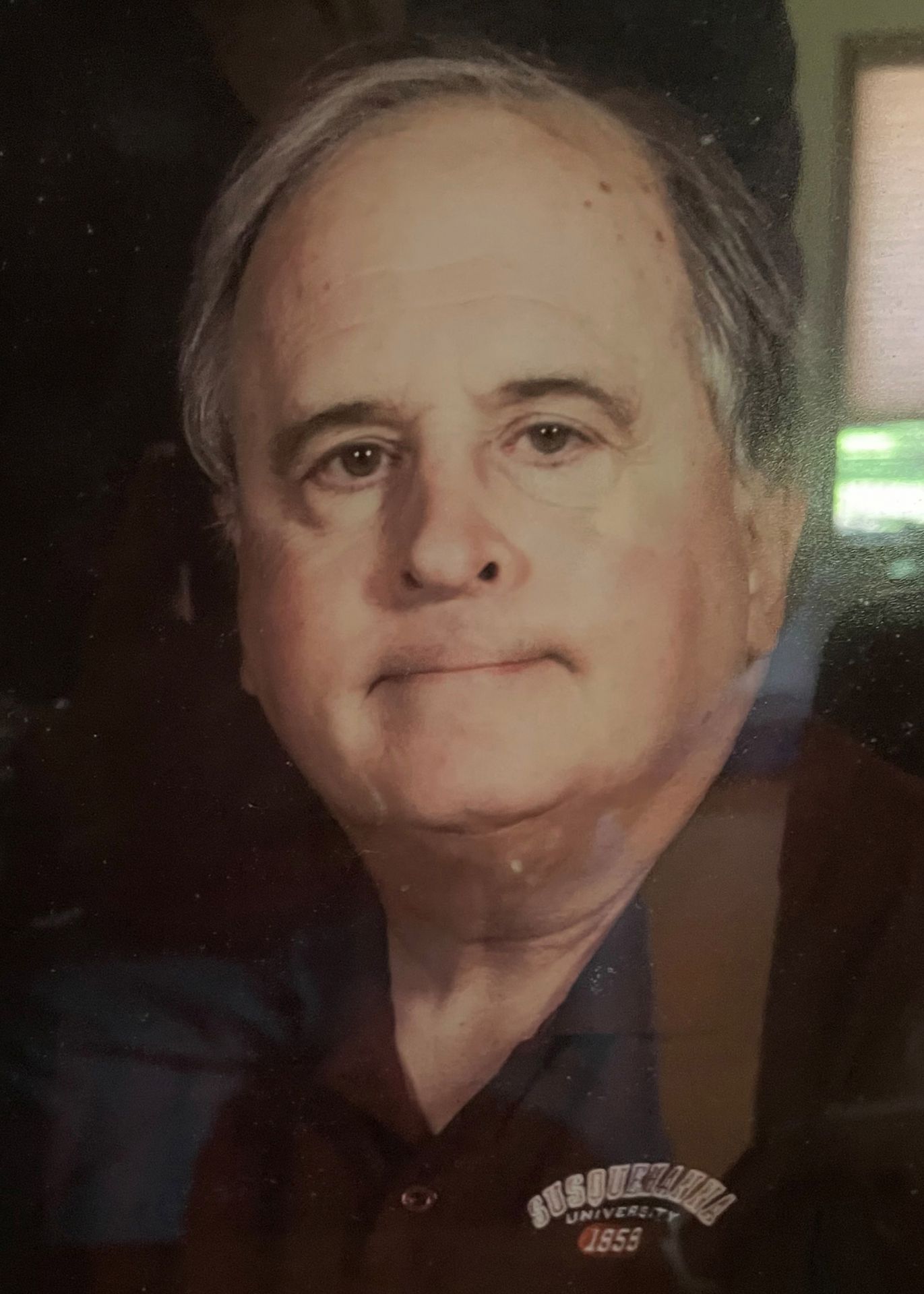
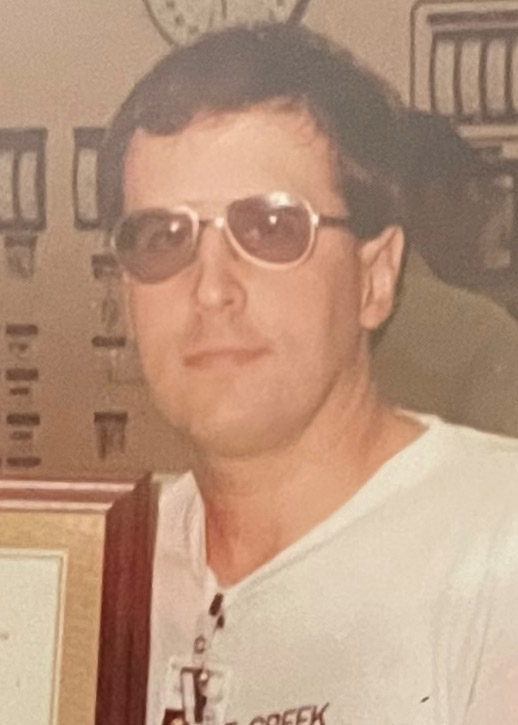
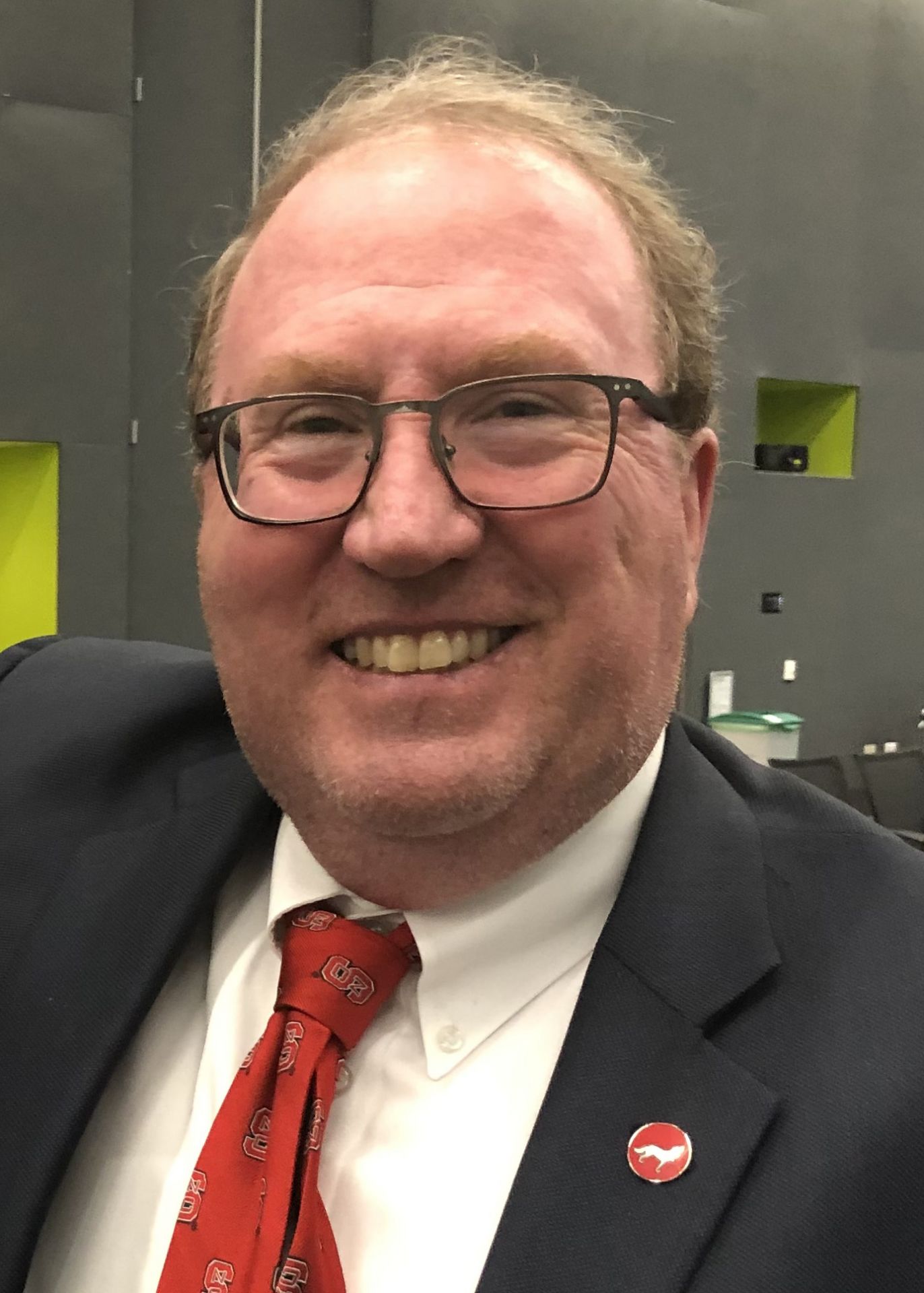
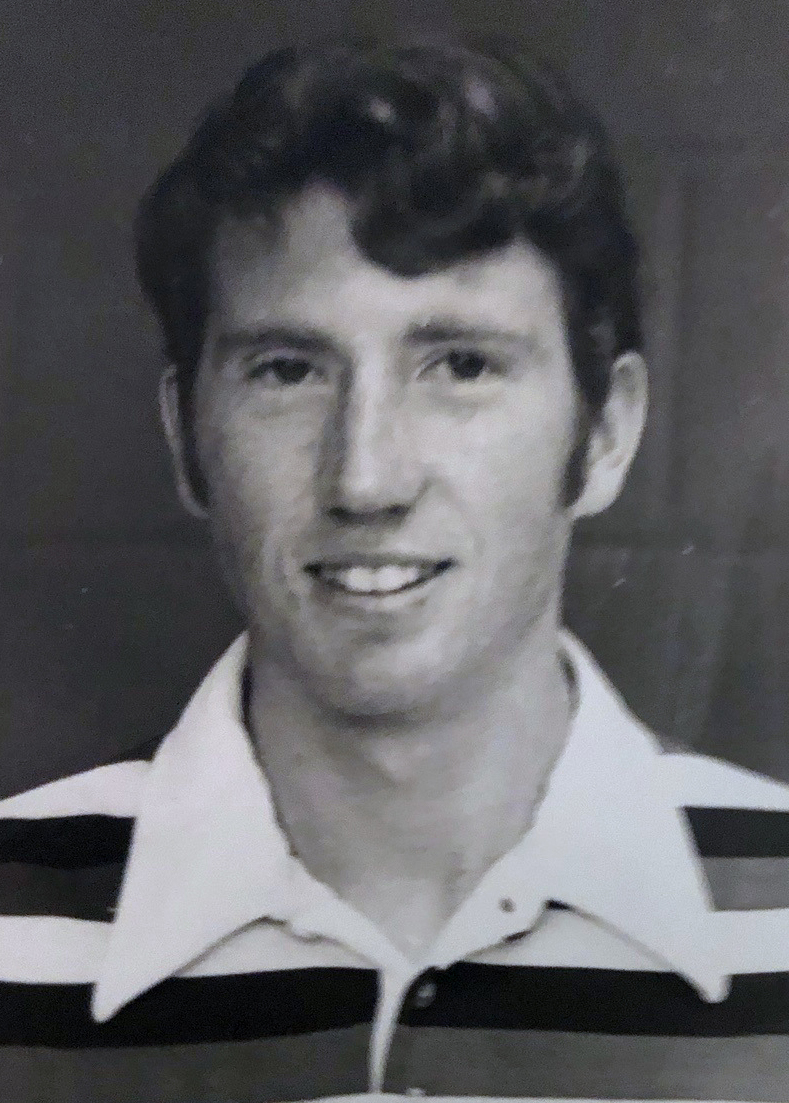
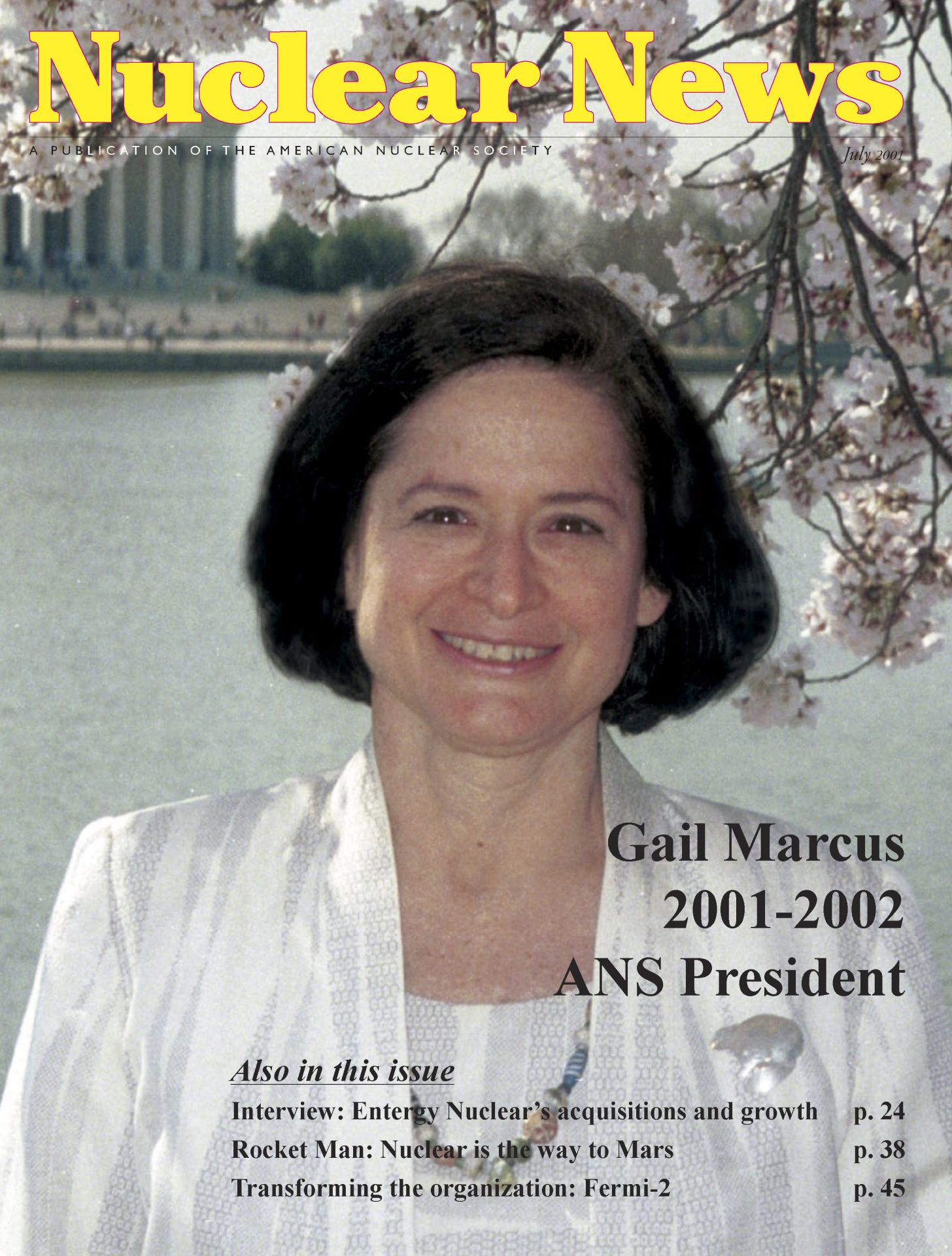 I like to say that I ended up at Massachusetts Institute of Technology because of my father. He saw that I seemed intimidated by the prospect of going there, so he dared me, figuring I would take the bait. And I did.