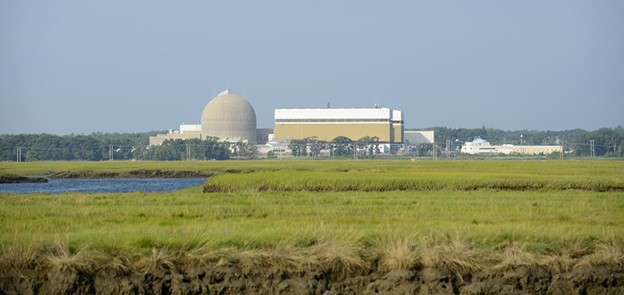
The Seabrook nuclear power plant in New Hampshire. (Photo: NextEra Energy)
Millstone’s two pressurized water reactors in Waterford, Conn., and Seabrook’s single PWR in Seabrook, N.H., are the only power reactors in operation in the New England region, with total capacities at Millstone and Seabrook of 2,122 and 1,248 Net MWe, respectively.
The region’s governors, though, may seek to expand these numbers. The governors of Connecticut, Maine, Massachusetts, New Hampshire, Rhode Island, and Vermont issued a joint statement in support of exploring next-generation nuclear energy technologies. The bipartisan announcement also urges continued support for local nuclear facilities like Millstone and Seabrook.
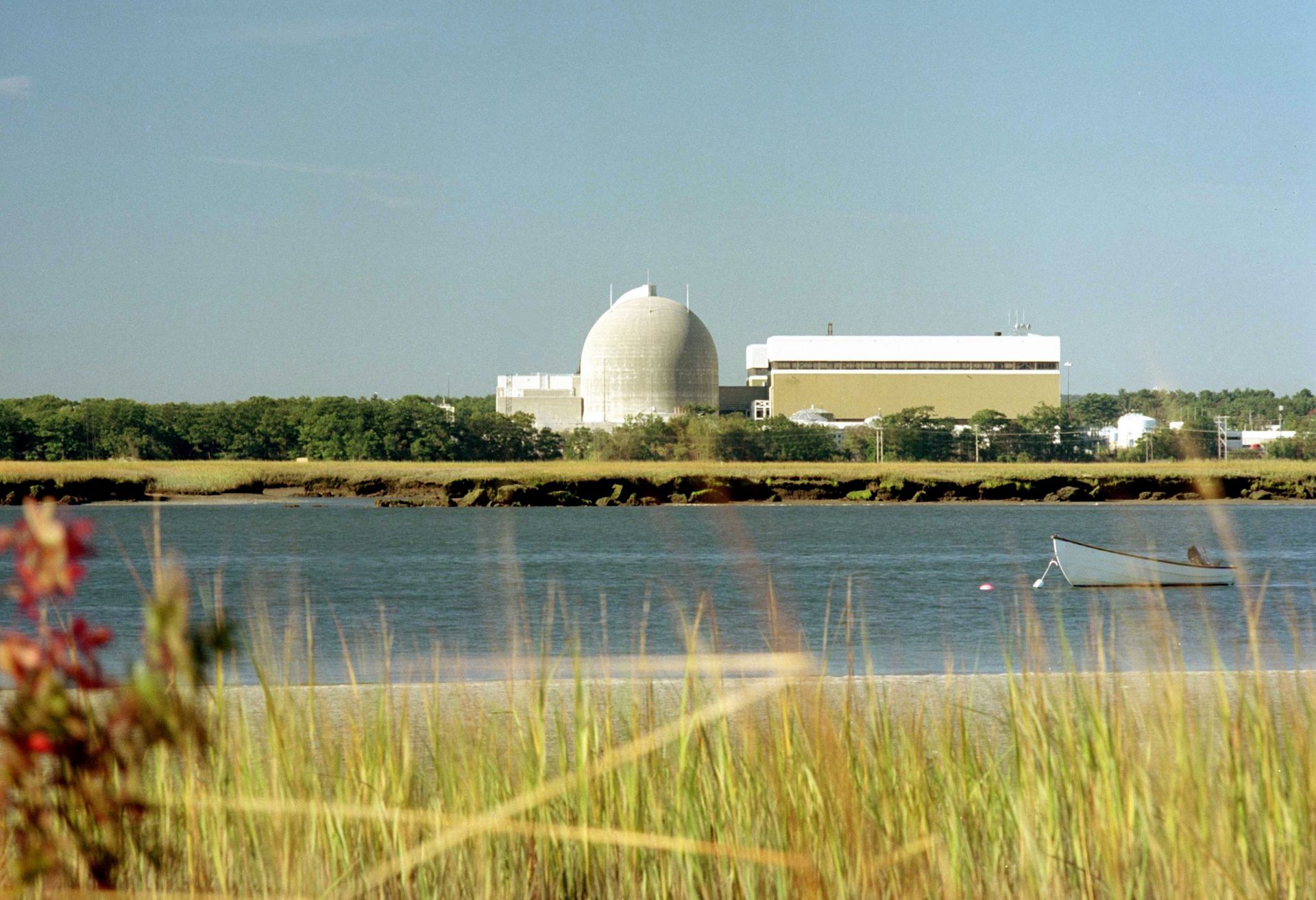
Seabrook nuclear power plant, located in southern New Hampshire. (Photo: NextEra Energy)
According to a new study conducted by the economics consulting firm Analysis Group, “Massachusetts utilities could save their customers $880 million to more than $2 billion by 2032 by entering into a long-term power purchase contract with the Seabrook Station nuclear plant.” The study, Economic and Environmental Benefits to Massachusetts from the Operation of the Seabrook Nuclear Plant, also found that operation of the plant through 2032 is expected to contribute as much as $2.9 billion to the state’s economy and reduce regional greenhouse gas emissions by 5 million tons per year.
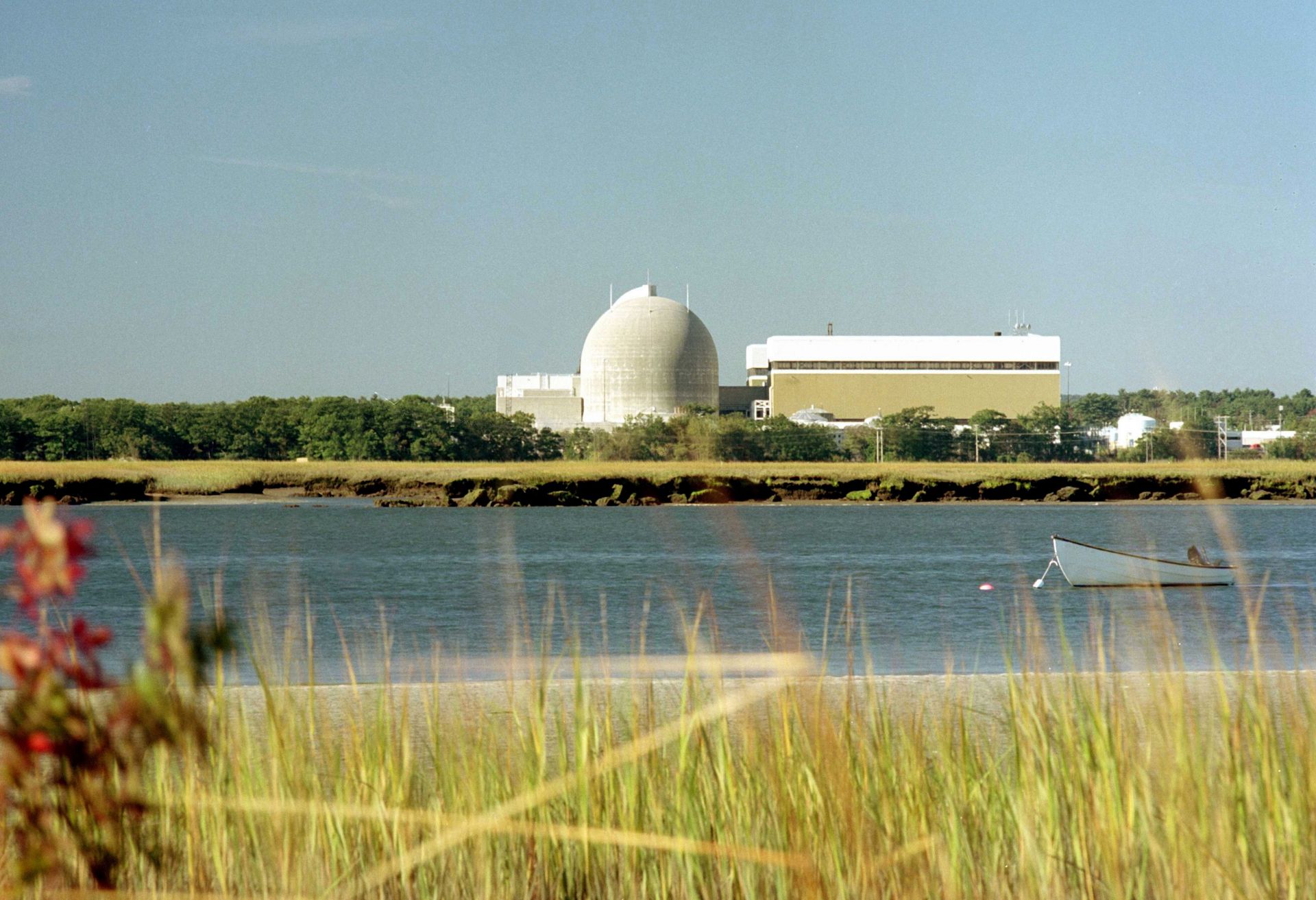
Alkali-silica reaction was confirmed at the Seabrook nuclear power plant in 2010. (Photo: NextEra Energy Resources)
Concrete structures built to last for decades, including reactor containment buildings and other nuclear power plant structures, are subject to the alkali-silica reaction (ASR), a reaction between alkali ions found in cement and silica, the two main components of concrete. The reaction forms a gel that absorbs water and expands over time, causing a buildup of pressure within the concrete that can eventually lead to cracking and deterioration.
Researchers at Argonne National Laboratory have successfully used electrochemical impedance spectroscopy (EIS) to detect ASR in the lab and believe it could be used for cost-effective, nondestructive testing at nuclear power plants.