U.S.-Japan collaboration turns out “Super Engineers”
April 30, 2026, 11:42AMNuclear News
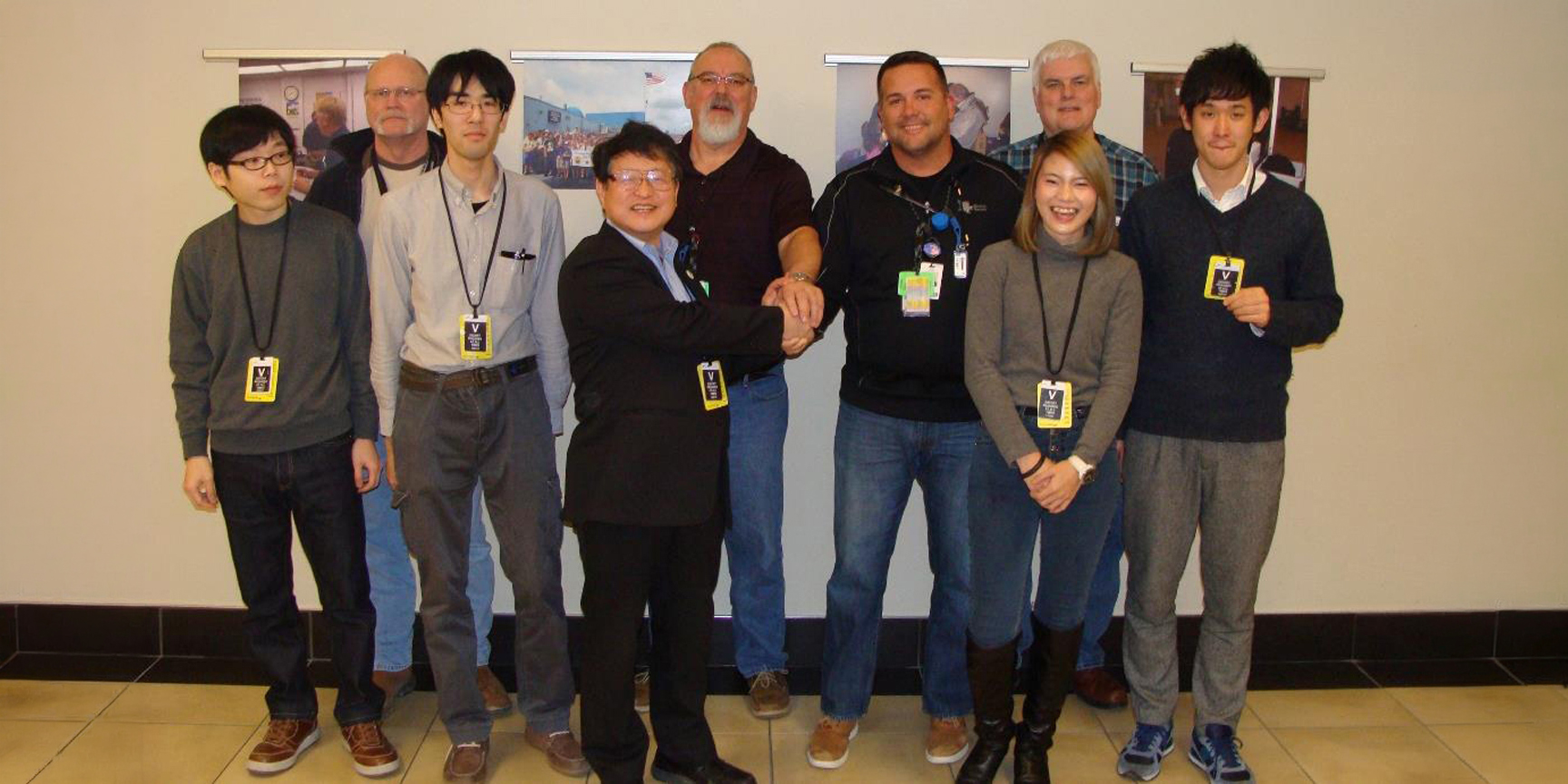
Super Engineer Project founder and leader Tadashi Narabayashi (fourth from left) and his Super Engineers tour Clinton nuclear power plant in 2017. (Photo: Thanataon Pornphatdetaudom)

Before the Fukushima Daiichi accident in March 2011, nuclear power from 54 reactors provided about 30 percent of Japan’s electricity. In the wake of the disaster, Japan shut down every one of its reactors.

Recently, the country has been restarting its nuclear power plants. Among its current fleet of 33 operable reactors, fewer than half have been restarted. Nuclear power is currently providing about 8.5 percent of Japan’s electricity (with natural gas and coal accounting for more than 60 percent).

The Japanese government’s present energy plan, announced last year, calls for nuclear power to meet 20 percent of the country’s electricity needs by 2040. While the government views nuclear as a crucial asset toward meeting its goal of net zero emissions by 2050, public support for nuclear energy also continues to increase. A 2012 Pew Research poll—conducted one year after the Fukushima Daiichi disaster—indicated that 70 percent of the public opposed nuclear power. However, a 2022 poll by Nikkei Business Publications suggests that now, more than 50 percent of the public supports nuclear power—if safety can be ensured.

Contributing their expertise to these restarts in recent years are young nuclear industry professionals who were trained a decade ago in a mentorship/training program involving U.S. institutions.

This “Super Engineer Project” was sponsored by Japan’s Ministry of Economy, Trade, and Industry and Hokkaido University from 2015 to 2017. METI sponsored the project to improve the Japanese nuclear safety culture by learning from the U.S. safety culture.

THOR puts fast reactor fuel to the test in U.S.-Japan TREAT collaboration

January 17, 2023, 12:00PMNuclear News
U.S. secretary of energy Jennifer Granholm and Japan’s minister of economy, trade, and industry Yasutoshi Nishimura lead energy discussions on January 9 in Washington, D.C. (Photo: DOE)

Researchers at Idaho National Laboratory have completed initial testing on a newly developed fuel test capsule that is expected to provide crucial performance data for sodium-cooled fast reactors. The Department of Energy announced on January 12 that the series of fuel testing experiments being carried out now at INL’s Transient Reactor Test Facility (TREAT) was developed through a joint project between the United States and Japan.

Fukushima Daiichi: 10 years on

March 1, 2021, 2:12PMNuclear NewsLake Barrett

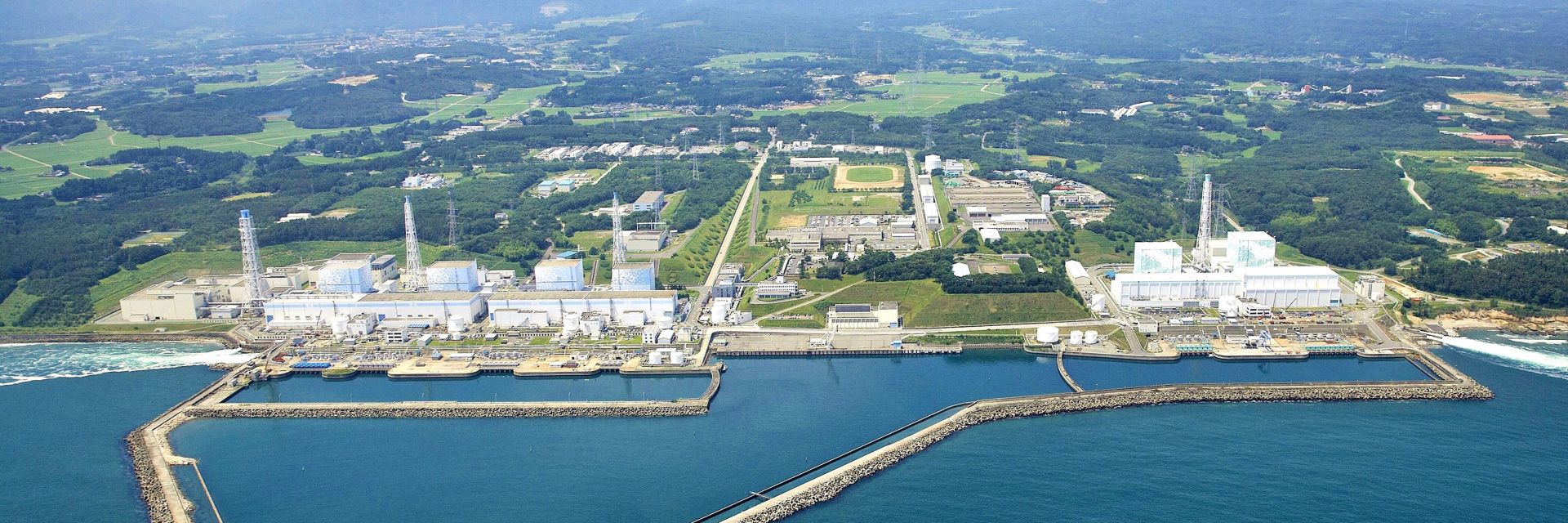
The Fukushima Daiichi site before the accident. All images are provided courtesy of TEPCO unless noted otherwise.

It was a rather normal day back on March 11, 2011, at the Fukushima Daiichi nuclear plant before 2:45 p.m. That was the time when the Great Tohoku Earthquake struck, followed by a massive tsunami that caused three reactor meltdowns and forever changed the nuclear power industry in Japan and worldwide. Now, 10 years later, much has been learned and done to improve nuclear safety, and despite many challenges, significant progress is being made to decontaminate and defuel the extensively damaged Fukushima Daiichi reactor site. This is a summary of what happened, progress to date, current situation, and the outlook for the future there.