TEPCO Updates on Fukushima Daiichi Conditions (with video)
September 30, 2016, 11:00AMANS Nuclear Cafe
Special ANS Friday Matinee edition by Will Davis

-3 2x1.jpg)
A message from Curtiss-Wright
High-Temperature neutron flux detectors for Generation IV reactors and SMRs
Special ANS Friday Matinee edition by Will Davis
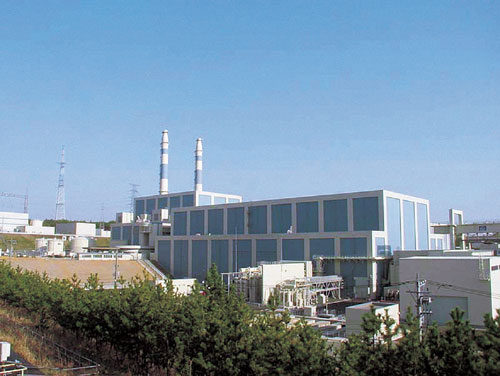
Shika NPP Unit 2. Courtesy Hokuriku Electric Power Co.
Yesterday, the saga of nuclear energy in post-Fukushima Japan reached an important milestone as the final utility that owns nuclear power plants in that country applied to the regulator for restart, in an event that snuck under the radar of most news venues.
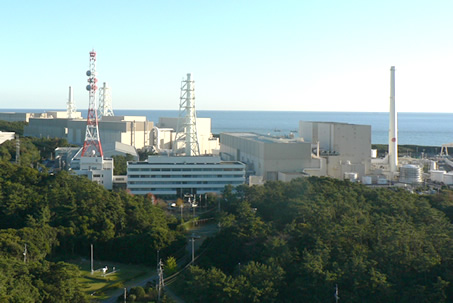 "I will see to it by some means or other. I will properly deal with it." So go the reported words of Japanese Prime Minister Shinzo Abe regarding the restart of nuclear power plants in Japan, as printed recently in the Japanese press. At the present time, while the Japanese government and courts seem to be at odds on restarting plants-with the public left in the middle-those at the nuclear plants themselves must count on eventual approval to restart and must ensure required measures are completed properly. Those preparing for restart continue to work toward that end while facing an improving, but not yet by any means certain, situation in the public and legal arenas.
Recent developments in Japan concerning the Fukushima Daiichi plant recovery specifically, and nuclear energy generally, have not been exceedingly positive. The difficult recovery efforts at the crippled nuclear plant are not all proceeding smoothly; delays and technical problems continue to abound and confound. Meanwhile, on a broader scale, the national pullback from nuclear may be even more serious and have longer term effects than anyone realizes.
Studies by Janette Sherman and Joseph Mangano purporting to link radiation from Fukushima to health effects in the United States have made for alarming headlines in news outlets on occasion, and have come under fire by critics who charge flawed methodology (for example, What Can We Do About Junk Science and Researchers Trumpet Another Flawed Fukushima Study).
During the three years since March 11, 2011, the world has had the opportunity to learn a number of challenging but necessary lessons about the commercial use of nuclear energy. Without diminishing the seriousness of the events in any way, Fukushima should also be considered a teachable moment that continues to be open for thought and consideration.
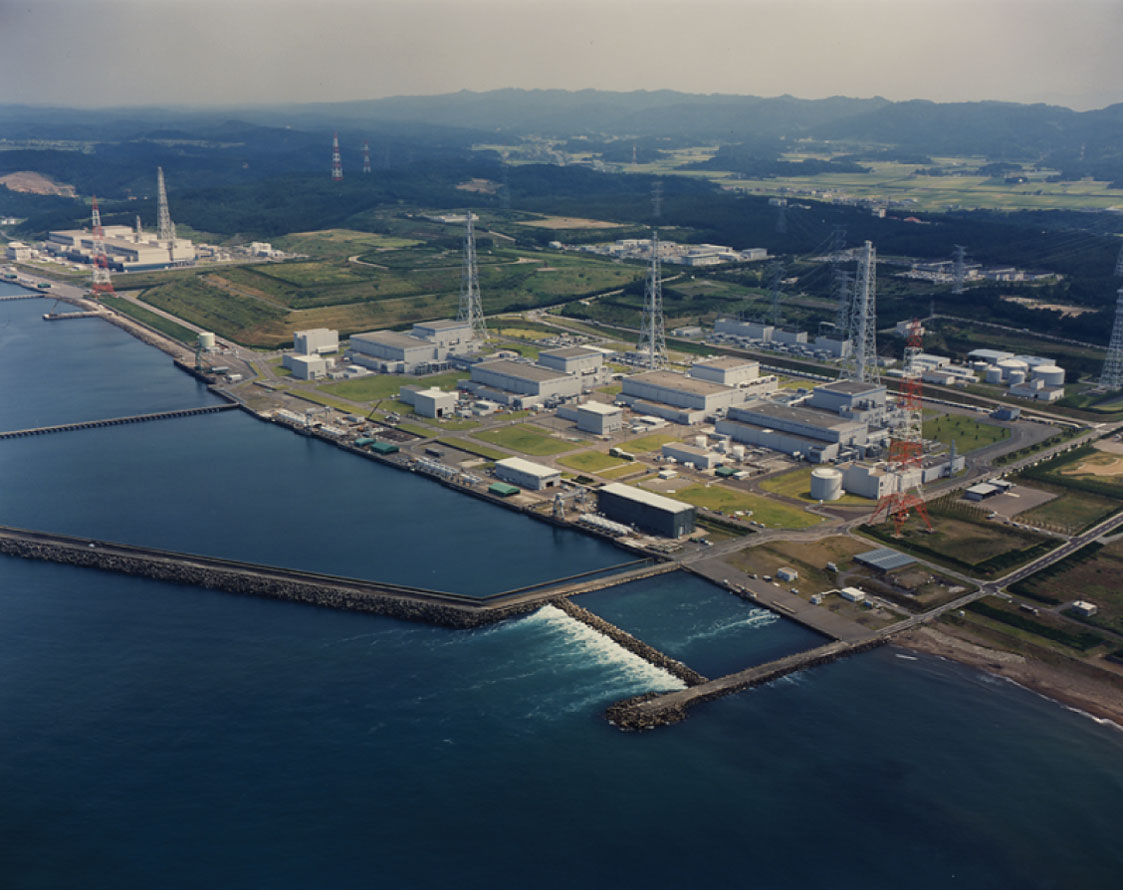
Tokyo Electric Power Company's Kashiwazaki-Kariwa Nuclear Station; Units 6 and 7 were submitted for safety screening in September 2013.
In our collective memory, disturbing images played out on video around the world in the days following the apocalyptic Great Tohoku Earthquake and Tsunami have somewhat receded, even if they haven't lost their impact-images of rushing waters, floating vehicles, buildings and debris, massive (and unstoppable) outbreaks of fire, and implications of lives lost and lives ruined.
 The 187th Carnival of Nuclear Energy is here - the weekly compilation of the best of the internet's pro-nuclear authors and bloggers. This time-honored feature appears on a rotating variety of the top English-language pro-nuclear blogs every weekend, and is a great way for readers of any persuasion or approach to find out what the people who write about nuclear energy all the time think are the most important or most resonant issues for that week. With that, here are this week's entries!
News out of Fukushima-Daiichi this week is encouraging: TEPCO successfully transferred the first batch of fuel rod assemblies from the reactor unit No. 4 spent fuel pool to a common fuel pool building offering longer-term stable storage conditions. Completing the process for the more than 1,000 fuel rod assemblies that remain at No. 4 is projected to take a year, and will be a first major step toward decommissioning of the site.
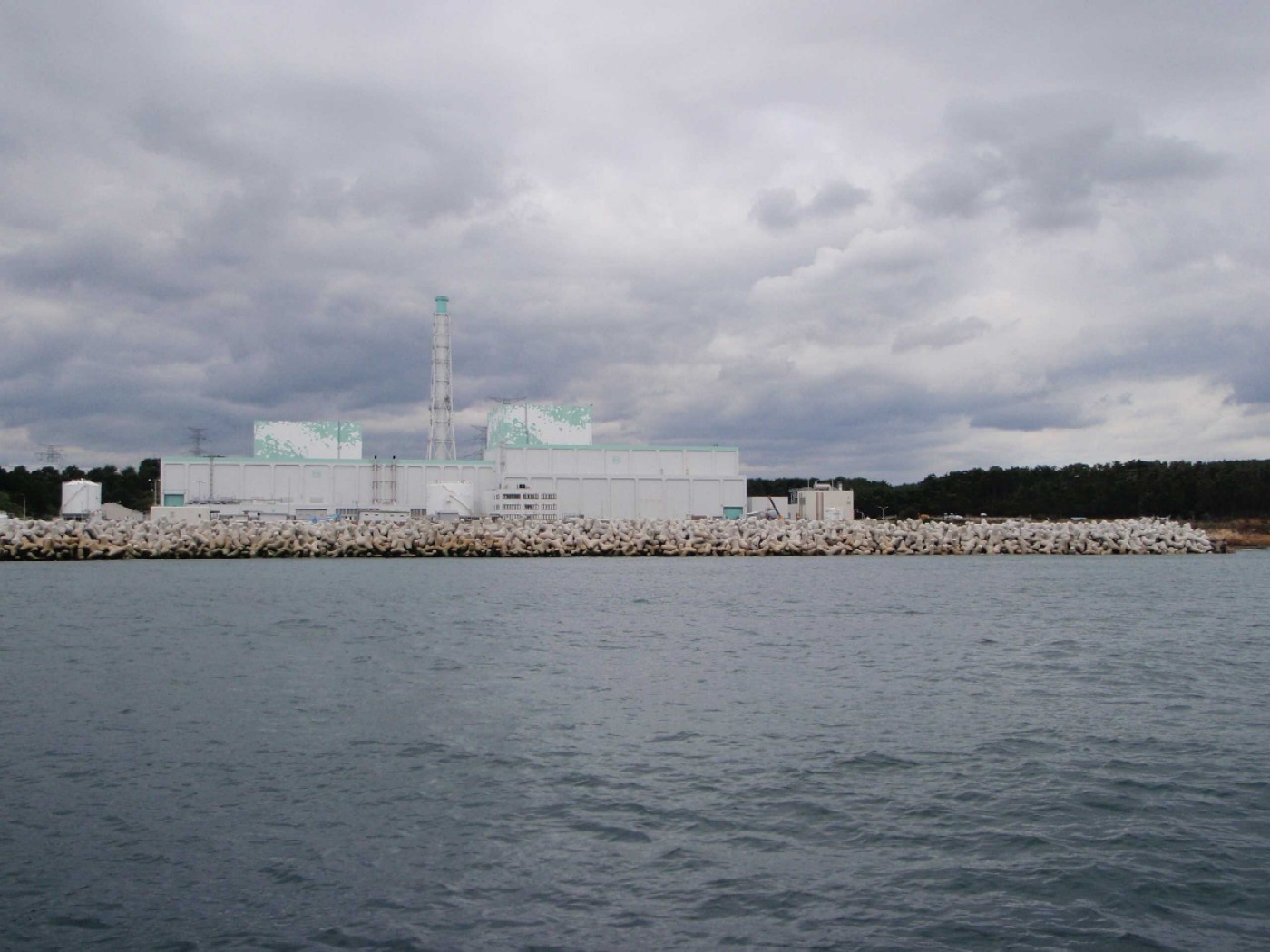
Fukushima Daiichi Units 5 (left) and 6 (right) seen in October 2012 behind the newly completed breakwall.
Earlier this month, Japanese Prime Minister Shinzo Abe conducted a visit to Tokyo Electric Power Company's Fukushima Daiichi nuclear station to examine conditions at the site and to gauge TEPCO's response to numerous ongoing problems. When Abe spoke to reporters after the visit, he mentioned (for reasons still unknown) that he had suggested to TEPCO that it decommission Unit 5 and Unit 6 on the site, so that it could focus its efforts squarely on the work required to recover from the nuclear accidents at Units 1, 2, and 3. This was reported with some surprise in many quarters.
Developments this week at the Fukushima Daiichi nuclear station have been relatively few-but they've made headlines.
An unusual number of unusually ill-founded nuclear headlines appeared in the mainstream media last week. Among the more prominent:
ANS Nuclear Cafe is proud to host the 170th edition of the Carnival of Nuclear Energy - a rotating feature that showcases the best pro-nuclear blogs and authors each week in a single, easy to access compilation. Contributions are volunteered by the authors, with the exception of "Captain's Choice" picks that the Carnival host makes from time to time. With that, let's get to this week's posts!
This week, the Fukushima Daiichi nuclear station's long history was further appended by the approval of decommissioning plans for the site by Japan's nuclear regulator, the Nuclear Regulation Authority (NRA). This approval both clearly sets guidelines for safety at the site, and puts the government stamp of approval on Tokyo Electric Power Company's highly complicated timeline for the complete decommissioning and removal of Units 1 through 4 at the site. This announcement follows closely the order by Prime Minister Abe to increase government oversight of cleanup efforts on site. What remains to be seen is whether or not the Japanese public has any more faith in their government regarding decommissioning of the site than it has with TEPCO, which by all accounts in the Japanese press is no longer considered trustworthy.
The 168th Carnival of Nuclear Energy has been posted at The Hiroshima Syndrome. You can click here to see this latest edition of a long-running tradition.
Tokyo Electric Power Company (TEPCO) has found itself thrust into the spotlight again over the last two weeks as a series of events at and around the damaged Fukushima Daiichi nuclear station have triggered a large volume of negative press, government commentary, and regulatory backlash. The embattled utility clearly has its hands full on more than one front.
On March 11, 2011, a 9.0 earthquake and 40-foot-high tsunami waves hit Fukushima, Japan. The impact on the Fukushima Daiichi nuclear power plant was a call-to-action for members of the American Nuclear Society.
At about a quarter to three in the afternoon on March 11, 2011, a gigantic and unprecedented earthquake struck just over 110 miles off the coast of Fukushima Prefecture in Japan. The quake was followed, just over 40 minutes later, by the first of several rounds of tsunami, which inundated enormous areas and eradicated entire towns and villages. Over 19,000 people were killed or are still missing, and over 6,000 survivors were injured.
The approach of the second anniversary of the Great East Japan Earthquake of March 2011 finds nuclear energy in Japan at a crossroads. After the quake and resulting tsunami, the nuclear plants in Japan that did not shut down immediately eventually all had to shut down for their required, scheduled outages. Political pressures, for the most part, prevented any near-term chance of any of them restarting, it seemed at the time. When Tomari Unit 3 shut down in May 2012, Japan found itself with not one single operating nuclear power plant for the first time in decades. Since that time, only two nuclear units have restarted-Ohi Units 3 and 4 in July 2012. Other plants, rumored to be "next" to start up, have still not started up, although they may soon. The question that springs to mind is naturally, "When will the majority of the plants be allowed to restart?" The more insightful question, though, is, "What will have to be done in order to allow any plant to restart?" And how can we tell which will start first-is there any clue present now? Yes, there is.
Plus a few pointers to what's in store for 2013