Argonne study evaluates impact of tropical cyclones on nuclear power plants

April 16, 2026, 8:33AMNuclear News
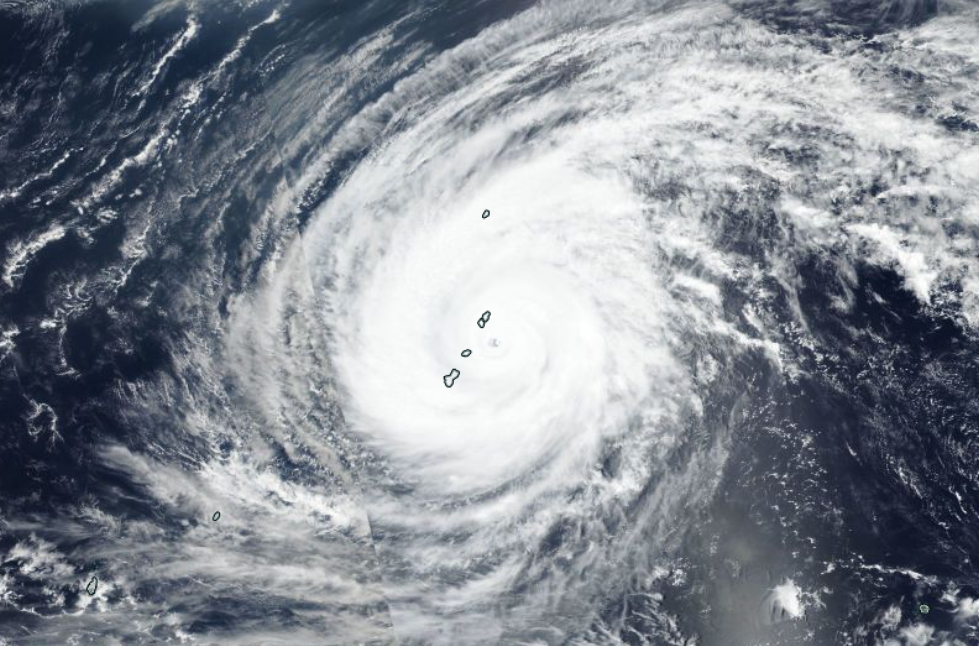
This photo of Typhoon Sinlaku over the Mariana Islands is an example of a tropical cyclone—a warm-core, low-pressure system with no attached front and an organized circulation that develops over tropical or subtropical waters. (Photo: NASA)

Scientists at Argonne National Laboratory have published a study evaluating the risk of flooding caused by tropical cyclones on coastal infrastructure, including nuclear power plants. The study, published in npj Natural Hazards, used advanced computer simulations of thousands of cyclone scenarios to make projections of potential damage of extreme storm tides in coastal areas—a threat that is expected to increase as a result of climate change. The researchers stated that their projections could be used to make siting decisions and design more resilient systems for nuclear power plants, hospitals, and other crucial infrastructure.

Argonne creates new methodology for digital twins

June 4, 2025, 12:02PMNuclear News

Hu

Argonne National Laboratory has added a new twist to digital twin technology for research into nuclear energy. According to Rui Hu, a principal nuclear engineer at Argonne, “Our digital twin technology introduces a significant step toward understanding and managing advanced nuclear reactors, enabling us to predict and respond to changes with the required speed and accuracy.”

The research of Hu and his colleagues, “Development of Whole System Digital Twins for Advanced Reactors: Leveraging Graph Neural Networks and SAM Simulations,” was published in the American Nuclear Society journal Nuclear Technology.

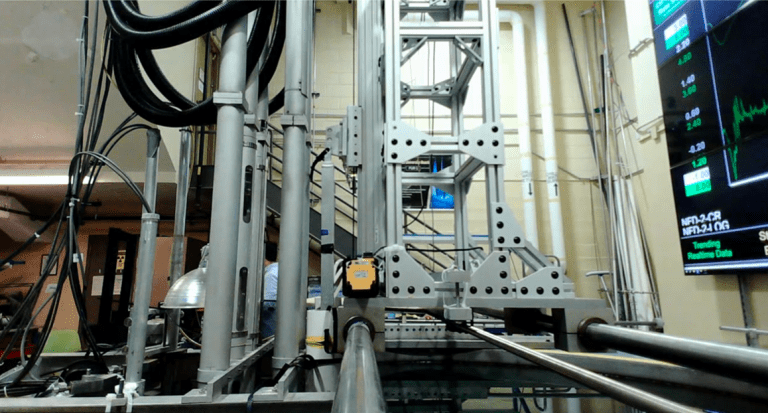
Virtual representation: A digital twin technology is an accurate virtual representation of a complex system. It is updated with real-time data from sensors applied to the physical system, such as a nuclear reactor.