
-3 2x1.jpg)
Chernobyl: Five Fast Facts
April 26, 2017, 2:47PMANS Nuclear Cafe
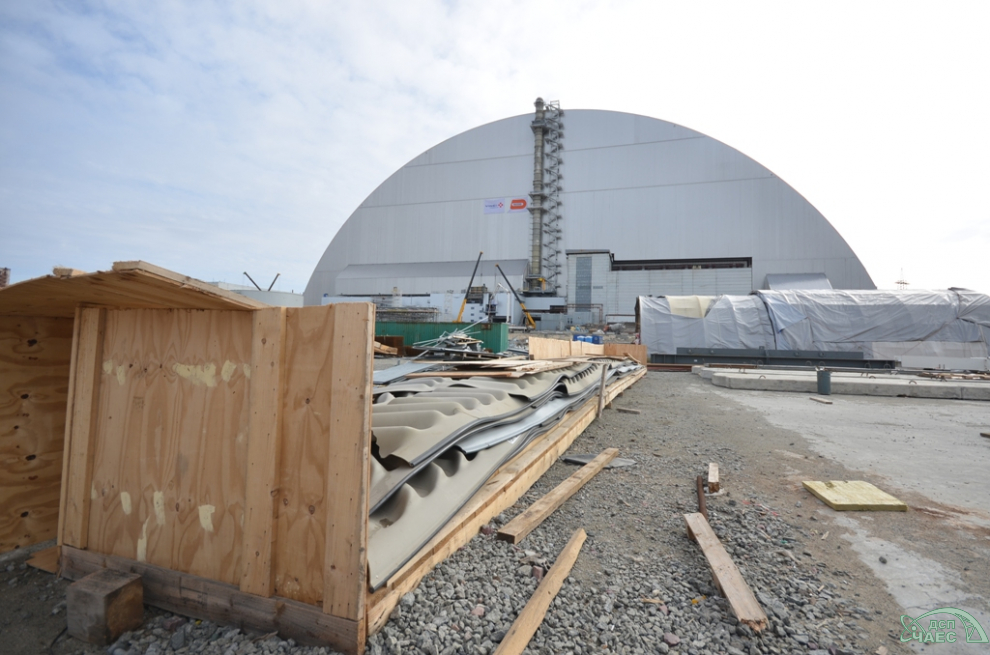
The sealing membrane for the new Chernobyl enclosure has been delivered to the site. Photo courtesy SSE ChNPP.
1. The Chernobyl Accident Wasn't a Nuclear Explosion. The accident at the Chernobyl nuclear power plant reactor no. 4 in April 1986 did destroy the reactor itself as well as the roof of the reactor building, but the explosive forces involved were, first, a steam explosion inside the complex reactor, followed almost immediately by a hydrogen gas explosion similar to those that occurred at Fukushima. No "nuclear yield" was involved-the forces were, instead, explosive expansion of steam and chemical.

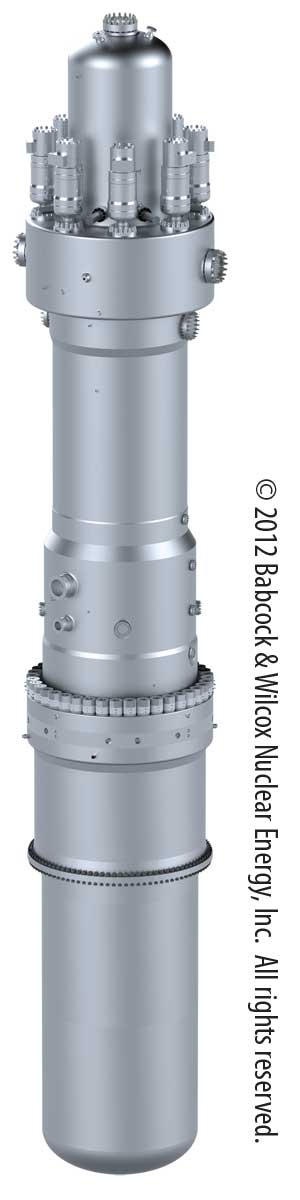 There was a time when the mPower SMR (Small Modular Reactor) was the perceived industry leader. The consortium behind it
  Shortly after Cecelia Payne-Gaposchkin presented her work on the sun in 1925, Maria Goeppert-Mayer was beginning to make her own waves in physics. After receiving her Ph.D. in physics in her home country of Germany, Maria and her new husband Joseph moved to Baltimore, where he had just been given a position as a professor. Maria also wanted to teach but was not allowed, only being given a job as an assistant working in a makeshift laboratory in a small attic.