
Nuclear’s Next Chapter Has a Knowledge Challenge
The future of nuclear depends not only on new technology, but on preserving the knowledge behind decades of safe operation.
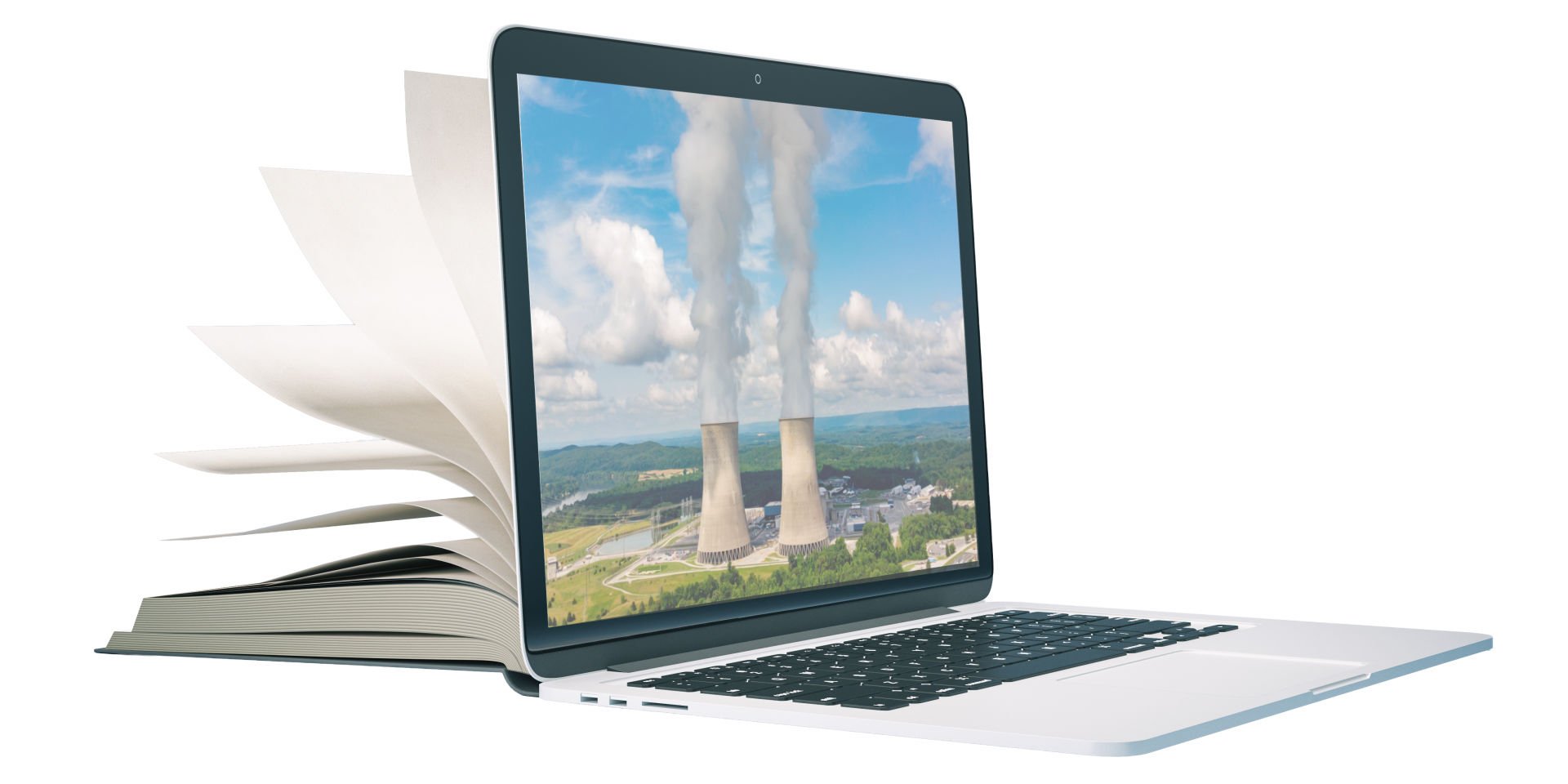
The nuclear industry is entering a new chapter.
Existing plants are extending operating lives beyond their original design expectations. New reactor technologies are moving from concept to construction. Investment in domestic manufacturing and fuel production is accelerating, and utilities are strengthening supply chains to support decades of future operation.
At the same time, another transition is taking place.
Across the industry, experienced engineers, procurement specialists, quality professionals, and technicians are retiring after careers spent supporting one of the world’s most demanding operating environments.
The industry’s next challenge is not simply replacing people. It is preserving the knowledge behind the decisions that have allowed nuclear plants to operate safely and reliably for generations.
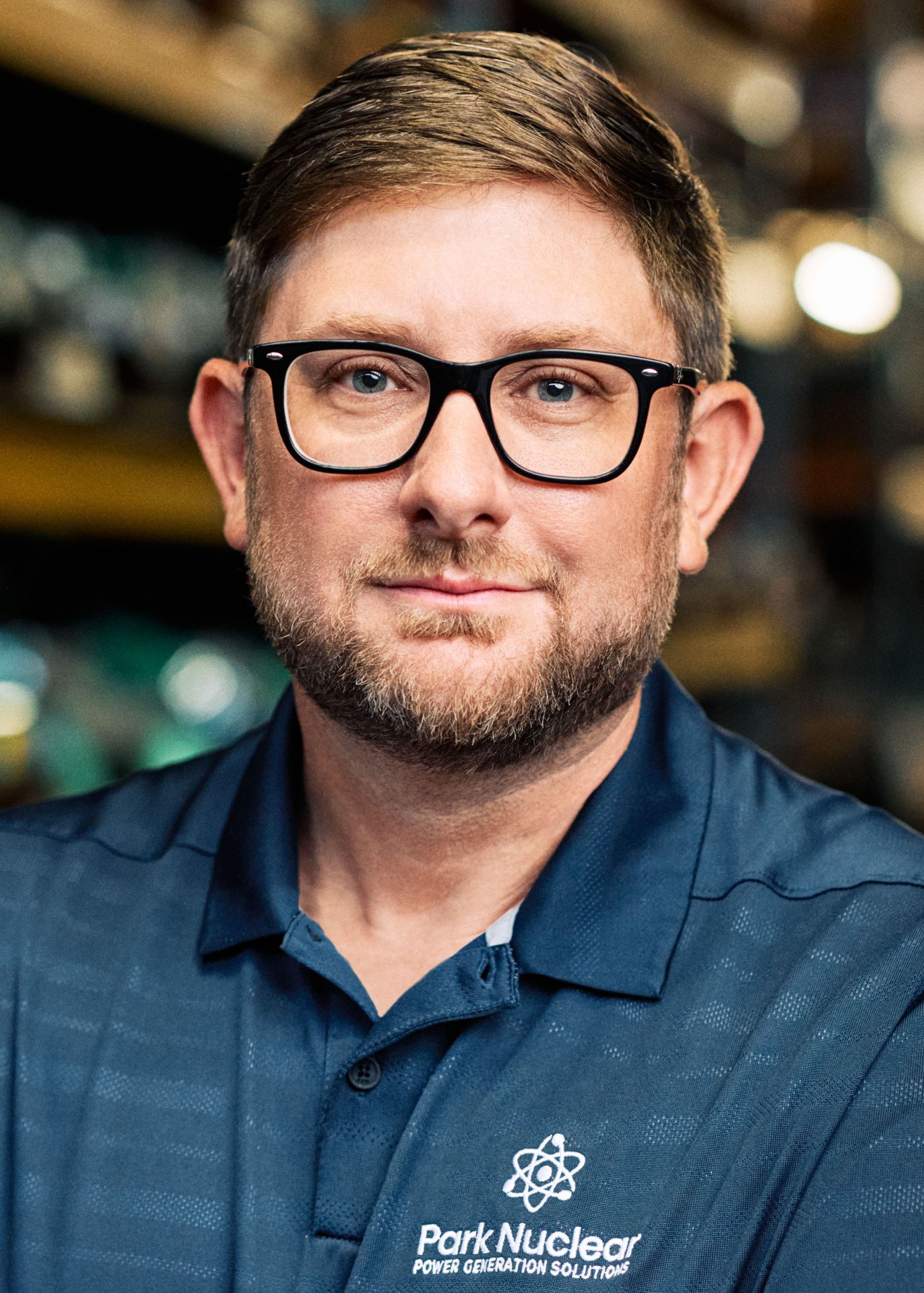 "The future of nuclear depends on more than new reactors, new technology, or expanded manufacturingcapacity. It depends on preserving the institutional knowledge that has supported safe, reliable operations for decades.
Over the next decade, the industry will welcome thousands of new engineers, procurement professionals, quality specialists, and technicians. At the same time, many of the people who built today’s fleet are reaching
retirement. Our challenge isn’t simply replacing experience—it’s ensuring that the knowledge behind decades of critical decisions continues to support the next generation of nuclear.”
— Michael Christianson, President Park Nuclear Power Generation Solutions
The question becomes: How does an industry preserve confidence when the people who created thatconfidence begin passing the torch? The answer is found in something much less visible than a reactor vessel or a safety system.
It is found in the quality program.
The Responsibility of Procurement Isn’t Limited to the Component
Procurement is often measured by whether the right component arrives at the right place at the right time. In the nuclear industry, its responsibility extends much further. Every procurement decision must also preserve the evidence that allowsthe decision to be understood, defended, and trusted years after the component enters service.
Procurement may purchase components, but the component itself isn’t the industry’s most valuable asset.
It’s confidence.
Confidence that a supplier was properly qualified.
Confidence that the correct material was used.
Confidence that inspections were completed by qualified personnel.
Confidence that every decision affecting quality was documented, reviewed, and can still be explained years, or even decades, after the component enters service.
That confidence does not happen by chance. It is built through disciplined quality systems that preserve boththe component and the knowledge behind it.
For more than five decades, that philosophy has shaped the nuclear industry’s approach to quality.
Preserving Knowledge Through Quality
Quality assurance programs are often viewed through the lens of compliance. In reality, the purpose of these programs is much broader.
As organizations evolve, personnel change, technologies advance, and suppliers come and go, the quality program preserves the knowledge that allows the industry to move forward without losing confidence in the decisions of the past.
More than 55 years ago, the nuclear industry recognized that confidence could not depend on individual experience alone. It required a disciplined system for preserving knowledge. That system became 10 CFR 50, Appendix B.
Today, ASME NQA-1 provides the industry’s most widely recognized framework for implementing those principles through documented processes, supplier qualification, procurement controls, traceability, corrective action, records management, and continuous oversight.
These requirements are not simply administrative controls.
They create a disciplined system that allows engineering knowledge, procurement decisions, inspection results, and quality records to outlive the individuals who originally created them.
Every Decision Leaves Evidence
Consider a single safety-related component entering the supply chain.
Before it reaches a plant, it has already accumulated a history.
Engineering requirements are reviewed.
Suppliers are evaluated and qualified.
Procurement documents define technical expectations.
Incoming inspections verify material and documentation.
Inspection and testing confirm critical characteristics.
Quality records capture each step.
Material certifications remain linked to the finished component.
Long after installation, that evidence remains available to demonstrate not only what was supplied, but why it was accepted.
That traceability does more than identify a component.
It preserves the decisions behind it.
More than Compliance
Because of this, quality assurance programs are often misunderstood.
They are not simply collections of procedures.
They are systems designed to preserve confidence for the life of a nuclear facility.
They answer questions that may be asked years later.
Why was this supplier selected?
Why was this material accepted?
Who reviewed this change?
Was the equipment calibrated?
Can the documentation still be produced?
Audits are one way that confidence is verified, but they are not the purpose of the system.
An audit is not looking backward. It’s ensuring confidence can move forward. It verifies that the quality assurance program continues to preserve institutional knowledge through documented processes, objective evidence, and traceability—not because the industry expects failure, but because confidence must endure as organizations, technologies, and people change.
Carrying Knowledge Into Nuclear’s Next Chapter
The next chapter of nuclear will be defined by new projects, new technologies, and a new generation of professionals.
Its success, however, will depend on something remarkably consistent.
Disciplined quality programs. Objective evidence. Traceable decisions.
Institutional knowledge that can be transferred from one generation to the next.
The industry’s future depends on more than building new infrastructure.
It depends on preserving the confidence that has supported safe operation for decades.
Where Confidence Carries Forward
"Behind that program is something that cannot be manufactured or purchased overnight: decades of institutional knowledge. Built through supplier relationships, procurement expertise, engineering support, and an understanding of the decisions customers face every day, that experience helps transform documented requirements into practical confidence."
— Patrick Jackson, Senior Director of Growth
Quality requirements are the same across suppliers. The relationships don’t have to be.
Located in Oak Ridge, Tennessee, Park Nuclear Power Generation Solutions is part of one of the nation’s most significant centers for nuclear engineering and innovation. Its Appendix B and NQA-1 quality program provides the disciplined processes, traceability, supplier oversight, and objective evidence required to support safety-related procurement.
For Park, quality assurance is more than a compliance requirement. It is how knowledge is preserved, confidence is maintained, and customers receive the specialized attention they need without compromising the rigor required by the nuclear industry.
Nuclear’s next chapter will be shaped by new technology, new projects, and new people. Its success, however,will continue to depend on something remarkably consistent: confidence built through disciplined quality systems, trusted partnerships, and knowledge carried forward.