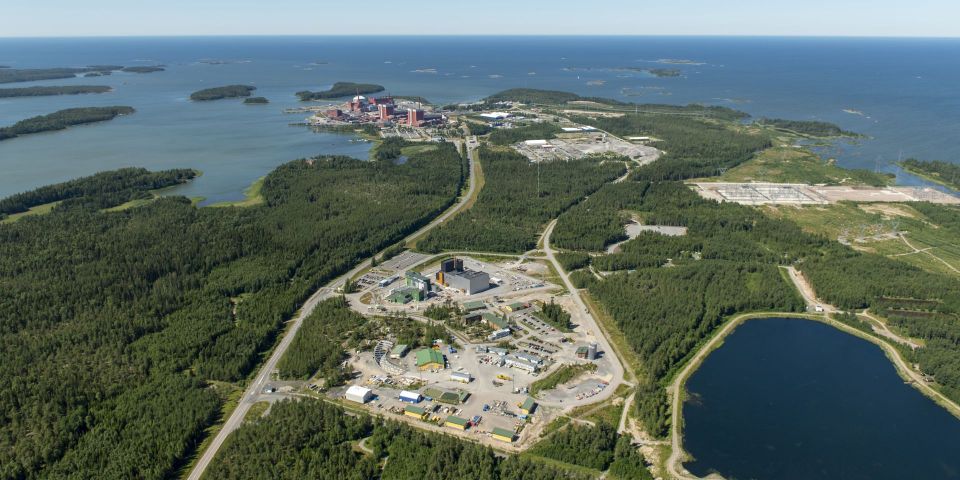
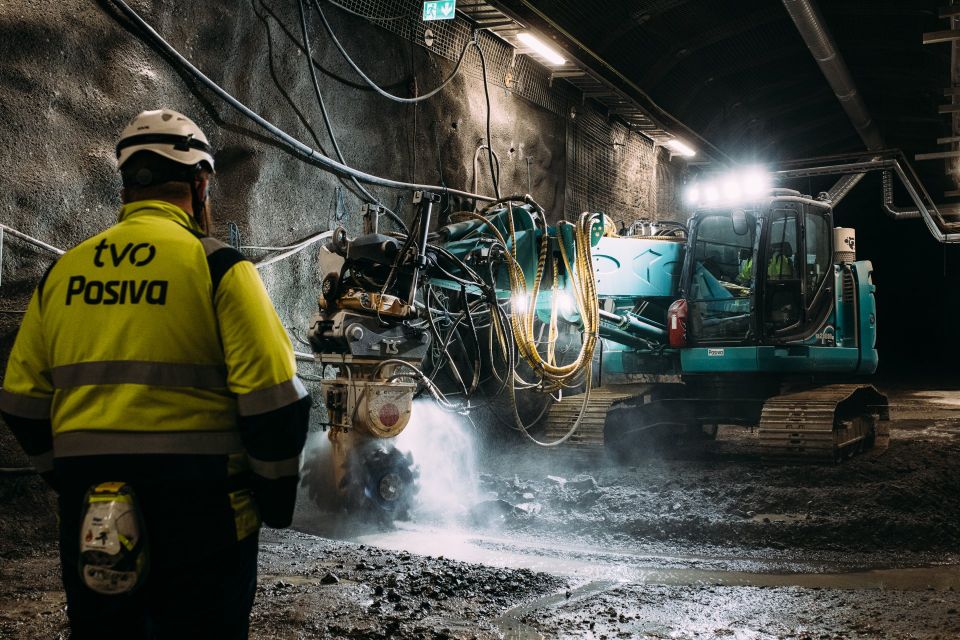
The disposal tunnel where the drilling of holes for nuclear waste has begun at Posiva’s Onkalo deep geological repository in Finland. (Photo: Posiva)
Last week the Finnish nuclear waste management company Posiva began drilling holes for final disposal at the Onkalo deep geological repository, near the Olkiluoto nuclear power plant in western Finland. The company’s German-made Deposition Hole Boring Machine (DHBM) took about 10 hours to drill the first hole, with a depth of 8.4 meters and a diameter of 1.75 meters, into the 1.9-billion-year-old bedrock. This is the first deposition hole intended for an iron-copper canister containing spent nuclear fuel—though test holes have been drilled at the site since 2022.
The Onkalo repository received a favorable safety assessment from the Radiation and Nuclear Safety Authority of Finland earlier in August.
Much anticipated day: Posiva construction manager Kimmo Lehtola noted, “We have already practiced with a couple of holes and preparations for the drilling of the actual deposition holes have been ongoing for quite some time; this day has been much anticipated by our team. It is great to have the opportunity to drill for the first time a hole which will actually become part of the final disposal process.”
DHBM details: Posiva, which is jointly owned by the Finnish nuclear utilities Fortum and Teollisuuden Voima Oyj, described the high degree of precision that is required in the drilling process. The company pointed out that the center point of a deposition hole cannot deviate from the vertical center line by more than 25 millimeters along the full length of the hole.
The DHBM, manufactured by Herrenknecht, is a large and sophisticated machine about nine meters long, more than three meters wide, almost four meters tall, and weighing 78 metric tons. The machine is accompanied by a 22-metric-ton energy unit that supplies it with electricity and an 18.5-metric-ton separator that separates loosened rock fragments from the water used in the drilling process. The DHBM can monitor its own position during the drilling operation to make sure that precision is maintained, adjusting its position with control cylinders should any deviations be detected.
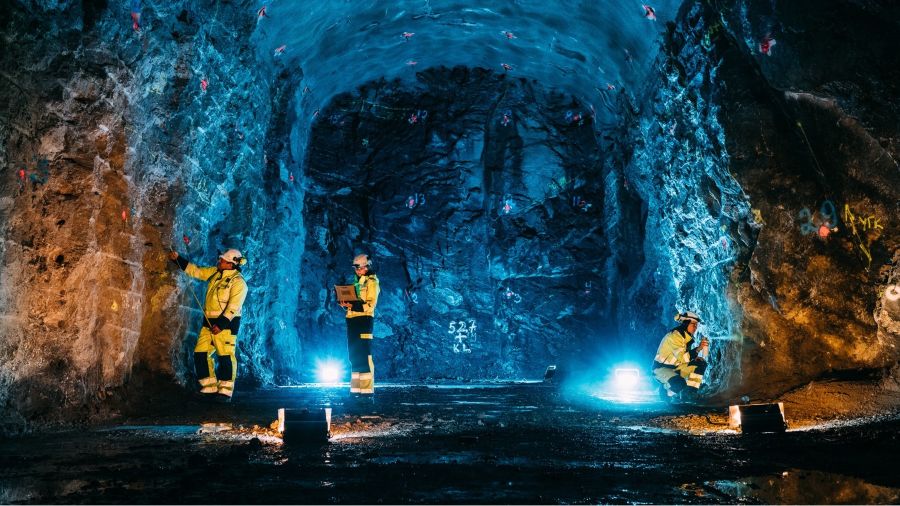
Careful measurements: The first three drilled holes will undergo careful measurements after drilling is complete to further ensure that the exacting standards are maintained before excavation is continued for subsequent holes. Holes will be rejected for use should any deviation in geometry or quality be detected. Once the drilling process is perfected and becomes more routine, Posiva hopes to regularly produce about two finished deposition holes per week.
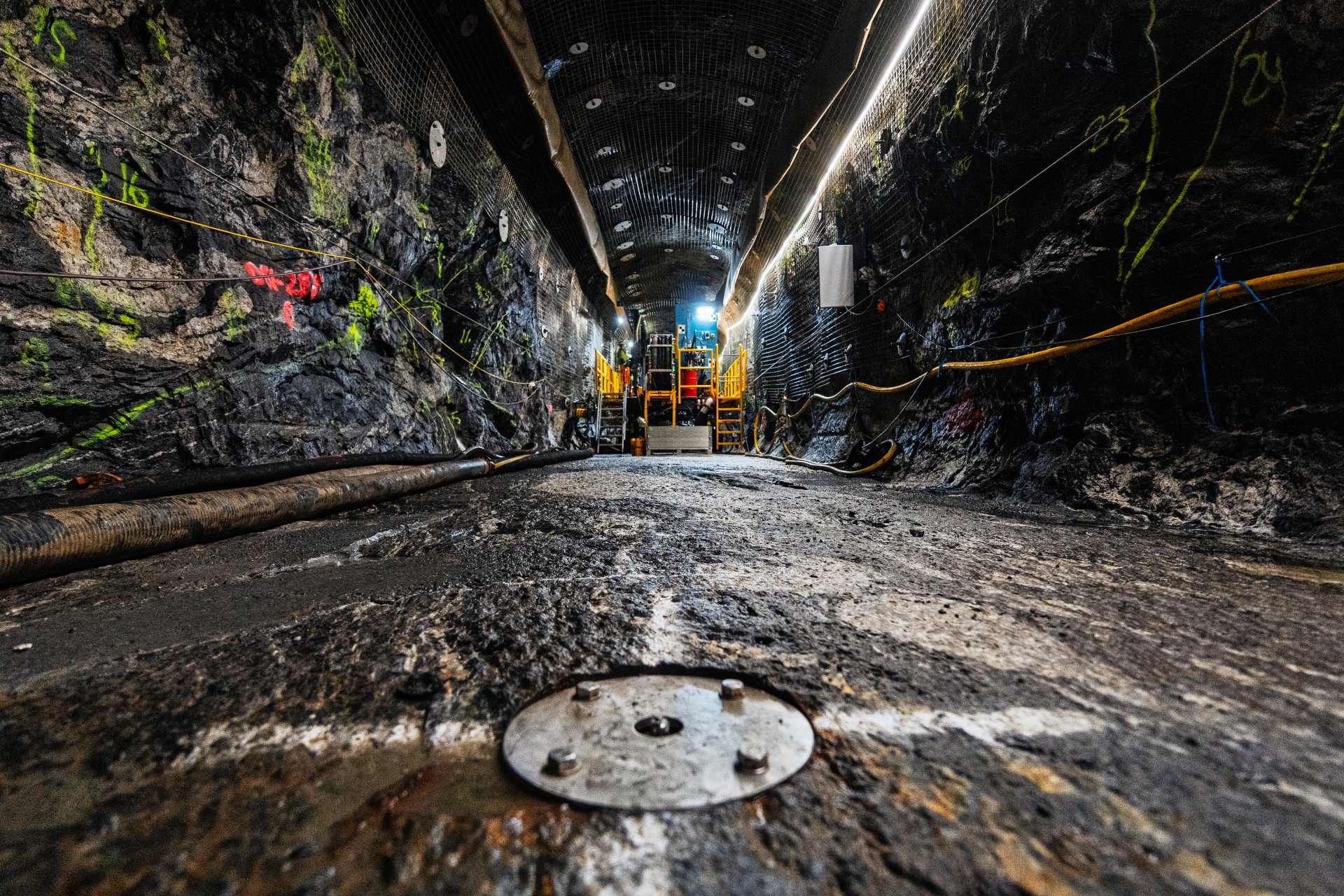
22 miles of tunnels: Approximately 30 deposition holes will be included in a 330-meter-long final disposal tunnel, which was previously excavated by Posiva at a depth of about 450 meters. The company estimates that about 100 tunnels, with a total combined length of 35 kilometers (22 miles), will be excavated during the 100-year operational life of the repository.

 rotated.jpg)