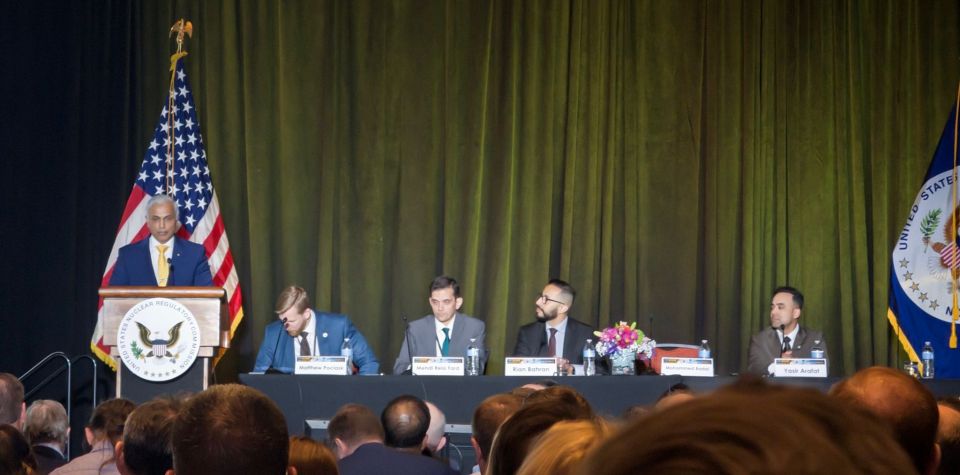
“These changes right-size our oversight program, reflect the high levels of industry safety performance, and will allow the NRC and industry to focus on what matters most today,” NRC Chairman Ho Nieh said. “The ROP is designed to evolve, and we will continue refining it based on staff insights and performance trends of licensees.”
The ROP updates fulfill the changes in licensing, regulating, and reviewing directed by the 2024 ADVANCE Act and President Trump’s Executive Order 14300 on NRC reform.
The details: The changes to the ROP include the following:
- The elimination of certain baseline inspection procedures (IPs) while transferring risk-significant attributes and inspection hours to other existing IPs.
- Keeping certain IPs but reducing the sampling and associated resource hours based on risk insights, fleet-wide operational performance, and other factors.
The affected IPs are in the reactor safety, emergency preparedness, radiation protection, and problem identification and resolution portions of the ROP.
According to NRC officials, the changes would reduce the number of annualized inspection hours from the current 2,018 hours to 1,245 hours.
“The NRC’s top-to-bottom review found long-term, clear evidence that the operating fleet’s performance has improved since the ROP was first implemented in 2000,” according to an explainer on the NRC’s ROP update web page. “It identified several areas requiring significant inspection resources that result in very few findings or safety benefits. Licensees have implemented strong operational practices in programs such as emergency preparedness, radiation protection, and security. This performance warrants a reduction in regulatory burden that will not compromise the effectiveness of the NRC's oversight. The changes also reflect input from internal and external stakeholders collected throughout the ROP comprehensive review process.”
After the adoption of these changes, operating power plants still will be required to have at least two resident inspectors who will focus on more targeted baseline reviews. The presence of resident inspectors should reduce the presence and frequency of regional inspections, which tend to be broader in scope and require additional travel and staffing.
In addition, the revised ROP also changes how “more than minor” findings are evaluated.
“These changes will result in fewer findings categorized as very low safety significance and will improve clarity and consistency in how issues are reported,” according to the NRC.

-3 2x1.jpg)