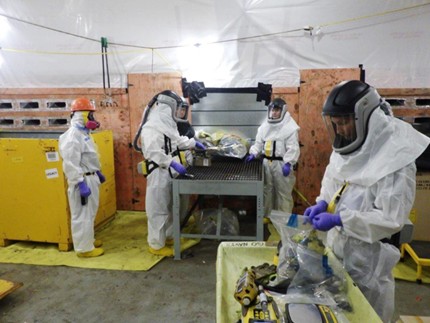
Brian Hutson, an employee of OREM contractor United Cleanup Oak Ridge (UCOR), believed efficiencies could be found in clearing all classified equipment and systems from the facility—a necessary step to get the Manhattan Project–era building ready for demolition. Initial estimates identified nearly 3,000 items requiring special removal, which would take 4.5 years and cost $66 million.
According to DOE-EM, Hutson worked closely with OREM, the Y-12 Field Office, and classification personnel to develop an approach that reduced the number of items requiring classified disposal from 3,000 to less than 300. The change shortened the schedule by 1.5 years and will save $16 million, according to DOE-EM.
A different perspective: “Being in the right place at the right time and knowing the right people was the catalyst for bringing a different perspective to the table,” Hutson said. “It was time to re-evaluate efficiencies to reduce the process time, ease the labor burden, reduce the number of classified items for removal, make the work environment safer, and deliver a cost-avoidance outcome saving millions in budget and taxpayer dollars.”
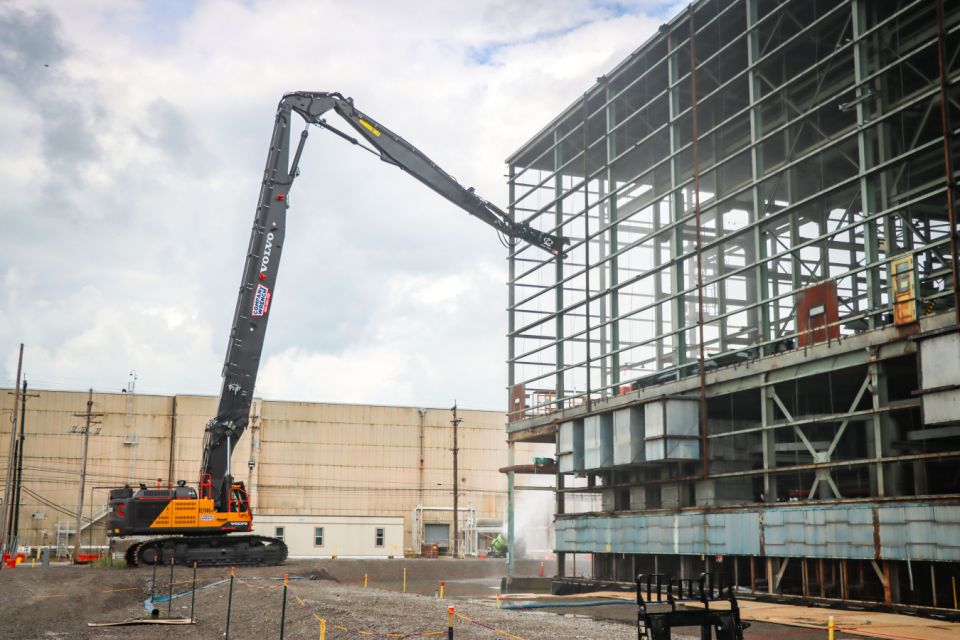
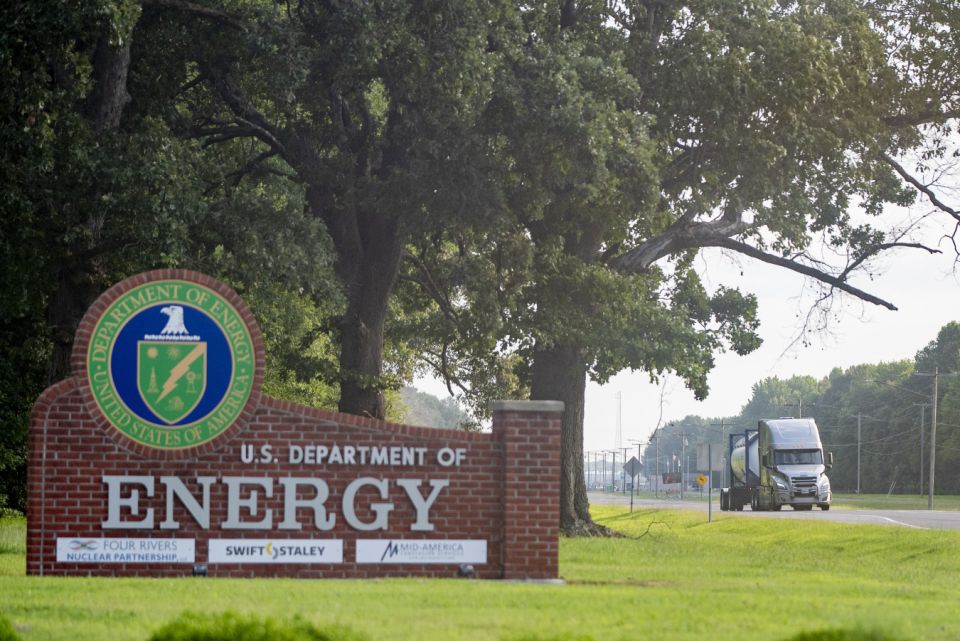
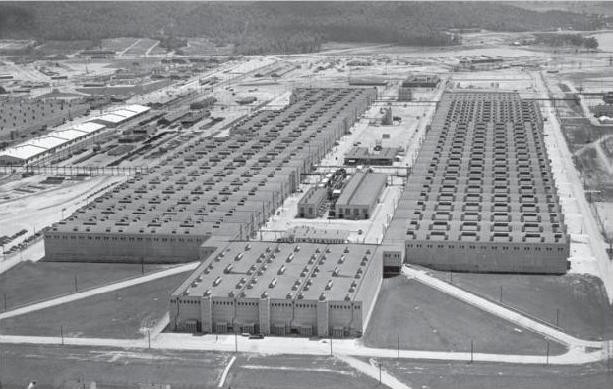
The building: Workers are in the early stages of deactivating Alpha-4, which spans 561,000 square feet and covers a 13-acre area. Removal of the building is part of DOE-EM’s larger cleanup effort at the Y-12 site in Tennessee, which focuses on demolishing old, contaminated facilities; removing legacy waste like mercury; and clearing land for new construction and modernization.
Alpha-4 was used for uranium separation from 1944 to 1945. A decade later, Column Exchange (COLEX) equipment was installed on the west, east, and south sides of the building for lithium separation, a process requiring large amounts of mercury. A significant amount of mercury was lost into the equipment, building, and surrounding soils during those operations, according to DOE-EM.
The work: The work currently happening inside Alpha-4 to prepare the building for teardown follows extensive efforts on its exterior in recent years. OREM and UCOR cleaned out the old COLEX equipment on the east and west sides of the structure and removed all the equipment from the west side.
Crews recovered 4.19 tons of mercury before demolishing the West COLEX. By deactivating the East COLEX and performing cleanup work in Alpha-4, teams retrieved another 2.3 tons, bringing the total amount of mercury recovered to 6.49 tons, DOE-EM said.
The savings from the Alpha-4 project are funding additional cleanup tasks and enabling more progress, according to DOE-EM, which hopes that OREM and UCOR can apply the revised approach to classified disposal to benefit other major upcoming cleanup projects at the Tennessee site.
Quote: “Our projects at Y-12 are incredibly complex due to the size, condition, and contents of the facilities we’re taking down,” said Morgan Carden, OREM’s Y-12 federal project manager. “Brian is an excellent example of what’s possible through a willingness to ask questions, challenge previous approaches, and bring the right people together who are all committed to achieving the best result.”