First commercial nuclear satellite launched on SpaceX mission
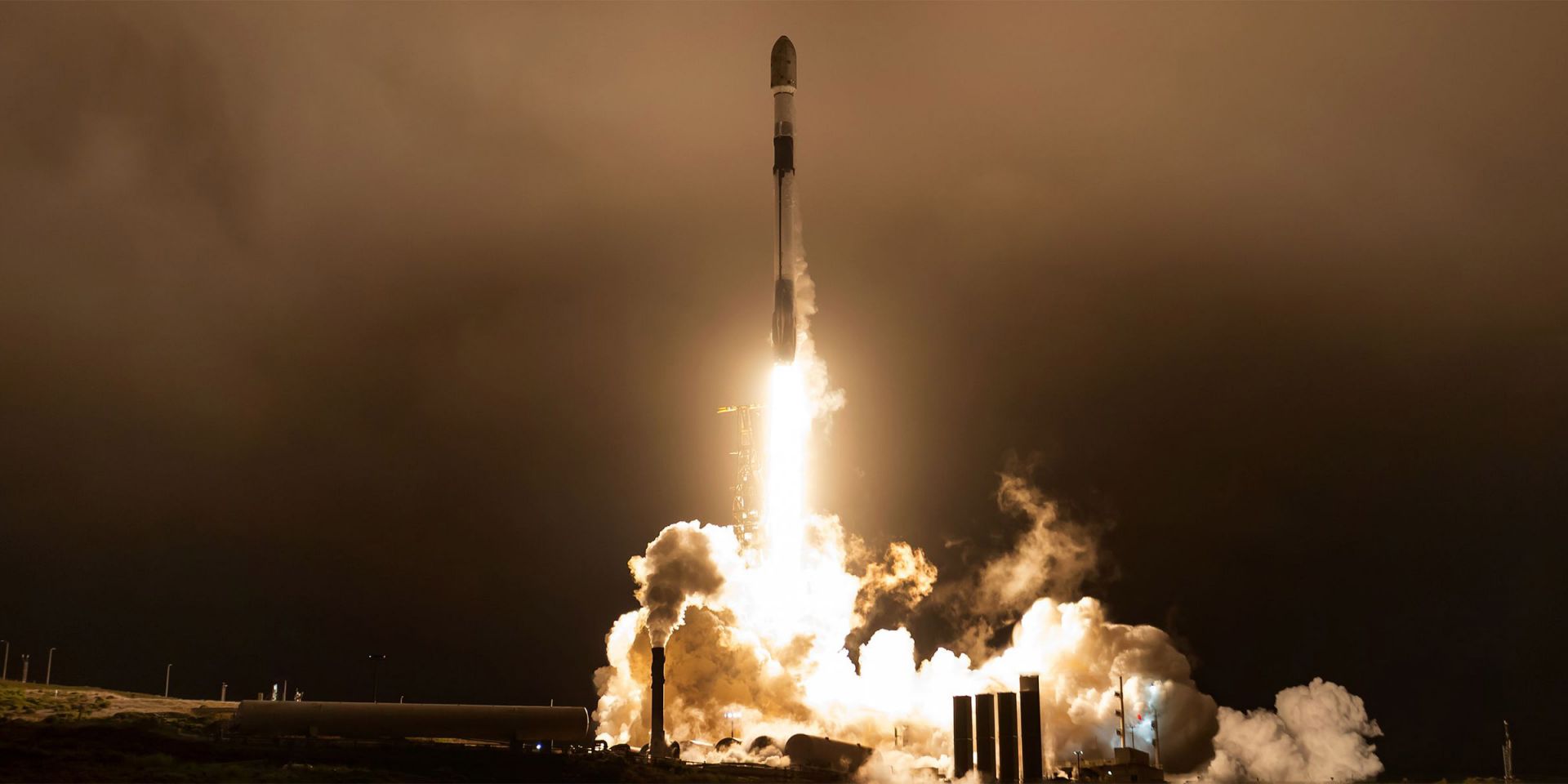
On July 7, SpaceX launched Transporter-17, a smallsat rideshare mission containing 81 payloads. One of the payloads was the Betavoltaic Orbital High-Reliability (BOHR) satellite developed by City Labs.
According to the company, BOHR is “the world’s first commercial nuclear-powered satellite and first nuclear CubeSat.” The spacecraft also broke new ground in the regulatory process for launch approval for commercial nuclear projects.
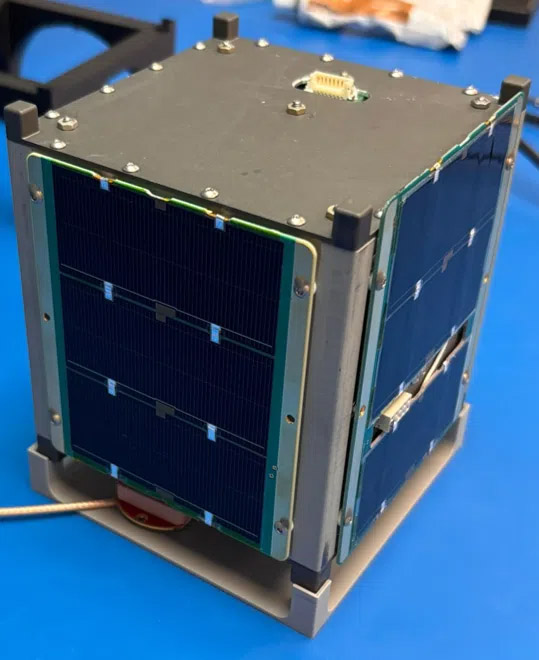
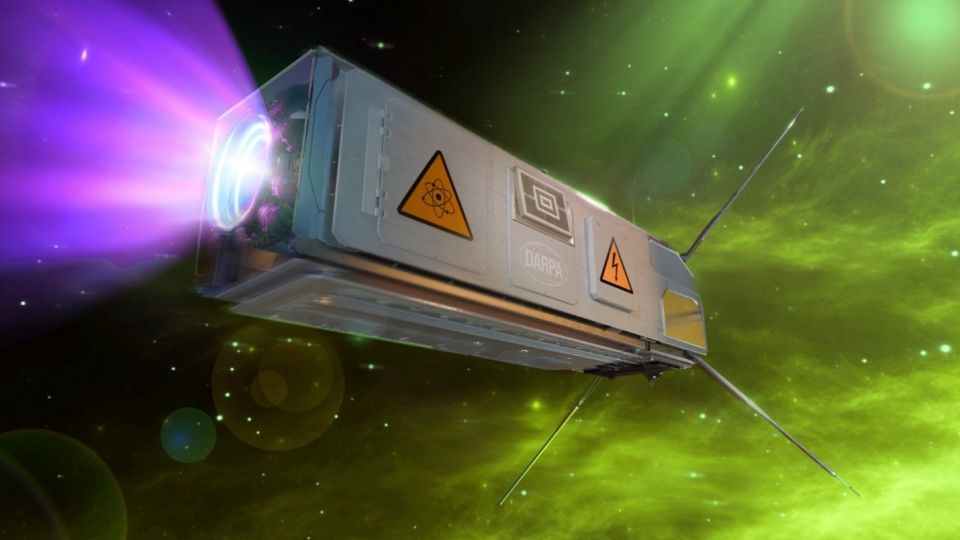
The assembled BOHR CubeSat. (Photo: City Labs)
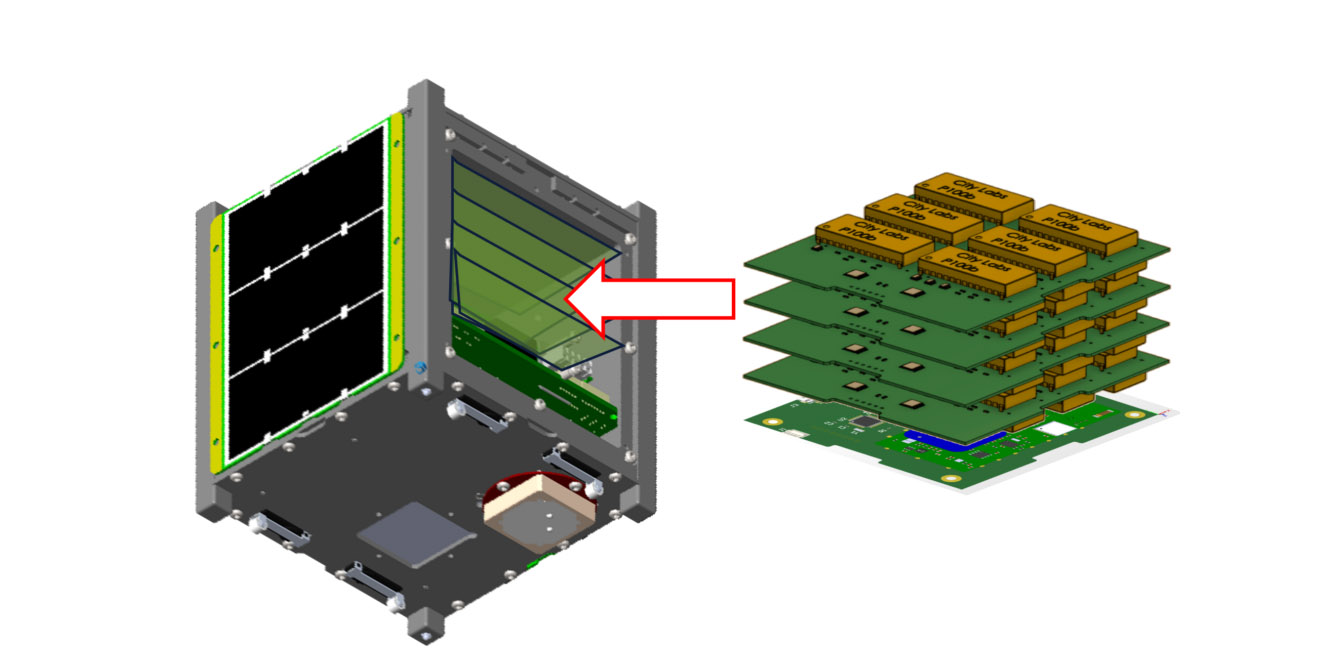
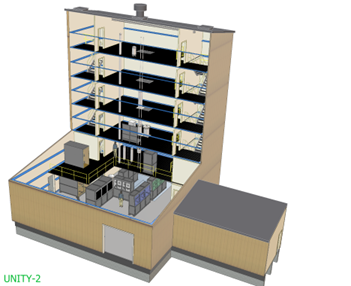
A diagram of the BOHR CubeSat assembly. (Image: City Labs)
The technology: The betavoltaic battery uses tritium trapped in a metal hydride matrix as a fuel source. A semiconductor structure is used to absorb high-energy electrons called beta particles emitted by the tritium, capturing the kinetic energy and directly producing electricity.
City Labs was recently selected for the Defense Advanced Research Projects Agency’s Rads to Watts program, through which it will be exploring a new metal hydride to see if it can pack more tritium into a given volume, improving the power density of its design.
BOHR uses solar power for satellite bus operations and City Labs’ betavoltaic battery to power and validate the payload demonstration.
“This is a historic step for commercial nuclear power in space,” said Peter Cabauy, CEO of City Labs. “BOHR demonstrates that safe, compact, and regulatory-approved nuclear power systems are ready for routine commercial deployment. This capability enables persistent, always-on payload operations that are not constrained by sunlight or battery life.”
Regulatory process: In 2019, National Security Presidential Memorandum – 20 (NSPM-20) laid out updates to the process for launching spacecraft containing nuclear systems. Now the Department of Transportation, which includes the Federal Aviation Administration (FAA), directs the coordination of various agencies to review the safety analysis for missions with nuclear components. The FAA updated its launch regulations in 2020.
The City Labs press release said the company received support in regulatory engagement from Sandia National Laboratories and that its payload authorization for the BOHR mission was confirmed in September 2025.
“The BOHR spacecraft is the first commercial nuclear mission to exercise the [FAA] pathway for nuclear launch approval as laid out in [NSPM-20],” said the press release.