The battle against New World screwworm continues
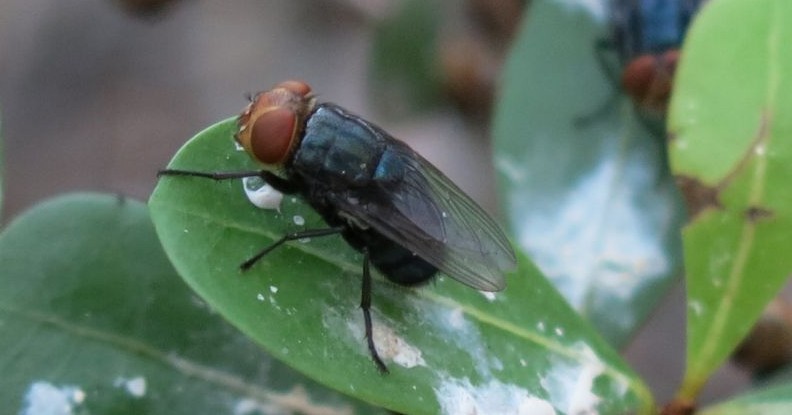
Last year, the state of Texas, in partnership with several arms of the federal government, mounted a major response to the New World screwworm (NWS)—a parasitic fly spreading through Mexico.
This year, as the NWS has continued its northward advance toward the U.S. border, eradication efforts have continued and intensified on multiple fronts.
The background: The NWS was once commonplace in the southwestern United States. These flies lay their eggs in the wounds of warm-blooded animals. Then the newly hatched larvae burrow (or screw) deeper into the wound, eating the living flesh of infested animals (typically livestock, wildlife, and pets, though human cases do occur). The damage caused by these larvae can lead to hosts being severely maimed or even killed if left untreated.
Prior to government intervention, southern ranchers were forced to watch their herds diligently, applying medicine to larvae-packed wounds or else culling animals that were beyond the point of treatment. That was until 1957, when the Department of Agriculture launched a novel campaign to eradicate the U.S. NWS population using a tool called the sterile insect technique (SIT).
SIT involves sterilizing insects by exposing them to radiation in their larval stage and then dropping the males into the wild via airplane to compete with nonsterilized males. The females then produce fewer viable eggs, reducing the total population. This strategy is particularly effective with the NWS, because the females mate only once in their lives.
Sterile fly factories were established, and the United States was officially declared free of the NWS in 1966—though isolated outbreaks have occurred in the ensuing decades. After eradication was complete, the U.S. partnered with countries throughout Central America to continue eliminating populations southward.
Mexico was declared free of the NWS by 1991. By the turn of the 21st century, the parasite was a fading memory all the way down to Panama’s Darién Gap, where a barrier was maintained through regular dispersals of sterilized NWS flies.
Recent timeline: In 2023, that barrier was breached for reasons not yet fully understood, but illegal cattle imports and COVID-19–related interruptions to sterile fly production have both been cited as likely causes.
Since then, reports of the NWS have progressed ever northward. In May 2025, Secretary of Agriculture Brooke Rollins suspended imports on live cattle, horses, and bison through all southern border ports of entry. In June, she announced an $8.5 million project to build a new SIT facility at Moore Air Base in South Texas. In August, the Department of Health and Human Services permitted the Food and Drug Administration to issue emergency use authorizations for “animal drugs” to treat and prevent NWS infestation.
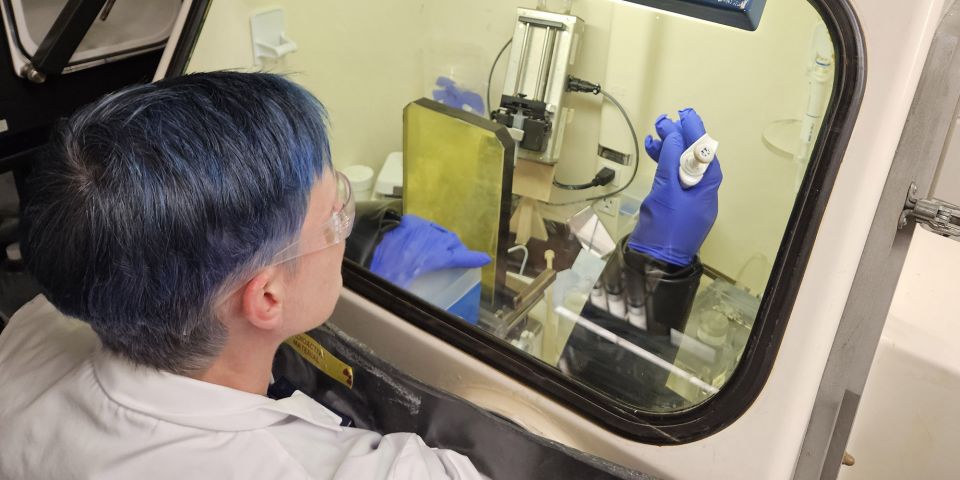
In September, the USDA confirmed a case of NWS in Nuevo León, less than 70 miles from the U.S.-Mexico border near a highway described as “one of the most heavily trafficked commercial thoroughfares in the world.” Days later, the Department of Energy’s National Nuclear Security Administration partnered with Texas A&M University to research possible nonradioactive means of sterilizing NWS. (Currently, SIT relies on cobalt-60 gamma sterilization.)
In January 2026, the Centers for Disease Control and Prevention issued an alert regarding NWS detection in Tamaulipas, a Mexican state that borders Texas. Later that month, Texas Gov. Greg Abbot declared a state of emergency on the spread of the NWS and authorized the use of all available state resources to address the issue.
The next day, the USDA announced that it would shift its dispersal of 100 million flies per week further north to better protect the border. This new operation zone goes as deep as 50 miles into Texas. The USDA currently gets its flies from a facility in Panama, though it has also invested $21 million to renovate a facility in Mexico, which is predicted to enter operation later this year.
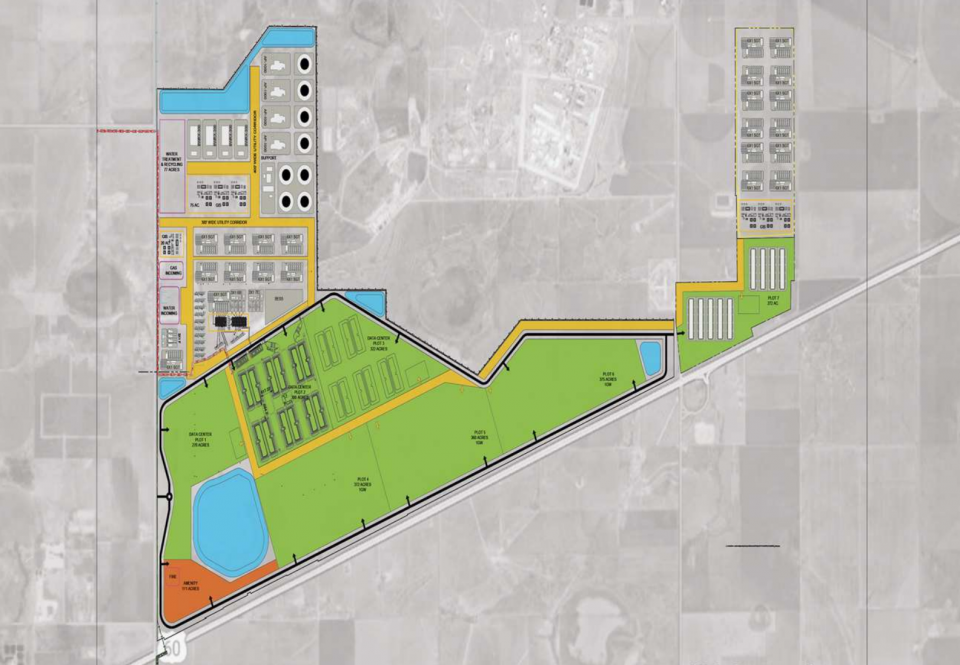
On February 9, the USDA announced that it had completed the planned SIT facility at Moore Air Base, bolstering the nation’s capacity for combatting further spread. The USDA also announced that it was investing up to $100 million to support further methods to combat NWS.
With sterile flies now officially being dispersed in the United States, there is clearly more cause for concern than in recent decades. However, with a state of emergency declared, one new facility opened and another slated to come on line this year, Co-60 supplied, and significant state and federal resources directed to halting the spread of the NWS, there is also cause for optimism.


 2x1.jpg)