ISR mining: With the ISR method, also referred to as in situ leach, uranium minerals are recovered from underground ore by dissolving them on-site using a solution that is injected into the ore body. The solution is then pumped to the surface, where the minerals are recovered from the solution.
The ISR mining method is now used in more than half of the ongoing uranium production operations in the world, but this is the first time it will be used in Canada. In addition to the Phoenix deposit, Denison Mines believes that ISR has potential application at other mining projects, such as the Tthe Heldeth Túé and Midwest Main uranium deposits, both also in the Athabasca basin.
Construction activities can now begin on the Wheeler River project, which is also the first large-scale Canadian uranium mine to be approved for construction in more than 20 years. Denison believes that with the use of the ISR technique, “Phoenix has the potential to generate strong economics while also achieving a superior standard of sustainability when compared to conventional mining methods.”
The company said that the project is on track for production to begin by mid-2028. The current CNSC license for construction is valid through February 2031.
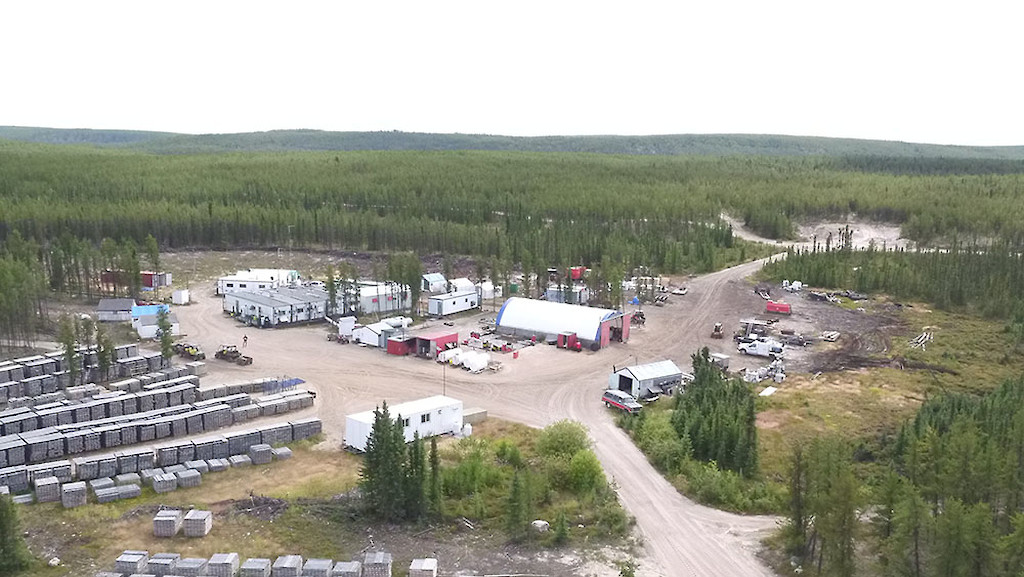
Phoenix and Gryphon: The Wheeler River site, which is about 600 kilometers (373 miles) north of Saskatoon, Saskatchewan, constitutes the largest undeveloped uranium project in the Athabasca basin. Its two high-grade uranium deposits, Phoenix and Gryphon, were discovered by Denison in 2008 and 2014, respectively. The deposits are being developed by a joint venture between Denison (operator and 90 percent owner) and JCU (Canada) Exploration Company Limited (10 percent owner). Feasibility studies have indicated that “both deposits have the potential to be competitive with the lowest-cost uranium mining operations in the world,” according to Denison.
According to estimates, the Wheeler River project could be capable of producing as much as 5,400 metric tons of uranium oxide annually for as long as 15 years. According to a 2023 technical report, the Phoenix deposit has a mineral resource estimate of 70.5 million pounds U3O8, with 30.9 million pounds in measured resources and 39.7 million pounds in indicated resources.
Landmark achievement: Denison president and CEO David Cates said that the CNSC approval “represents a landmark achievement for Denison, as well as our staff, shareholders, Indigenous partners, and other stakeholders in the project. I'd like to recognize the efforts of Denison's talented teams, which have worked together tirelessly over a seven-year period to engage with Indigenous and non-Indigenous communities, comply with applicable laws and regulatory requirements, build trust with regulators and the public, and ultimately advocate for the approval of this groundbreaking project.”