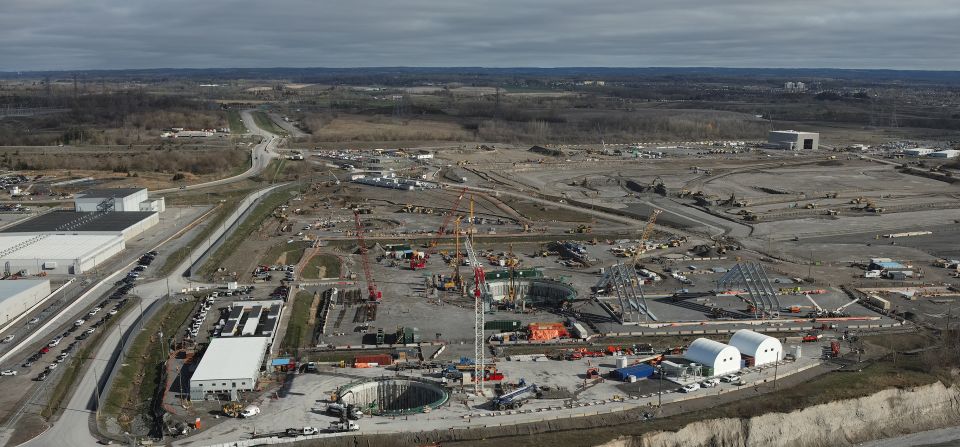
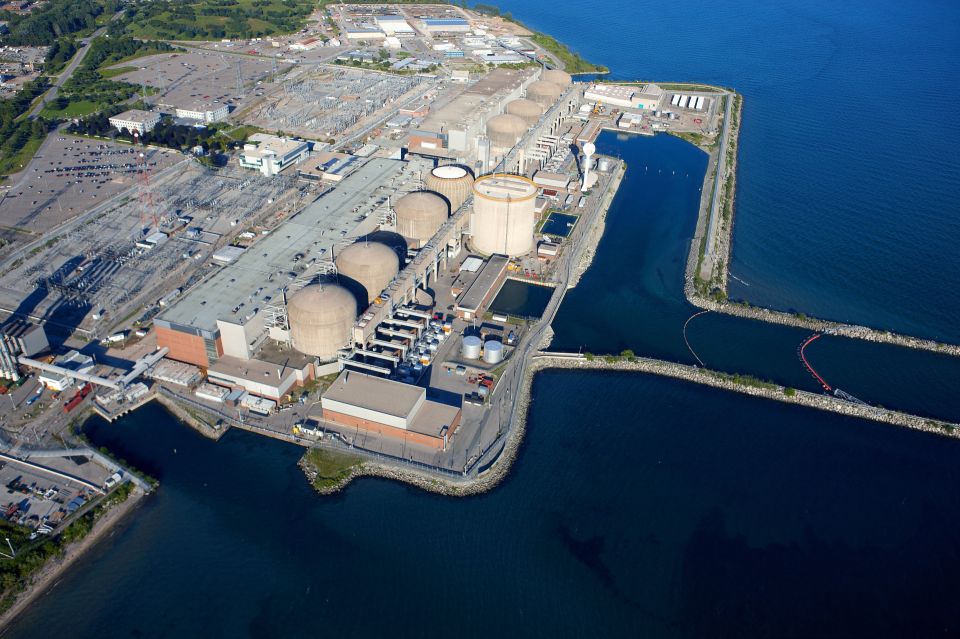
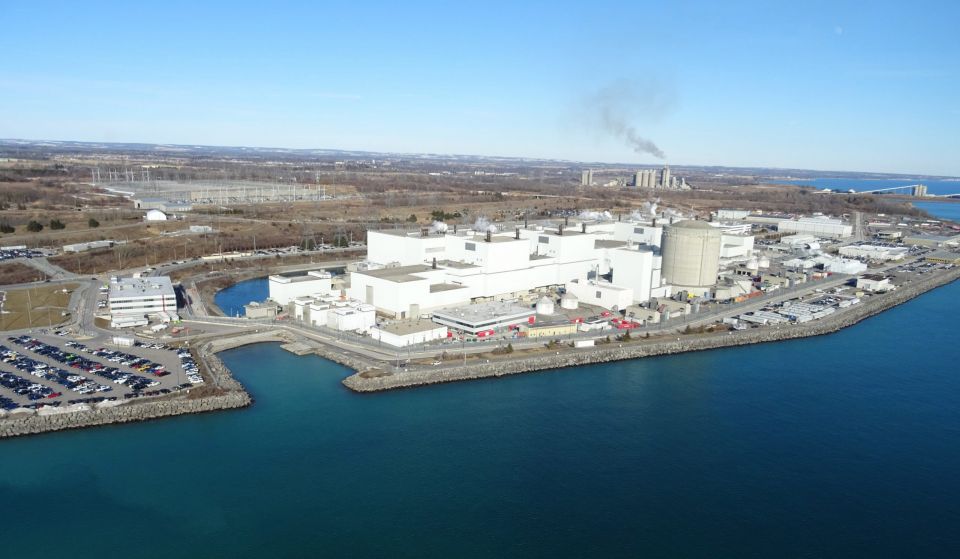
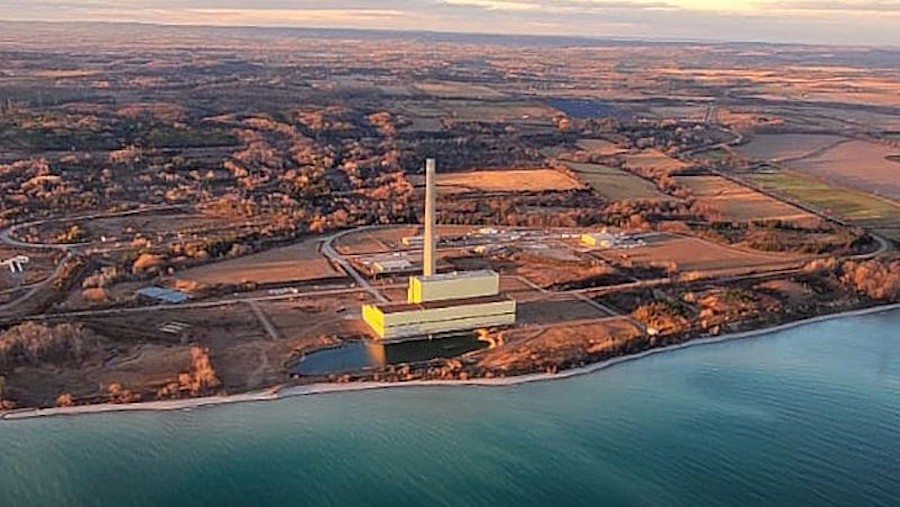
The Wesleyville site was supposed to host an oil-fired power station in the 1970s, but the plant, though built, never became operational. OPG has been maintaining the property, which is located near existing transmission, road, and railway infrastructure and is already zoned for new electricity generation.
Lecce emphasized that the OPG–Port Hope memorandum of understanding “will boost both the local and Canadian economy, with over 90 percent of nuclear investment stamped with ‘Made in Canada.’” He added that “now is exactly the time to double down on Canada—putting our workers, technology, and supply chain first.”
The Wesleyville nuclear project is expected to support 10,500 jobs in Ontario, including 1,700 positions in Port Hope, and will contribute an estimated C$235 billion (nearly $172 billion) to Ontario’s gross domestic product over the power plant’s projected 78-year lifespan.
OPG–Port Hope collaboration: OPG submitted its initial project description to the Impact Assessment Agency of Canada for approval in January. The utility company and the local government plan to work together throughout the impact assessment phase and the regulatory approval and licensing processes. OPG has provided more than C$4 million (almost $3 million) in “growth readiness funding” to Port Hope to help the community prepare for the workload of the impact assessment process and the beginning stages of the project, as well as C$500,000 ($365,700) for staffing requirements related to the project work.
OPG plans to continue its engagement with indigenous communities during the project planning and assessment processes via separate agreements. Under terms of the agreement, the OPG–Port Hope collaboration will also include promotion of the health of the local ecosystems, air quality, and water resources.
Potential technology: Although OPG has not yet selected a specific reactor technology for the Wesleyville site, it is expected to use its “plant parameter envelope” approach for site licensing, and that approach is known to include Westinghouse’s AP1000, EDF’s EPR, Atkins Realis’s Candu Monark, and GE-Hitachi’s BWRX-300.
Prepare for future growth: Port Hope Mayor Olena Hankivsky said that the government-corporate partnership “represents the kind of forward-looking collaboration our community needs to prepare for future growth as we continue to explore the development of clean energy generation in Port Hope. By strengthening partnerships, enhancing community engagement, and supporting sustainable development, we are laying the groundwork for long-term economic growth and community well-being,” she said.
Nuclear energy currently provides about one-half of Ontario’s electricity supply. New nuclear development is a key part of the province’s Energy for Generations integrated energy plan, which “establishes a planning horizon out to 2050 and brings together the full force of the province’s energy system—electricity, natural gas, hydrogen, storage, and other energy sources—to make its economy more competitive, resilient and self-reliant over the long term.”

-3 2x1.jpg)
_45278_49836.jpg)

.svg)