-3 2x1.jpg)
CLEAN SMART bill reintroduced in Senate
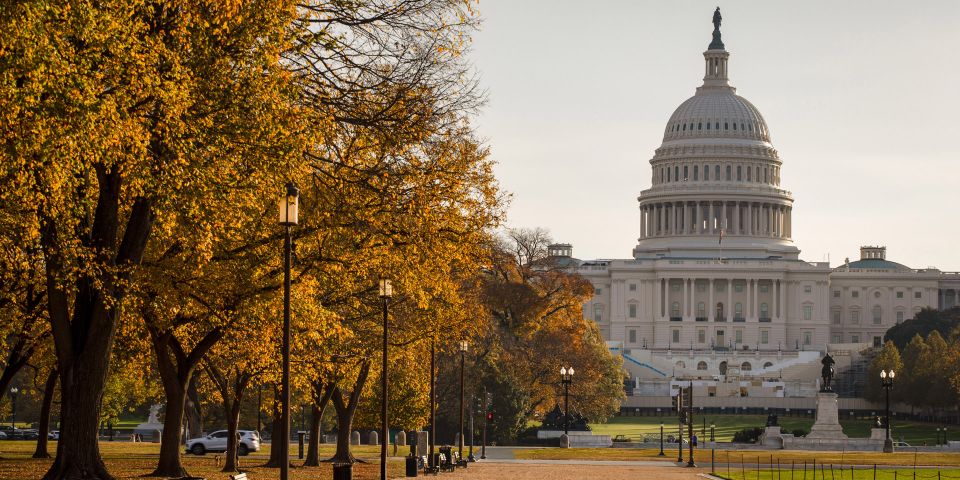
Senators Ben Ray Luján (D., N.M.) and Tim Scott (R., S.C.) have reintroduced legislation aimed at leveraging the best available science and technology at U.S. national laboratories to support the cleanup of legacy nuclear waste.
The Combining Laboratory Expertise to Accelerate Novel Solutions for Minimizing Accumulated Radioactive Toxins (CLEAN SMART) Act, introduced on February 11, would authorize up to $58 million annually to develop, demonstrate, and deploy innovative technologies, targeting reduced costs and safer, faster remediation of sites from the Manhattan Project and Cold War.
Luján previously introduced the bill in December 2024, after which it failed to make it out of committee.
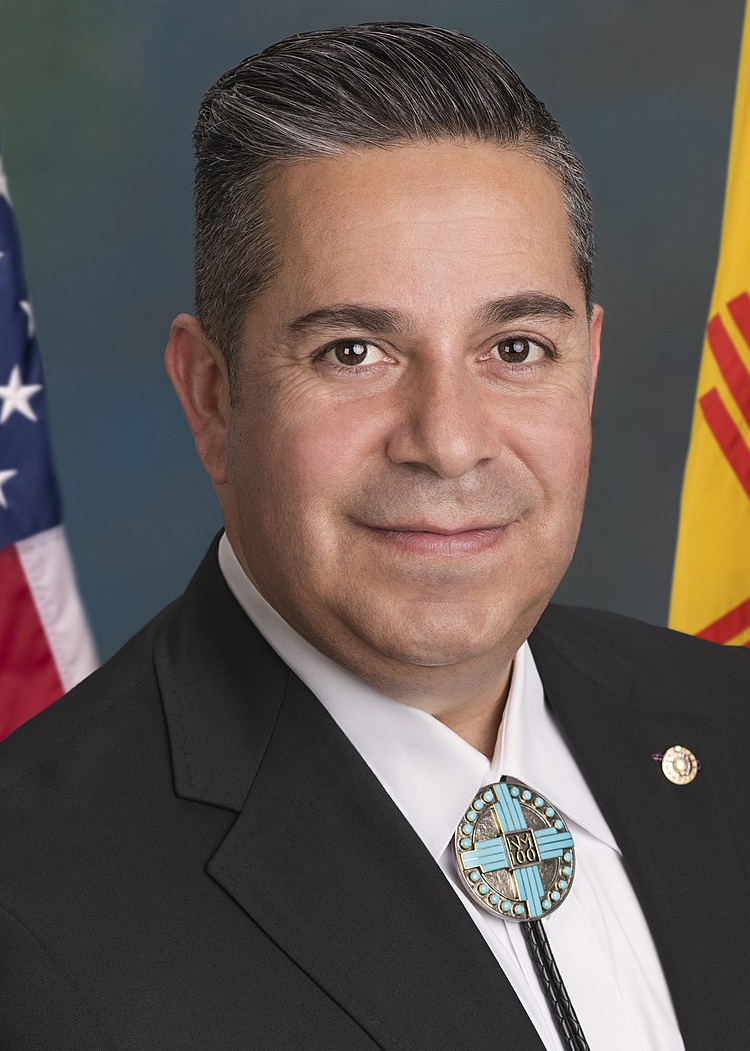
Luján
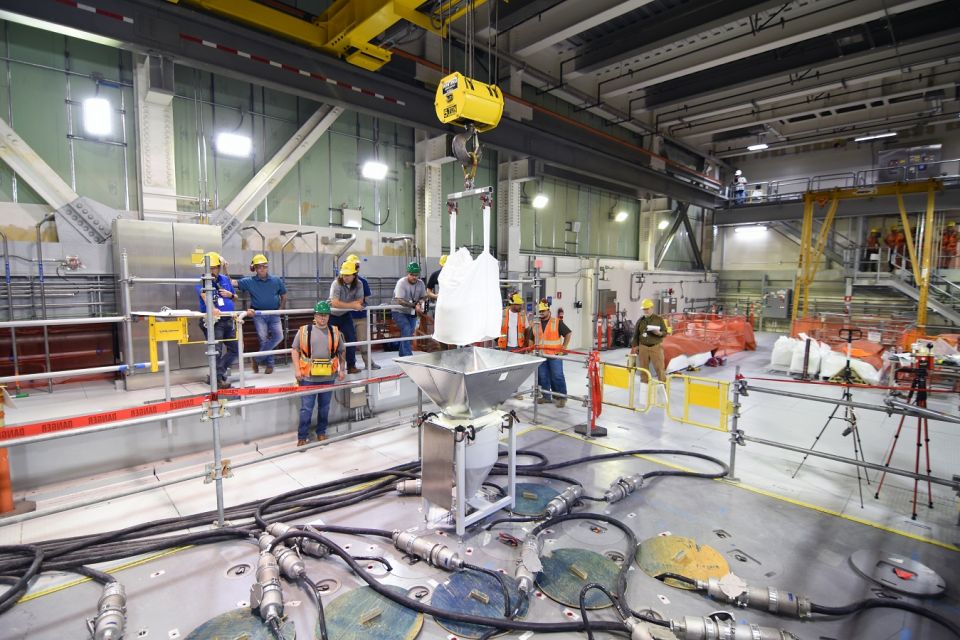
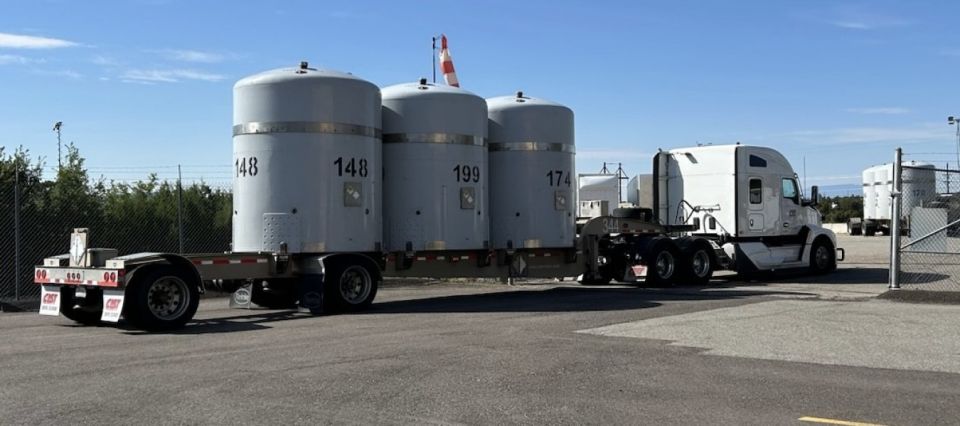
Legacy waste: Currently, the Department of Energy’s Office of Environmental Management is responsible for the remediation of 15 legacy sites across the United States that hold nuclear waste from the Manhattan Project and the Cold War era. According to Luján, the cost to decommission these remaining sites continues to grow and is estimated to be nearly $700 billion, for a completion date near the end of the century.
Leveraging the capabilities of the DOE’s Network of National Laboratories for Environmental Management and Stewardship (NNLEMS) would help accelerate the cleanup of these legacy sites, Luján said.
Using AI: Luján also said that the CLEAN SMART Act provides critical support by strategically integrating cutting-edge technologies like AI and high-performance computing into environmental remediation.
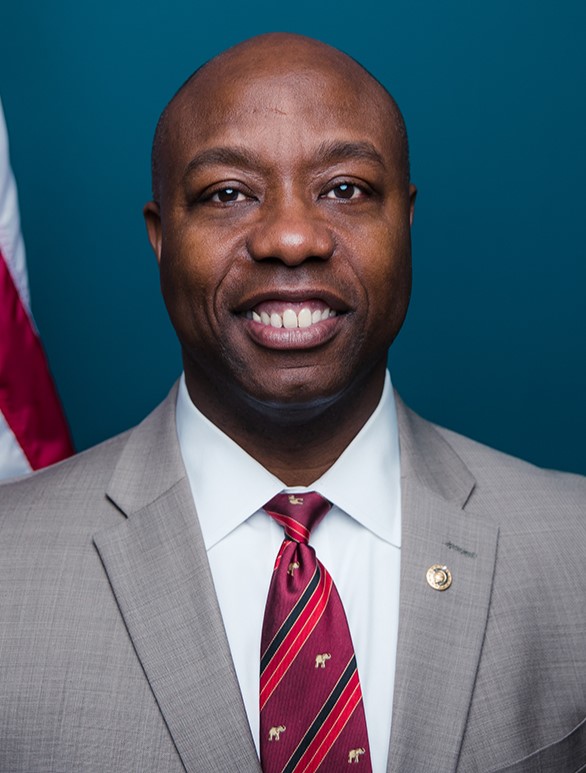
Scott
In announcing the bill, Luján linked the legislation to the Genesis Mission, the DOE-led initiative to use U.S. national laboratories to build an integrated AI platform to accelerate discovery, strengthen national security, and drive energy innovation.
The CLEAN SMART Act: The legislation, if enacted, would do the following:
- Codify and fund the DOE’s NNLEMS.
- Improve interagency coordination on environmental management research, including on areas of basic research.
- Direct the DOE to maintain a comprehensive technology development and deployment plan that promotes the full range of R&D options.
- Mandate corrective actions when sites exceed cost thresholds to mitigate cost overruns, incorporating recommendations from the U.S. Government Accountability Office.
The full text of the bill can be found here.
Quotables: “Across the country, our national labs—like Sandia and Los Alamos—are home to our brightest minds who drive innovation and scientific advancement,” said Luján, who is founder and cochair of the Senate National Labs Caucus. “As we continue to address our nation’s environmental legacy from the Manhattan Project and the Cold War, I’m proud to partner with Senator Scott to introduce the CLEAN SMART Act to leverage the expertise of our national labs to speed up the cleanup process while saving taxpayers billions.”
Scott added, “America’s national laboratories reflect the best of American innovation, including the world-class work being done at the Savannah River National Laboratory in South Carolina. The CLEAN SMART Act takes a bipartisan approach to harnessing that expertise to accelerate nuclear cleanup while protecting taxpayer dollars.”
American Nuclear Society Executive Director/CEO Craig Piercy said, “I applaud Senators Luján and Scott for promoting the role of innovation in the cleanup and management of our defense nuclear sites. The emergence of new technologies like artificial intelligence creates significant opportunities to accelerate progress and lower costs. Unlocking this potential, however, will require the combined talent of our national laboratories working together.”