A.B. 472: In Wisconsin, Assembly Bill 472 was authored by state Rep. Shae Sortwell (R., 2nd Dist.) and State Sen. Jesse James (R., 23rd Dist.). The bill would create a nonrefundable income and franchise tax credit for nuclear energy generation. As written in the bill passed by the state Assembly, "the credit is equal to the nominal rated capacity of a claimant’s nuclear energy facility measured in megawatts multiplied by an applicable credit factor. For the first 10 tax years . . . the applicable credit factor is $10,000."
Beyond this credit, the bill “establishes as state policy that nuclear energy is a high-priority option, second only to energy efficiency and conservation, to be considered in meeting the state’s energy demands,” above both renewables and fossil fuels.
Notably, the bill would also authorize the Wisconsin Public Service Commission to approve tariffs for any customers that own or operate a facility with an energy demand of at least 75 megawatts. That tariff is intended to ensure other customers are not burdened with costs associated with serving the demand of these large customers, like data centers.
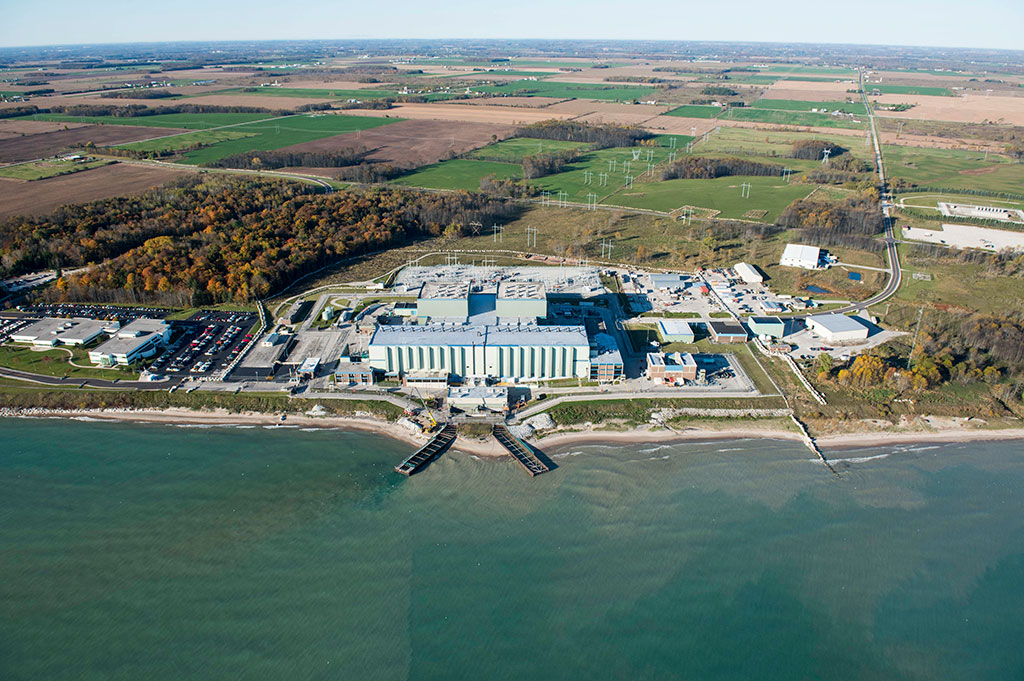
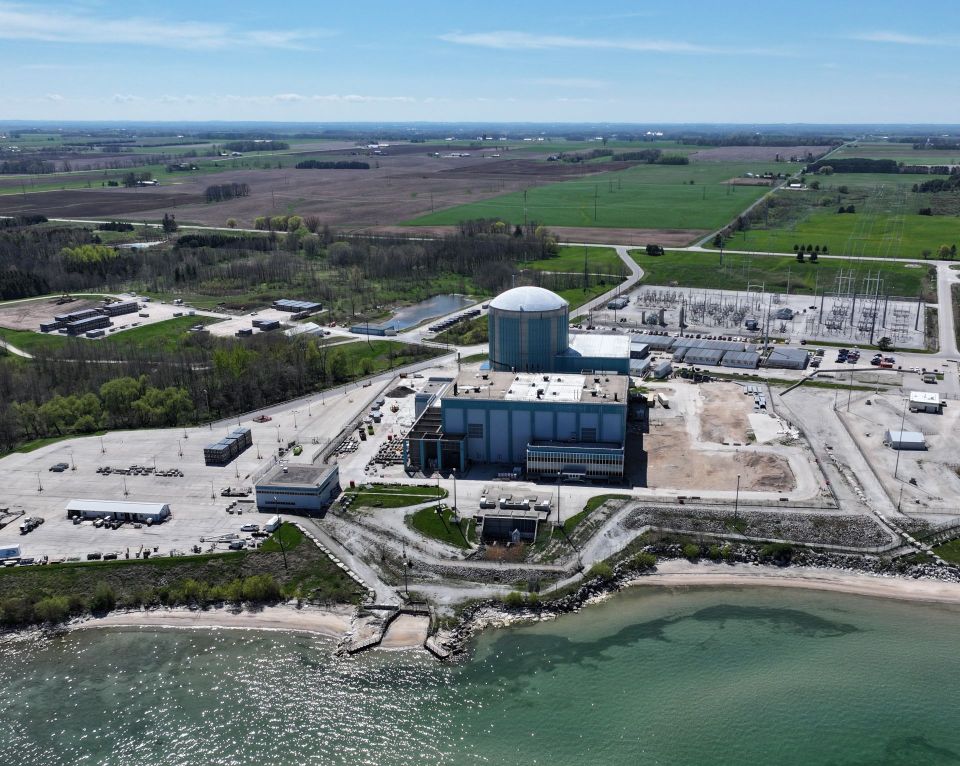
Having passed through the Assembly, A.B. 472 now will head to the state Senate for consideration, following continued efforts in the Wisconsin legislature to bolster nuclear energy. It also follows other efforts in the state by industry—such as EnergySolutions’ recent submittal of a notice of intent to the Nuclear Regulatory Commission in regard to new nuclear generation at the closed Kewaunee nuclear power plant.
S.B. 258: In Indiana, Senate Bill 258 was authored by Sens. Eric Koch (R., 44th Dist.) and Blake Doriot (R., 12th Dist.). Where Wisconsin’s A.B. 27 would promote new nuclear development with a tax break, the Indiana bill would promote development with deregulation.
Currently, to construct or operate a nuclear facility, companies must first receive permits from the Indiana Department of Environmental Management (IDEM). This bill would repeal the requirement that companies receive an IDEM permit for nuclear projects.
The bill would also do away with the IDEM commissioner’s authority to conduct a public hearing on the environmental effects of proposed nuclear facilities.
Koch explained to the Chicago Tribune that the NRC is responsible for the licensing and regulation of all commercial nuclear power plants, including their radiological safety. After the passage of the bill, Indiana “would still remain the regulator of stormwater permitting, wastewater discharges, air, and solid and waste management requirements that do not involve radiological aspects.”
The Tribune also quoted Alex Goodnight, deputy legislative director of IDEM, who called the provisions up for elimination “outdated and unnecessary.” He added, “These proposed changes reflect existing laws and establish appropriate division of responsibilities between the state and Nuclear Regulatory Commission.”
S.B. 258 follows some recent nuclear activity in Indiana. Perhaps most notably, late last year, start-up First American Nuclear Co. went all in on the state, announcing plans to establish its headquarters, manufacturing facilities, and an SMR site in Indiana.

-3 2x1.jpg)


.png)