The top 10 states of nuclear
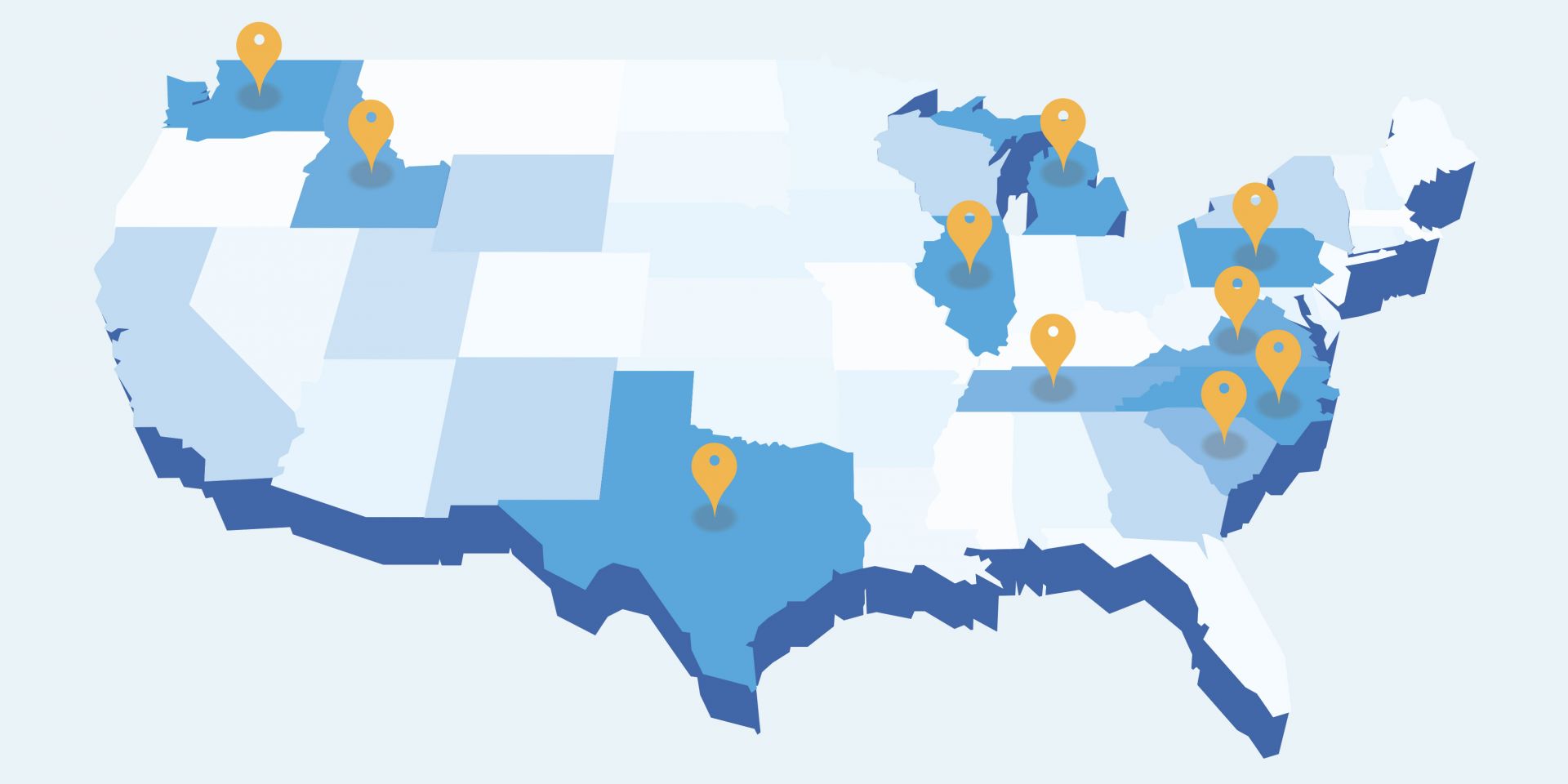
The past few years have seen a concerted effort from many U.S. states to encourage nuclear development. The momentum behind nuclear-friendly policies has grown considerably, with many states repealing moratoriums, courting nuclear developers and suppliers, and in some cases creating advisory groups and road maps to push deployment of new nuclear reactors.
In light of this, the Nuclear News team decided to review the current “state of the states” and curate a top 10 list (it’s possible that weekly college football rankings influenced how we chose to approach this complicated topic). How hard could it be to channel Buzzfeed and boil down decades of policy, technology development, and economic shifts into a listicle?
This ranking is intended as a snapshot of current trends and initiatives. Below, we highlight states actively pursuing new reactor projects, supporting research and innovation, and investing in supply chain infrastructure. This has been a fun way to review the state of the industry and track individual states’ nuclear development. Our goal was to be as objective as possible as we reviewed the details of each state’s current fleet, potential future deployments, nuclear supply chain developments, company headquarters, and so forth. But no matter how many metrics we apply, this list remains part science and part gut feeling.
While there are no shocking entries in the top 10, going through 50 states and picking just 10 doesn’t capture all the momentum building around the country. So before we get to our top 10, let’s review some states on the outside looking in—some honorable mentions:
Utah—While Gov. Spencer Cox has gone all-in on nuclear—even courting Valar Atomics and Deep Fission—Utah has no current reactors and is also linked to the failed UAMPS plan to site NuScale reactors in nearby Idaho. The state is home to EnergySolutions but lacks a large network of nuclear suppliers, vendors, and operators. Even so, Utah’s future is bright.
Wyoming—Wyoming made an earlier version of our top 10, as Kemmerer was chosen to host TerraPower’s Natrium reactor, and the state has the added success story of bringing nuclear power to an old coal town, potentially creating a playbook for future advanced reactor deployments. However, Wyoming lacks a current fleet, and while BWX Technologies wants to manufacture fuel in the state, other companies have recently left for greener pastures due to a lack of policy action and pushback from local communities.
Georgia—Our first honorable mention with a current fleet, Georgia currently has no near-term prospects for new nuclear. The 10-plus years of construction and tens of billions of dollars in extra costs to build Vogtle-3 and -4 left an impression on Georgians. While the state has a robust nuclear workforce and supply chain and has hinted about additional AP1000s, there are no commitments and no other advanced fission or fusion prospects.
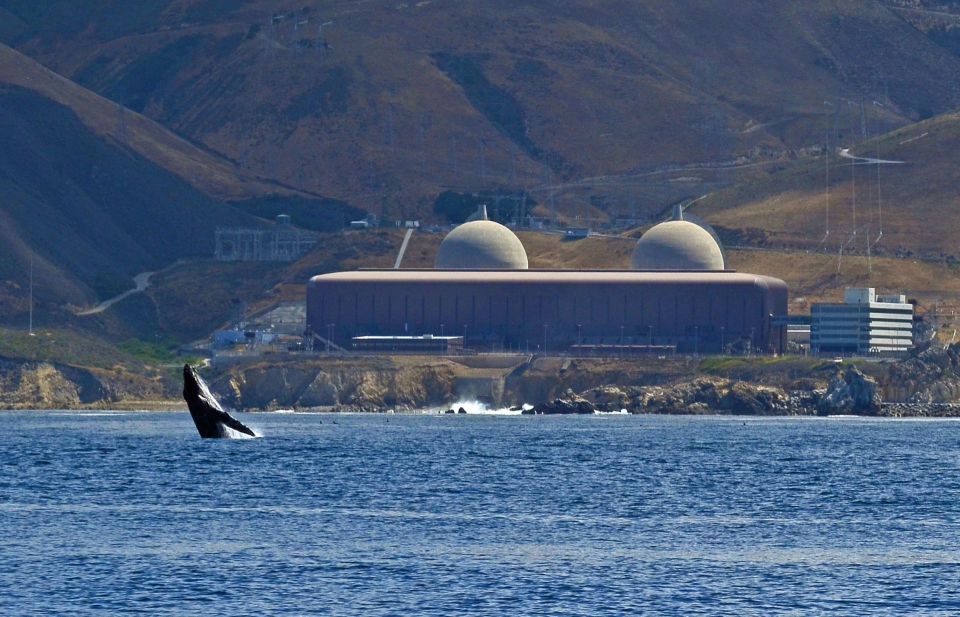
California—While there are too many venture capital–backed startups to list here, the state has no reactor startups on the horizon. Among the several reasons California could be included on our top 10 list are its national laboratories and research institutions, but nuclear power remains a contentious issue in the state. Diablo Canyon may be operating now, but the lack of future prospects for new fission or fusion plants has left it outside looking in this year.
Wisconsin—With Kewaunee shut down for almost 13 years now, Wisconsin is left with just two operating reactors, both at Point Beach. (EnergySolutions did announce in 2025 its intention to use the Kewaunee site for new nuclear deployment.) Additionally, through the work of the University of Wisconsin–Madison, the state has spawned multiple fusion startups and is home to both SHINE Technologies and Realta Fusion (Type One only recently moved to our top-ranked state—a hint for those who didn’t cheat and look ahead!).
New York—Gov. Kathy Hochul has come in and changed the prospects for nuclear in the state, but the closure of Indian Point nearly five years ago and no definitive new nuclear announcements have kept New York off this year’s list.
New Mexico—This is the third state with prominent national laboratories that didn’t make our list. Los Alamos and Sandia alone deserve to be mentioned, as part of the state’s and the nation’s nuclear history, and about one-third of the uranium fueling U.S. reactors is enriched in the state. However, with no commercial nuclear reactors and no plans for future reactor deployments, we kept New Mexico off the list.
With so many more states seriously looking at nuclear power, it’s difficult to stop here with our honorable mentions. Compiling our top 10 has been both entertaining and thought-provoking in that there are many ways this list could have played out, and states are making news almost daily. This leads to the next-best thing: nitpicking our list as a reader! Write us at nucnews@ans.org to tell us what we got right (we’re pretty sure we won’t need to encourage readers to tell us what we got wrong). Better yet, call us out on LinkedIn and give us your own top 10 states of nuclear!
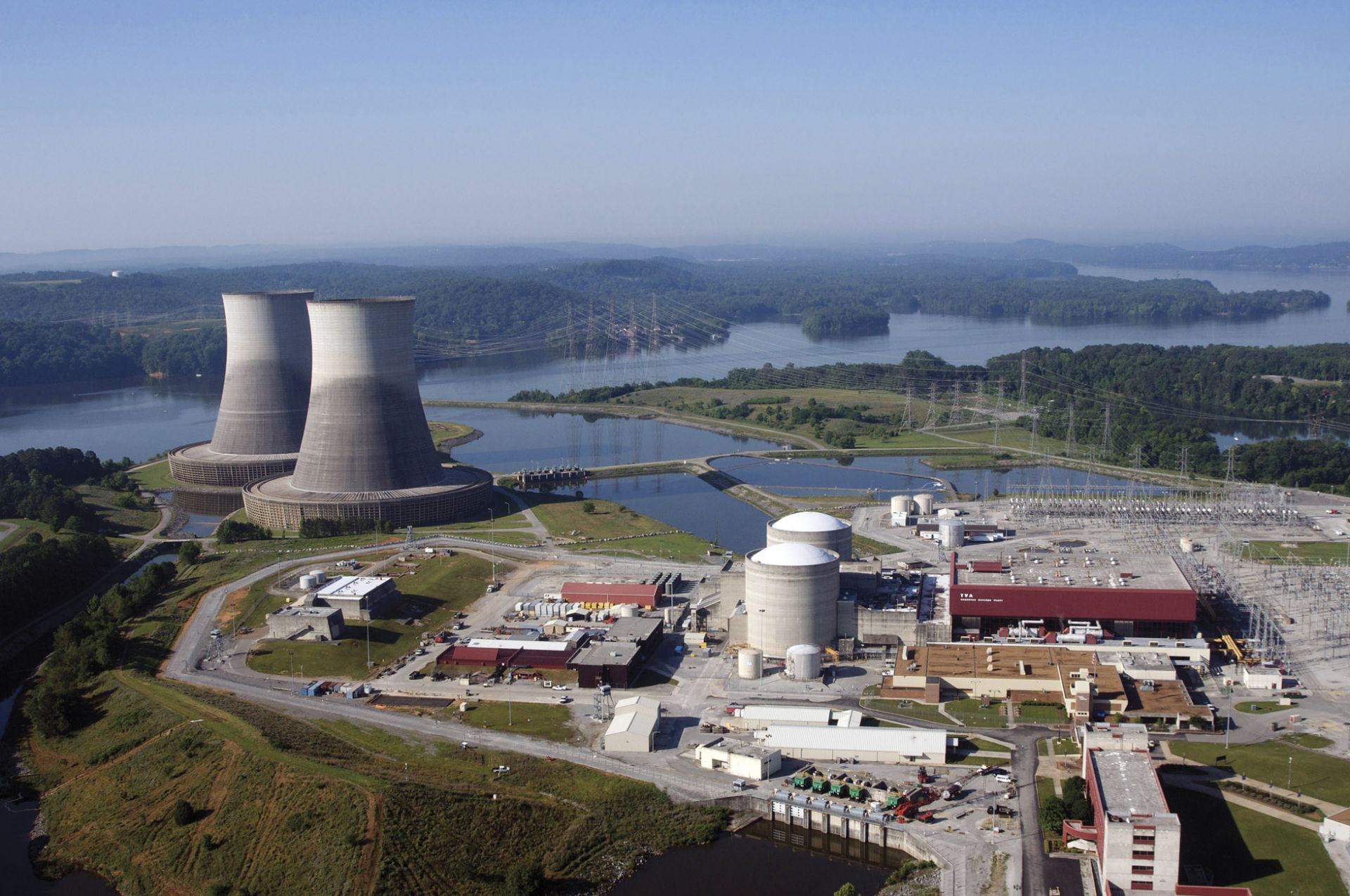
Sequoyah
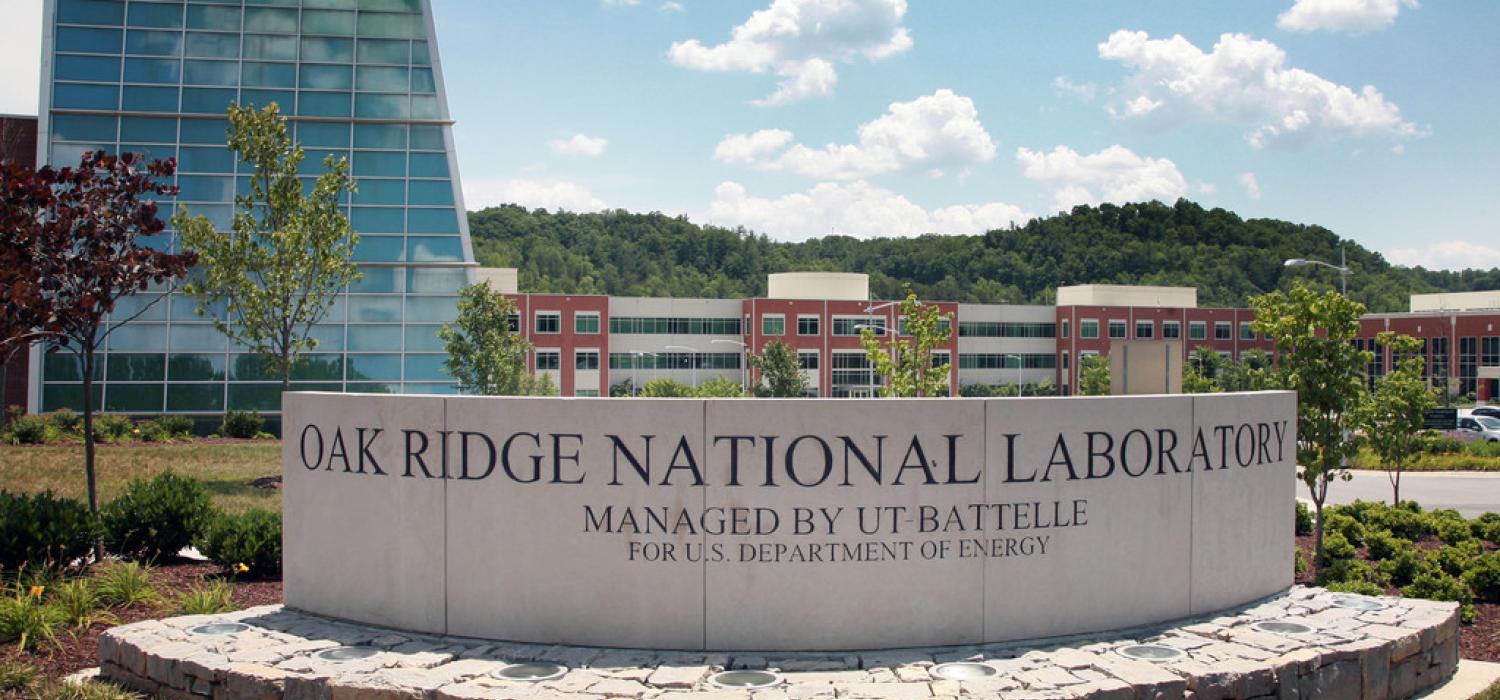
The entrance to ORNL
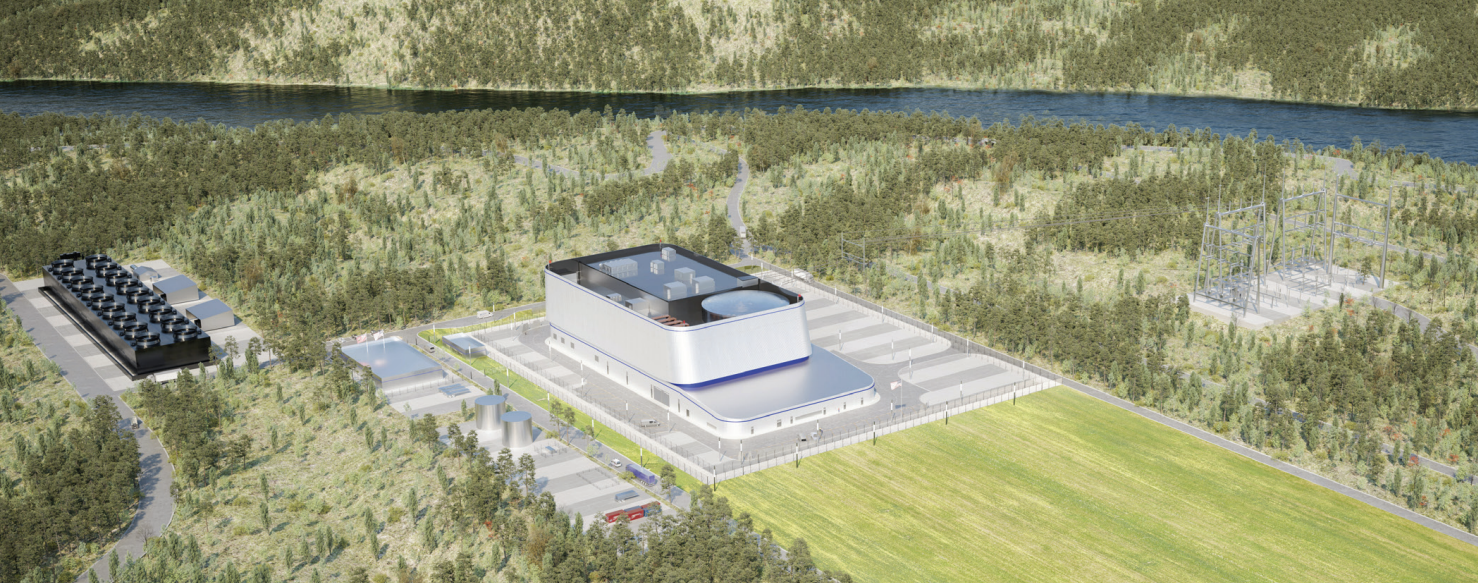
A rendering of the proposed Clinch River site. (Image: TVA)
1. Tennessee: The epicenter
Tennessee—specifically eastern Tennessee—has quickly become the epicenter (dare we say nucleus?) of new industry growth over the past few years. The state is proof of what can be done when federal and state policymakers and the region’s economic council, the local nuclear utility, a national lab, and a network of schools come together to support the nuclear community through federal and state funding, partnerships with private nuclear companies, and world-class workforce development.
The state currently has four operating reactors, plans for at least three small modular reactors in various stages of development, one potential fusion reactor, a planned microreactor factory, and more. New and planned fuel facilities number near half a dozen. Underpinning the bright future in Tennessee is Oak Ridge National Laboratory’s storied past in the Manhattan Project.
Operating reactors: The Tennessee Valley Authority operates four pressurized water reactors at two sites (Sequoyah and Watts Bar), producing a total of 4,743.3 net MWe—ranking Tennessee at eighth in the nation for total net MWe produced by nuclear.
Coming soon? TVA also has agreements with multiple nuclear developers, including:
Clinch River—TVA filed for an SMR construction permit in May 2025 to build a GE Vernova Hitachi BWRX-300 at the Clinch River site.
Kairos, TVA, and Google SMR—TVA is partnering with Google on a power purchase agreement (PPA) with Kairos to supply 50 MW to Google data centers in Montgomery County. Hermes 2 is a 50-MWe fluoride salt–cooled reactor that Kairos expects to operate beginning in 2030.
Type One Energy—Plans are in place for a 350-MWe fusion technology plant at the former Bull Run fossil plant in Oak Ridge.
Entra1 and NuScale SMR—TVA and Entra1 Energy announced a plan to collaborate on deploying 12 NuScale Power Modules (77 MWe) at six different plants, totaling up to 5.5 GW of new capacity, at locations across TVA’s seven-state service region.
Fission testing and fuel cycle facilities: Oak Ridge and environs, including some repurposed Manhattan Project sites, is seeing an influx of private nuclear technology companies and facilities, including Kairos’s Hermes, now under construction, and Radiant, which plans to build a factory to produce up to 50 Kaleidos portable 1-MW microreactors per year. Fuel cycle companies have also chosen Oak Ridge, including Centrus, Standard Nuclear, TRISO-X, Orano USA, Oklo, and LIS Technologies.
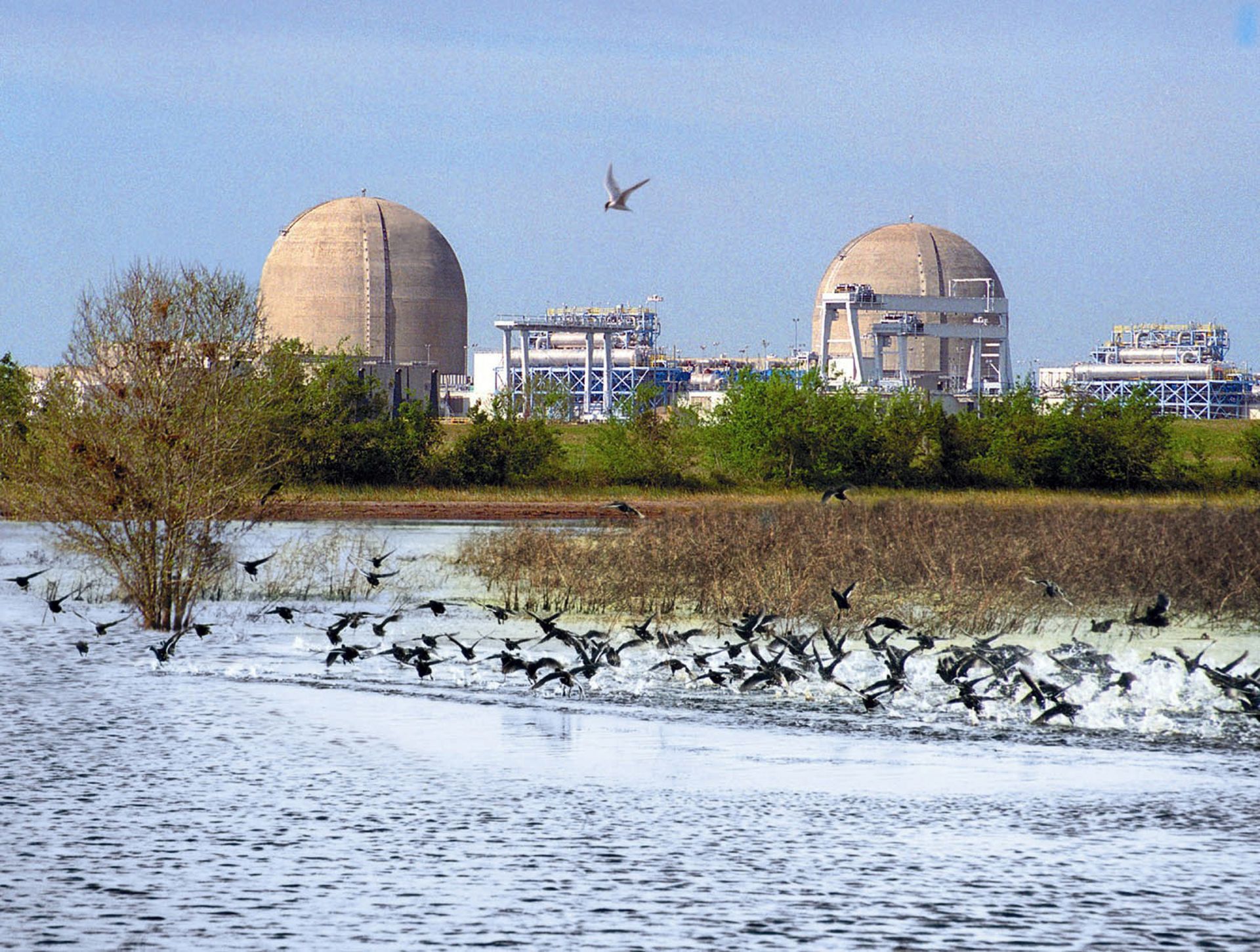
South Texas Project
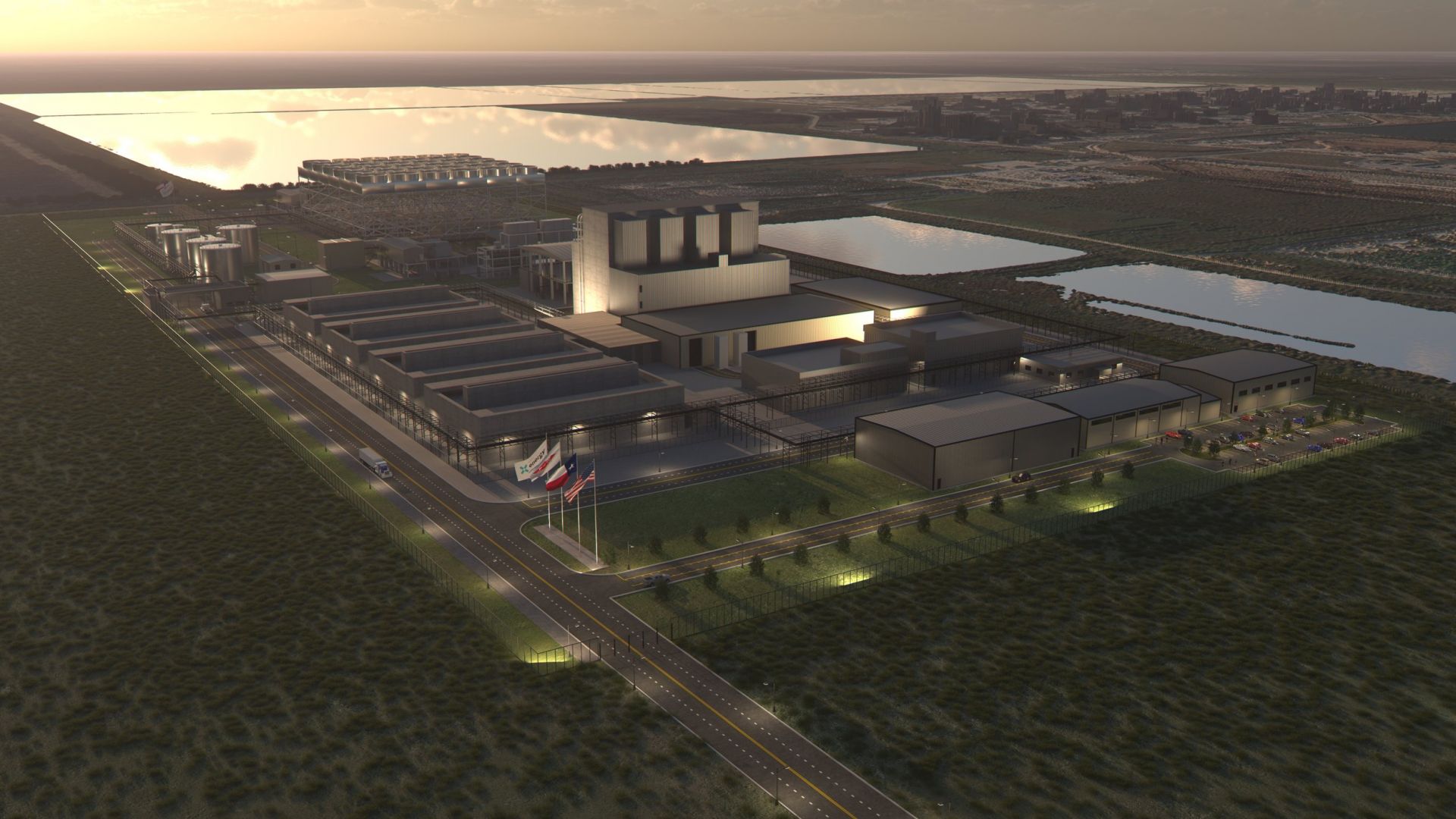
A rendering of the planned Long Mott Generating Station. (Image: X-energy)
2. Texas: Big state, big plans
Texas has stepped up its nuclear potential over the past five years, making Austin a destination for reactor developers to set up shop. The only state in the continental U.S. with its own grid, Texas produces a lot of energy using a mix of coal, natural gas, wind, solar, and nuclear—four units at two sites. Following a February 2021 freeze and the ensuing debacle, the governor instructed the Public Utility Commission of Texas to invest in reliable energy sources, including nuclear.
It’s important to note that in 2025, Texas also established the Texas Advanced Nuclear Energy Office and a $350 million funding program. That state support hasn’t extended to the back end of the fuel cycle, however: a legal battle on consolidated interim storage facilities made its way to the Supreme Court.
Texas is home to educational institutions that house three research reactors among them—Texas A&M’s TRIGA and AGN reactors and the University of Texas–Austin’s TRIGA—with a molten salt research reactor under construction at Abilene Christian University’s NEXT Lab in partnership with Natura Resources.
Operating reactors: The four PWRs in the state are operated by two utilities: South Texas Project, operated by STP Nuclear, generates 2,501.2 net MWe; and Vistra’s two units at Comanche Peak produce 2,425 net MWe. That puts Texas at seventh in the U.S., with 4,926.2 net MWe from nuclear.
Coming soon? A handful of agreements are in place to site new nuclear fission in the state, at varying levels of communication with the Nuclear Regulatory Commission:
Long Mott Generating Station—This Dow/X-energy project is being supported by the Advanced Reactor Demonstration Program with a plan to build and operate four HTGR Xe-100 units.
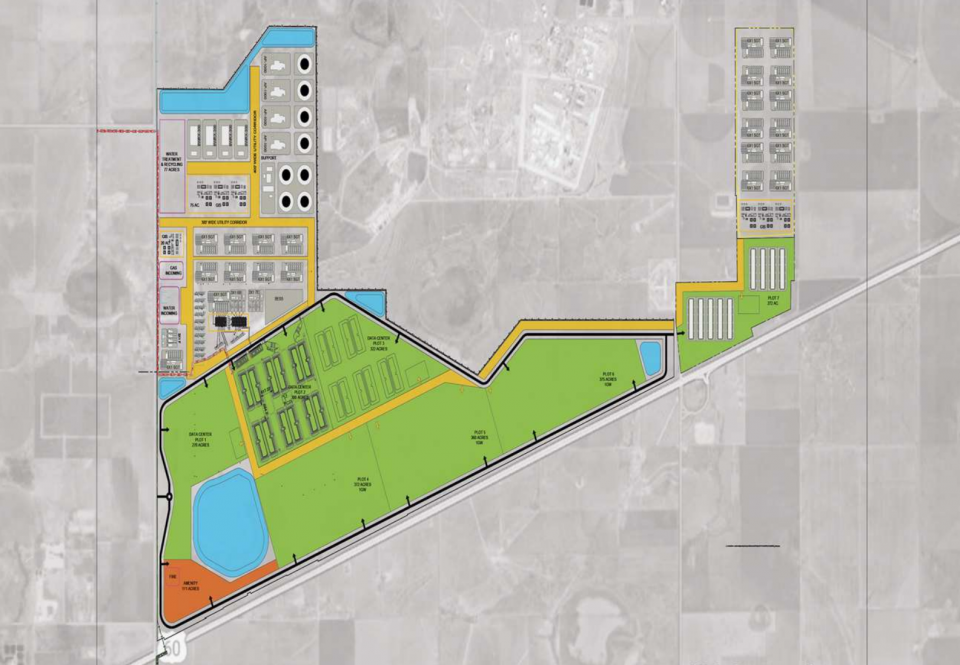
Fermi America—The company announced plans to build four AP1000 reactors plus an additional four unspecified SMRs to create the largest nuclear power complex in the U.S.
Natura Resources—In partnership with Texas Produced Water Consortium, it has plans to build a 100-MWe molten salt reactor in the Permian Basin.
Last Energy—Haskell is the site where the company plans to build 30 PWR microreactors to power data centers.
Texas A&M RELLIS—Dubbed the “Energy Proving Ground,” this TAMU site intends to host multiple reactor demonstrations with companies including Aalo Atomics, Kairos Power, Last Energy, Natura Resources, and Terrestrial Energy.
The entrance to INL.
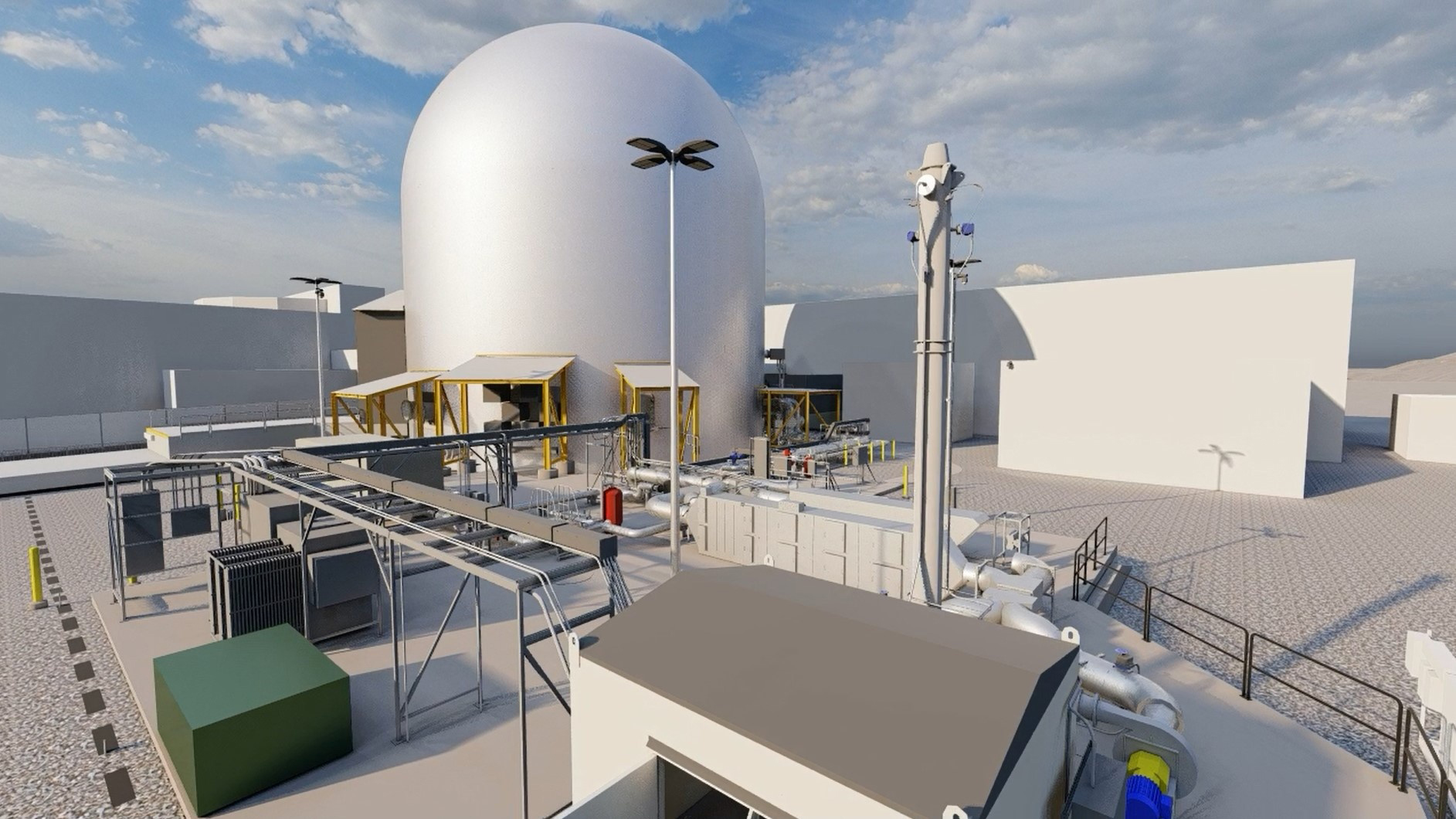
A rendered view of the DOME microreactor test bed. (Image: NRIC)
3. Idaho: A great place to test
With no commercial reactors but with plenty of history, experience, and infrastructure to be the nuclear community’s incubator for testing new technologies, Idaho is third on our list. Before there was Idaho National Laboratory, the site was the Naval Proving Ground during WWII and later became the National Reactor Testing Station at the recommendation of Argonne National Laboratory Director Walter Zinn. The NRTS was the site of Experimental Breeder Reactor-I and -II and produced the first usable energy from a reactor in the United States, famously lighting five light bulbs. Over the past 70-plus years, more than 50 reactors have been tested at the site, making it the ideal location for advancing nuclear power. INL’s testing facilities include the Advanced Test Reactor, the Materials and Fuels Complex, the Demonstration of Microreactor Experiments (DOME) test bed, the Laboratory for Operations and Testing in the United States (LOTUS) test bed, and more.
Using its existing infrastructure and available workforce, INL is helping more than a dozen companies to test and prove their technology through the Reactor Pilot Program, the DOME test facility, and the Department of Defense–sponsored Project Pele. It’s clear that our nuclear future is being tested in Idaho.
Reactor demonstrations: Much like all roads led to Rome in ancient Europe, for nuclear reactors in 2026, many roads to deployment seem to lead through Idaho. Here are some of those projects:
Reactor Pilot Program—The Department of Energy is signing Other Transaction Authority contracts through the Idaho Operations Office with some of these selected companies: Aalo Atomics, Antares Nuclear, Atomic Alchemy, Deep Fission, Last Energy, Natura Resources, Oklo (named for two projects), Radiant Industries, Terrestrial Energy, and Valar Atomics.
DOME—Test site for Westinghouse’s eVinci, Radiant’s Kaleidos, and more.
MARVEL—An INL-developed 20-kWe demonstration/test reactor with NaK coolant and TRIGA fuel, to be operational by 2027 (after many delays).
LOTUS test bed—Test site for Southern Company and TerraPower’s joint Molten Chloride Reactor Experiment.
Project Pele—A DOD-sponsored mobile microreactor demonstration manufactured by BWXT Advanced Technologies.
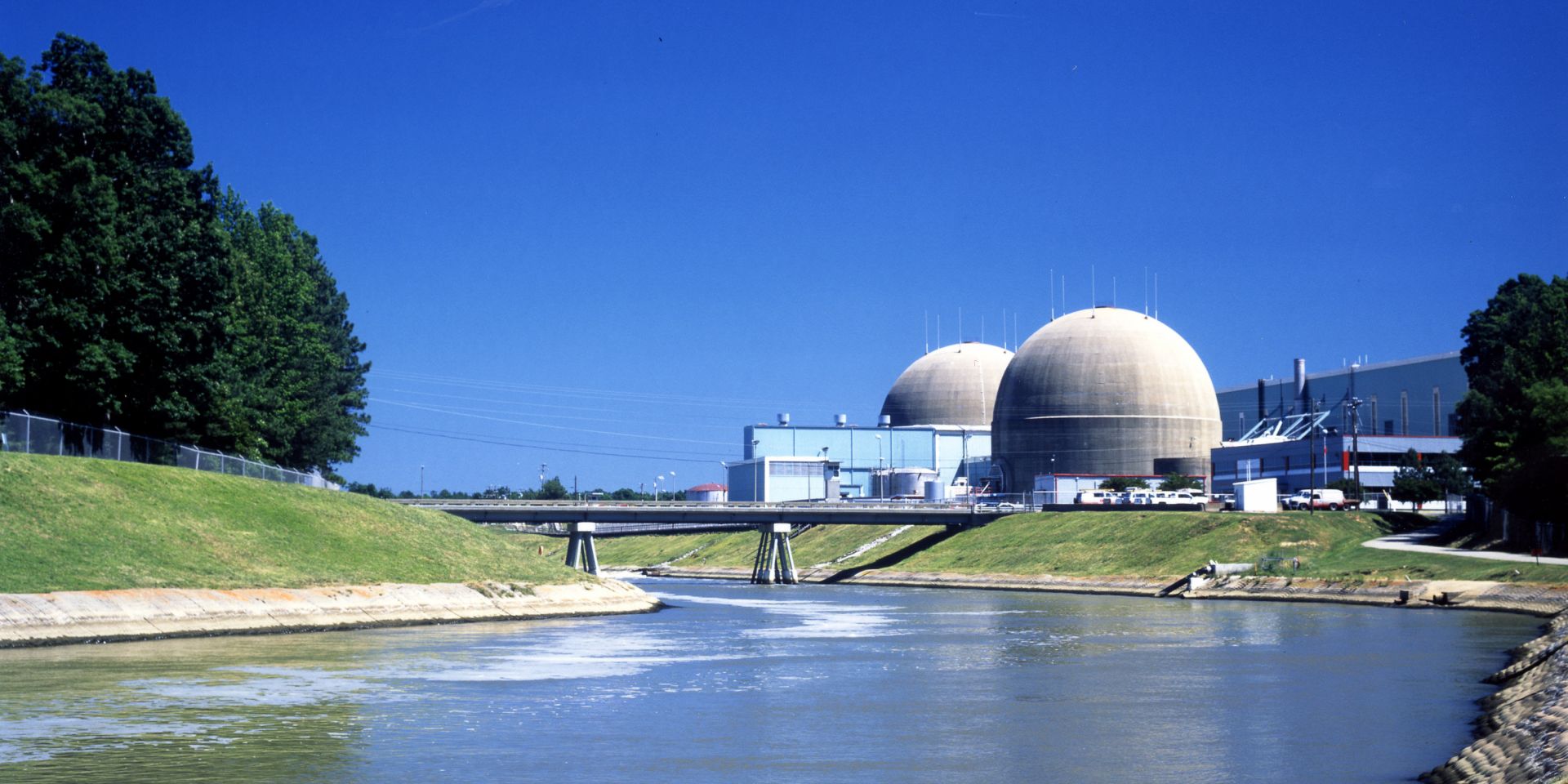
Surry
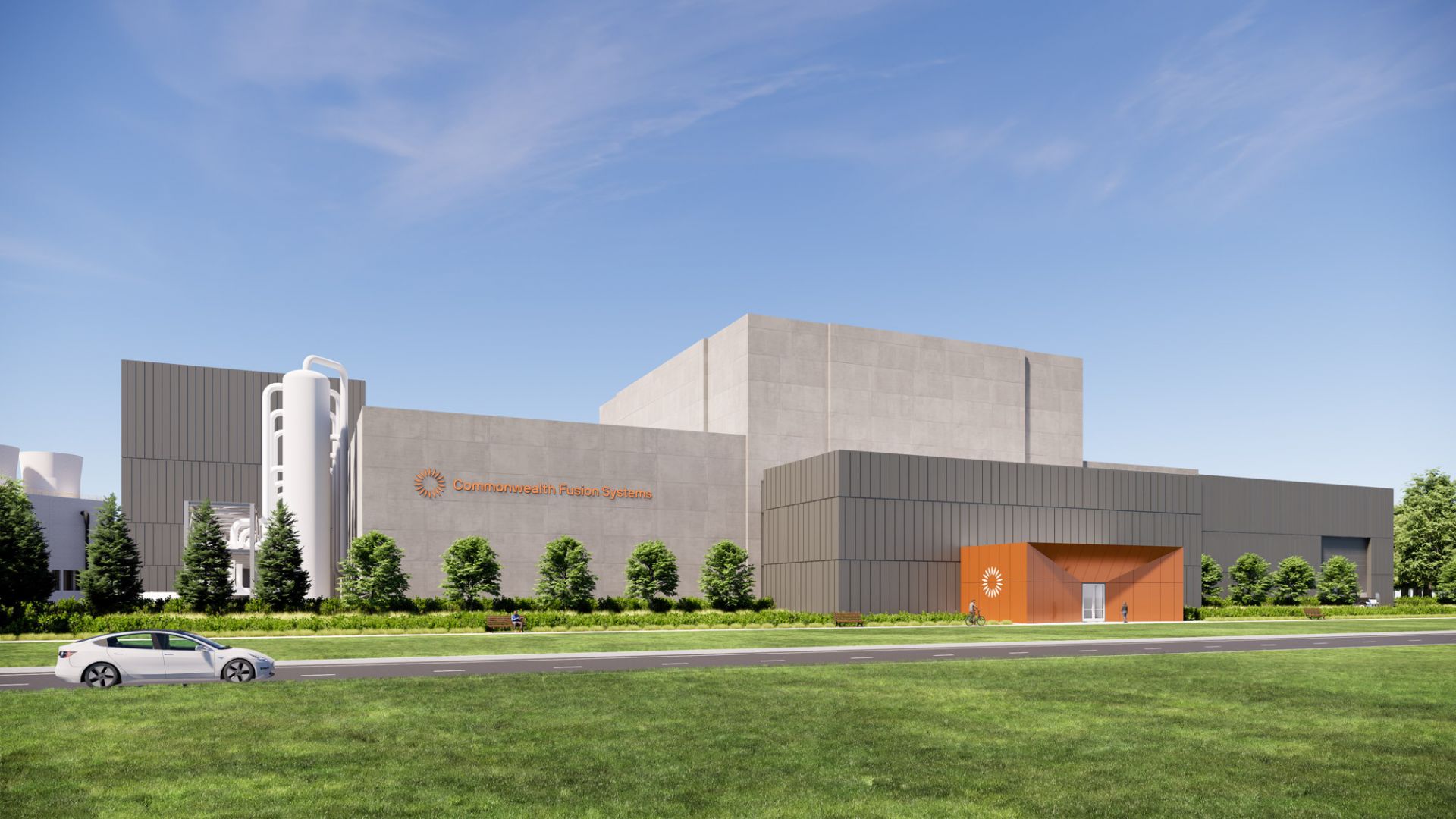
A rendering of Commonwealth Fusion Systems’ planned ARC power plant. (Image: CFS)
4. Virginia: Is for nuclear
Virginia has long run on the slogan “Virginia is for lovers.” We recommend the state take up a slightly revised version of that slogan: “Virginia is for nuclear.” While Texas and Tennessee seem to have more ambitious plans and a more robust infrastructure, Virginia was one of the first states in the past few years to seriously look at nuclear following Gov. Glenn Youngkin’s 2022 Energy Plan. The state has four reactors operated by Dominion Energy and has announced plans to work with X-energy and Amazon to develop 5 GW of new nuclear over the next decade. It is also one of three states that has a commercial fusion site selected: Virginia wants to host Commonwealth Fusion’s ARC tokamak. It is also home to many heavy hitters in the industry, placing the state solidly in our top five.
Operating reactors: Dominion Energy operates four PWRs at two sites in Virginia: Surry, which produces 1,748 net MWe, and North Anna, which produces 1,946 net MWe, for a total of 3,694 net MWe, making the state 11th in the U.S. for total generation from nuclear. North Anna also holds an early site permit and a combined construction and operating license (COL) issued in 2007 and 2017, respectively.
Coming soon? There are currently no new reactors in the works, but there is still forward movement:
North Anna—Dominion Energy Virginia has issued a request for proposals to study the feasibility of building an SMR at the site.
Amazon and X-energy—There is a memorandum of understanding between Amazon and X-energy to develop and deploy 5 GW of SMRs across the state to power the largest concentration of data centers in the country. (There is a separate agreement between Amazon and Dominion Energy to explore SMR development in Virginia.)
James River Industrial Park—Commonwealth Fusion Systems wants to build its ARC tokamak fusion reactor in Chesterfield County.
Research institutions and companies: The state is home to Virginia Commonwealth University, Virginia Tech, and George Mason, the latter of which recently announced a partnership to build a NuScale simulator on campus. Additionally, the state hosts more than 20 companies listed in the NN Buyers Guide from diverse sectors, including Bechtel, BWXT, Dominion Energy, Dominion Engineering, Framatome, and Lightbridge.
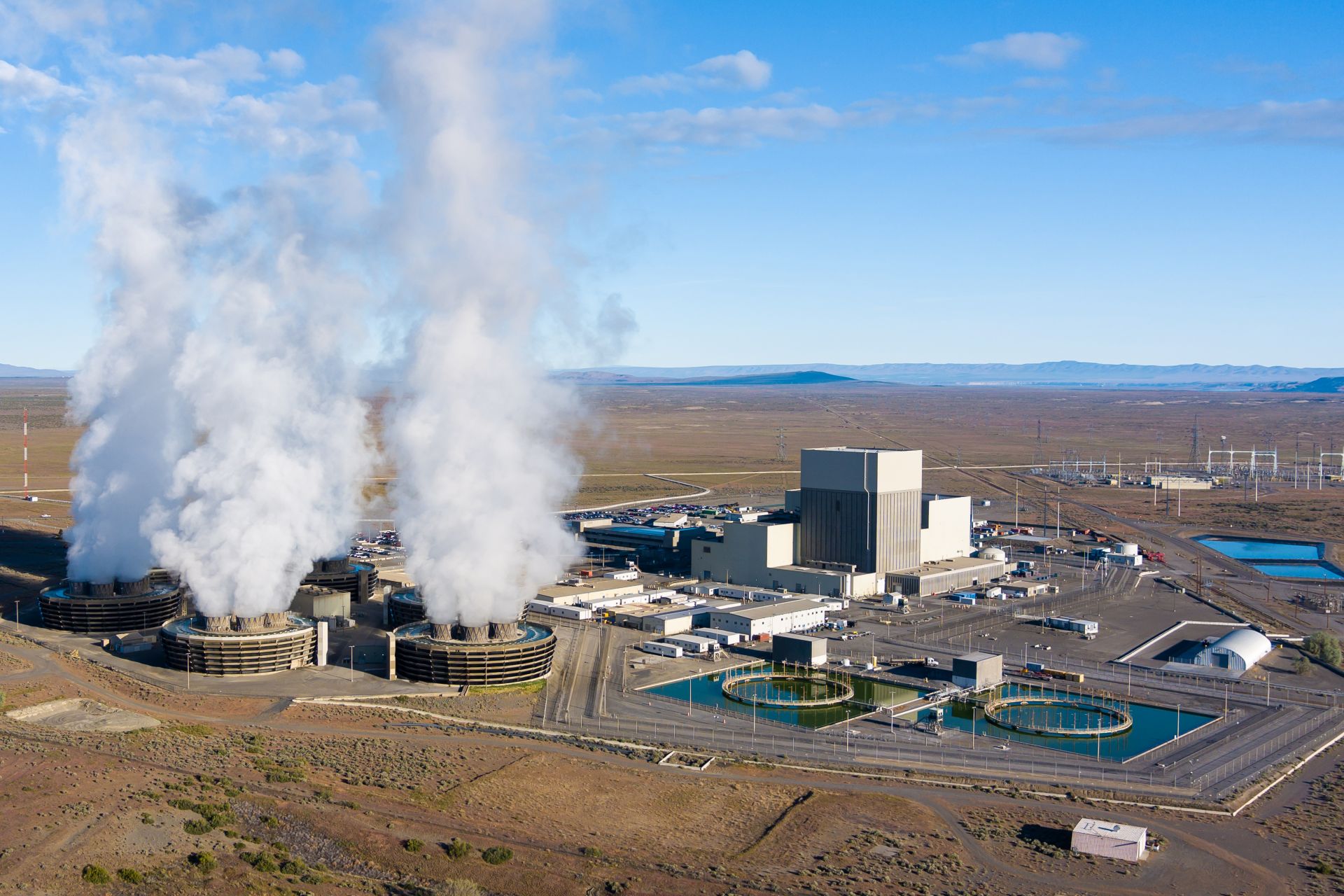
Columbia
The entrance to PNNL.
5. Washington: Amazon delivers SMRs
Washington state rounds out our top five. It is unique from the other four in that it isn’t dominating in any one area that we reviewed. The state has favorable policies in place to support clean energy, has attracted several fission and fusion companies to make the state their headquarters (including TerraPower), and has one single-unit generating station (Energy Northwest’s Columbia, going through an extended investment period to increase its power by 186 MW). The utility also has an agreement with Amazon and X-energy to build up to 12 Xe-100 SMR units near Columbia. On the supply side, Washington is home to Framatome’s fuel fabrication facility in Richland, while on the federal side, Washington has Pacific Northwest National Laboratory and the Hanford Site.
Washington also has a commercial fusion plant under construction. Helion intends for its Orion magneto-inertial fusion technology to be on line by 2028 to power Microsoft data centers.
With strong commercial (fission and fusion) and federal facilities, as well as active facilities dealing with both the front and back ends of the fuel cycle, Washington is a great fit for the top half of our list.
Operating reactor: Washington has only one reactor, the fewest of any state on our list. Energy Northwest’s single-unit boiling water reactor at the Columbia nuclear power plant produces 1,207 net MWe, placing the state at number 25 (out of 28) for nuclear generation.
Coming soon? The state has both fission and fusion planned:
Cascade Advanced Energy Facility—Northwest Energy, with Amazon and X-energy, plans to build up to 12 units of X-energy’s Xe-100 SMR outside Richland.
Orion—Microsoft-backed Helion Energy has broken ground in Malaga, which will be the site of its Orion reactor.
Research reactors and more: Washington has a TRIGA research reactor at Washington State University’s Nuclear Science Center, and its Hanford Site was home to the Fast Flux Test Facility that is now decommissioned, along with nine plutonium production reactors.
Harris
Belews Creek
6. North Carolina: Fuel forward
Two decades ago it was clear that North Carolina would be a key force in the future of the U.S. nuclear industry because of its infrastructure and new reactor prospects; its sizable reactor fleet; and North Carolina State University, home of the oldest nuclear engineering program in the nation as well as a venerable PULSTAR research reactor.
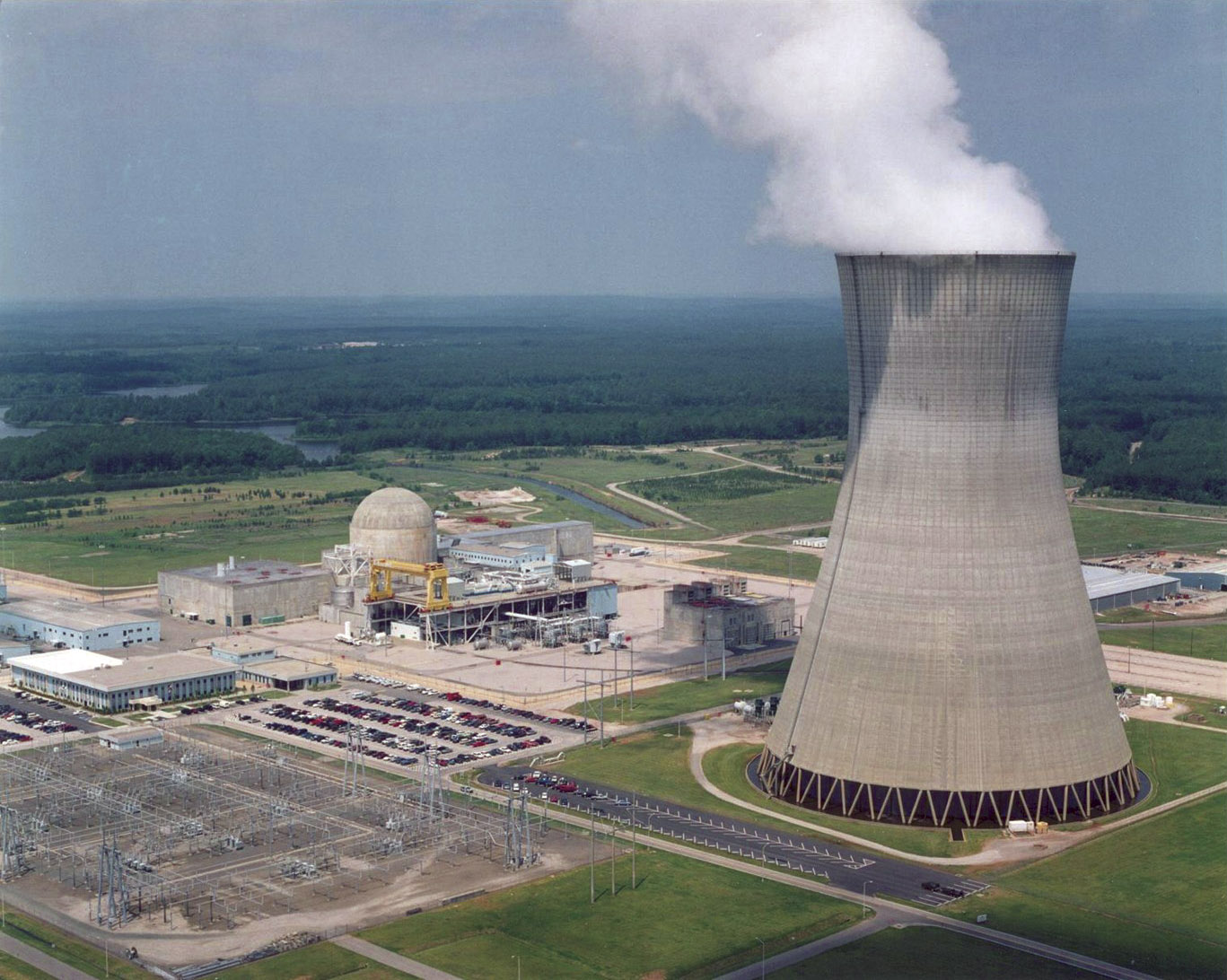
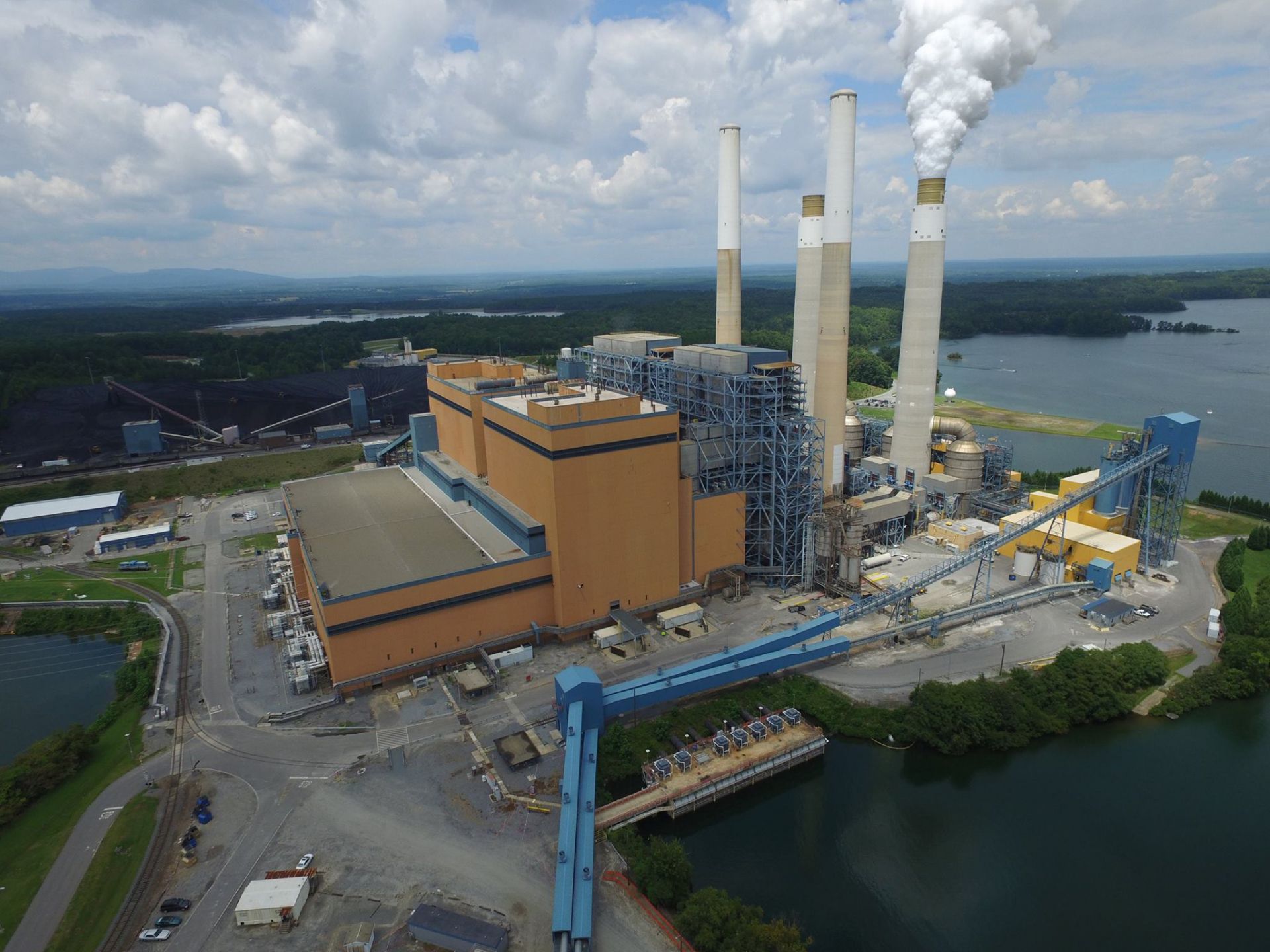
Fast forward to today, and North Carolina has some future prospects—mainly at Belews Creek but also at Duke’s Harris site, where a COL application was submitted in 2008. That application was suspended, but not withdrawn.
The state also has a strong concentration of developers, vendors, manufacturers, and fuel fabricators, with the likes of GE Vernova Hitachi, Orano, Global Nuclear Fuel (GE Vernova’s BWR fuel fabrication facility), Studsvik, AECON, Global Laser Enrichment, and more.
Operating reactors: Duke Energy operates five reactors at three sites in North Carolina. Brunswick, Harris, and McGuire collectively produce 5,341 net MWe. That puts North Carolina in sixth place for total nuclear power generation.
Coming soon? North Carolina has new nuclear power and research prospects:
Belews Creek—Duke Energy is evaluating both SMRs and large light water reactors for the site and is in preapplication engagement with the NRC.
NCSU—In addition to its PULSTAR reactor, the university has proposed siting a new “mixed-spectrum” research reactor on its campus.
Fuel cycle facilities: The state’s fuel cycle offerings include fabrication of fuel and transport casks:
Global Nuclear Fuel—This GE Vernova Hitachi venture fabricates BWR fuel in Wilmington, at a site that has been in production since 1969. Additionally, GE Vernova and TerraPower are investing more than $200 million to produce HALEU fuel at the site.
Orano Fabrication Facilities—Headquartered in Greensboro, Orano manufactures both front- and back-end fuel transport and storage casks.
Byron
Honeywell Metropolis Works
7. Illinois: Nuclear's birthplace
Under the stands of Stagg Field at the University of Chicago, Chicago Pile-1 started it all, and the birthplace of nuclear certainly deserves a spot on the list.
CP-1 eventually led to Argonne National Laboratory, an engine of creative reactor design in the early years of the nuclear power industry. Currently, Illinois is a nuclear powerhouse, producing the most nuclear power of any state, with a total of 11 reactors.
Until recently, however, its nuclear future was shaky. The state legislature only voted to fully end its moratorium on new nuclear in 2025, and before state zero-emissions credits came to the rescue, the current fleet was struggling economically. Thankfully, credits—both state and federal—and growing demand have kept reactors on line.
While there isn’t much new nuclear in the works other than Nano Nuclear’s test reactor (to be sited at the University of Illinois–Urbana-Champaign), we know nuclear’s past was tied to Illinois. Will its future be as well? This centrally located state has the experienced workforce needed to make it happen.
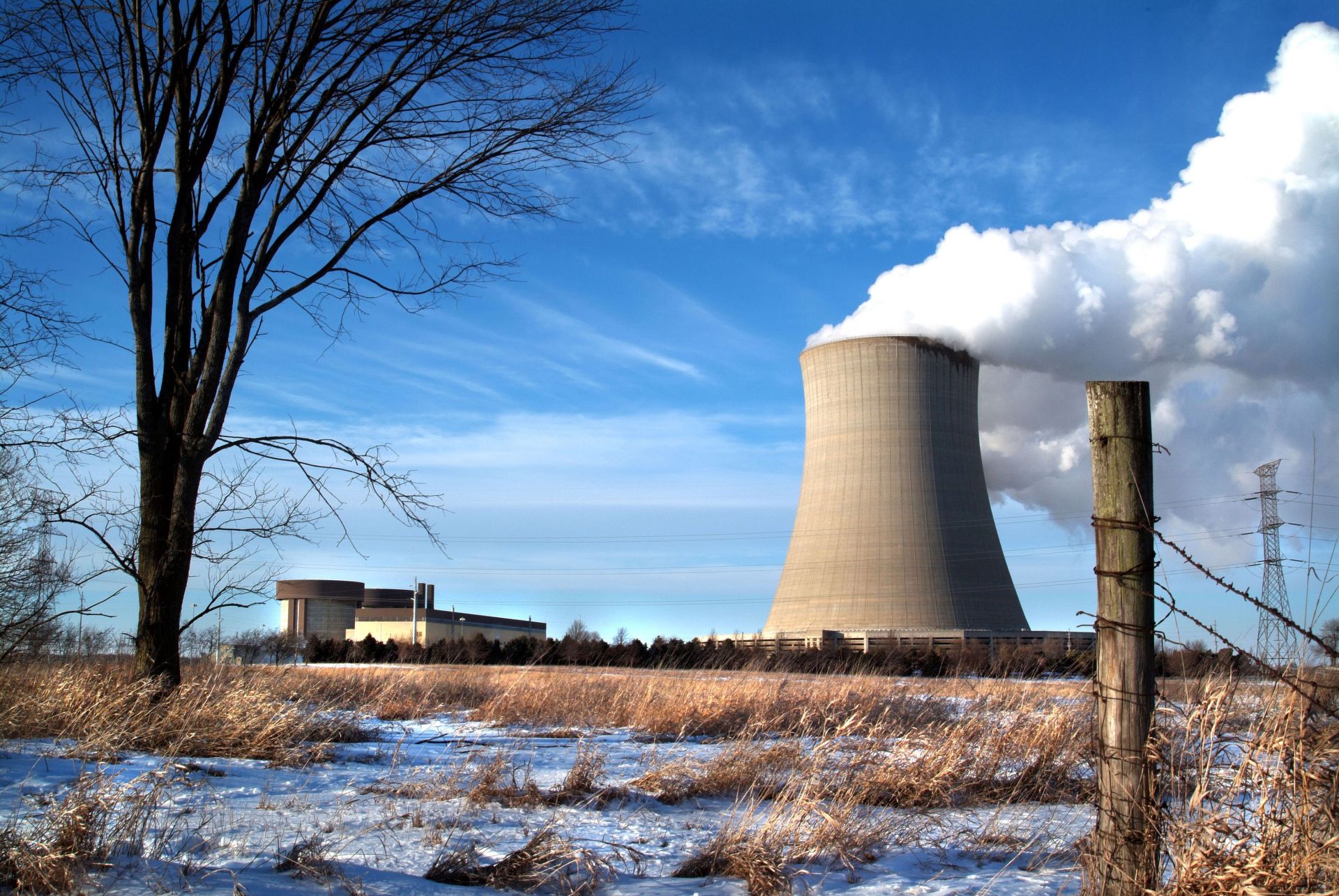
Operating reactors: Constellation operates all 11 reactors in the state—seven BWRs and four PWRs—at six sites: Braidwood, Byron, Clinton, Dresden, LaSalle, and Quad Cities. Together, they provide Illinois with a total of 11,864 net MWe of electricity—the most MWe of any state. Of note is the Clinton nuclear power plant’s early site permit (issued in 2007) and its recent deal with Meta to provide power for data centers.
Test reactors: From historic sites to new projects, Illinois has hosted its share of research reactors:
UIUC—The university is working in partnership with Nano Nuclear to build its Kronos MMR (helium cooled and TRISO fueled) on campus. UIUC last operated a research reactor in 1998.
Argonne (East and West)—Beginning in the 1940s, Argonne built nearly 30 test reactors: 14 at Argonne-East in Illinois and 14 at Argonne-West in Idaho.
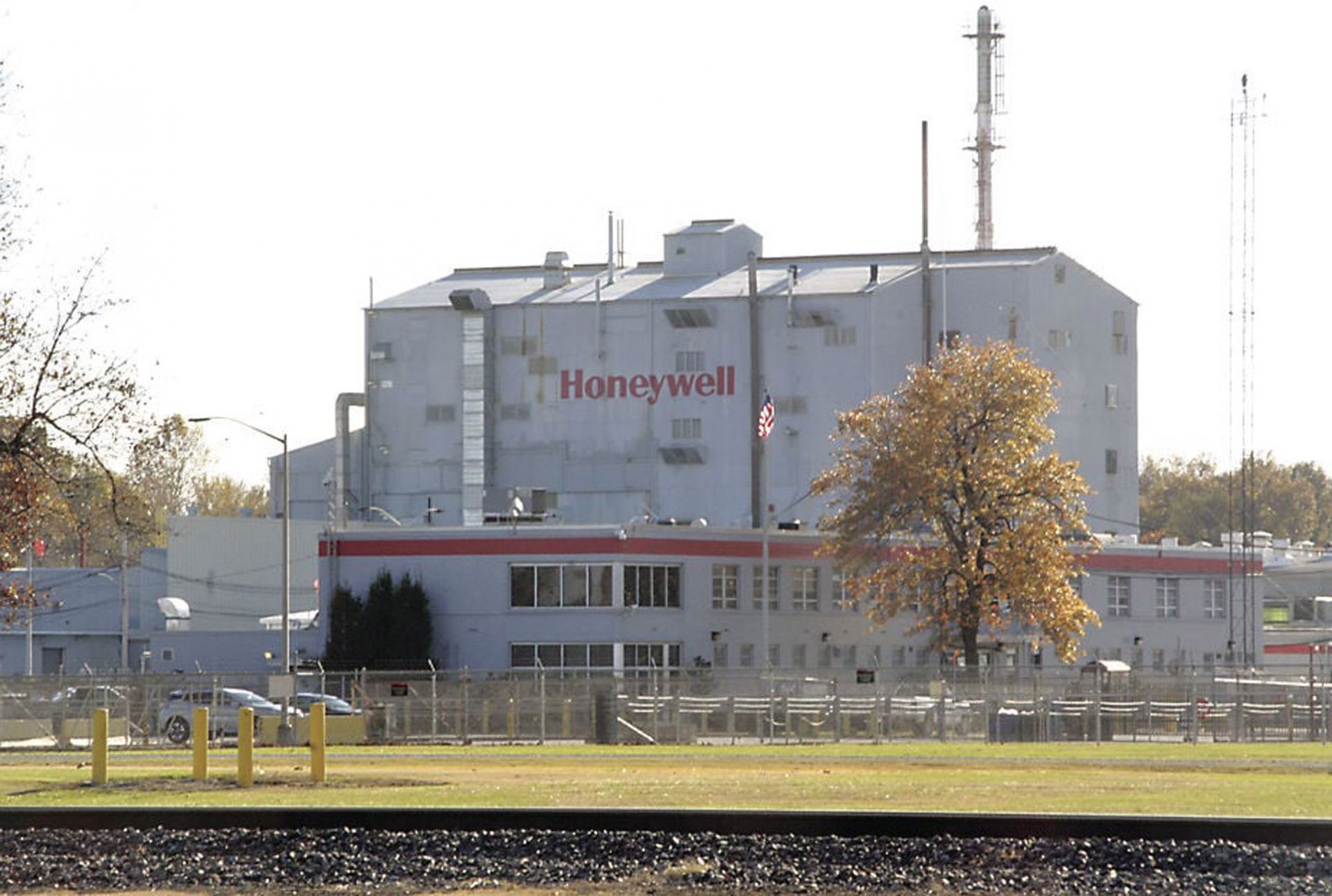
Fuel cycle facilities: Illinois is home to the only uranium conversion plant in the U.S., Honeywell’s Metropolis Works. The NRC recently renewed its license to operate until March 2060.
Summer
Savannah River National Laboratory
8. South Carolina: Max AP1000 potential
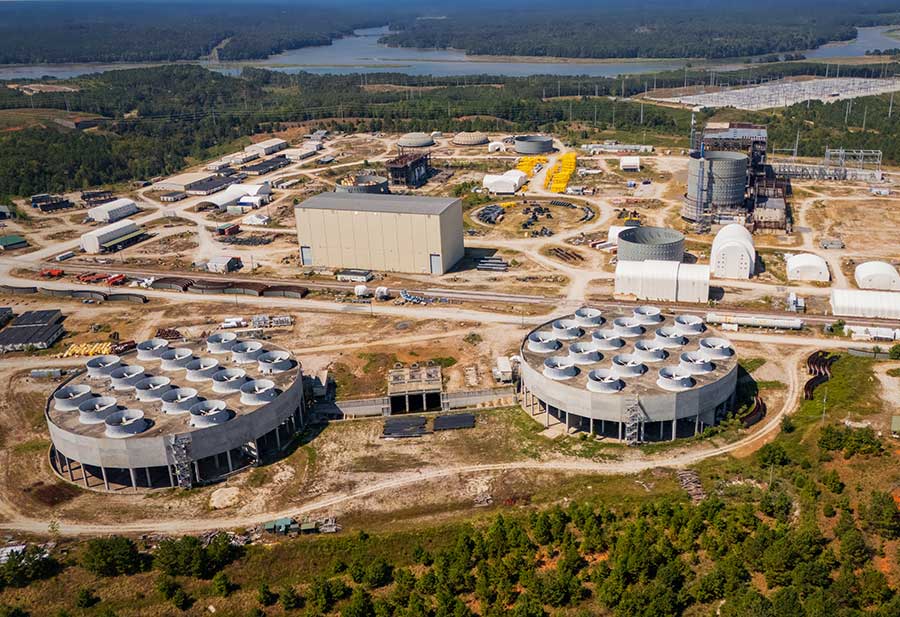
Though the smallest state on the list (by geographical area—Idaho is the smallest in our top 10 by population), South Carolina has a large fleet of LWRs and more legacy potential for AP1000 reactors than any other state on this list. While the fiasco of the two unfinished reactors at the V. C. Summer nuclear power plant was a stain on the wider nuclear community, Unit 1 at Summer received a license renewal in 2025.
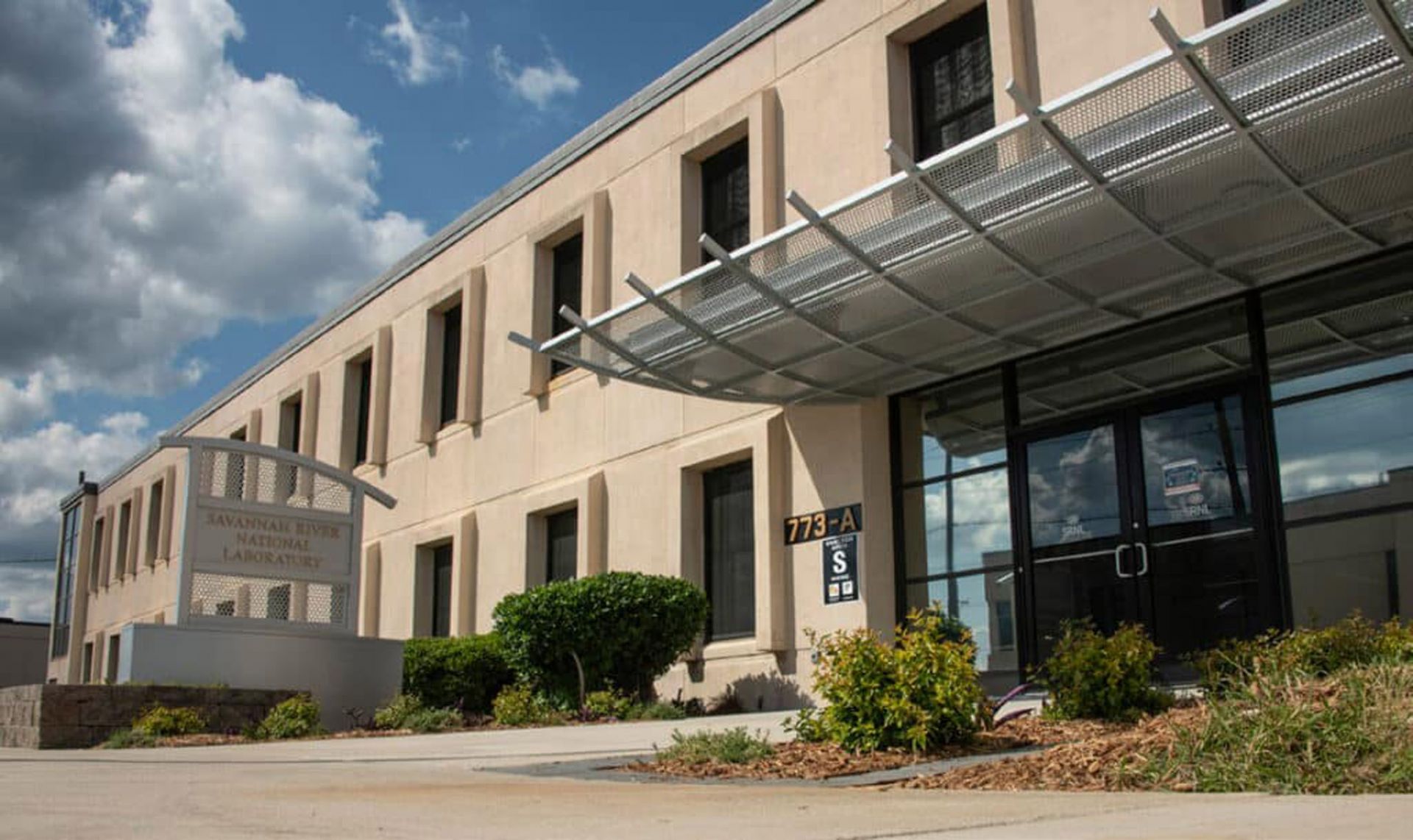
Additionally, Duke Energy holds two COLs for AP1000s at its Lee site, and utility Santee Cooper and Brookfield Asset Management have signed an MOU regarding Summer’s partially constructed AP1000s. This positions the state to move up this list if it commits to nuclear power. Like its neighbor to the north, South Carolina also has a lot of nuclear fuel capabilities, with Westinghouse’s PWR fuel fabrication facility and potential uranium and plutonium fuel feedstocks at Savannah River National Laboratory.
Operating reactors: The state is home to seven reactors at four sites. The six at Catawba, Oconee, and Robinson are operated by Duke Energy, and the single-unit Summer is operated by Dominion Energy. Combined, these reactors produce a total of 6,837.1 net MWe, accounting for 52.4 percent of in-state electricity generation and giving South Carolina the number-three spot in the nation for nuclear power production.
Fuel cycle facilities: Westinghouse’s Columbia Fuel Fabrication Facility in Hopkins started operating in 1969 and manufactures PWR fuel rods. In 2022, it was granted a 40-year license renewal. Since it opened, it has produced more than 100,000 nuclear fuel assemblies for reactors worldwide.
Limerick
Crane
9. Pennsylvania: A nuclear keystone
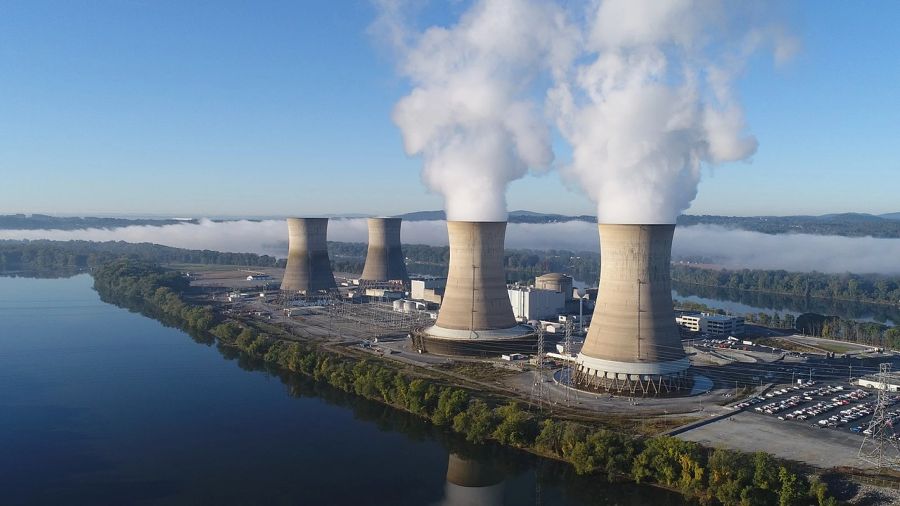
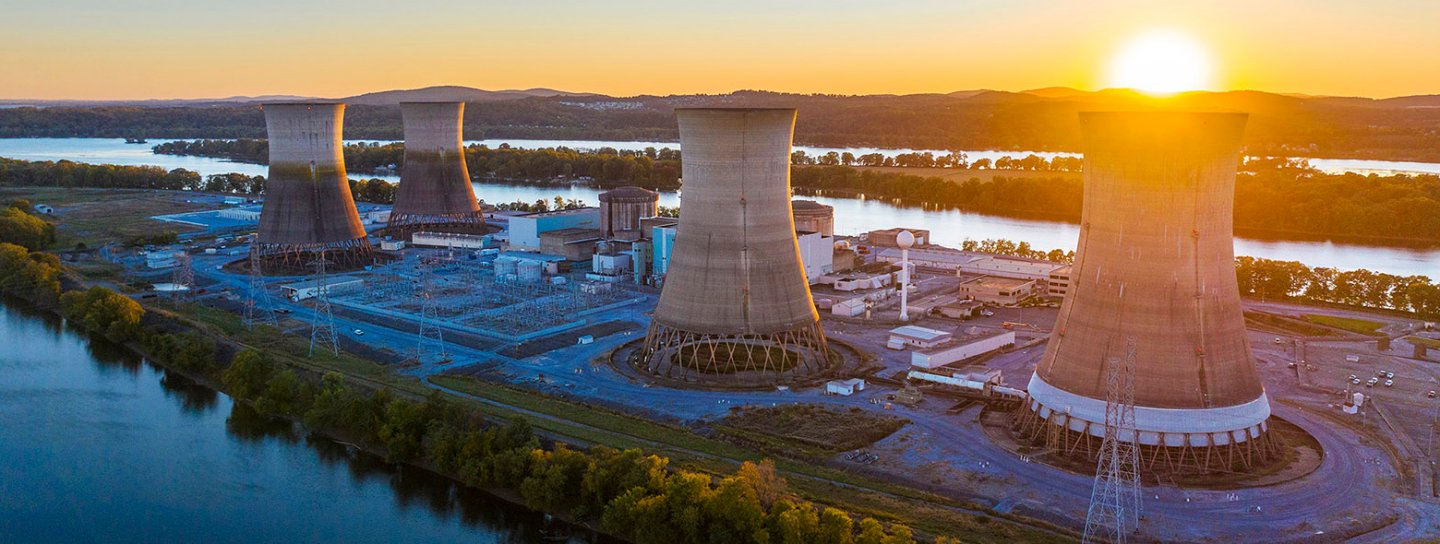
Rounding out our top 10 are states that exemplify the current nuclear revival, thanks to deals like that between Microsoft and Constellation to restart TMI-1 as the Crane Clean Energy Center. Best known to the public as the site of the 1979 accident and partial meltdown at TMI-2, Three Mile Island is evolving under a new name.
That’s not the only reason Pennsylvania makes the list, however. The state, home to Westinghouse as well as Penn State’s top-ranked nuclear engineering program, currently produces the second-most nuclear generation in the country.
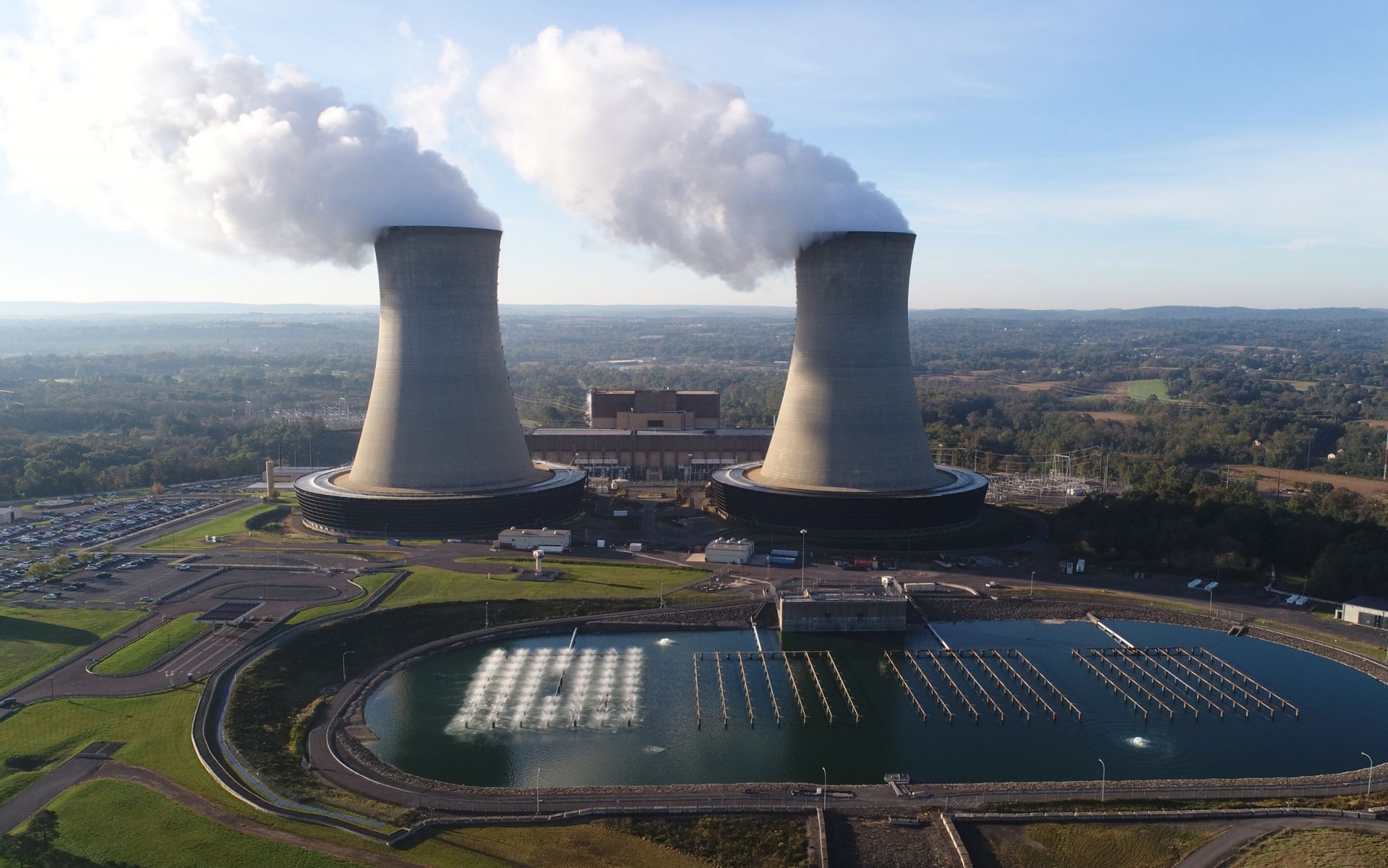
Operating reactors: Pennsylvania has eight reactors at four sites, operated by three different utilities. Constellation’s Limerick and Peach Bottom stations each feature two BWRs, producing 2,315 net MWe and 2,645 net MWe, respectively. The two BWRs at Talen’s Susquehanna plant produce a total of 2,514 net MWe. At the Vistra-owned Beaver Valley are two PWRs that produce 1,872 net MWe. With a combined 9,346 net MWe, Pennsylvania is second only to Illinois in nuclear power generation.
Coming soon? Two events are on Pennsylvania’s horizon, helping usher in a new nuclear generation.
Crane Clean Energy Center—After being shuttered in 2019, a 2024 PPA with Microsoft is funding a fresh start for TMI-1. Constellation has begun refurbishment with the goal of getting it back on line under its new moniker in 2027.
eVinci research reactor—Last March, Westinghouse and Penn State officially announced plans to site a new research reactor on the university’s campus. Westinghouse’s eVinci is a 5-MWe HALEU TRISO-fueled sodium heat-pipe reactor. Penn State already has one research reactor to its name: Breazeale, the oldest university research reactor in the U.S., which just passed its 70th anniversary.
Future potential: Increased energy demand could bring more power to Pennsylvania through projects like these:
Amazon and Talen—This partnership has traveled a rocky road, with the Federal Energy Regulatory Commission twice denying Talen’s plans to supply power to an Amazon data center campus neighboring its Susquehanna nuclear plant. Last June, the companies signed a PPA for front-of-the-meter power and cooperative exploration of SMR deployment in the state.
Westinghouse AP1000s—Though still in a nascent phase, Westinghouse has committed to building a fleet of 10 new AP1000s in the U.S., with the first under construction by 2030. No sites for the future reactors have been named.
Cook
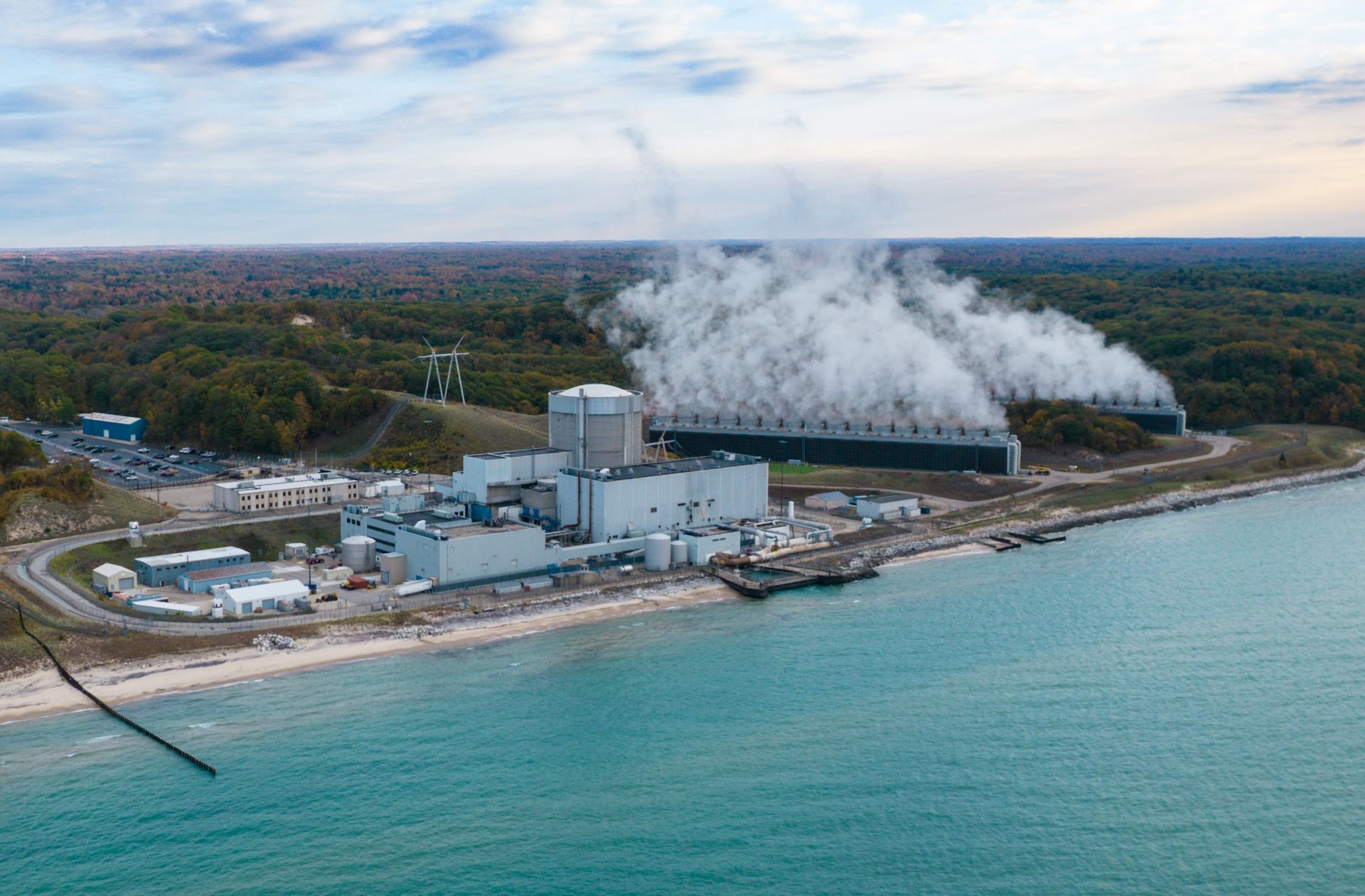
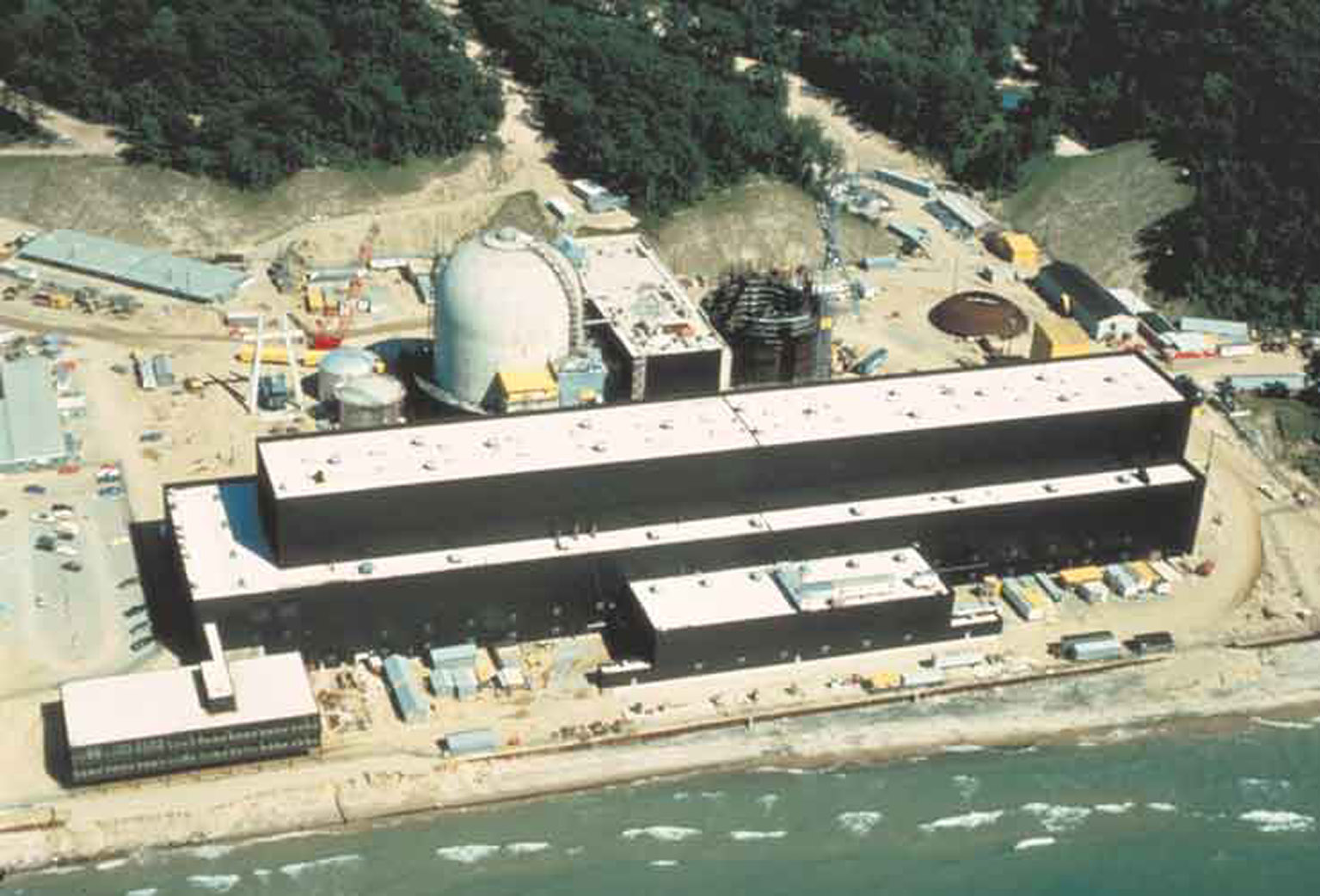
Palisades
10. Michigan: Initiating the revival
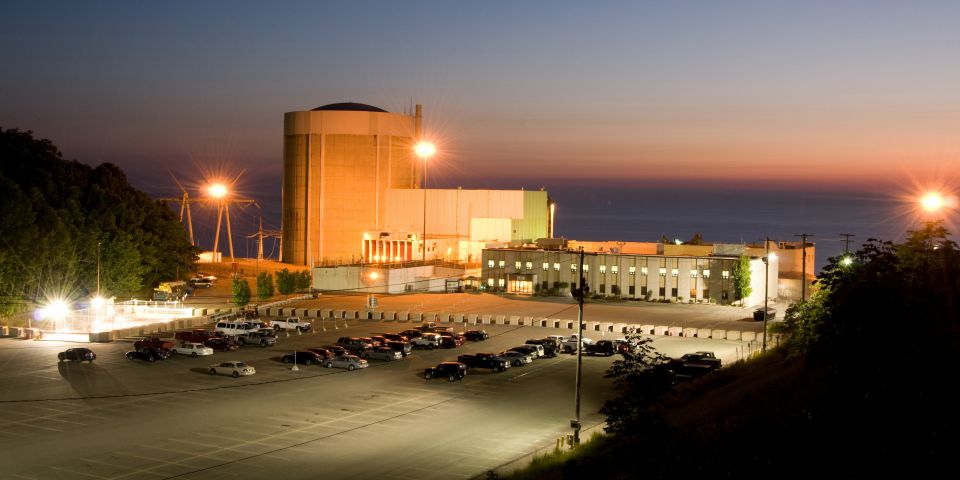
The last state on our list, Michigan will be remembered as a symbol of the nuclear turnaround of the 2020s. Entergy, the previous owner and operator of the Palisades nuclear power plant along Lake Michigan, sold the plant to Holtec to begin decommissioning, but it was clear almost immediately that Michigan would need the clean baseload energy provided by the single-unit PWR.
If all goes according to plan, Holtec will be restarting the plant in early 2026, making it the first nuclear power plant in the U.S. to return to operations after being shuttered. Not counting Palisades, Michigan has three operating reactors producing enough power to place it 12th in the rankings of net MWe by state.
The state’s educational opportunities helped bump it into the top 10, as the University of Michigan has one of the oldest nuclear engineering programs in the U.S.
Operating reactors: In total, the “Mitten State” currently receives a total of 3,501 net MWe from its three reactors. DTE’s Fermi station is a single-unit BWR that produces 1,205 net MWe. The utility also holds a COL for a second unit at Fermi. American Electric Power Company’s Cook station has two PWRs that produce a combined 2,296 net MWe.
Coming soon? Palisades may also find itself home to an SMR in the future, as Hyundai Engineering & Construction and Holtec have partnered with visions of building a fleet of Holtec-designed SMR-300s in North America. The partnership recently received $400 million from the DOE for the project at Palisades.