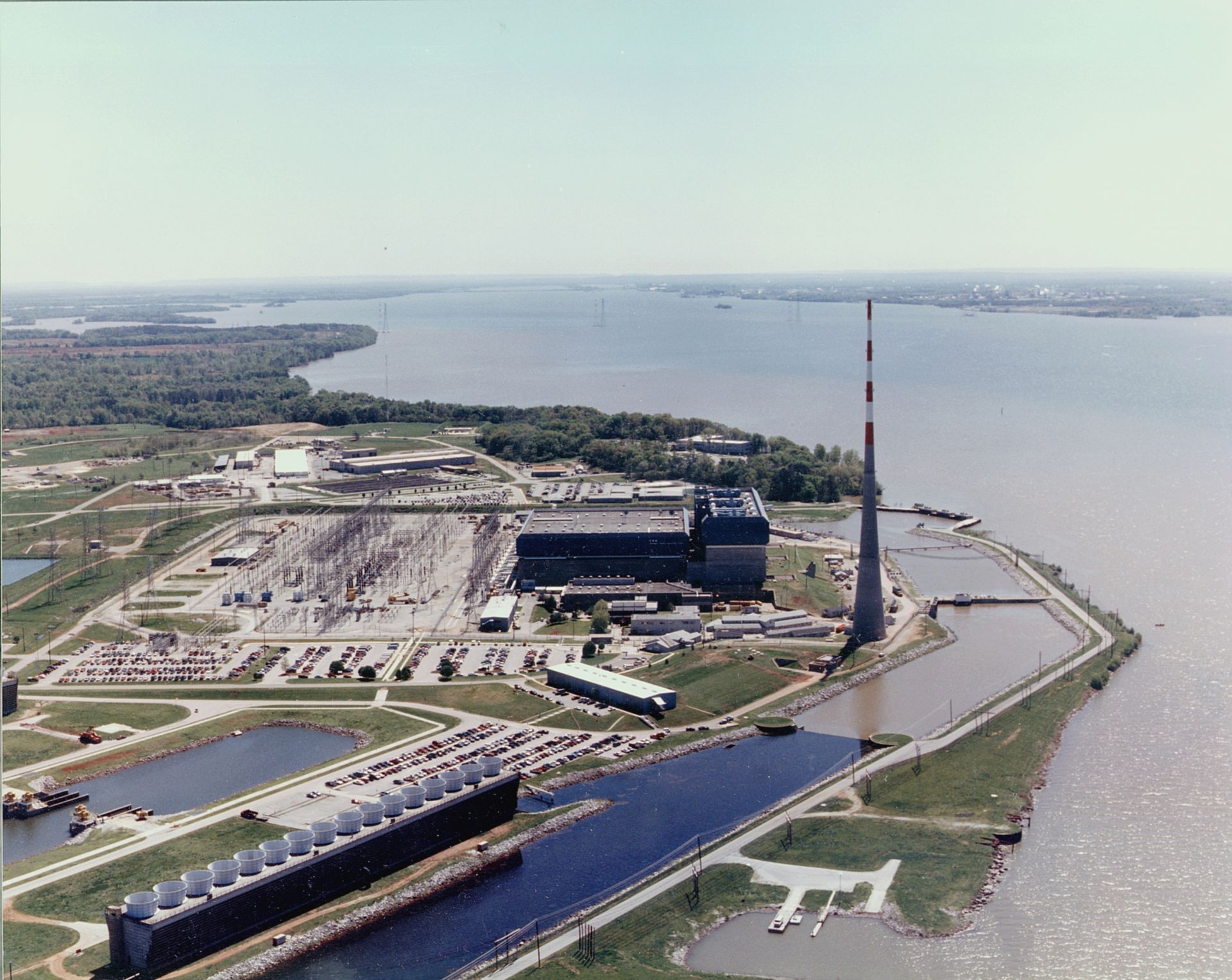
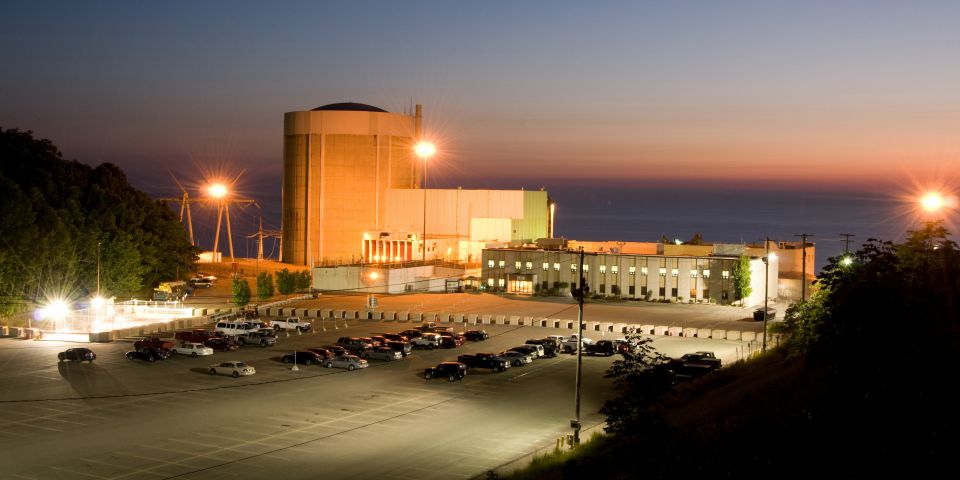
The Browns Ferry nuclear power plant. (Photo: TVA)
The operating licenses for the three boiling water reactors at Browns Ferry nuclear power plant, in Athens, Ala., have each been renewed by the Nuclear Regulatory Commission for an additional 20 years. The reactors, operated by the Tennessee Valley Authority, are now licensed to operate until December 2053 for Unit 1, June 2054 for Unit 2, and July 2056 for Unit 3.
Browns Ferry basics: When they came on line, the Browns Ferry reactors were the first in the world capable of producing more than 1,000 MW of electricity. Units 1, 2, and 3 began operating in 1974, 1975, and 1977, respectively. The initial renewals of their operating licenses are good until 2033, 2034, and 2036. With power uprates in 2018 and 2019, the three reactors can now generate as much as 3,764 MW of electricity.
Browns Ferry produces about 20 percent of TVA’s total electricity-generating capacity. The facility ranks third in terms of nuclear power production in the United States, generating enough electricity to power more than 2 million homes and businesses, according to TVA.
80-year lifetimes: The NRC had used two parallel tracks for reviewing TVA’s application for extending the lifetimes of the Browns Ferry reactors to 80 years. The agency issued a safety evaluation in July 2025, followed by a final supplemental environmental impact statement in August 2025.
Jeremy Groom, acting director of the NRC’s Office of Nuclear Reactor Regulation, noted that the Browns Ferry reactors are now authorized to “safely operate for up to 80 years” and that “TVA’s responsiveness helped us complete our rigorous review nearly 3 months ahead of schedule.”

-3 2x1.jpg)