
-3 2x1.jpg)
Fusion energy: Progress, partnerships, and the path to deployment
February 20, 2026, 3:00PMNuclear News
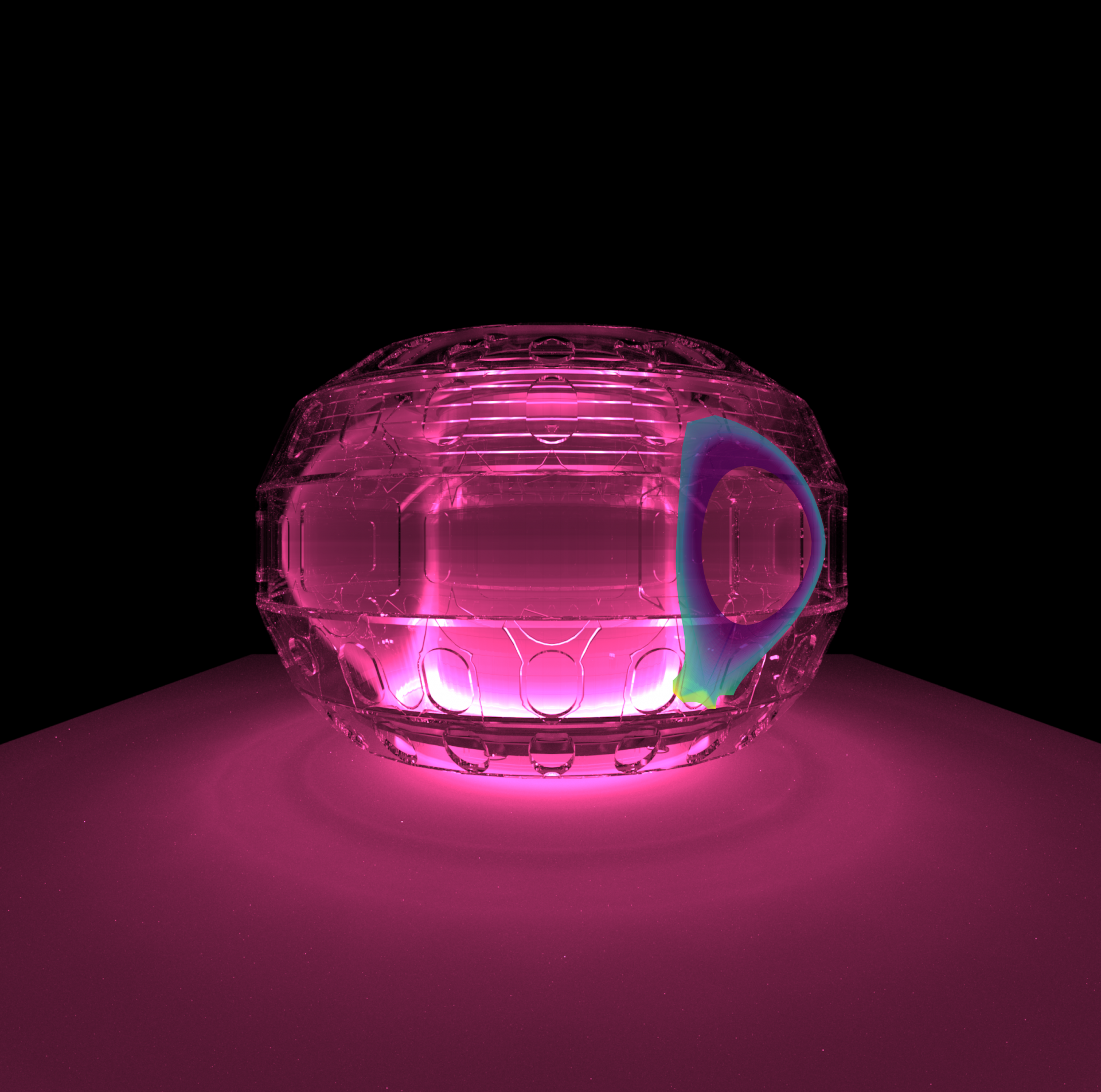
A ray-traced synthetic image from SOLPS plasma-emission simulations, with vessel materials rendered as glass for visualization. This modeling helps researchers understand how light interacts with in-vessel components and how real-world diagnostics would view the plasma during experiments. (Image: Curt Johnson/ORNL)
Over the past decade, fusion energy has moved decisively from scientific aspiration toward a credible pathway to a new energy technology. Thanks to long-term federal support, we have significantly advanced our fundamental understanding of plasma physics—the behavior of the superheated gases at the heart of fusion devices. This knowledge will enable the creation and control of fusion fuel under conditions required for future power plants. Our progress is exemplified by breakthroughs at the National Ignition Facility and the Joint European Torus.
 The Nuclear Innovation Alliance (NIA) released a new report last week titled