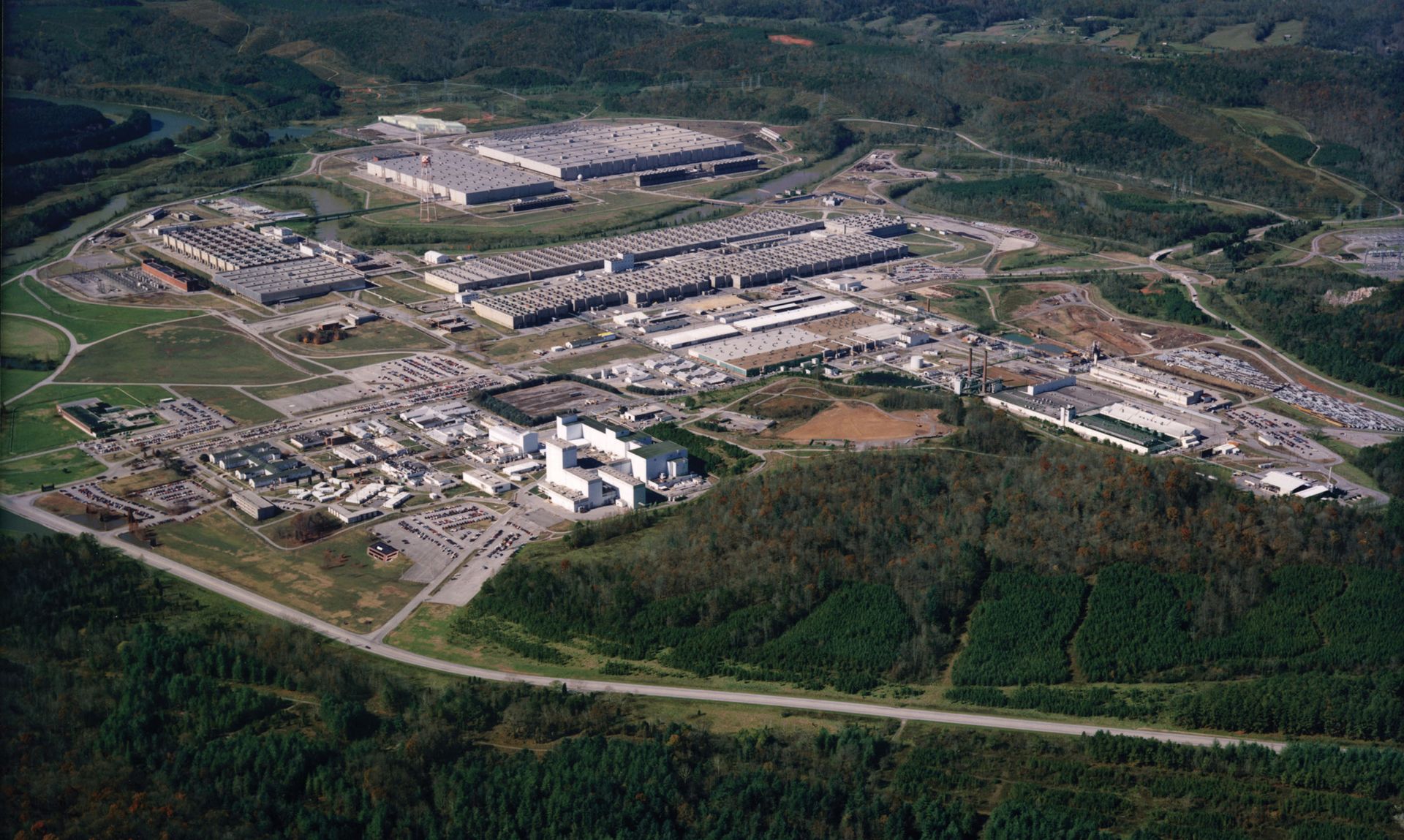
October 9, 2025, 10:32AMNuclear NewsHash Hashemian and Ken Rueter A view of the East Tennessee Technology Park in 1989 before cleanup operations . . . (Photo: DOE)
ANS Executive Director/CEO Craig Piercy’s reflection on the 80th anniversary of the Trinity Test (Nuclear Newswire, July 16) was a thoughtful and fitting remembrance of the achievements and legacy of the World War II generation of nuclear pioneers. We also see legacy environmental cleanup as a vital next step as our industry launches what Secretary of Energy Chris Wright has defined as “Manhattan Project 2.0.”
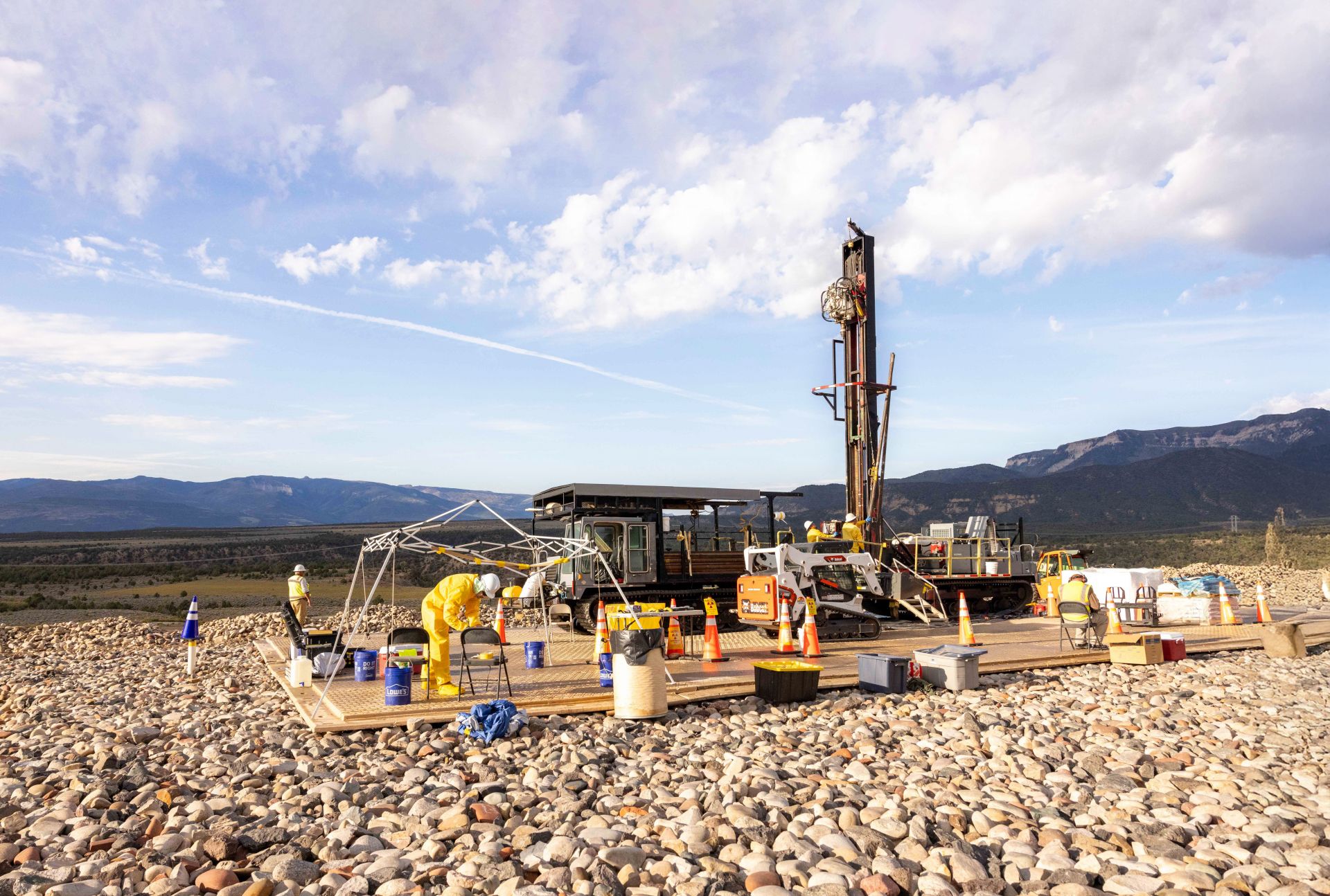
Project contractors and DOE-LM support partner staff install a well based on design strategy developed by support partner senior hydrogeologist Pete Schillig. (Photos: DOE-LM)
When the Department of Energy’s Office of Legacy Management recently faced an operational challenge at the Rifle Disposal Site in Colorado, it took subject matter experts across a wide array of disciplines to tackle it.
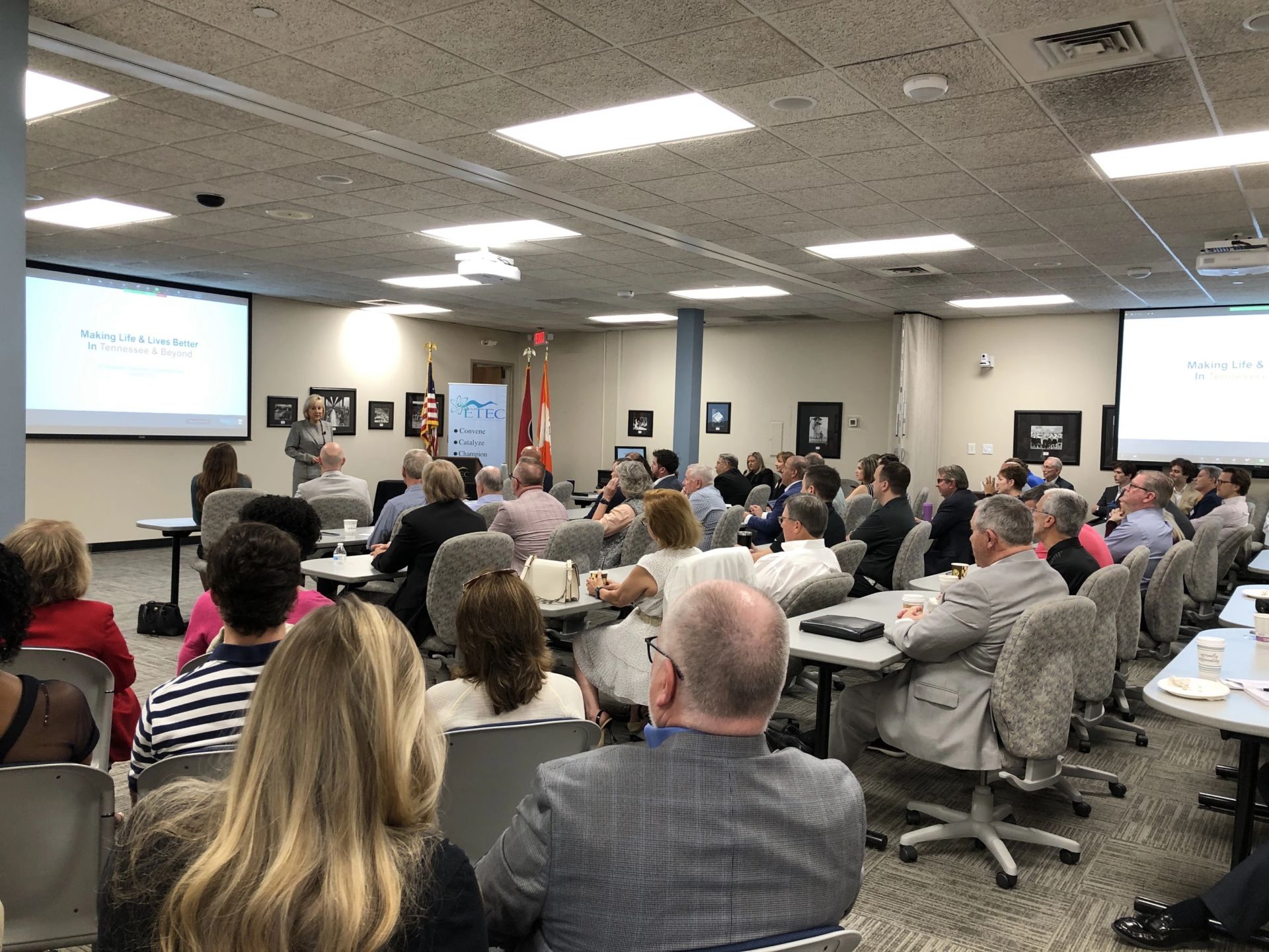
A public meeting is held by the East Tennessee Economic Council to discuss the Oak Ridge nuclear site. (Photo: ETEC)
When it comes to decision-making, public participation and community engagement are not the same thing. The structure and content of meetings to enable public participation in project decision-making can be staid, stale, and staged. The approach can be formulaic and reactionary: “We have a decision to make; we’ve narrowed down the alternatives … let’s prepare the scripts, posters, and presentations, gather our materials, book a room, coach the presenters on how to be succinct, identify people to staff the kiosks, contact the community members and regulatory staff we usually contact, and let’s have a public meeting! Once we get this over with, we can finally build our project, demolish that building, clean up this site, etc.” Not so fast.
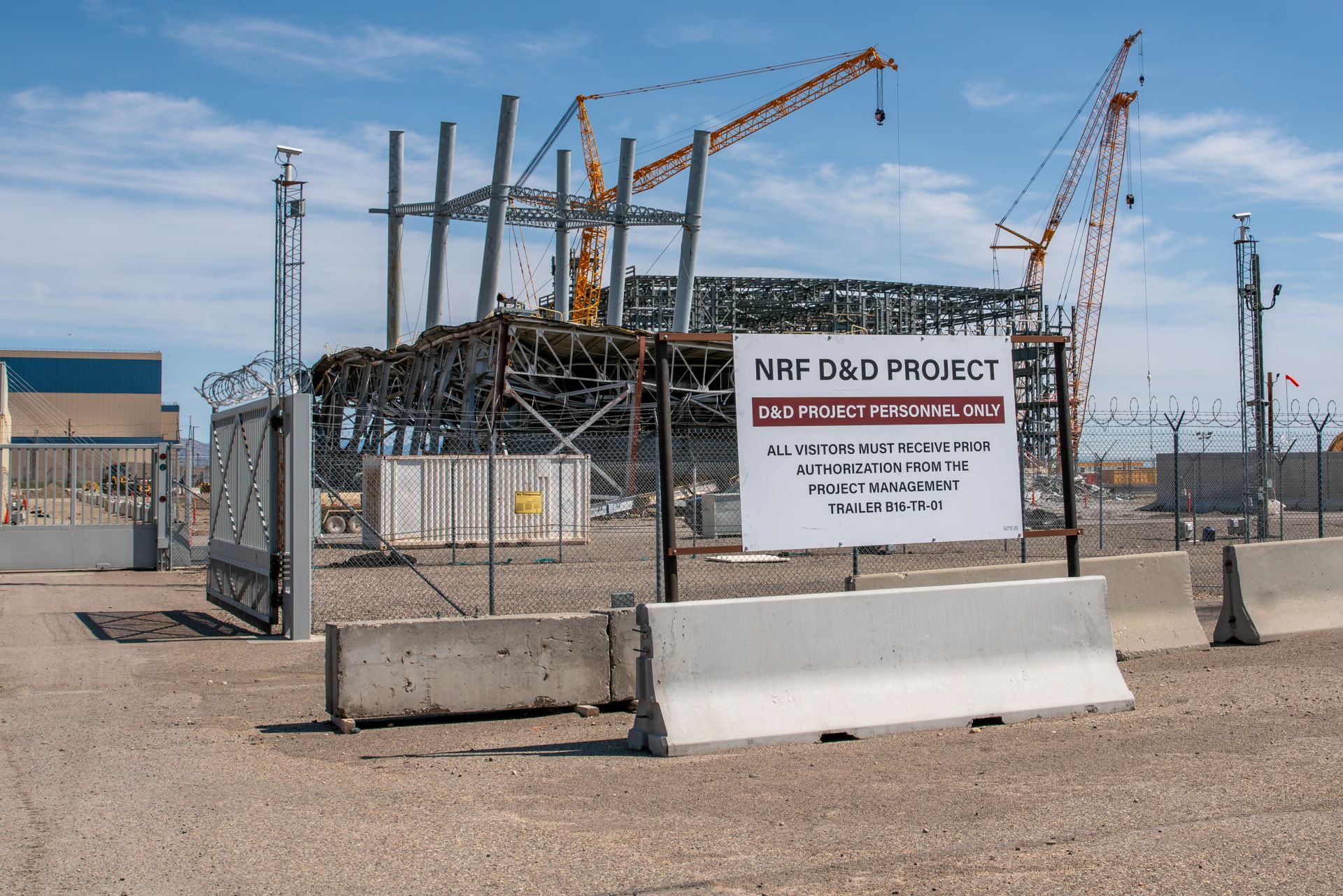
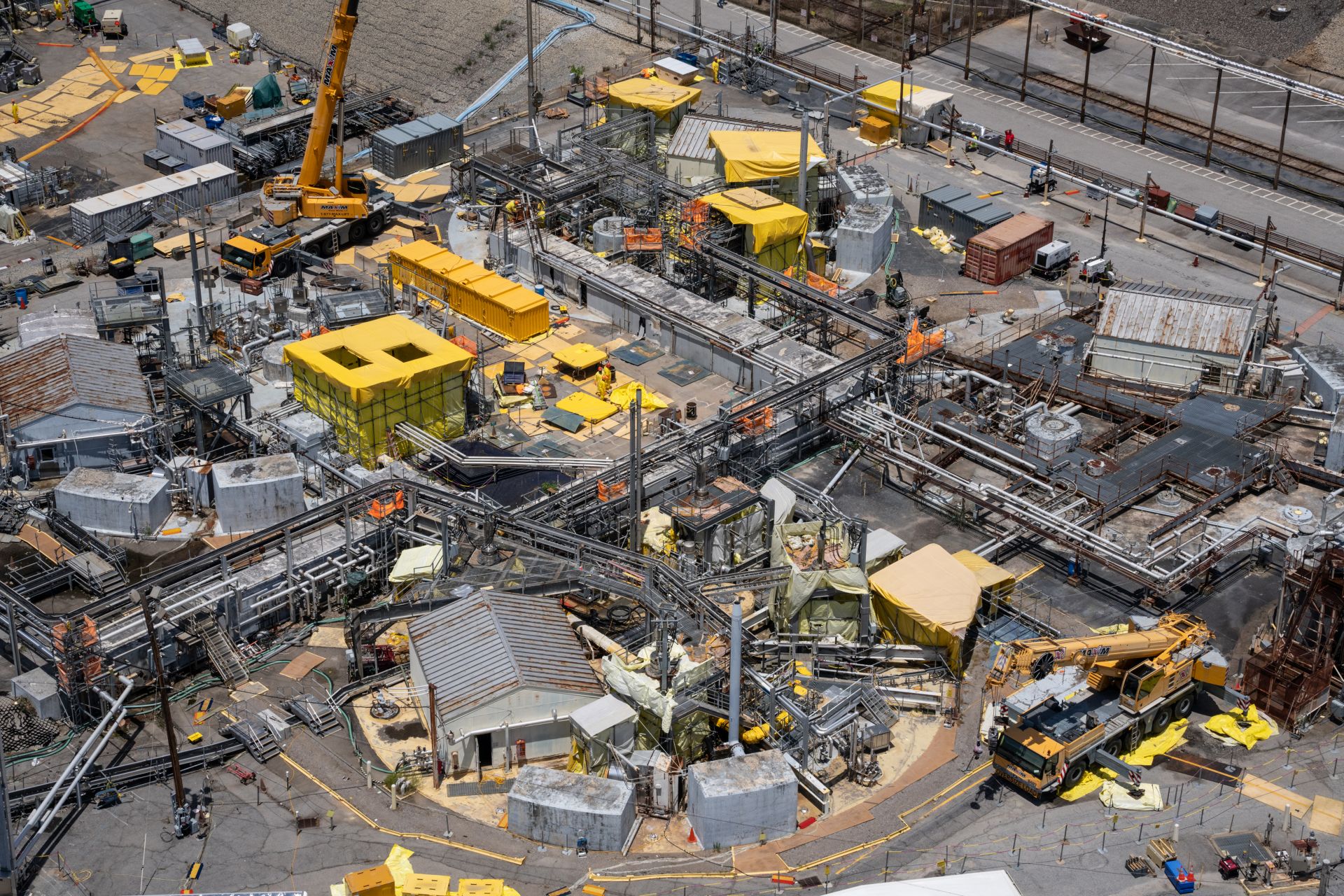
The DOE Office of Environmental Management and cleanup contractor Idaho Environmental Coalition are leading efforts to deactivate and demolish three legacy Naval Reactors Program prototypes at the Naval Reactors Facility in Idaho. (Photos: DOE)
The Idaho National Laboratory Site has long played an essential part in American nuclear reactor research and development activities. It is also a cornerstone of the Naval Nuclear Propulsion Program. The Naval Reactors Facility (NRF) on the INL Site, located in southeastern Idaho, was home to three historic land-based naval reactor prototypes—the Submarine 1st Generation Westinghouse (S1W) prototype, the Aircraft Carrier 1st Generation Westinghouse (A1W) prototype, and the Submarine 5th Generation General Electric (S5G) prototype—that facilitated critical training for naval personnel and testing that helped develop the U.S. Navy’s nuclear fleet.
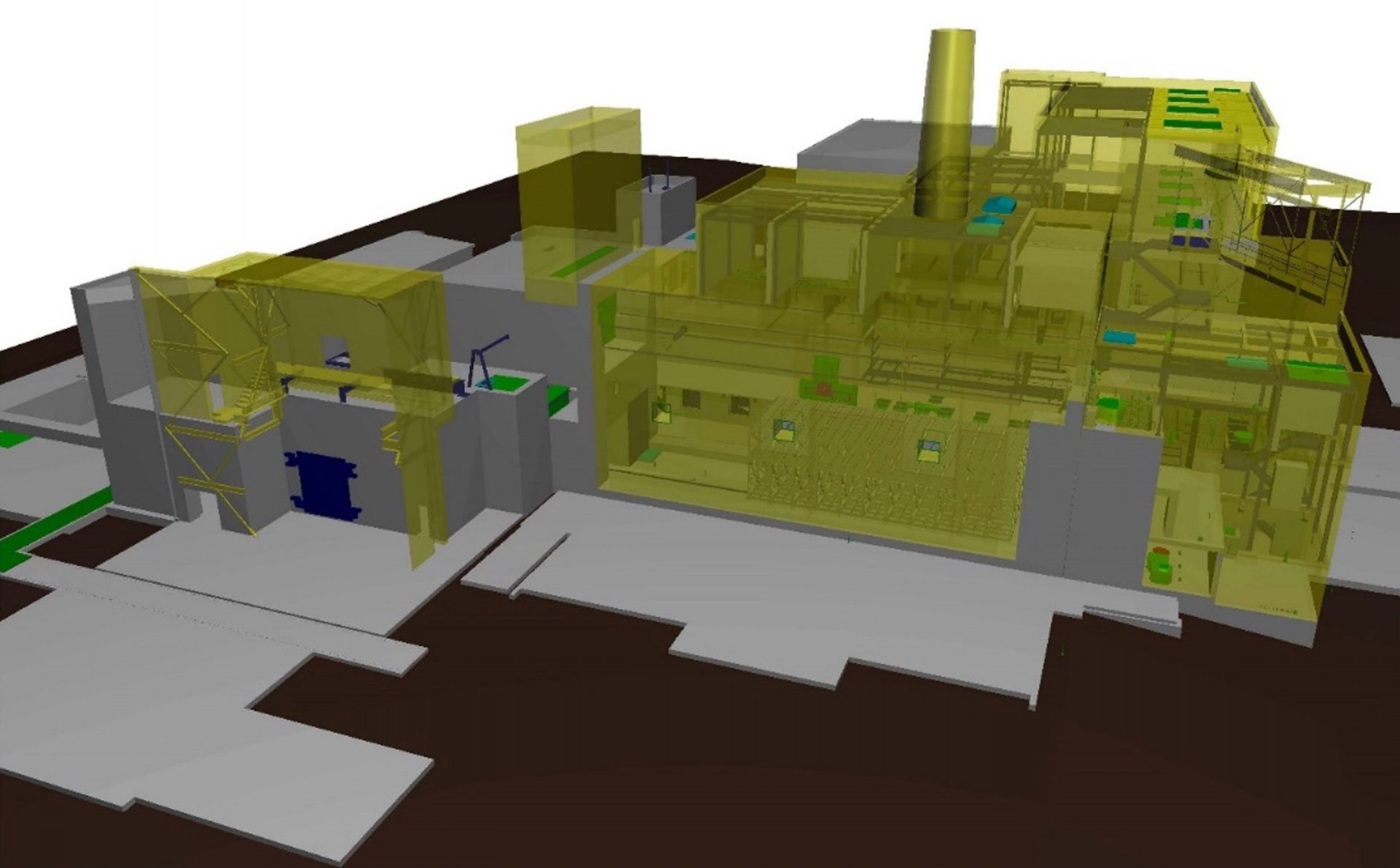
A 3D rendering of the MPPB.
Areas of the building where demolition has been completed are rendered
in transparent yellow.
Starting in 1966, the Western New York Nuclear Service Center (WNYNSC)—comprising 3,300 acres of land in the town of Ashford, N.Y.—was used for the commercial reprocessing of spent nuclear fuel. Reprocessing was conducted in the Main Plant Process Building (MPPB) until 1972 when commercial operations ceased and were never resumed. Now, 50 years later, modern 3D modeling technology is ensuring that the MPPB can be demolished in a safe and effective manner, minimizing risk to the environment and the workers.
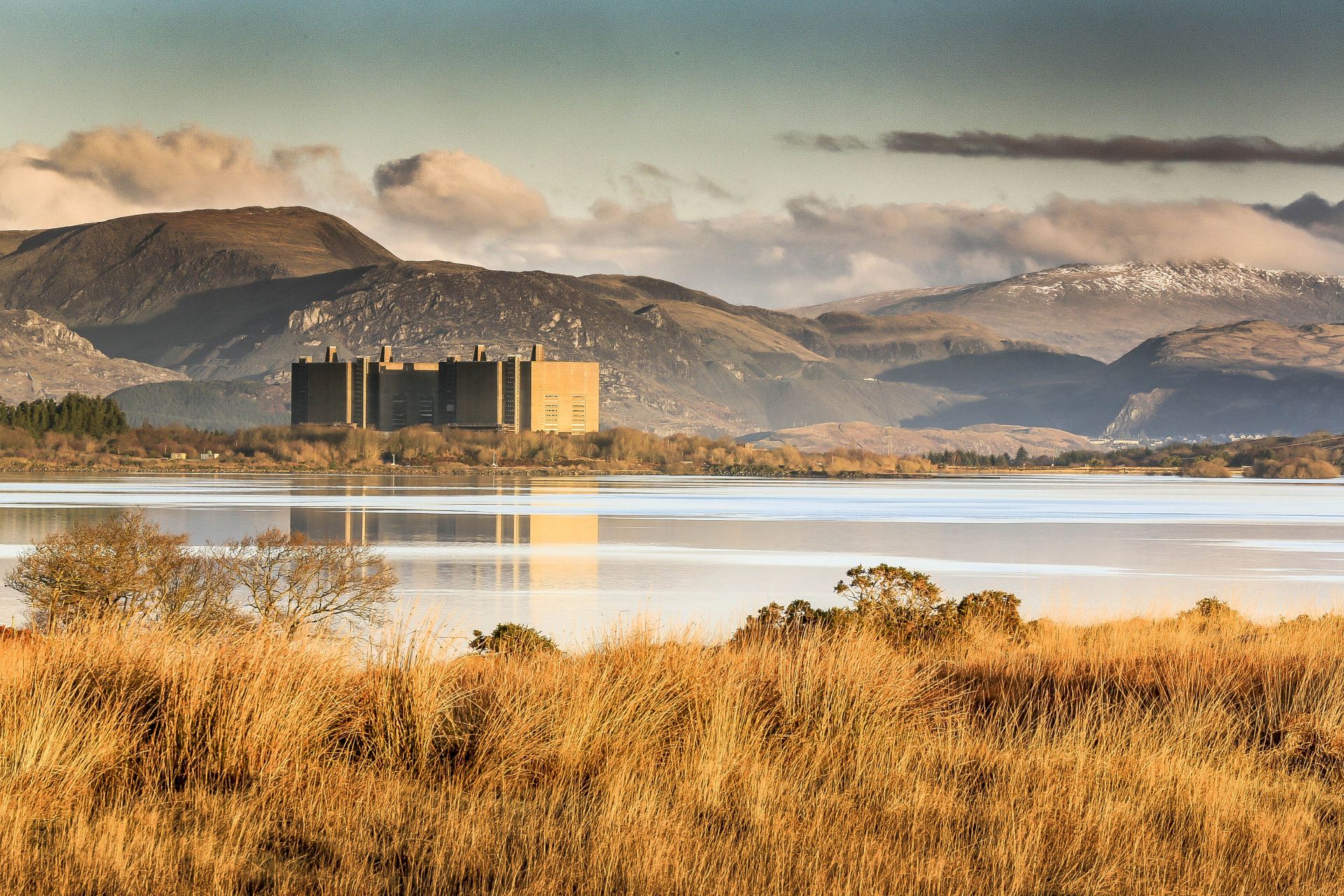
The Magnox Trawsfynydd reactor in Wales. (Photos: UK NRS)
Nuclear Restoration Services (NRS), a subsidiary of the U.K. Nuclear Decommissioning Authority (NDA), has adopted laser cutting as the primary technology for the removal of the reactor core of Dragon, a 20-MWt prototype high-temperature, helium-cooled, graphite-moderated reactor at Winfrith in Dorset, England. In addition, NRS is conducting trials to establish if laser cutting will be a viable technology for the decommissioning of the Trawsfynydd reactor, a first-generation Magnox reactor (CO2 cooled, graphite moderated) situated in the Snowdonia National Park in Wales.
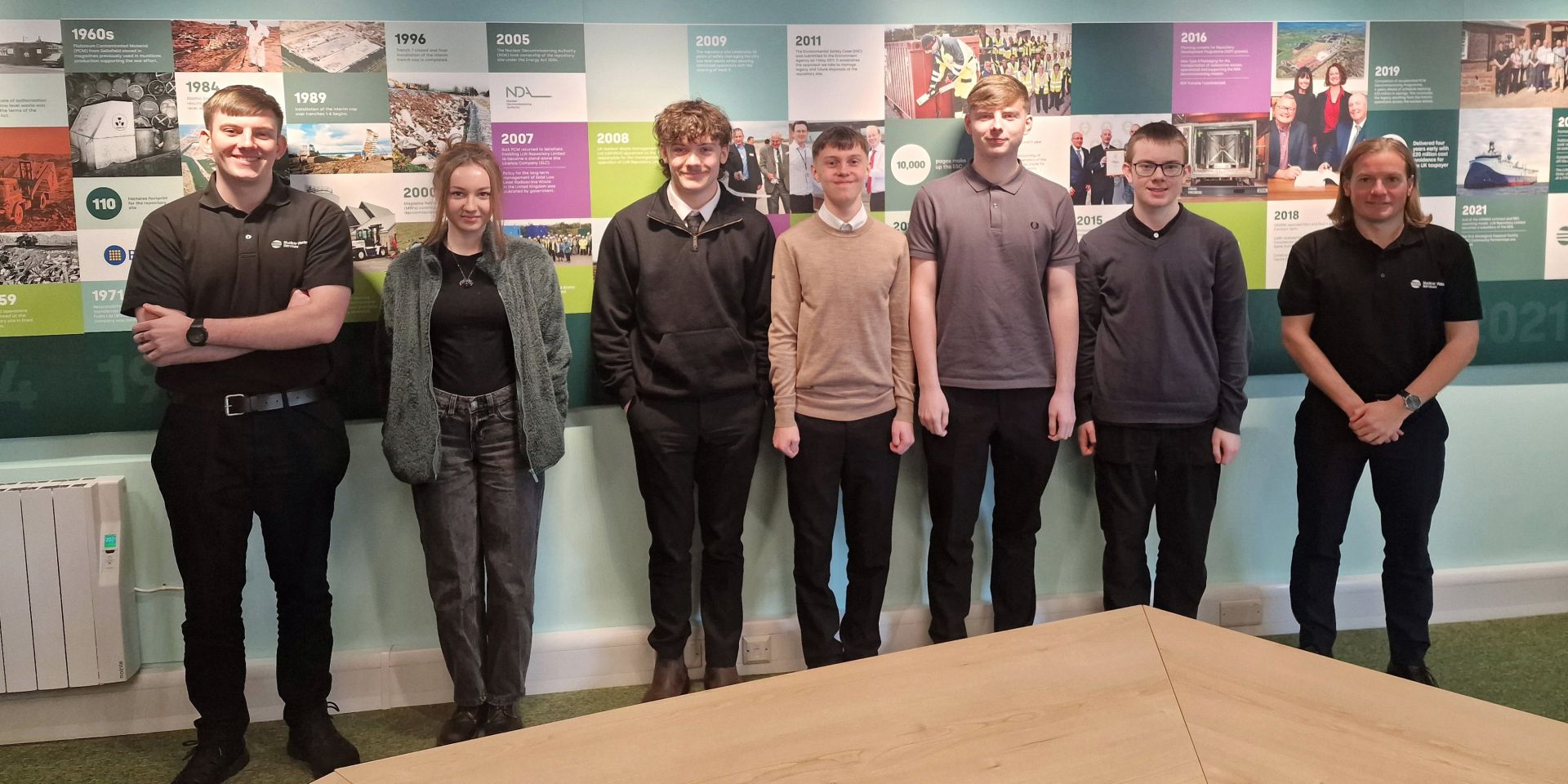
NWS scientific apprentice Teddy (left) and senior lead in customer management and expert support Howard (right) flank the five Dream Placement 2025 student participants. The students are (from left) Amelia, Elijah, Cole, Joseph, and Will. (Photo: NWS)
Earlier this year, Nuclear Waste Services, the radioactive waste management subsidiary of the U.K. Nuclear Decommissioning Authority, hosted a group of five teenagers for a week of exposure to real-world work environments at its facilities in Calderbridge, Cumbria. The students learned about career opportunities and leadership responsibilities at the company while they engaged with senior management and performed activities with several NWS teams, including employees in the environmental, waste characterization, cybersecurity, human resources, and geological disposal facility grants departments.
The Savannah River Site’s H Tank Farm holds high-level waste byproducts from the HEU recovery process in H Canyon. (Photo: SRNS)
As the only Department of Energy Office of Environmental Management–sponsored national lab, Savannah River National Laboratory has a history deeply rooted in environmental stewardship efforts such as nuclear material processing and disposition technologies. SRNL’s demonstrated expertise is now being leveraged to solve nuclear fuel supply -chain obstacles by providing a source of high-assay low-enriched uranium fuel for advanced reactors.
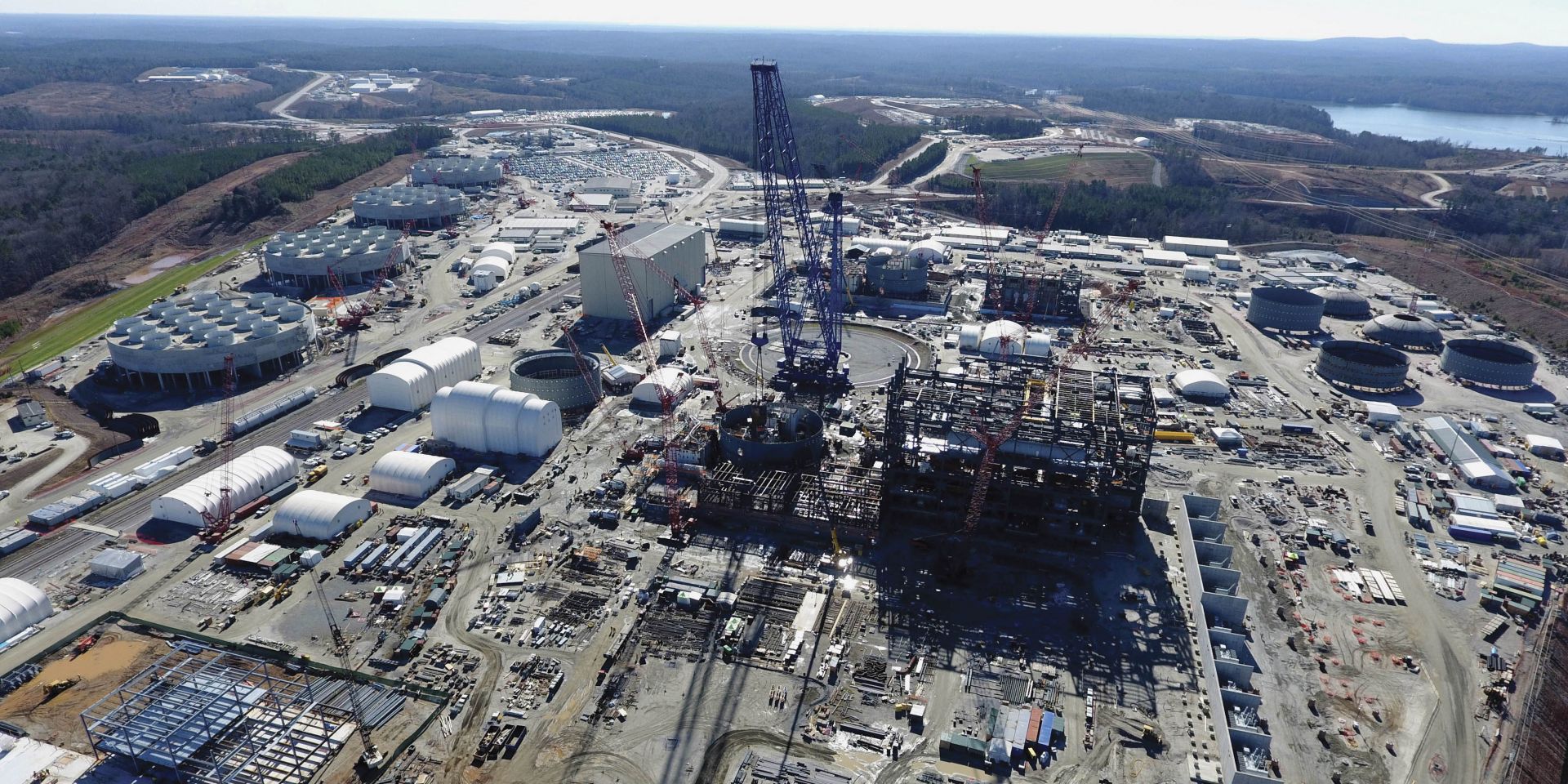
The V.C. Summer Units 2 and 3 construction site. (Photo: Dominion Energy)
Despite the emergence of new projects, technologies, and commercial ventures, the rate of actual deployment worldwide has been relatively slow—but not necessarily for the reasons people might think.
The role of state universities as trusted anchors for public engagement in an age of energy and environmental transition

Sukesh Aghara
In an era when affordable, clean energy is as much an economic imperative as it is an environmental one, the Commonwealth of Massachusetts has an opportunity to lead not just through legislation but through partnership—between state leadership and its world-class universities.
Massachusetts has long led on decarbonization through electric vehicle adoption, rooftop solar, and offshore wind. We have reduced energy consumption through efficiency investments. From 2022 to 2024 alone, the state’s Mass Save programs facilitated energy savings equal to the annual usage of over 852,000 homes, avoided 684,000 metric tons of carbon dioxide, and delivered $2.3 billion in customer incentives. But to meet growing demand and industrial needs, it’s time to invite universities to help craft a bolder vision—one that includes advanced nuclear technologies.
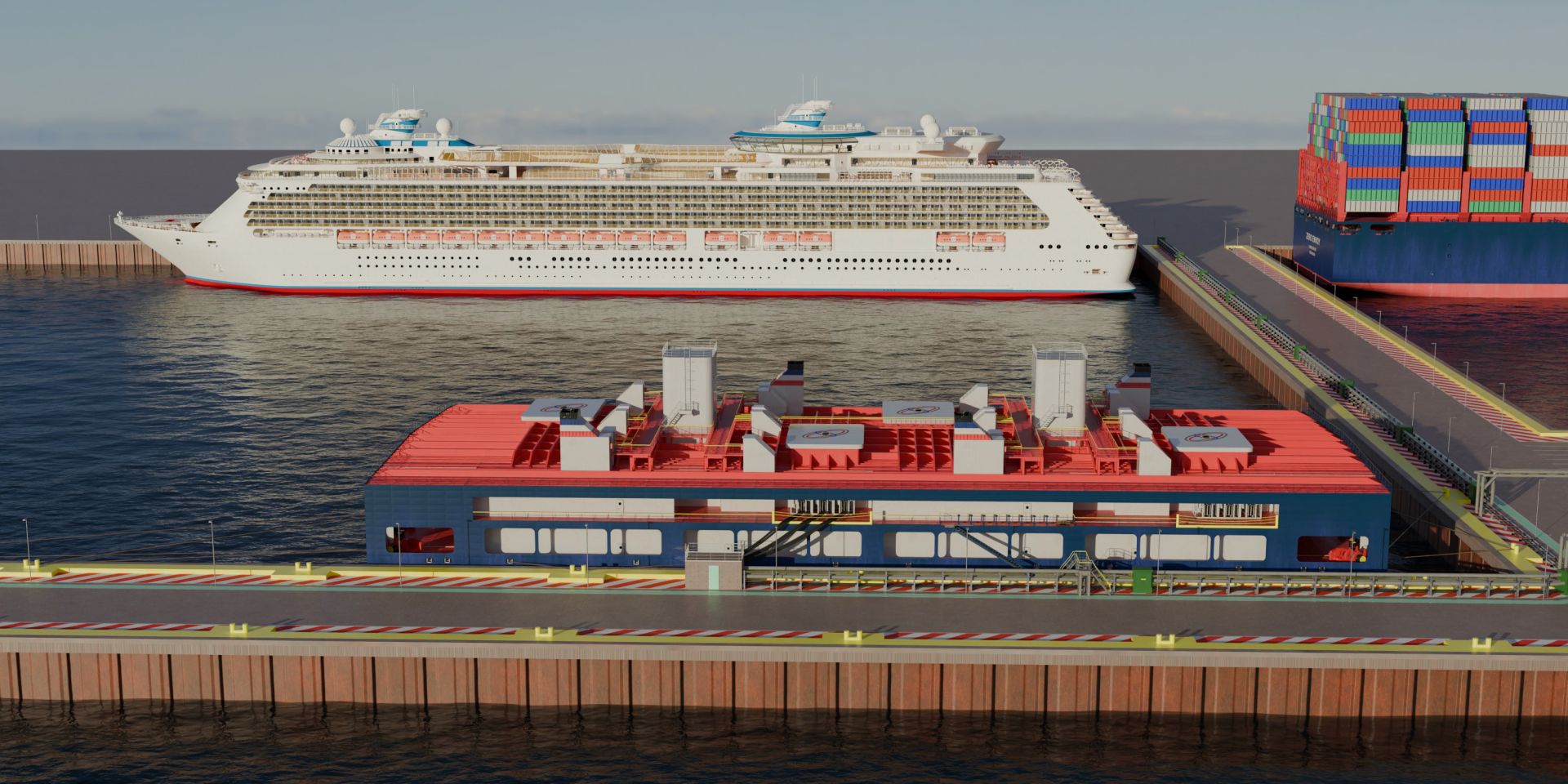
Rendering of a floating nuclear power plant concept, in foreground. (Image: American Bureau of Shipping/Herbert)
On April 22, 1959, Rear Admiral George J. King, superintendent of the Maine Maritime Academy, announced that following the completion of the 1960 training cruise, cadets would begin the study of nuclear engineering. Courses at that time included radiation physics, reactor control and instrumentation, reactor theory and engineering, thermodynamics, shielding, core design, reactor maintenance, and nuclear aspects.

-3 2x1.jpg)




 Here is a recap of industry happenings from the recent past: