Laser Decommissioning of Reactor Cores and Structures: U.K. Dragon and Trawsfynydd Reactors

October 8, 2025, 3:21PMRadwaste SolutionsJames Reed and Chris Ewing
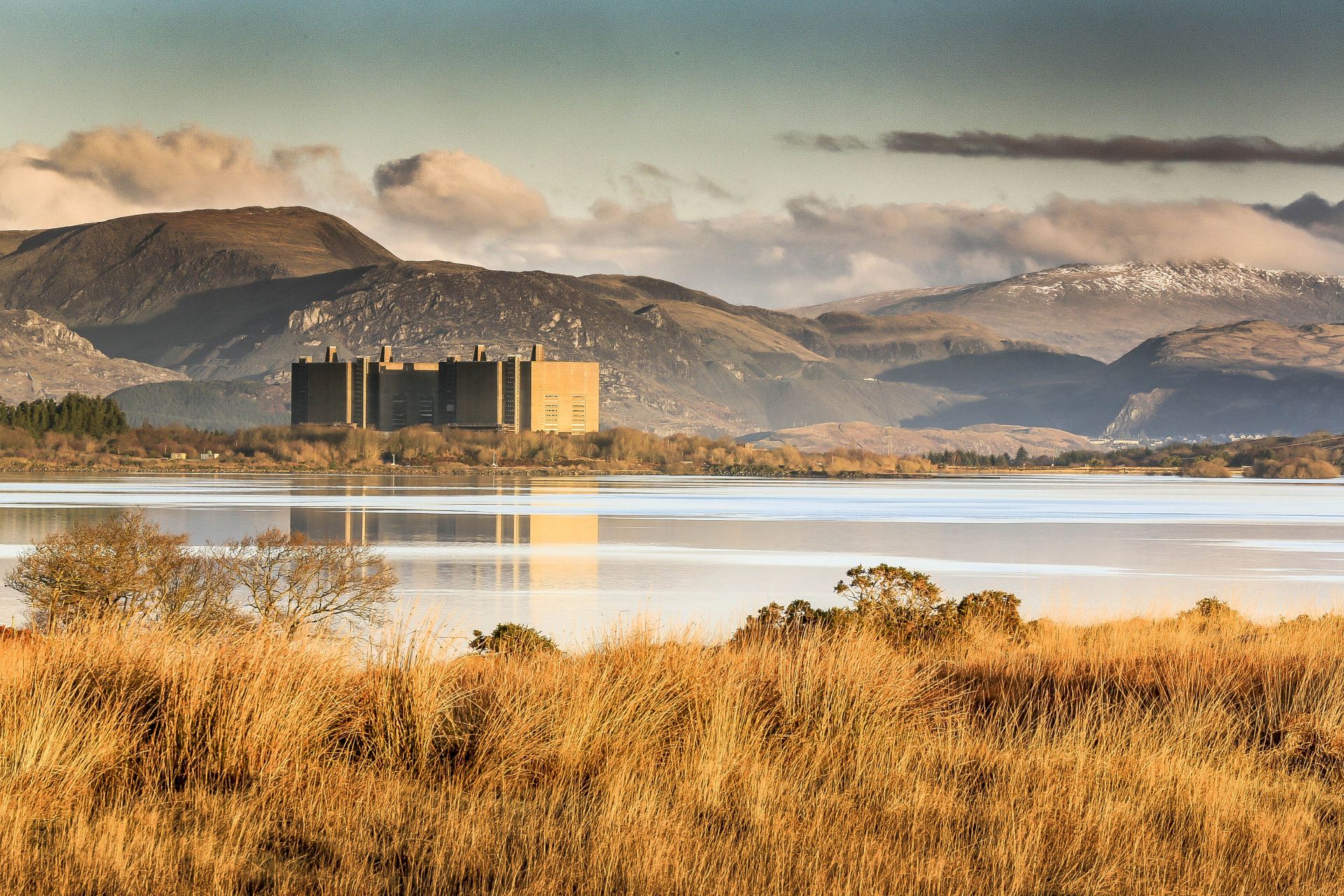
The Magnox Trawsfynydd reactor in Wales. (Photos: UK NRS)

Nuclear Restoration Services (NRS), a subsidiary of the U.K. Nuclear Decommissioning Authority (NDA), has adopted laser cutting as the primary technology for the removal of the reactor core of Dragon, a 20-MWt prototype high-temperature, helium-cooled, graphite-moderated reactor at Winfrith in Dorset, England. In addition, NRS is conducting trials to establish if laser cutting will be a viable technology for the decommissioning of the Trawsfynydd reactor, a first-generation Magnox reactor (CO2 cooled, graphite moderated) situated in the Snowdonia National Park in Wales.

Program prepares U.K. students for nuclear careers

October 6, 2025, 9:30AMNuclear News
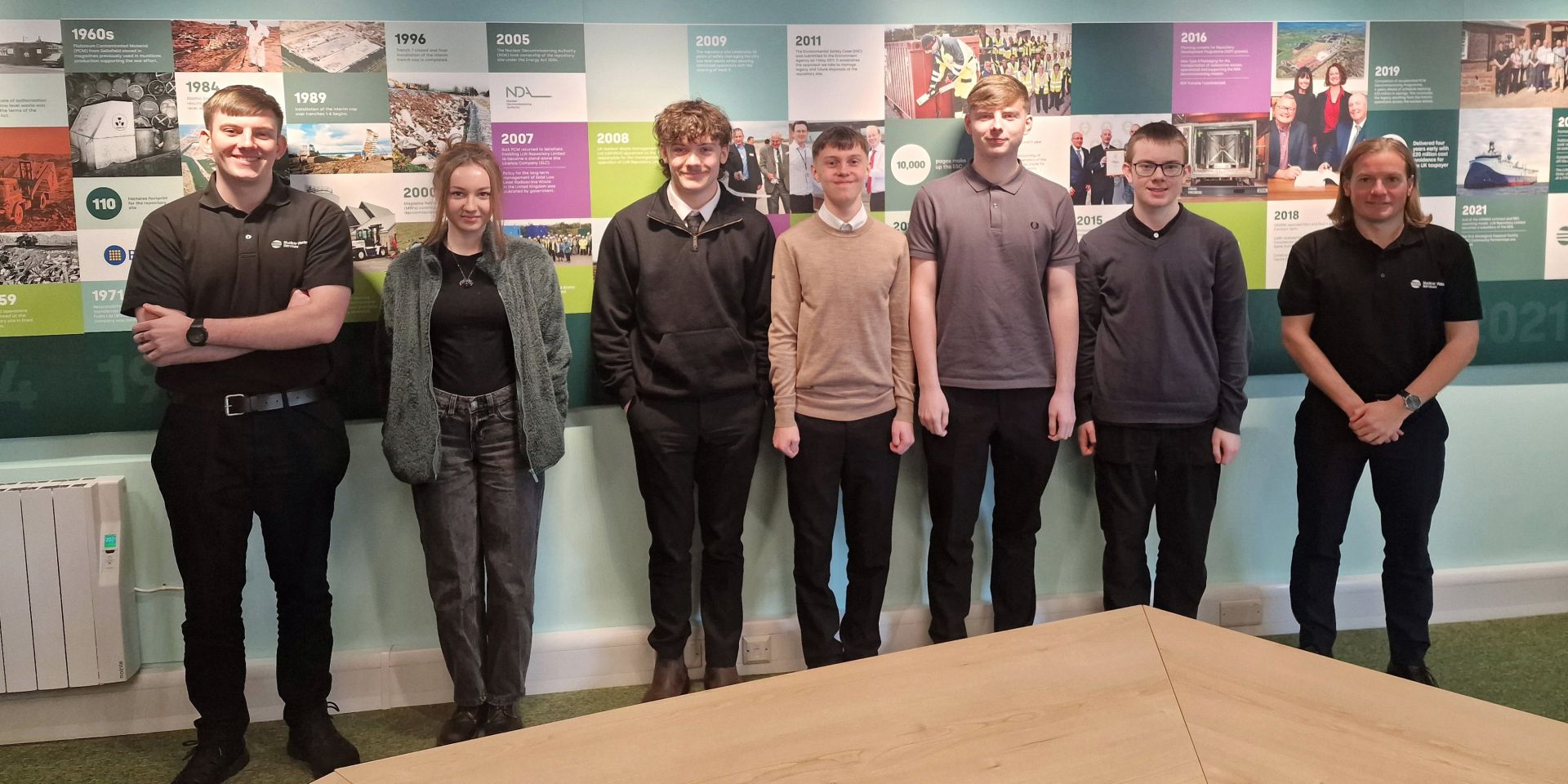
NWS scientific apprentice Teddy (left) and senior lead in customer management and expert support Howard (right) flank the five Dream Placement 2025 student participants. The students are (from left) Amelia, Elijah, Cole, Joseph, and Will. (Photo: NWS)

Earlier this year, Nuclear Waste Services, the radioactive waste management subsidiary of the U.K. Nuclear Decommissioning Authority, hosted a group of five teenagers for a week of exposure to real-world work environments at its facilities in Calderbridge, Cumbria. The students learned about career opportunities and leadership responsibilities at the company while they engaged with senior management and performed activities with several NWS teams, including employees in the environmental, waste characterization, cybersecurity, human resources, and geological disposal facility grants departments.

Moving forward with clarity

October 6, 2025, 7:03AMNuclear NewsHash Hashemian

Hash Hashemian
president@ans.org

The theme of this year’s Winter Conference—already less than two months away—is “Building the Nuclear Century.” This focus reflects one of my chief goals during my presidency: streamlining the deployment of new power plants. However, I want to emphasize that this call to build extends far beyond a sole focus on new commercial reactors. As an industry, it’s critical that we keep momentum going across every area that supports the nuclear community.

So, while new reactor announcements are undeniably exciting and a logical benchmark to see the positive progress we’re making, we must continue to ensure that there is space to elevate, focus on, and celebrate crucial work in the fields of isotope production, waste management, public outreach, workforce training, and beyond. The call to build is a call to innovate and collaborate in every sector. It’s a call we need to follow.

Innovation for advanced fuels at SRNL

October 3, 2025, 3:01PMNuclear NewsCatelyn Folkert
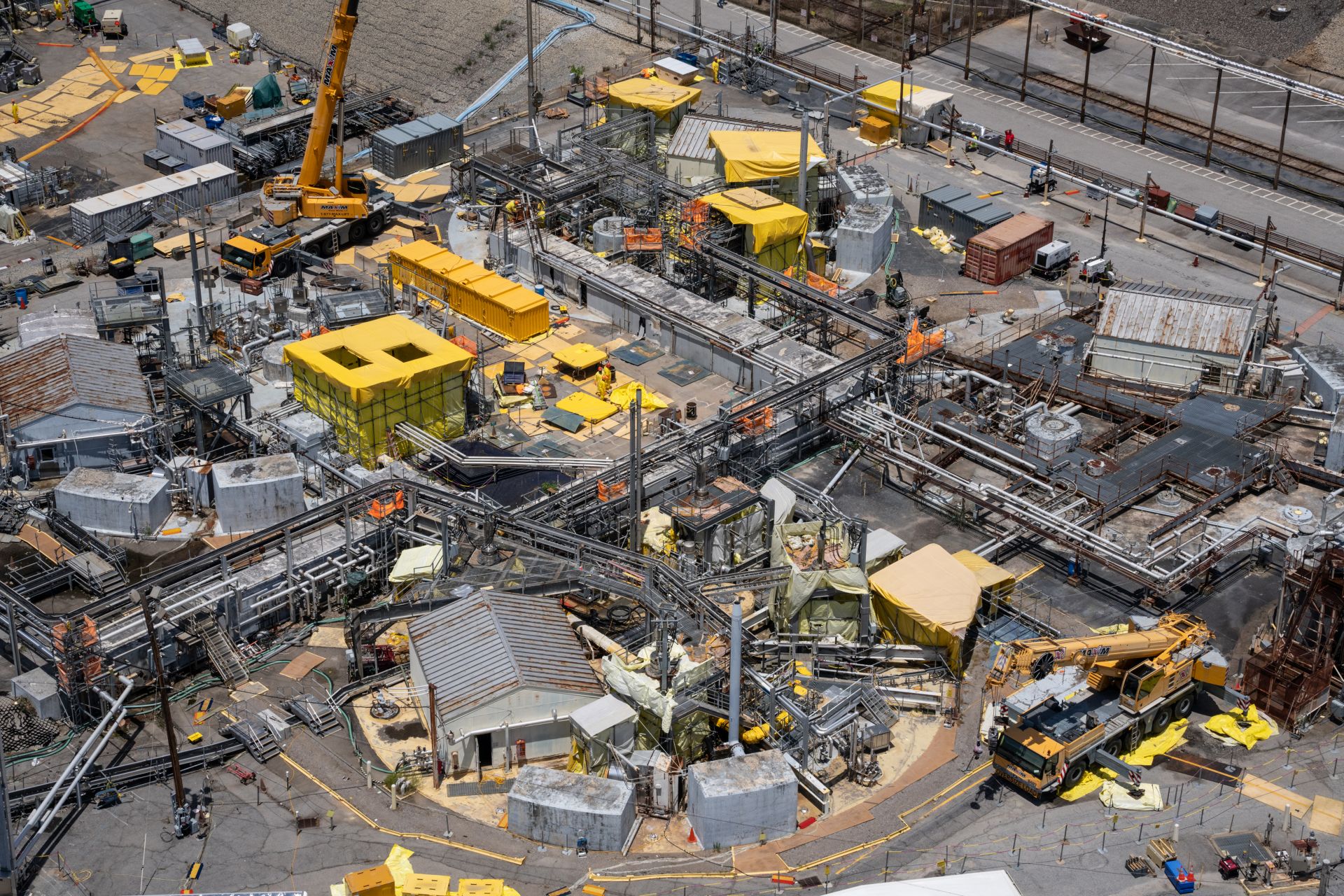
The Savannah River Site’s H Tank Farm holds high-level waste byproducts from the HEU recovery process in H Canyon. (Photo: SRNS)

As the only Department of Energy Office of Environmental Management–sponsored national lab, Savannah River National Laboratory has a history deeply rooted in environmental stewardship efforts such as nuclear material processing and disposition technologies. SRNL’s demonstrated expertise is now being leveraged to solve nuclear fuel supply -chain obstacles by providing a source of high-assay low-enriched uranium fuel for advanced reactors.

Optimizing nuclear plant outages: Data analytics tools and methods for enhancing resilience and efficiency

September 26, 2025, 1:54PMNuclear NewsDiego Mandelli, Shawn St. Germain, Congjian Wang, Edward Chen, Norman John Mapes, Svetlana Lawrence, and Ahmad Al Rashdan

Nuclear power plant refueling outages are among the most complex phases in a plant’s operational cycle.1 During these outages, tens of thousands of activities, including maintenance and surveillance, are conducted simultaneously within a short timeframe. Typically lasting three to four weeks, these operations involve large crews of contractors with diverse skill sets performing tasks ranging from testing and surveillance to maintenance. Outages may extend longer if major backfitting or modernization projects are planned. Consequently, plant outages are expensive, incurring significant operational costs, such as contractor labor and equipment, as well as the loss of generation while the plant is off line. This can easily cost a plant operator more than $1 million a day. Therefore, there is a constant need to mitigate the economic impact on plants by reducing the frequency, duration, and risks associated with these outages.2,3

Shifting the paradigm of supply chain

September 16, 2025, 9:30AMNuclear NewsChad Wolf

Chad Wolf

When I began my nuclear career, I was coached up in the nuclear energy culture of the day to “run silent, run deep,” a mindset rooted in the U.S. Navy’s submarine philosophy. That was the norm—until Fukushima.

The nuclear renaissance that many had envisioned hit a wall. The focus shifted from expansion to survival. Many utility communications efforts pivoted from silence to broadcast, showcasing nuclear energy’s elegance and reliability. Nevertheless, despite being clean baseload 24/7 power that delivered a 90 percent capacity factor or higher, nuclear energy was painted as risky and expensive (alongside energy policies and incentives that favored renewables).

Economics became a driving force threatening to shutter nuclear power. The Delivering the Nuclear Promise initiative launched in 2015 challenged the industry to sustain high performance yet cut costs by up to 30 percent.

NN Asks: What did you learn from ANS’s Nuclear 101?

September 15, 2025, 12:00PMNuclear NewsMike Harkin

Mike Harkin

When ANS first announced its new Nuclear 101 certificate course, I was excited. This felt like a course tailor-made for me, a transplant into the commercial nuclear world. I enrolled for the inaugural session held in November 2024, knowing it was going to be hard (this is nuclear power, of course)—but I had been working on ramping up my knowledge base for the past year, through both my employer and at a local college.

The course was a fast-and-furious roller-coaster ride through all the key components of the nuclear power industry, in one highly challenging week. In fact, the challenges the students experienced caught even the instructors by surprise. Thankfully, the shared intellectual stretch we students all felt helped us band together to push through to the end.

We were all impressed with the quality of the instructors, who are some of the top experts in the field. We appreciated not only their knowledge base but their support whenever someone struggled to understand a concept.

Empowering the next generation: ANS’s newest book focuses on careers in nuclear energy

September 12, 2025, 3:00PMNuclear News

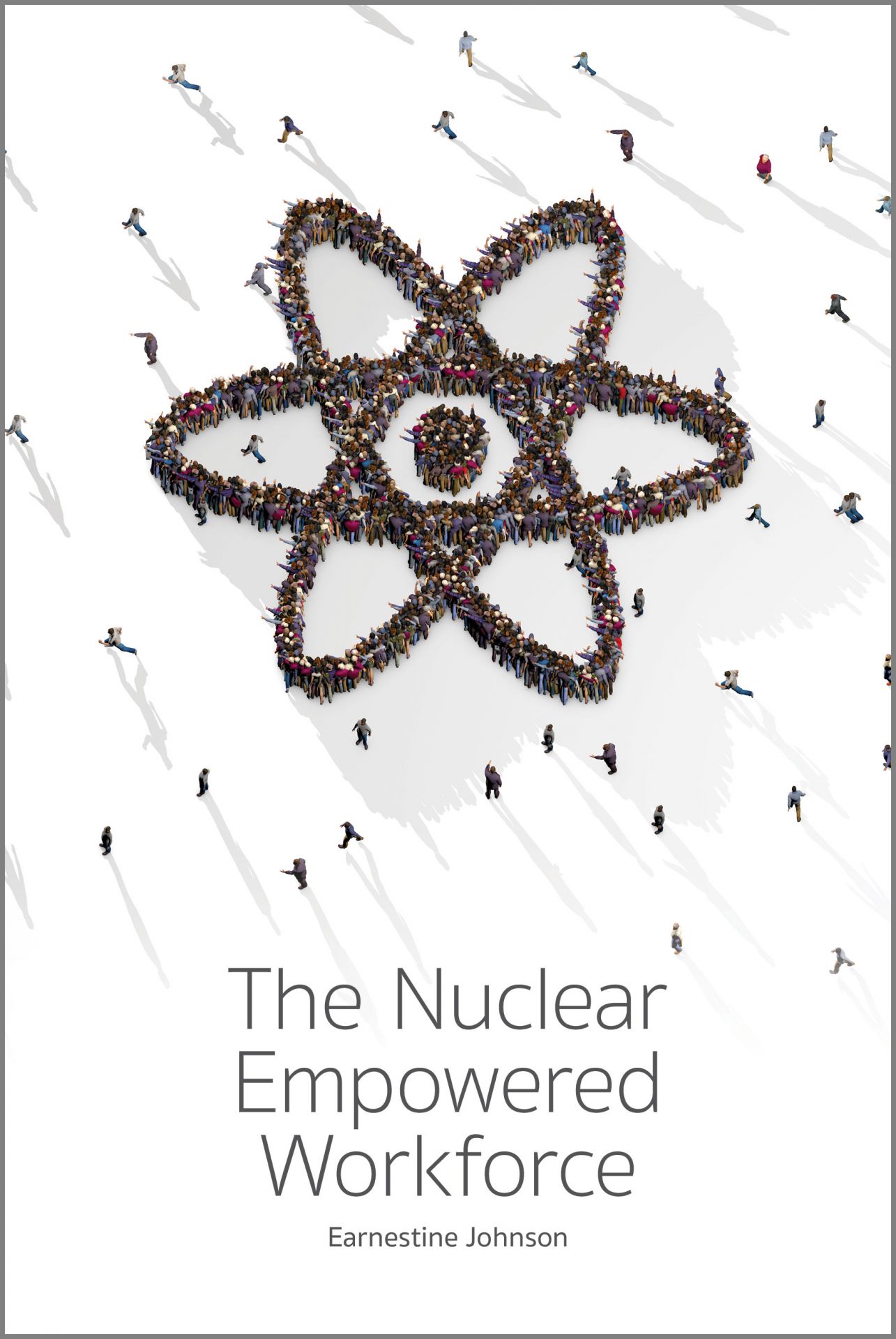
A new career guide for the nuclear energy industry is now available: The Nuclear Empowered Workforce by Earnestine Johnson. Drawing on more than 30 years of experience across 16 nuclear facilities, Johnson offers a practical, insightful look into some of the many career paths available in commercial nuclear power. To mark the release, Johnson sat down with Nuclear News for a wide-ranging conversation about her career, her motivation for writing the book, and her advice for the next generation of nuclear professionals.

When Johnson began her career at engineering services company Stone & Webster, she entered a field still reeling from the effects of the Three Mile Island incident in 1979, nearly 15 years earlier. Her hiring cohort was the first group of new engineering graduates the company had brought on since TMI, a reflection of the industry-wide pause in nuclear construction. Her first long-term assignment—at the Millstone site in Waterford, Conn., helping resolve design issues stemming from TMI—marked the beginning of a long and varied career that spanned positions across the country.

U.S. nuclear supply chain: Ready for liftoff

September 11, 2025, 7:00AMNuclear NewsCraig Piercy

Craig Piercy
cpiercy@ans.org

This month, September 8–11, the American Nuclear Society is teaming up with the Nuclear Energy Institute to host our first-ever Nuclear Energy Conference and Expo—NECX for short—in Atlanta. This new meeting combines ANS’s Utility Working Conference and NEI’s Nuclear Energy Assembly to form what NEI CEO Maria Korsnick and I hope will be the premier nuclear industry gathering in America.

We did this because after more than four decades of relative stagnation, the U.S. nuclear supply chain is finally entering a new era of dynamic growth. This resurgence is being driven by several powerful and increasingly durable forces: the explosive demand for electricity from artificial intelligence and data centers, an unprecedented wave of public and private acceptance of—and investment in—advanced nuclear technologies, and a strong market signal for reliable, on-demand power. Add the recent Trump administration executive orders on nuclear into the mix, and you have all the makings of an accelerant-rich business environment primed for rapid expansion.

Reflections on NOW

September 8, 2025, 9:29AMNuclear NewsHash Hashemian

Hash Hashemian
president@ans.org

Last month, I talked about my goal of strengthening ANS’s voice, in part by attending three conferences. I have now checked the first event off that list: the Nuclear Opportunities Workshop.

This year, NOW took another step in outgrowing its “workshop” moniker and transitioning to a full-fledged regional conference and expo. What started only a few years ago as a small gathering in Oak Ridge, Tenn., with roughly 50 attendees has skyrocketed to an event with 1,100 people in attendance in Knoxville.

NOW’s popularity reflected how busy the roughly 350 nuclear companies in Tennessee have been in recent years. There is significant work going on surrounding Gen IV reactor development and deployment, advancements in new nuclear fuels, and defense-related builds like the Uranium Processing Facility.

Industry Update—September 2025

September 4, 2025, 9:30AMNuclear News

Here is a recap of industry happenings from the recent past:

ADVANCED REACTOR MARKETPLACE

Progress continues on ITER vacuum vessel construction

Westinghouse Electric Company has signed a $180 million contract with the ITER Organization for the assembly of ITER’s vacuum vessel. Westinghouse has been collaborating with ITER for more than a decade, including in the manufacturing of sectors for the tokamak device’s vacuum vessel, in cooperation with its partners in the AMW consortium, Ansaldo Nucleare and Walter Tosto. After all the vacuum vessel sectors are in place, Westinghouse plans to simultaneously weld the nine sectors to form one circular ring-shaped torus.

Powering the future: How the DOE is fueling nuclear fuel cycle research and development

August 29, 2025, 2:55PMNuclear NewsDaniel E. Rodriguez and Supathorn Phongikaroon

As global interest in nuclear energy surges, the United States must remain at the forefront of research and development to ensure national energy security, advance nuclear technologies, and promote international cooperation on safety and nonproliferation. A crucial step in achieving this is analyzing how funding and resources are allocated to better understand how to direct future research and development. The Department of Energy has spearheaded this effort by funding hundreds of research projects across the country through the Nuclear Energy University Program (NEUP). This initiative has empowered dozens of universities to collaborate toward a nuclear-friendly future.

From quad to grid: Where thought leadership sparks civic dialogue

August 27, 2025, 7:05AMNuclear NewsSukesh Aghara

Sukesh Aghara

In an era when affordable, clean energy is as much an economic imperative as it is an environmental one, the Commonwealth of Massachusetts has an opportunity to lead not just through legislation but through partnership—between state leadership and its world-class universities.

Massachusetts has long led on decarbonization through electric vehicle adoption, rooftop solar, and offshore wind. We have reduced energy consumption through efficiency investments. From 2022 to 2024 alone, the state’s Mass Save programs facilitated energy savings equal to the annual usage of over 852,000 homes, avoided 684,000 metric tons of carbon dioxide, and delivered $2.3 billion in customer incentives. But to meet growing demand and industrial needs, it’s time to invite universities to help craft a bolder vision—one that includes advanced nuclear technologies.

Nuclear Dirigo

August 22, 2025, 2:57PMNuclear NewsPaul A. Wlodkowski
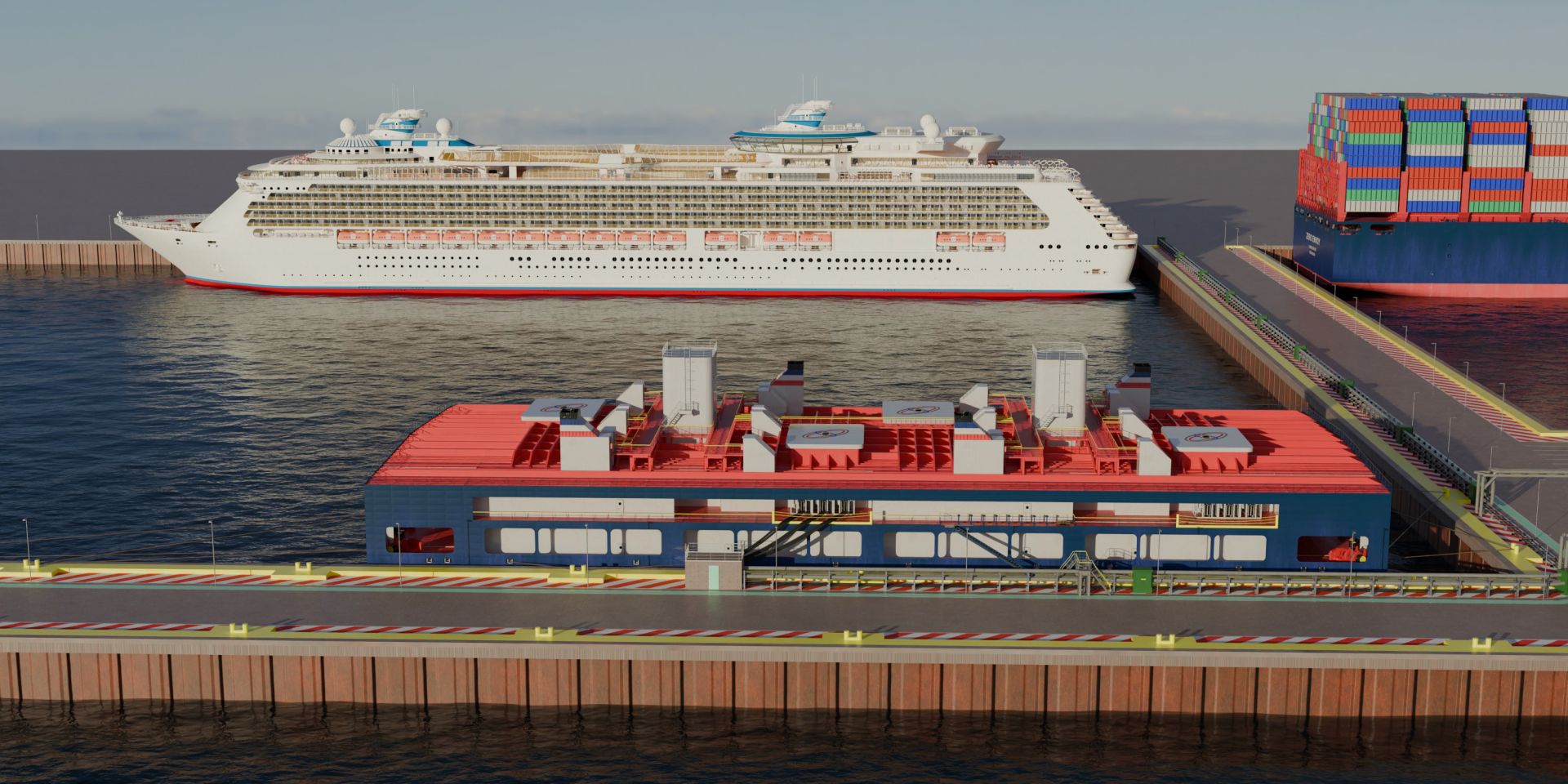
Rendering of a floating nuclear power plant concept, in foreground. (Image: American Bureau of Shipping/Herbert)

On April 22, 1959, Rear Admiral George J. King, superintendent of the Maine Maritime Academy, announced that following the completion of the 1960 training cruise, cadets would begin the study of nuclear engineering. Courses at that time included radiation physics, reactor control and instrumentation, reactor theory and engineering, thermodynamics, shielding, core design, reactor maintenance, and nuclear aspects.

The newest era of workforce development at ANS

August 15, 2025, 3:01PMNuclear NewsLucas Geiger
Instructors and students from this year’s NUC 101 course, along with some ANS members and staff, show their enthusiastic support of the program at the Annual Meeting in Chicago. (Photo: ANS)

As most attendees of this year’s ANS Annual Conference left breakfast in the Grand Ballroom of the Chicago Downtown Marriott to sit in on presentations covering everything from career pathways in fusion to recently digitized archival nuclear films, 40 of them made their way to the hotel’s fifth floor to take part in the second offering of Nuclear 101, a newly designed certification course that seeks to give professionals who are in or adjacent to the industry an in-depth understanding of the essentials of nuclear energy and engineering from some of the field’s leading experts.

North Carolina Collaboratory is funding a future of advanced reactors

August 13, 2025, 9:30AMNuclear News
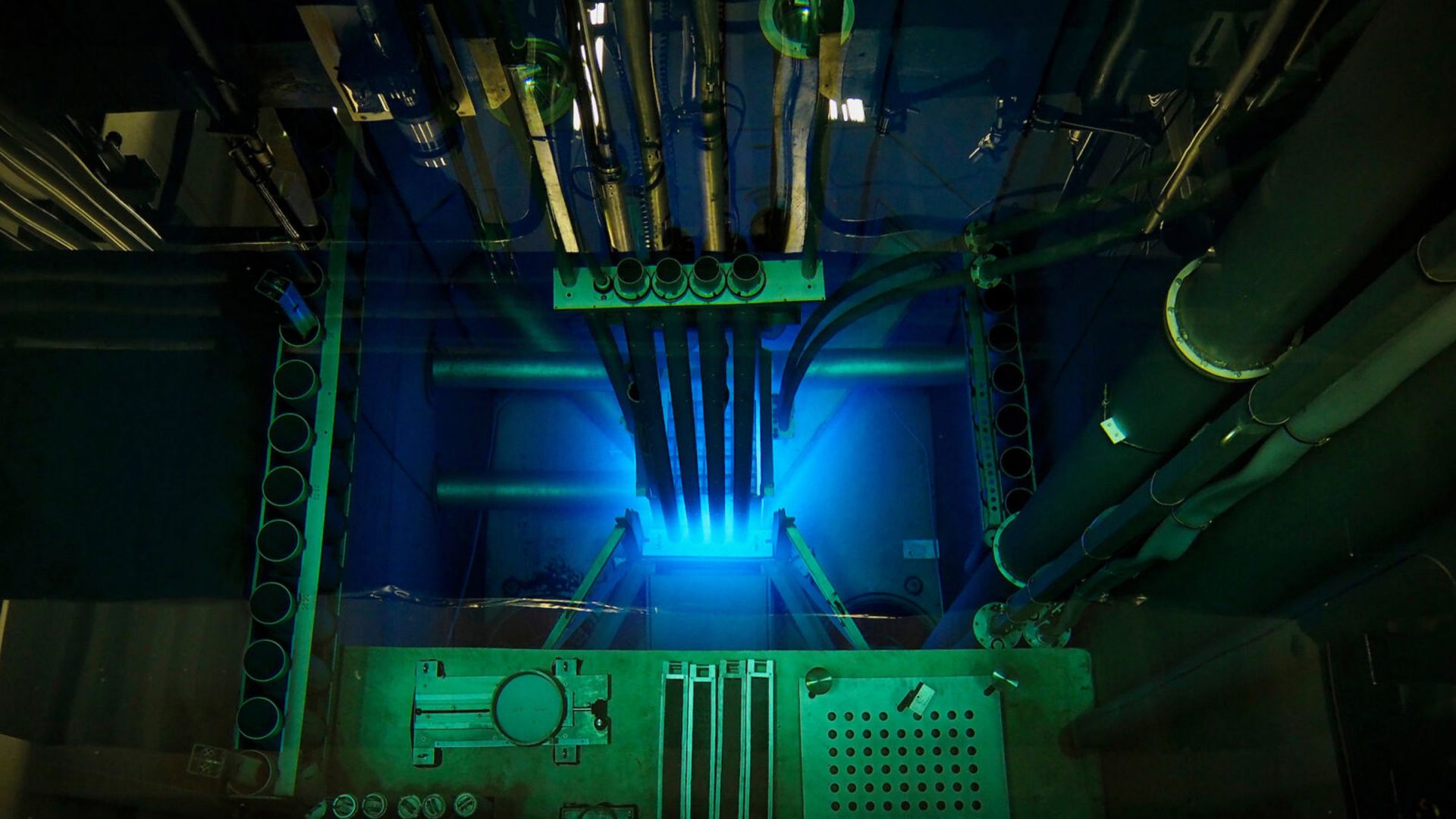
NCSU’s PULSTAR 1-MW education and research reactor shows the blue light of Cherenkov radiation emitted during operation of the core. (Photo: North Carolina State University)

When small modular reactors and other advanced nuclear plants someday provide electricity, hydrogen, desalination, and district heating, the North Carolina Collaboratory will deserve some credit. Headquartered at the University of North Carolina–Chapel Hill, the collaboratory is a research funding agency established by the North Carolina General Assembly in 2016 to partner with academic institutions and government agencies. Its goal is to help transform research into practical applications for the benefit of North Carolina’s state and local economies. To that end, it engages in research projects related to advanced nuclear energy, among other initiatives.

Building momentum for a stronger ANS

August 8, 2025, 9:31AMANS NewsHash Hashemian

Hash Hashemian
president@ans.org

The 2025 ANS Annual Conference in Chicago was a powerful springboard to begin my term as president. With over 1,400 attendees, it was one of our most dynamic gatherings in recent memory—full of energy, ideas, and a shared commitment to advancing nuclear science and technology.

As we move forward, my focus is clear: to elevate the role of nuclear in environmental protection, national security, energy diversity, and grid stability. These priorities are not just strategic—they are essential to a cleaner, more resilient future.

The goals I laid out at the conclusion of the Board of Directors meeting in June are simple, but I am sure they will be effective in engaging our community.

One simple change to start is the move away from the term meetings—the American Nuclear Society now uses the term conferences to describe its two yearly flagship gatherings, to more appropriately reflect the more than 1,000 attendees that these events bring together.

More of everything

August 7, 2025, 9:30AMNuclear NewsCraig Piercy

Craig Piercy
cpiercy@ans.org

For the past few years, I have been conducting a thoroughly unscientific, one-question poll of nuclear utility and supplier CEOs and senior executives: “What keeps you up at night?” The number one answer is—and has been from the beginning—“Workforce.”

The ongoing shortage of skilled labor—welders, pipefitters, electricians, and the like—almost always gets top billing in nuclear workforce discussions. In April 2025, the U.S. had an eye-popping 600,000 unfilled positions in the construction and manufacturing sectors. This consistent supply gap feeds a continuing talent war that has pushed craft wages up 20 percent since the end of the COVID pandemic, straining project budgets and profit margins alike.

Perhaps the most underappreciated gap in the nuclear workforce is professional and business services. It is the second-largest employment category in the nuclear industry, according to the Department of Energy’s 2024 U.S. Energy & Employment Report.