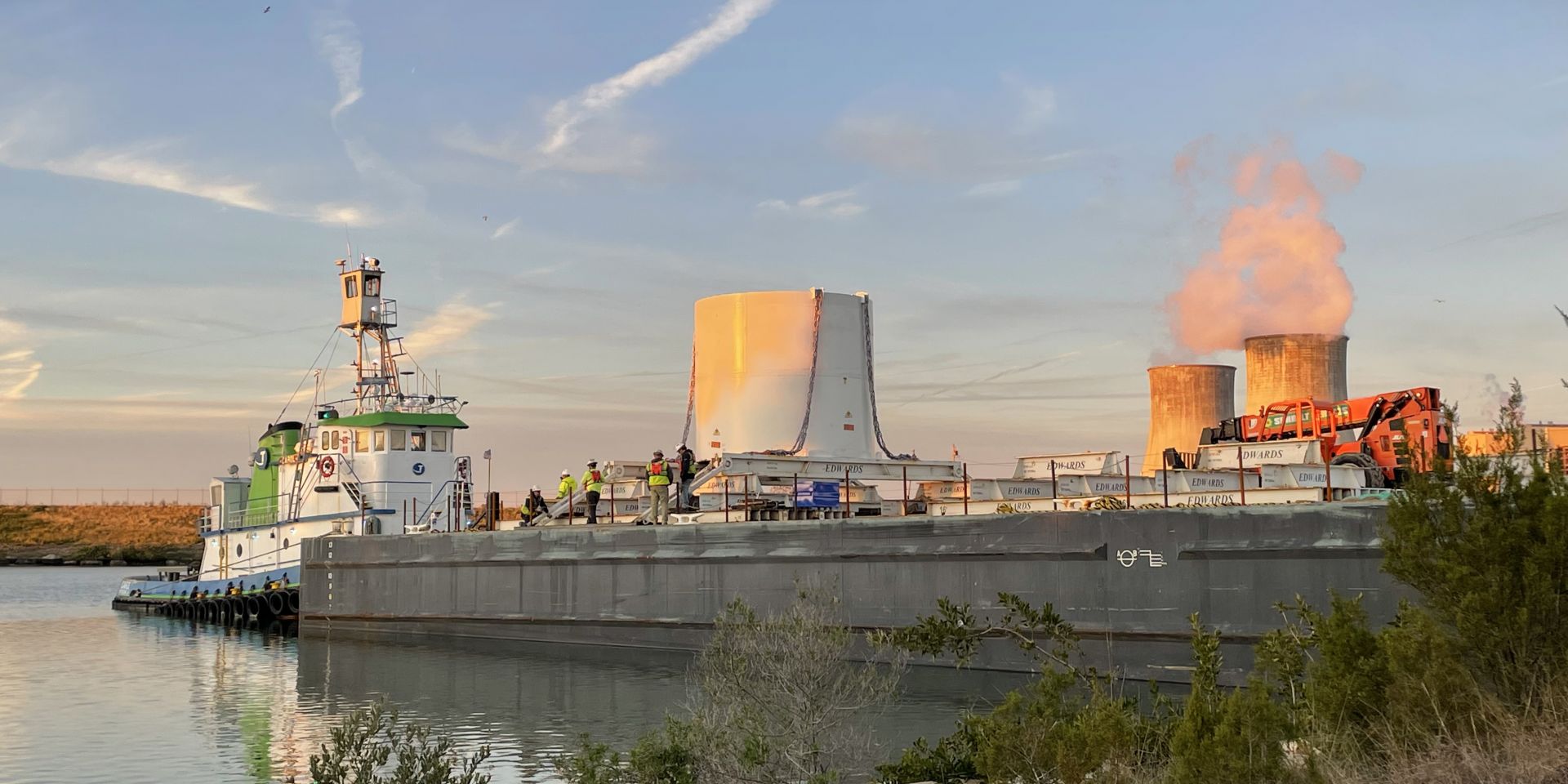
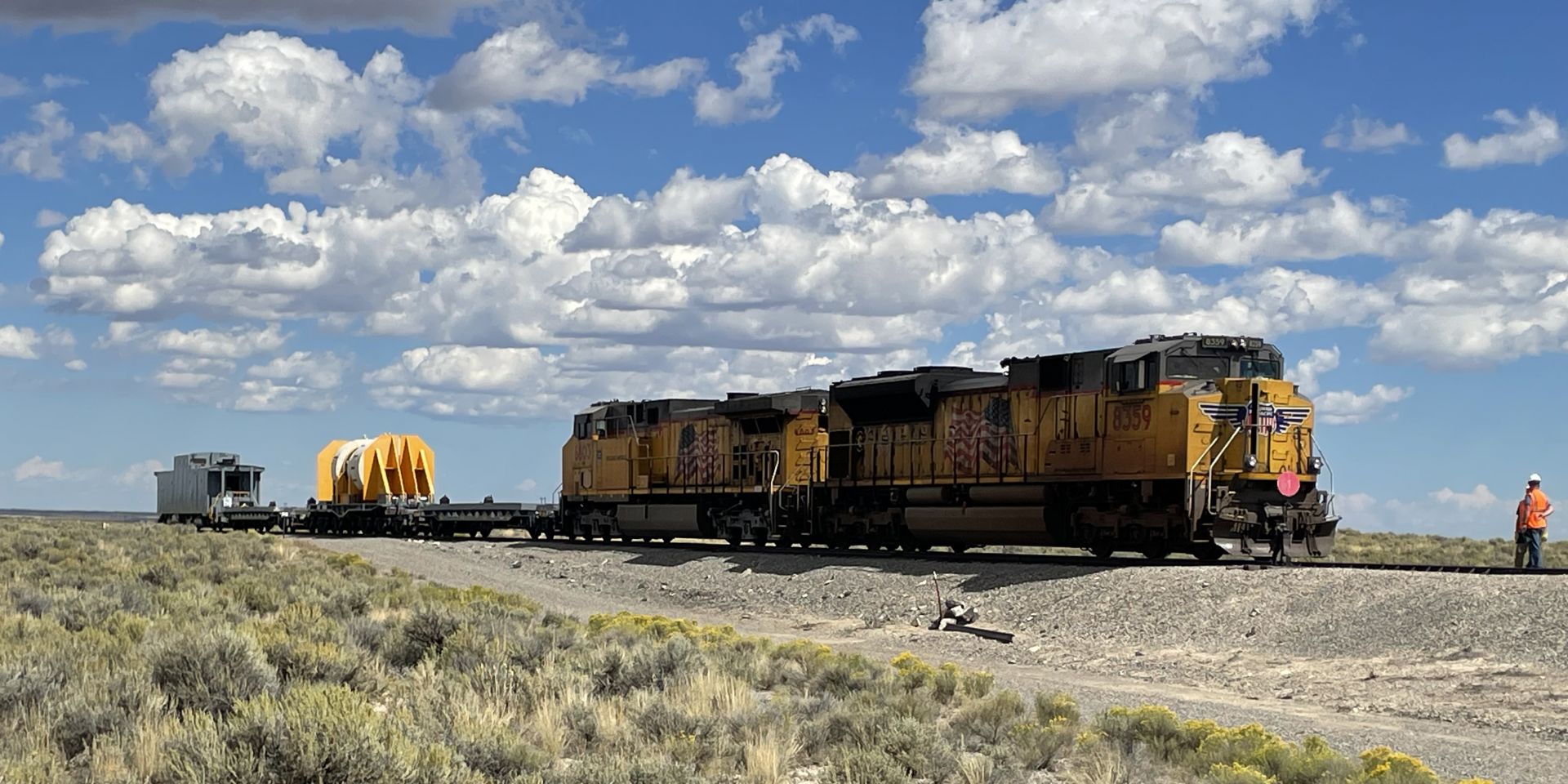
April 16, 2025, 3:39PMRadwaste SolutionsRichard “Ricky” Furr, Larry McDougal, and John Mayer The CR-3MP is loaded on the barge at the Crystal River-3 site in Florida on January 17, 2024. (Photos: Orano DS)
The Optimized Segmentation process patented by Orano Decommissioning Services was successfully implemented for the first time at the Crystal River Unit 3 (CR-3) decommissioning project in Florida [1]. Using this approach, Orano was able to avoid the time- and resource-intensive process of packaging components into numerous standardized waste containers and significantly reduced the required segmentation activities.
Historic nuclear plant restart could happen in 2025.
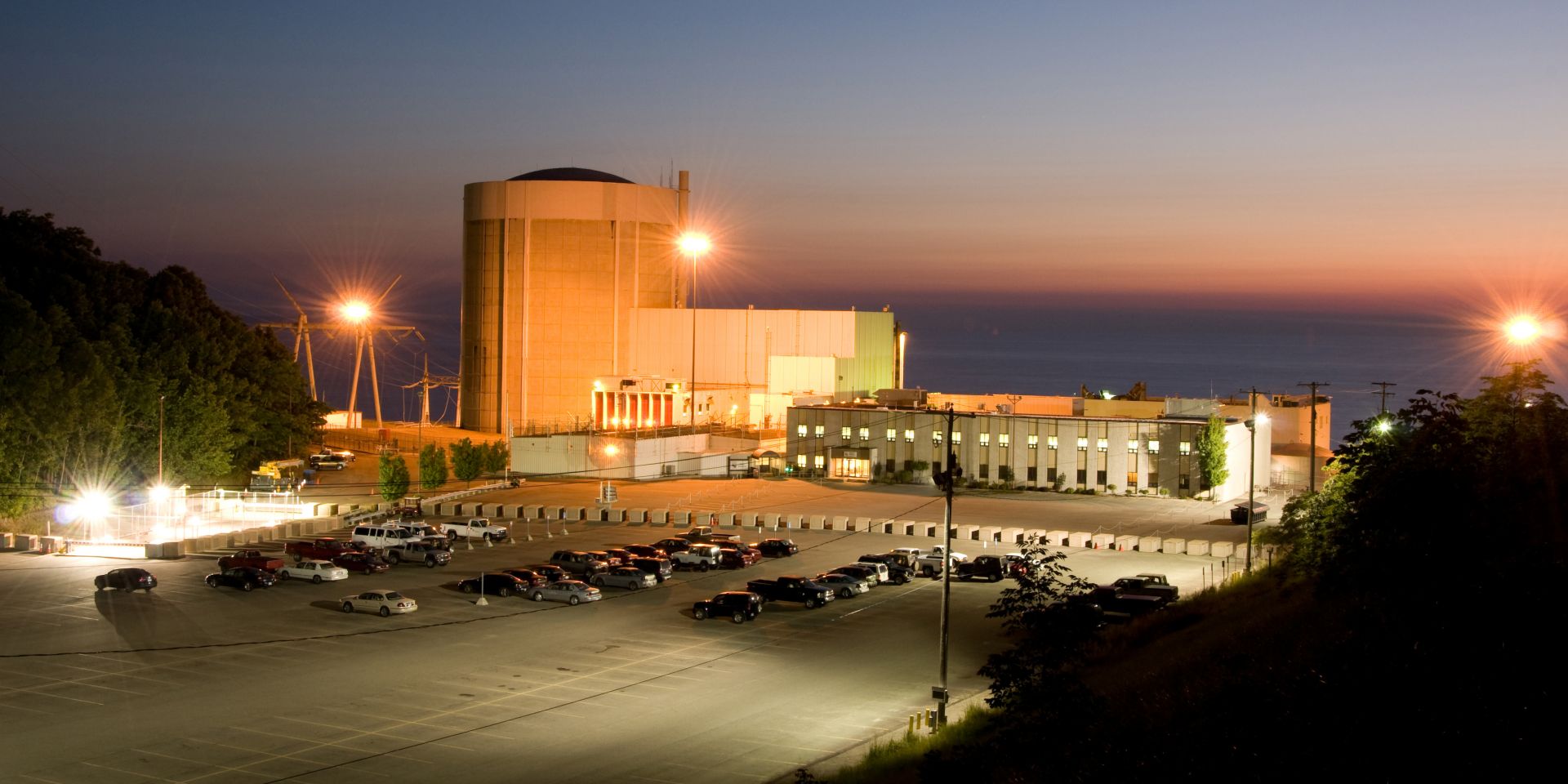
Palisades nuclear power plant on Lake Michigan, at night. (Photo: Holtec)
Mike Mlynarek believes in this expression: “In the end it will be OK; and if it’s not OK, it’s not the end.”
As the site vice president at Palisades nuclear power plant in Covert Township, Mich., Mlynarek is overseeing one of the most exciting projects in the United States nuclear power industry. If all goes according to plan, Holtec’s Palisades plant will be splitting atoms once again by the end of 2025 and become the first U.S. nuclear facility to restart after being slated for decommissioning.
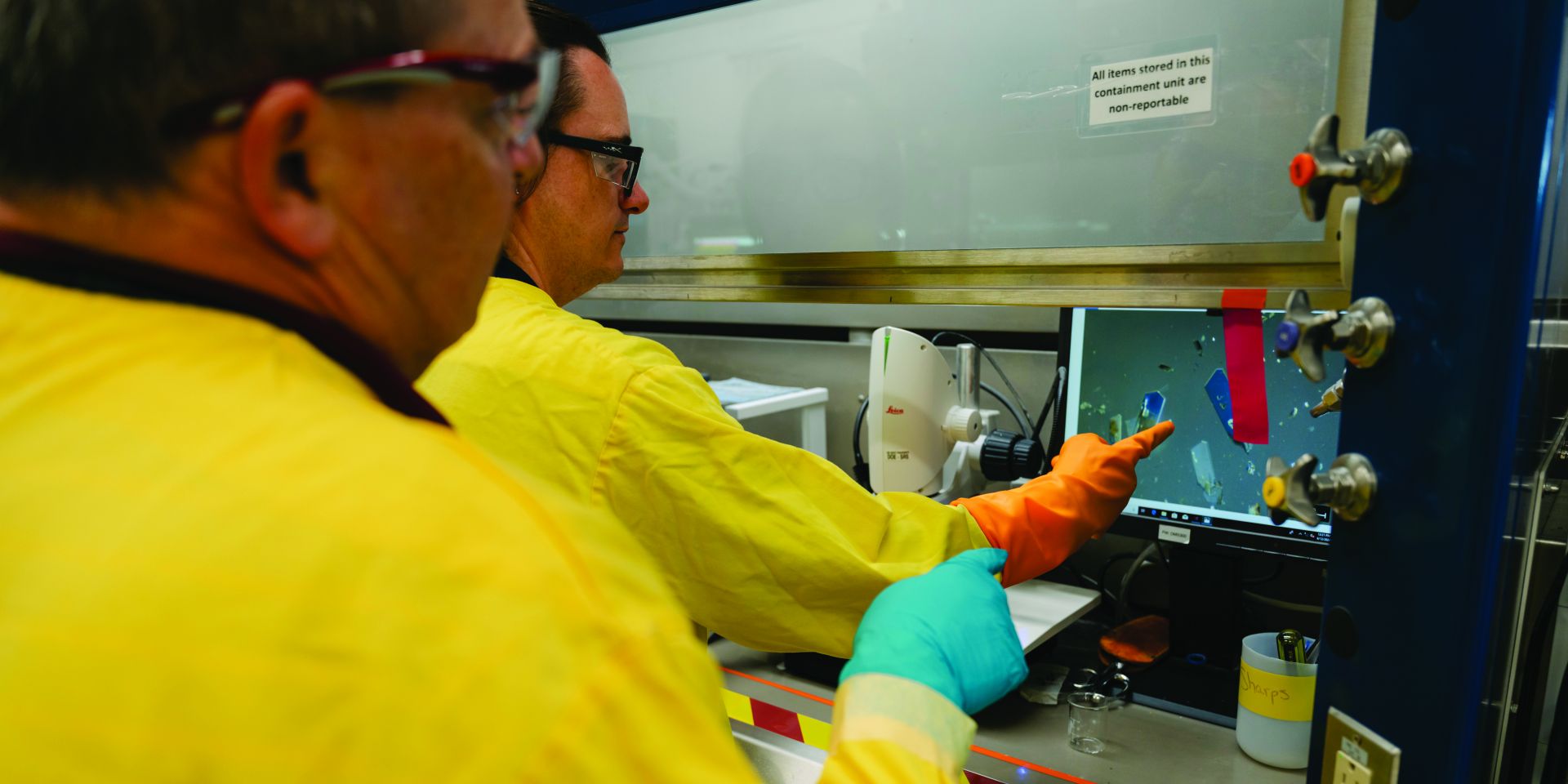
SRNL senior scientist Travis Deason demonstrates for lab fellow David Diprete the search for appropriate crystals of novel actinide materials using a microscope located in a radiological containment unit. (Photo: SRNS/Lj Gay)
Savannah River National Laboratory researchers are building on the laboratory’s legacy of using cutting-edge science to effectively immobilize nuclear waste in innovative ways. As part of the Center for Hierarchical Waste Form Materials, SRNL is leveraging its depth of experience in radiological waste management to explore new frontiers in the industry.
A small Central American nation considers thorium for civilian reactors
March 28, 2025, 3:09PMNuclear NewsJohn Kutsch and Rauli Partanen In 2022, El Salvador’s leadership decided to expand its modest, mostly hydro- and geothermal-based electricity system, which is supported by expensive imported natural gas and diesel generation. They chose to use advanced nuclear reactors, preferably fueled by thorium-based fuels, to power their civilian efforts. The choice of thorium was made to inform the world that the reactor program was for civilian purposes only, and so they chose a fuel that was plentiful, easy to source and work with, and not a proliferation risk.
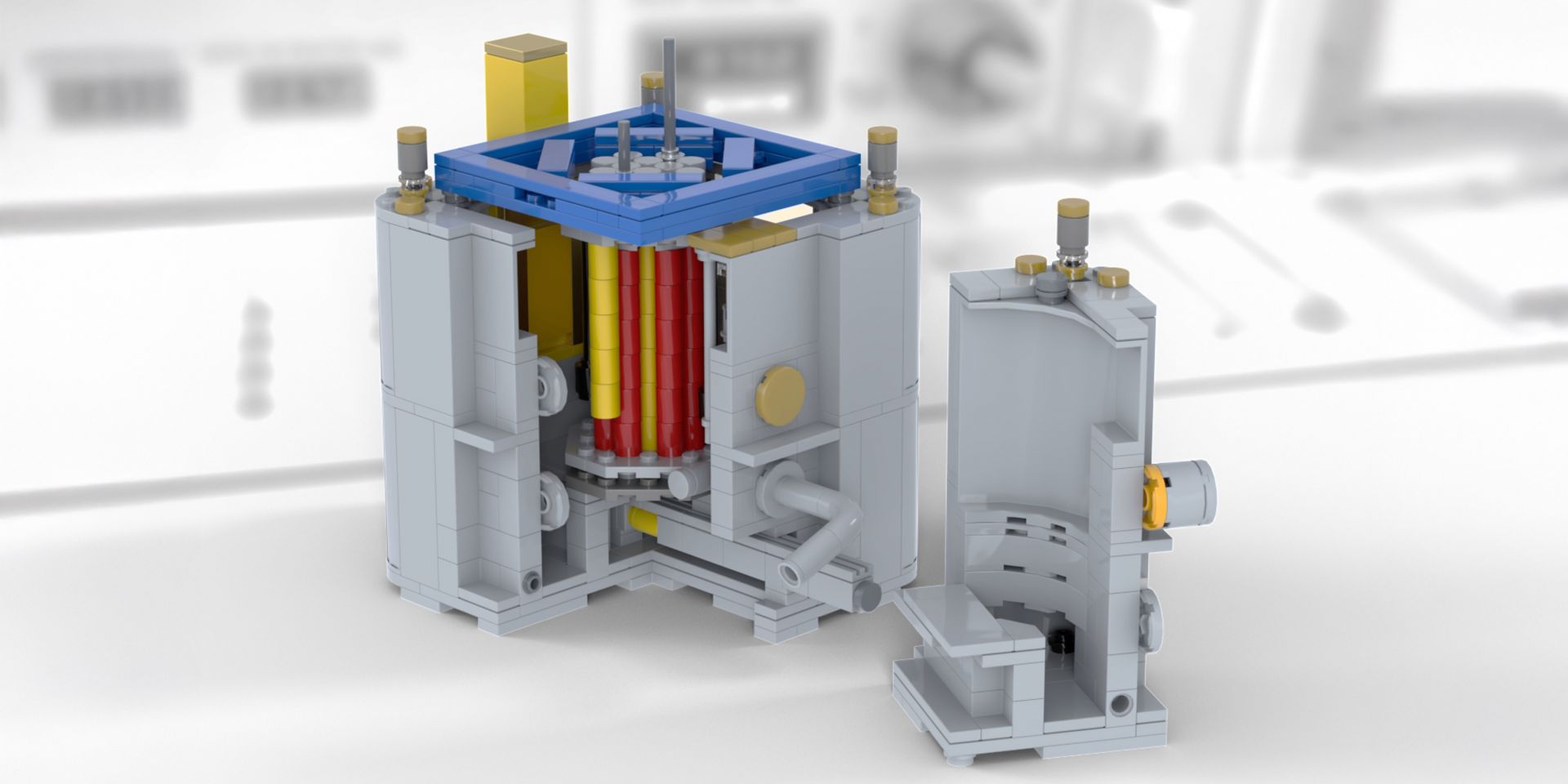
Detailed view of the Lego CROCUS reactor (as seen with Lego Studio software), with the vessel open to reveal the core structure. (Image: Vincent Lamirand)
For many of us, the height of our accomplishments with Lego blocks might have been constructing little square houses as children. For others, these versatile building blocks are a medium for creating complex models of sophisticated machinery—models that have practical and educational applications. One such individual is ANS member Vincent Lamirand, a reactor physicist at the École Polytechnique Fédérale de Lausanne (EPFL) Laboratory for Reactor Physics and Systems Behavior (LRS) in Switzerland.
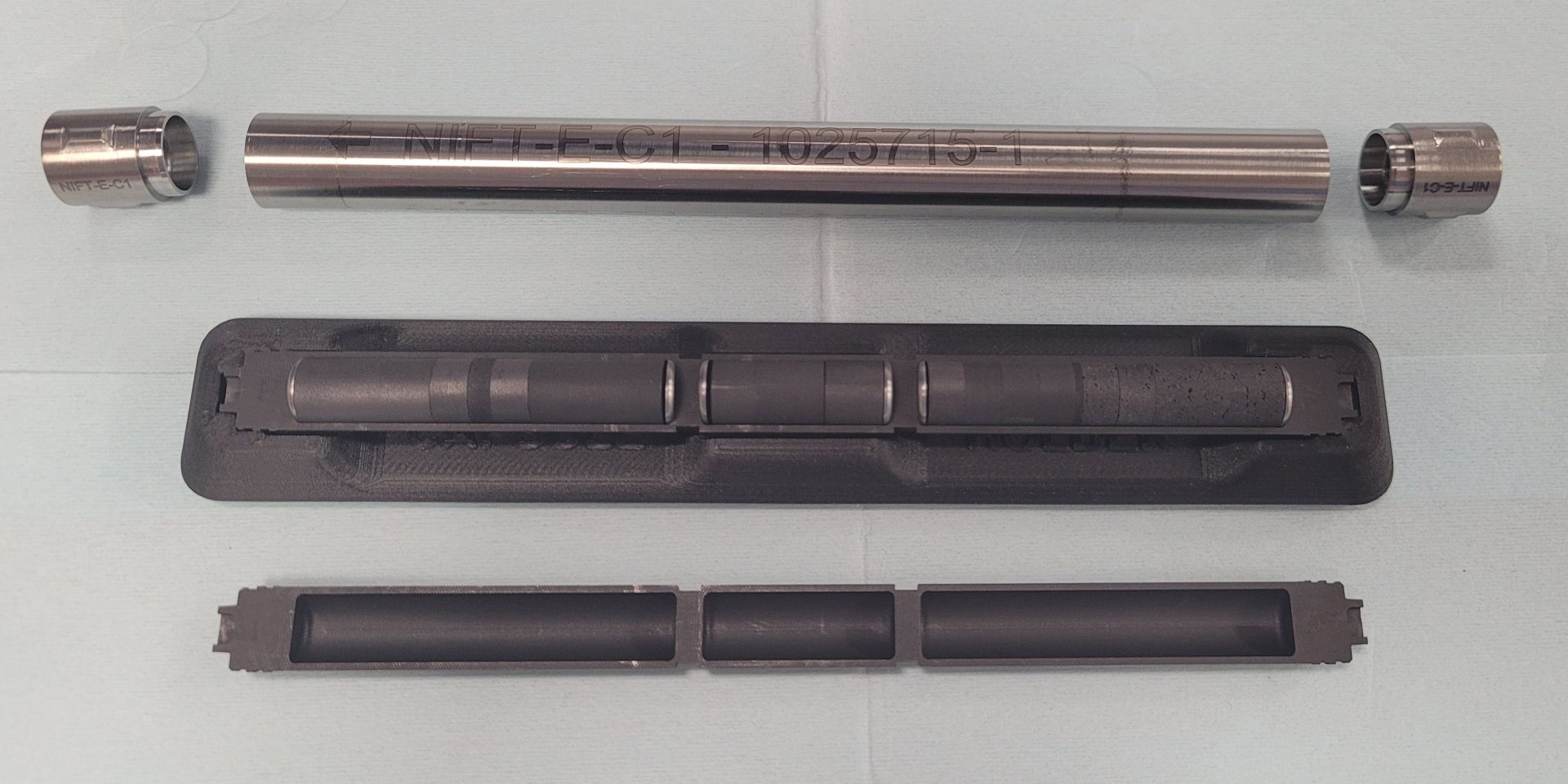
A NIFT-E testing capsule loaded with graphite samples.
As nations look to nuclear energy as a source of reliable electricity and heat, researchers and industry are developing a new generation of nuclear reactors to fill the need. These advanced nuclear reactors will provide safe, efficient, and economical power that go beyond what the current large light water reactors can do.
But before large-scale deployment of advanced reactors, researchers need to understand and test the safety and performance of the technologies—especially the coolants and materials—that make them possible.
Now, the United States and the United Kingdom have teamed up to test hundreds of advanced nuclear materials.
The DOE designed the Atlas railcar to eventually ship spent nuclear fuel to consolidated storage. Before it begins shipping fuel, the department wants to demonstrate the safety of transportation casks through its Package Performance Demonstration project. (Photo: DOE)
Inspired by a history of similar testing endeavors and recommended by the National Academy of Sciences and the Blue Ribbon Commission on America’s Nuclear Future, the Department of Energy is planning to conduct physical demonstrations on rail-sized spent nuclear fuel transportation casks. As part of the project, called the Spent Nuclear Fuel Package Performance Demonstration (PPD), the DOE is considering a number of demonstrations based on regulatory tests and realistic transportation scenarios, including collisions, drops, exposure to fire, and immersion in water.
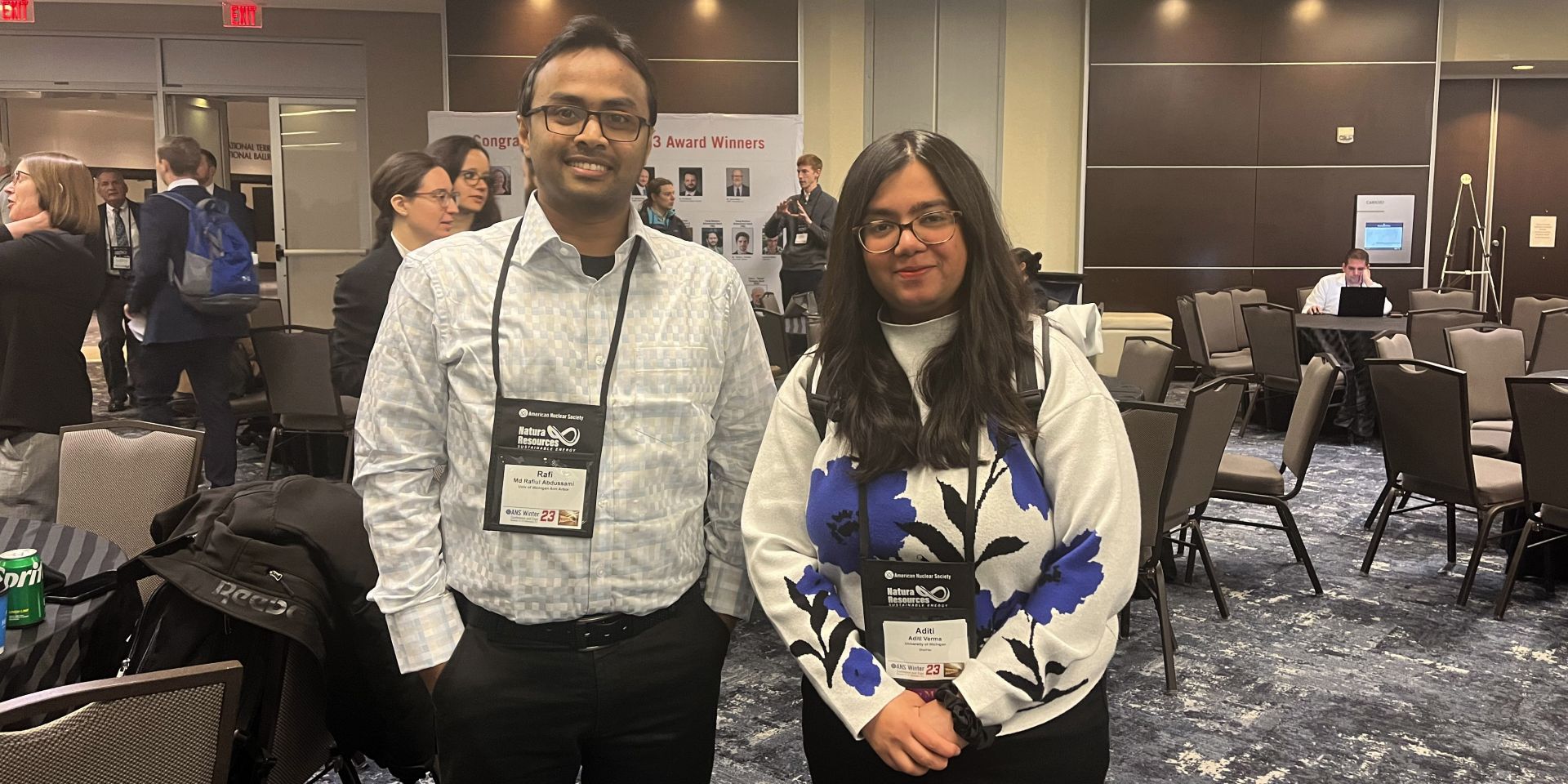
Abdussami poses with UMich NERS professor Aditi Verma at the ANS Winter Conference in 2023. (Photo: Muhammad Rafiul Abdussami)
Muhammad Rafiul Abdussami is hoping to “shape a brighter future” through innovative approaches to nuclear engineering. The young native of Bangladesh, who is known to friends and colleagues as Rafiul, is a doctoral student in his third year in the University of Michigan’s Department of Nuclear Engineering and Radiological Sciences (UMich NERS). He expects to graduate in December 2026. He is also enrolled in the Science, Technology, and Public Policy (STPP) graduate certificate program in the UMich Ford School of Public Policy.
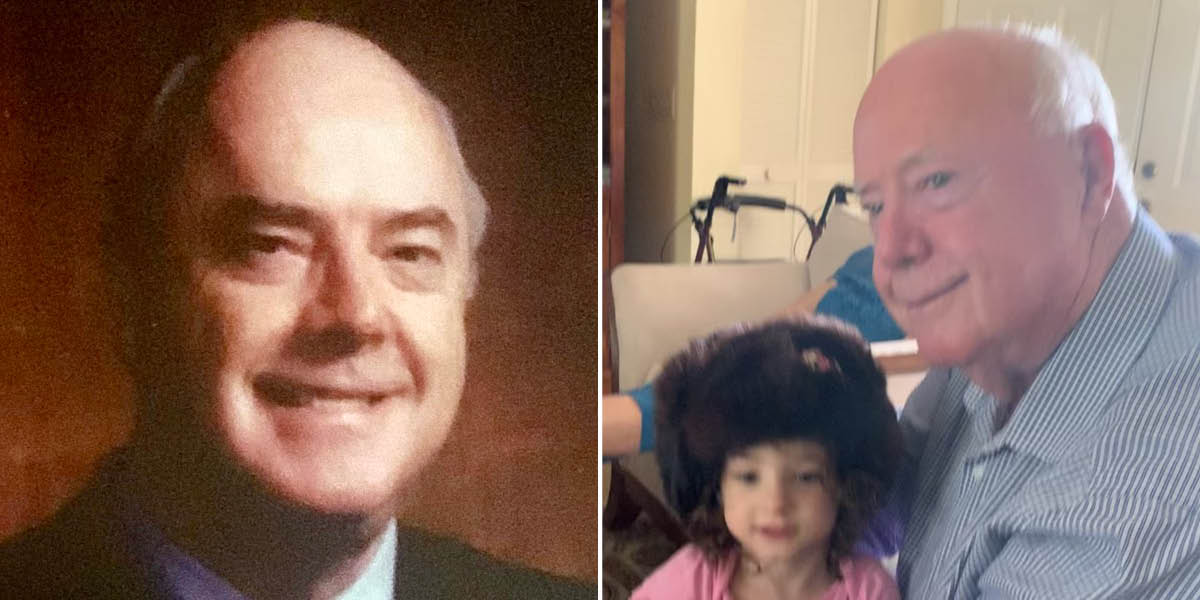
February 26, 2025, 9:30AMUpdated February 26, 2025, 9:30AMNuclear NewsEd Warman Ed Warman in 1990 (left), when he was named an ANS Fellow, and in 2019 (right) with a great-granddaughter, who is wearing a Soviet hat that was bought from a Russian soldier the day before the Red Army evacuated Prague in 1991.
We welcome ANS members with long careers in the community to submit their own stories so that the personal history of nuclear power can be capured. For information on submitting your stories, contact nucnews@ans.org.
When I graduated from Scranton University in 1956 with a B.S. in physics, I was in awe of the nuclear era and determined to be part of a nuclear future. Fortunately, I landed a position with Pratt & Whitney Aircraft as part of the Aircraft Nuclear Propulsion program. The position included a one-year assignment as a visiting staff member at Oak Ridge National Laboratory.