Radioisotopes target cancer, improve imaging, and have myriad other medical uses
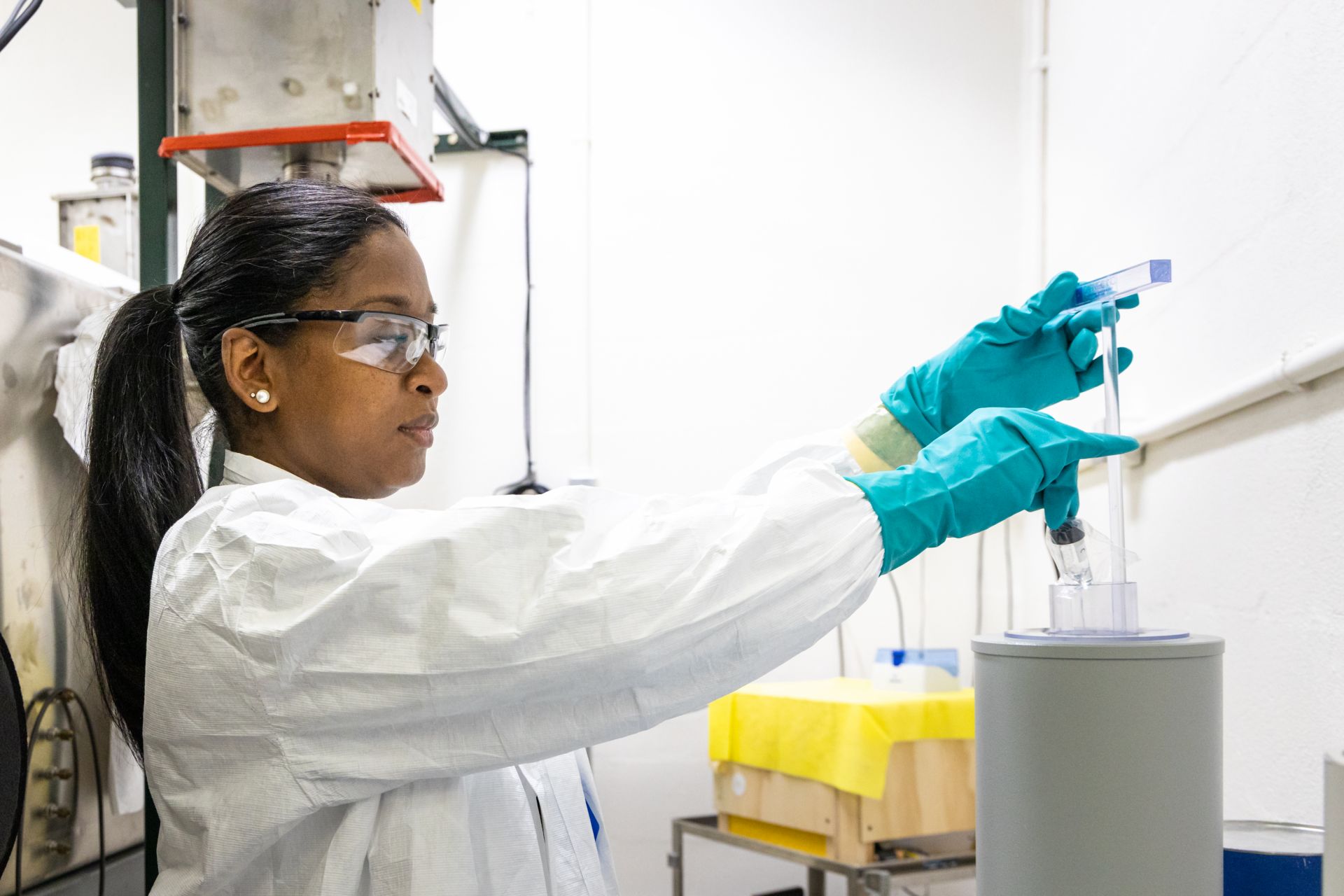
ORNL radioisotope manufacturing coordinator Jillene Sennon-Greene places a shipment vial of actinium-225 inside the dose calibrator to confirm its activity is within customer specifications. (Photo: Carlos Jones/ORNL, DOE)
On August 2, 1946, 1 millicurie of the isotope carbon-14 left Oak Ridge National Laboratory, bound for the Barnard Free Skin and Cancer Hospital in St. Louis, Mo.
That tiny amount of the radioisotope was purchased by the hospital for use in cancer studies. And it heralded a new peacetime mission for ORNL, built just a few years earlier for the production of plutonium from uranium for the Manhattan Project.
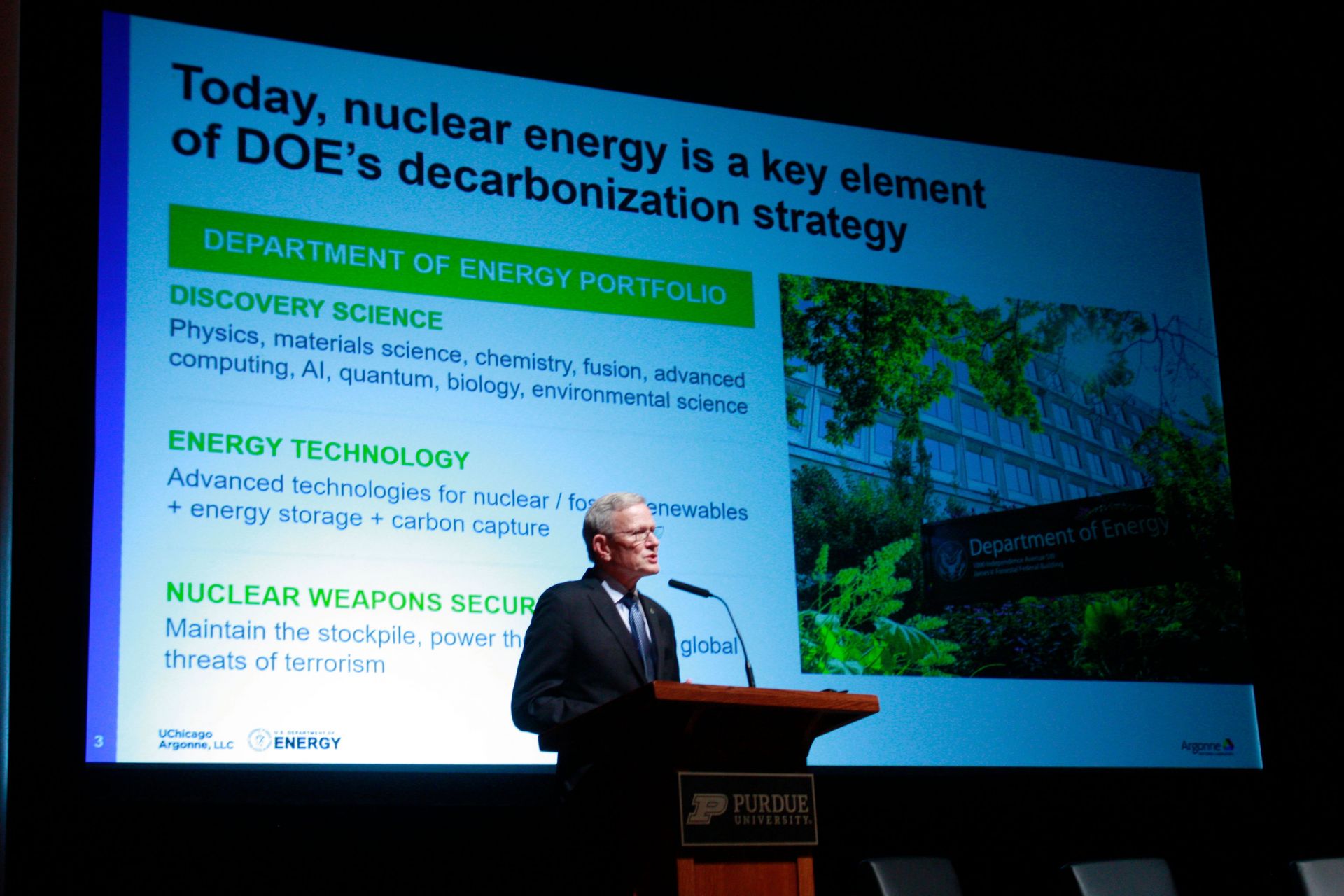
Argonne director Paul Kearns delivers the plenary lecture on the first day of the 2023 Atoms for Humanity symposium. (Photo: Purdue NE/CHE)
The roles of nuclear energy as a clean energy source and in space exploration were highlighted at the recent Atoms for Humanity symposium, held October 25–26, 2023. The symposium, which was organized by Purdue’s Center for Intelligent Energy Systems (CiENS) and hosted by the university’s School of Nuclear Engineering, was held on the West Lafayette, Ind., campus in Eliza Fowler Hall.
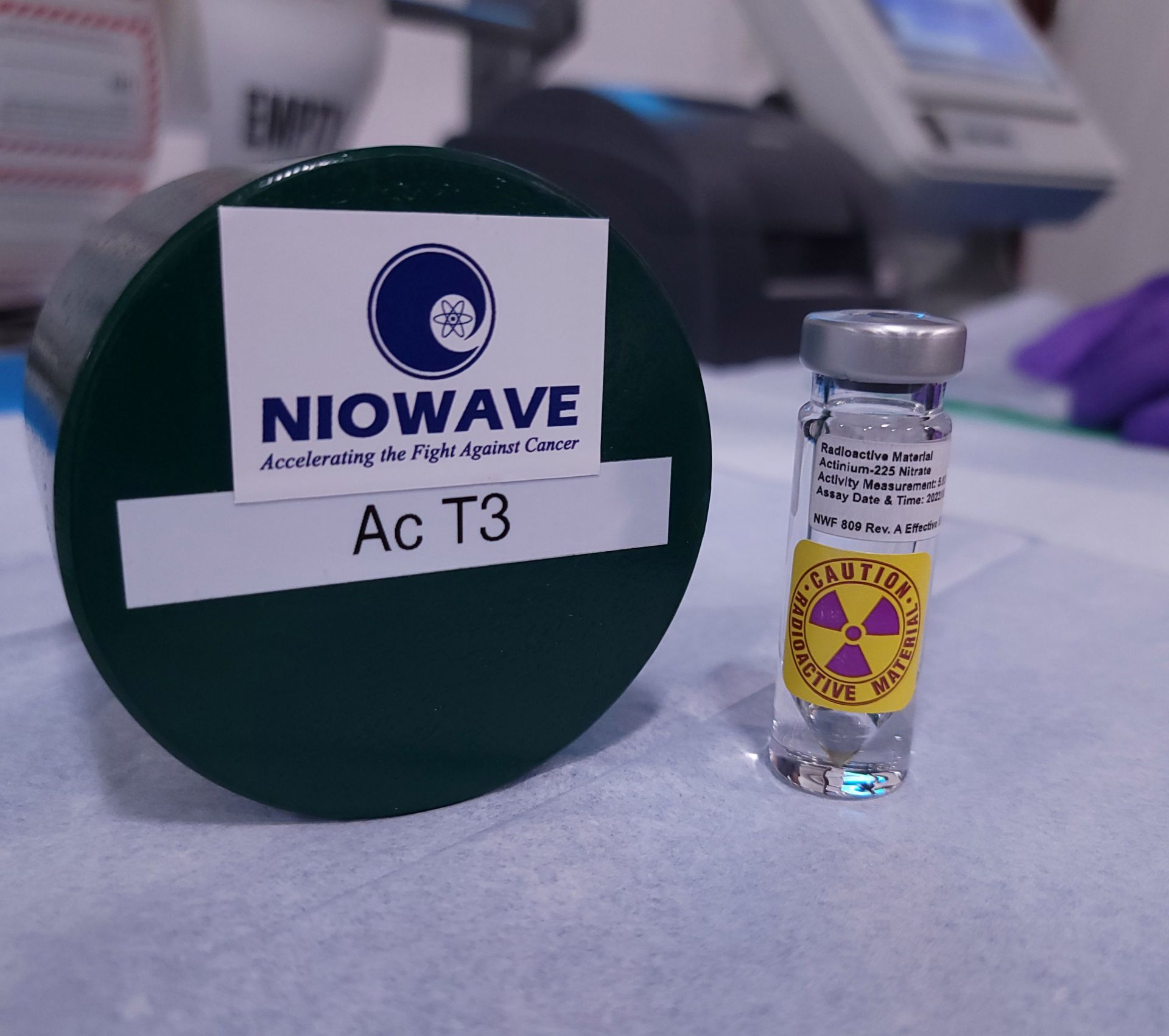
A vial of Ac-225 produced by Niowave stands next to its lead shipping pig. (Photo: Niowave)
According to the Council on Radionuclides and Radiopharmaceuticals, more than 82,000 nuclear imaging procedures using nuclear medicine are performed throughout the world every day. To administer these vital medical procedures, radiopharmaceutical companies and hospitals rely on a handful of producers of medical radioisotopes.
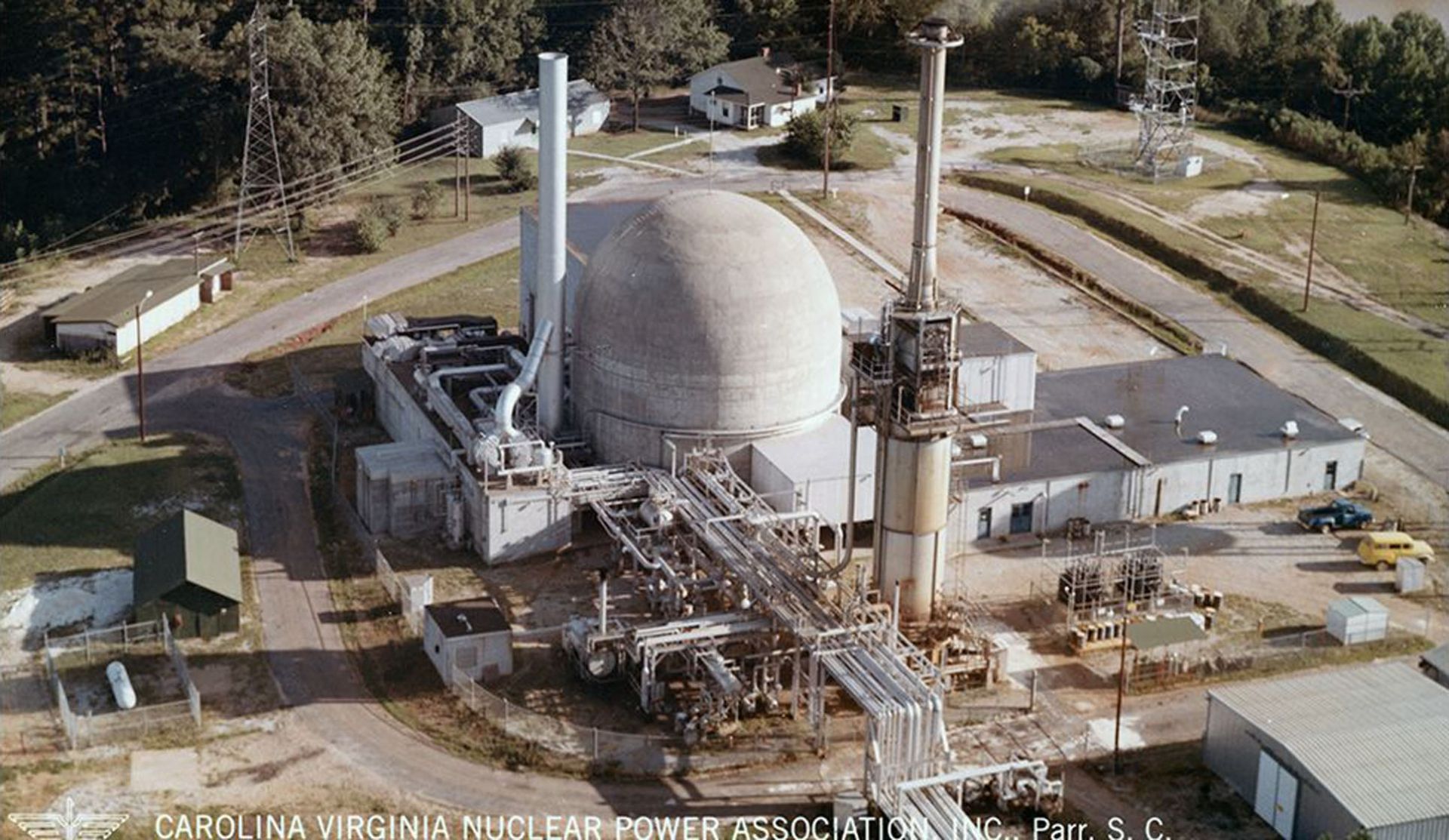
The Carolinas-Virginia Tube Reactor site, circa 1963. (Photo: Duke Energy)
The Carolinas-Virginia Tube Reactor (CVTR), also known as Parr due to its location in Parr, S.C., was a 65-MWt (17-MWe) pressurized tube reactor. Construction began in January 1960, and the reactor reached initial criticality in March 1963. Commercial operation commenced in December 1963, and the reactor was permanently shut down in January 1967 after the test program was complete.
Africa is home to 1.5 billion people in 54 countries living on 12 million square miles. The economies of many of these countries are hobbled by a general dearth of energy that nuclear could solve without adding to the harm of global warming.
The World Nuclear Association and the African Commission on Nuclear Energy (AFCONE) last year signed a memorandum of understanding to encourage the use of nuclear energy in support of economic growth and sustainable energy development in Africa.
December 15, 2023, 4:56PMNuclear NewsDonna Kemp Spangler and Joel Hiller BWXT’s microreactor components would be designed to be transported directly from the factory to the deployment site. (Image: BWXT)
“The tools of the academic designer are a piece of paper and a pencil with an eraser. If a mistake is made, it can always be erased and changed. If the practical-reactor designer errs, he wears the mistake around his neck; it cannot be erased. Everyone sees it.”
Many in the nuclear community are familiar with this sentiment from Admiral Rickover. A generation of stagnation in the industry has underscored the truth of his words. But as economies around the world put a price on carbon emissions, there’s a renewed sense of urgency to deploy clean energy technologies. This shifts the global balance of economic competitiveness, and it’s clear that the best path forward for nuclear requires combining the agility of private innovators with the technology and capabilities of national laboratories.
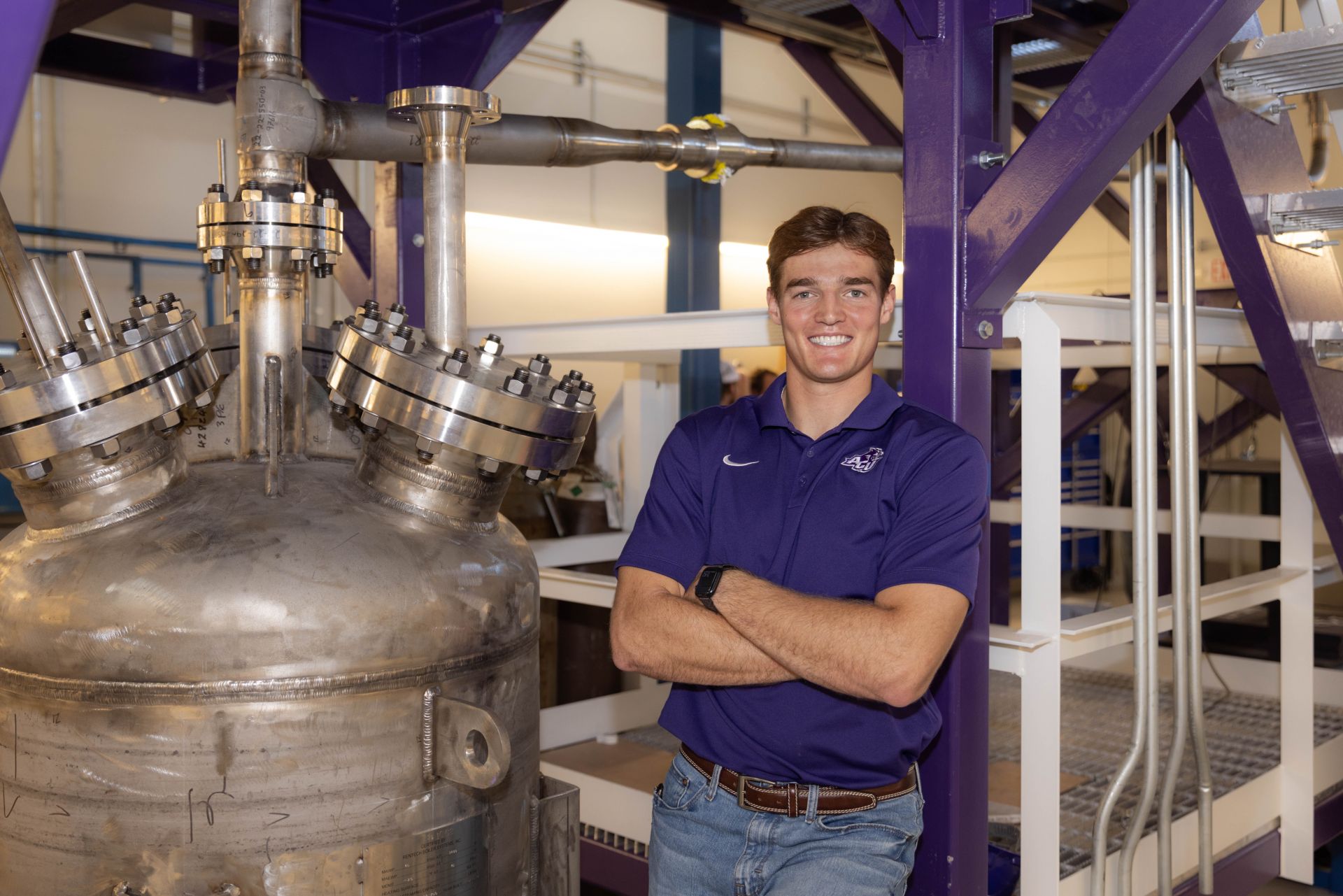
Carson Noack poses alongside the NEXT Lab’s Molten Salt Test System drainage tank, for which he played a key role in designing and fabricating.
(Photo: Kamryn Kelly)
Carson Noack is a busy young man with a clear vision of the future of energy. The 23-year-old undergraduate is slated to receive his bachelor’s degree in mechanical engineering from Abilene Christian University (ACU) in 2024. He’s also a researcher in the university’s Nuclear Energy eXperimental Testing (NEXT) Laboratory, which has been making news with its plans to build the first new research reactor in the United States in more than 30 years—the Molten Salt Research Reactor (MSRR).
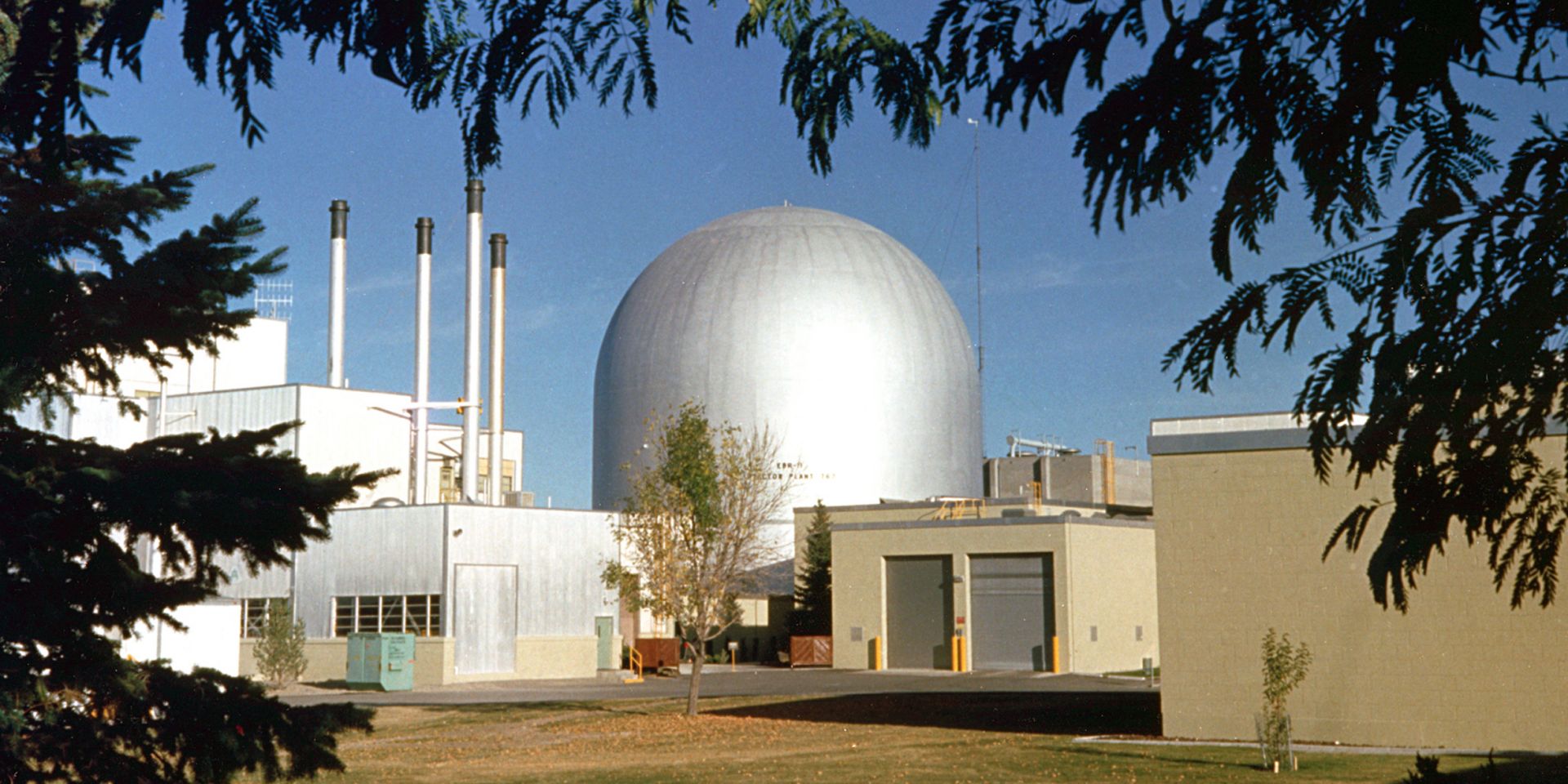
Experimental Breeder Reactor-II (Photo: ANL)
If you head west out of Idaho Falls on U.S. Highway 20 and make your way across the Snake River Plain, it won’t be long before you’ll notice a silver dome in the distance to the north. One of the most recognizable structures in the history of nuclear energy, Experimental Breeder Reactor-II stands out from the desert landscape. The 890-square-mile site on which EBR-II is located is the former National Reactor Testing Station, now known as Idaho National Laboratory.

-3 2x1.jpg)