Since 1948, the U.S. Naval Nuclear Propulsion Program has safely steamed more than 179 million miles on nuclear power. That record is the product of principled philosophy.
Admiral Hyman G. Rickover insisted that nuclear power demanded a different standard of technical excellence, personal accountability, and uncompromising attention to detail. “Responsibility is a unique concept,” he often said. “You may share it with others, but your portion is not diminished.” That principle became embedded in every reactor design, maintenance plan, and watch-standing qualification. The result is a naval nuclear propulsion enterprise defined not only by capability but by an unmatched safety record.
Ice Camp is a visible manifestation of these principles. The ability to operate beneath Arctic ice depends on reactors designed for reliability, built to exacting standards, and operated by rigorously trained personnel. Rickover required that naval reactors be simple in concept, conservatively designed, and thoroughly tested. He demanded written procedures, continuous oversight, and leaders who understood their plants in depth. That culture endures.
The influence of those principles extends well beyond the nuclear fleet.
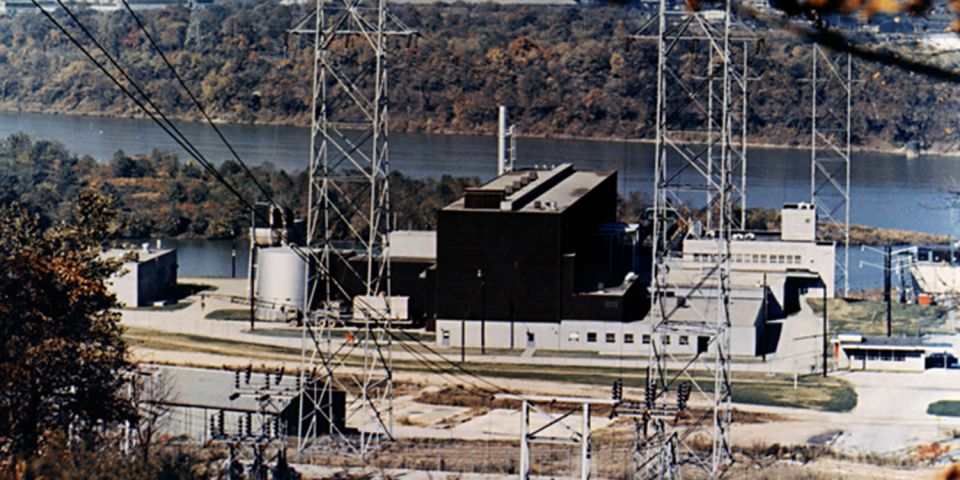
The Naval Nuclear Propulsion Program launched the civilian nuclear power industry. Shippingport Atomic Power Station, which began operations in 1957 and was the United States’ first full-scale commercial nuclear power plant, was derived from naval reactor technology and developed under Rickover’s leadership. It demonstrated that nuclear power could reliably produce electricity for civilian use, translating naval propulsion expertise into a peaceful and economically transformative application.
From that foundation, Naval Nuclear Propulsion Program personnel flowed into the commercial nuclear sector. For decades, former naval officers, engineers, and enlisted operators have filled critical roles in commercial power plants such as reactor operators, plant managers, regulators, designers, and executives. They bring with them a culture of personal ownership of safe and effective operations.
Commercial nuclear power in the United States reflects that lineage. The emphasis on defense-in-depth, configuration control, formal training pipelines, and accountability traces directly to standards first institutionalized in the Naval Nuclear Propulsion Program.
Today, as the commercial maritime industry considers nuclear applications, the ties between the Naval Nuclear Propulsion Program and the broader U.S. nuclear enterprise are once again strategically significant. The same attributes that enable under-ice operations hold promise for commercial maritime applications.
Maritime reactor designs seek to provide reliable energy with enhanced safety features and flexible deployment models. The operational lessons of the Naval Nuclear Propulsion Program are directly relevant: lifecycle stewardship from design through decommissioning, integrated oversight, standardized training, and a culture that treats technical rigor as a moral obligation.
The United States already possesses nearly eight decades of experience operating compact reactors in mobile, high-consequence environments. That experience is unique. It demonstrates that nuclear reactors can be managed safely at sea, far from fixed infrastructure, with disciplined operators and robust engineering controls. Ice Camp underscores that this is not theoretical—it is routine.
The Naval Nuclear Propulsion Program is one of the nation’s most demanding technical training pipelines. Its graduates are accustomed to accountability and high standards, which are constantly reinforced throughout their military careers. As America seeks to revitalize domestic nuclear energy production and rebuild industrial capacity, this talent base will remain a vital national asset in that they will continue to strengthen the civilian nuclear sector long after their military service is over.
The power of the atom, safely and responsibly harnessed, offers incredible potential to resolve many of today’s energy challenges. While the Naval Nuclear Propulsion Program remains dedicated to its mission of harnessing the atom to safely, reliably, and affordably power a global fleet that enables unrivaled responsiveness, endurance, and warfighting capability, it will continue to support the expansion of the U.S. nuclear industrial base to meet the nation’s evolving needs.
From Nautilus at the North Pole to Shippingport lighting homes, a common thread runs through American nuclear leadership: disciplined engineering, technical excellence, and a refusal to compromise on standards. Nuclear power has enabled operation in the harshest, most inaccessible areas such as the Arctic. Properly designed and operated nuclear propulsion removes barriers and provides great opportunity for those who can harness the power of the atom.
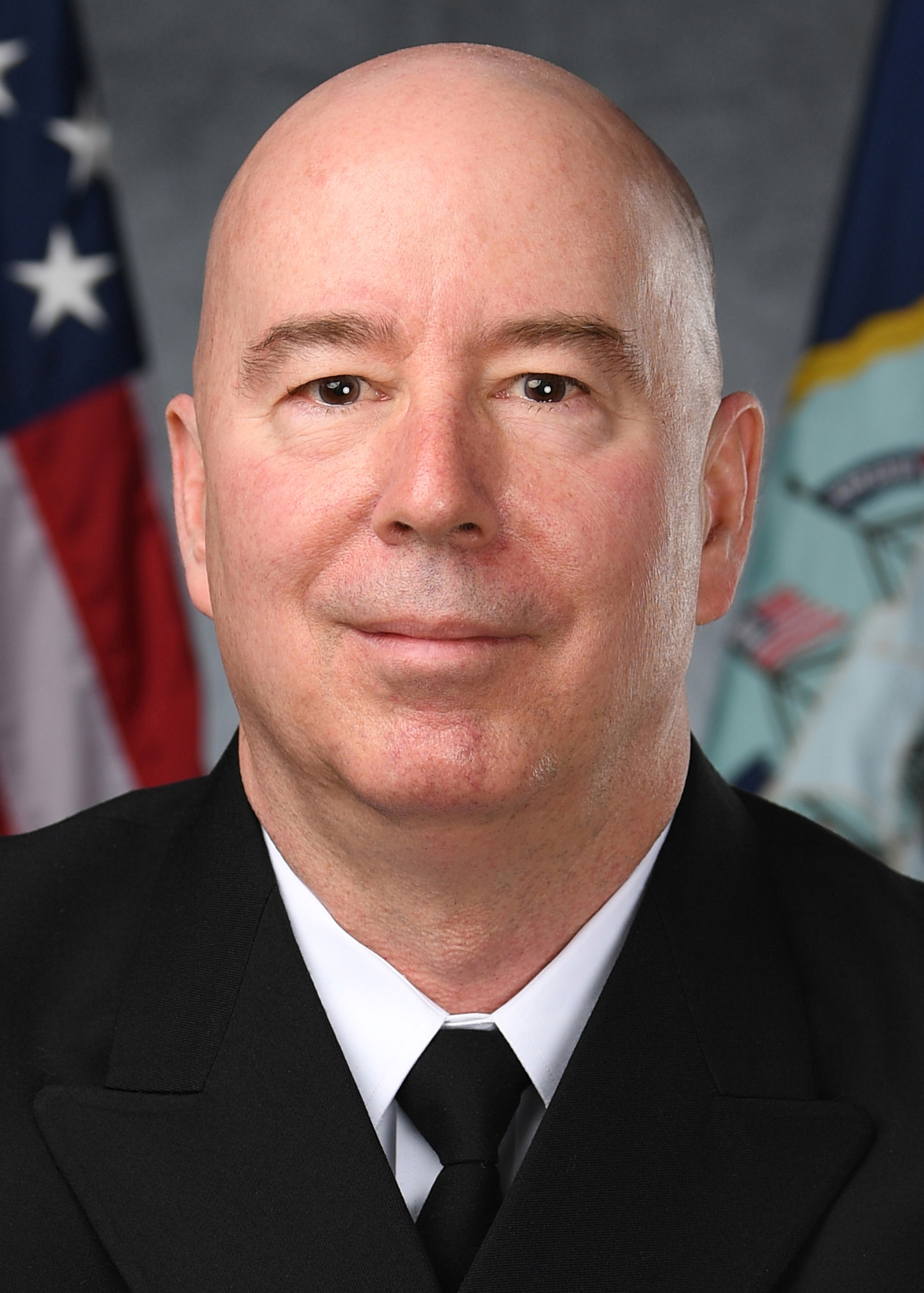
Admiral William Houston is director of the Naval Nuclear Propulsion Program.