The collaboration is part of the Department of Energy–led Genesis Mission, which seeks to build an integrated scientific platform to accelerate U.S. research and development through AI. The DOE recently published 26 Genesis Mission challenges and corresponding AI solutions. The INL-Nvidia partnership will drive the challenge “Delivering Nuclear Energy that Is Faster, Safer, and Cheaper,” which has been codenamed Prometheus.
Virtuous cycle: According to INL, Prometheus is “designed to create virtuous cycle where AI enables rapid nuclear deployment, and nuclear energy provides the baseload power required for next-generation AI infrastructure.”
“This partnership represents a transformative approach to one of our nation’s greatest challenges for deploying abundant, reliable nuclear energy at the speed and scale required for our AI-driven future,” said INL director John Wagner. “By leveraging AI to design, license, and operate reactors, we can fundamentally change the timeline for bringing advanced nuclear energy on line.”
INL and Nvidia may expand the collaboration to include additional stakeholders, including nuclear reactor developers, utilities, investors, and other national laboratories.
The initiatives: According to INL, the collaboration will focus on several strategic initiatives:
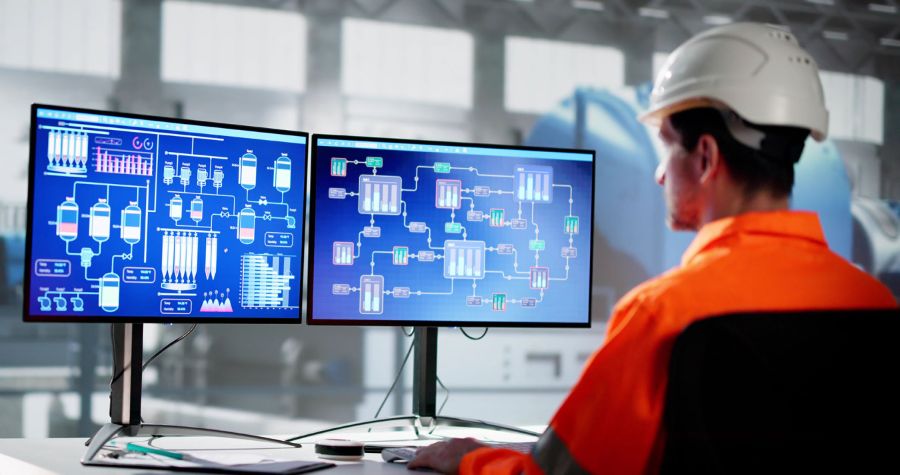
- AI-powered nuclear design, licensing, manufacturing, construction, and operation—Developing generative AI, digital twins, and agentic workflows to accelerate nuclear energy deployment.
- Industry advancement—Supporting broader nuclear industry adoption of accelerated computing and AI tools while providing guidance to regulatory entities on state-of-the-art autonomous and digital nuclear capabilities.
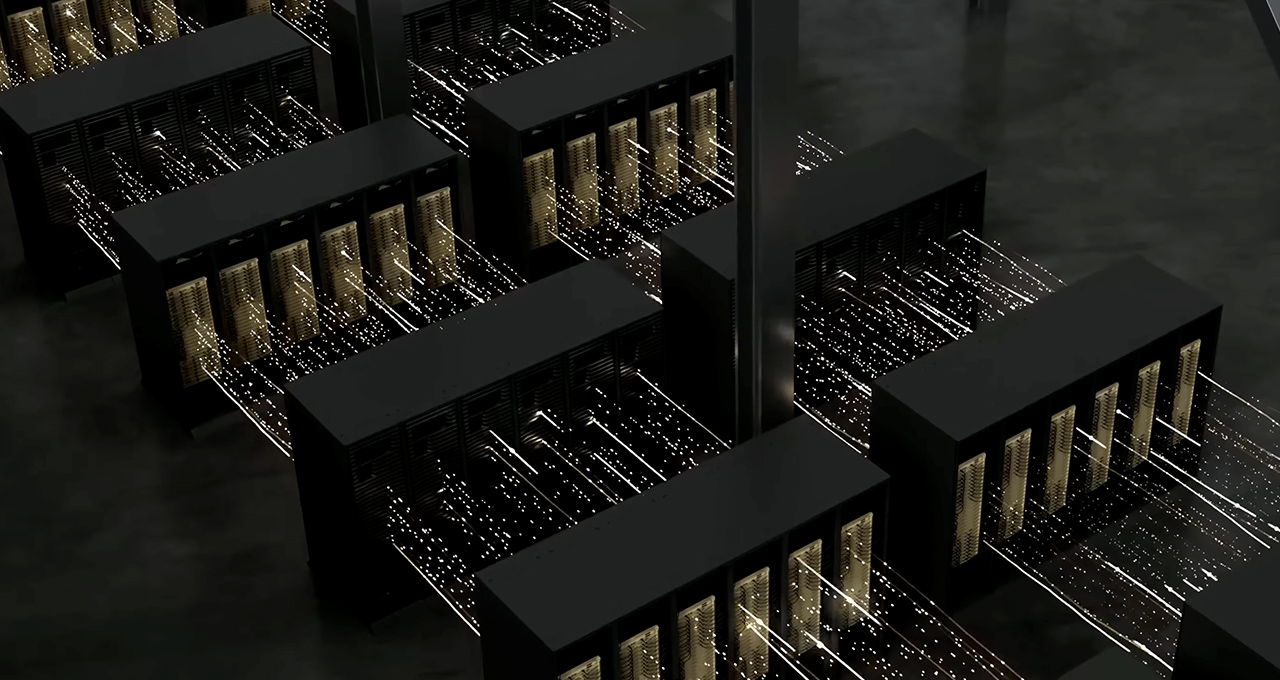
- Supercomputing infrastructure—Leveraging DOE supercomputers for large-scale model training and simulation while evaluating on-premises Nvidia AI systems for real-time operations.
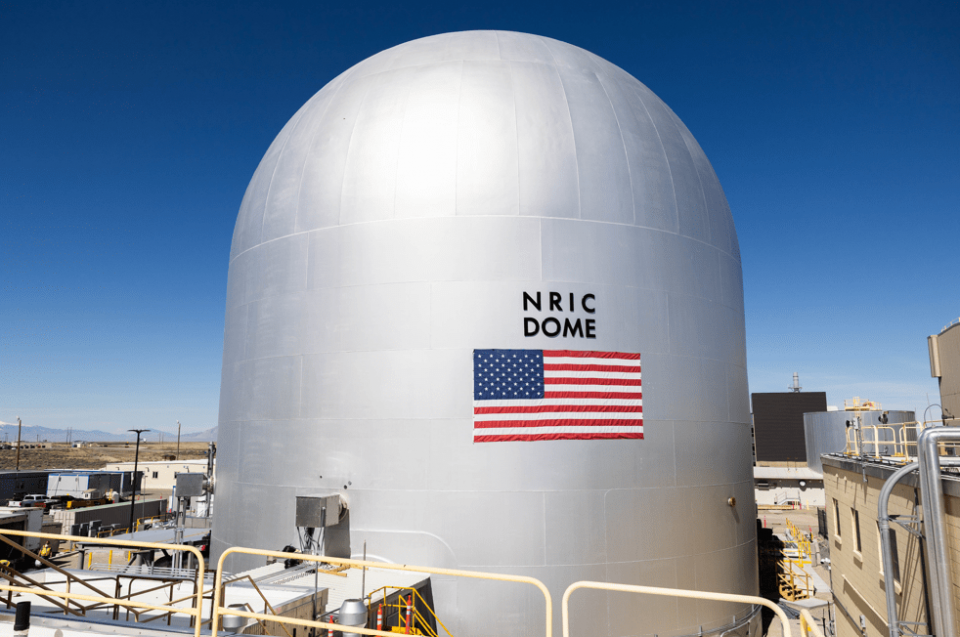
- Data validation—Using INL’s legacy nuclear data, laboratory data, and on-site reactors—including the Neutron Radiography Reactor (NRAD) and the Microreactor Applications Research Validation and Evaluation (MARVEL), which is expected to be operational by late 2027—to provide real-world data for digital twin validation.
- Code acceleration—Accelerating nuclear simulation codes, including MOOSE, BISON, Griffin, and Pronghorn, on Nvidia GPU architectures.
Other quotes: John Josephakis, Nvidia’s global vice president of sales and business development, said, “Combining INL’s decades of nuclear expertise with Nvidia AI infrastructure will put AI to work to design, license, and operate reactors faster, safer, and at lower cost—delivering the abundant energy needed to power scientific discovery.”
Rian Bahran, DOE deputy assistant secretary of energy for nuclear reactors, added, “This public-private partnership presents a targeted approach to AI-acceleration that goes beyond incremental ‘uplift’ improvements. It has the potential to transform the paradigm for how we deploy nuclear energy in addition to how we advance R&D and discovery.”