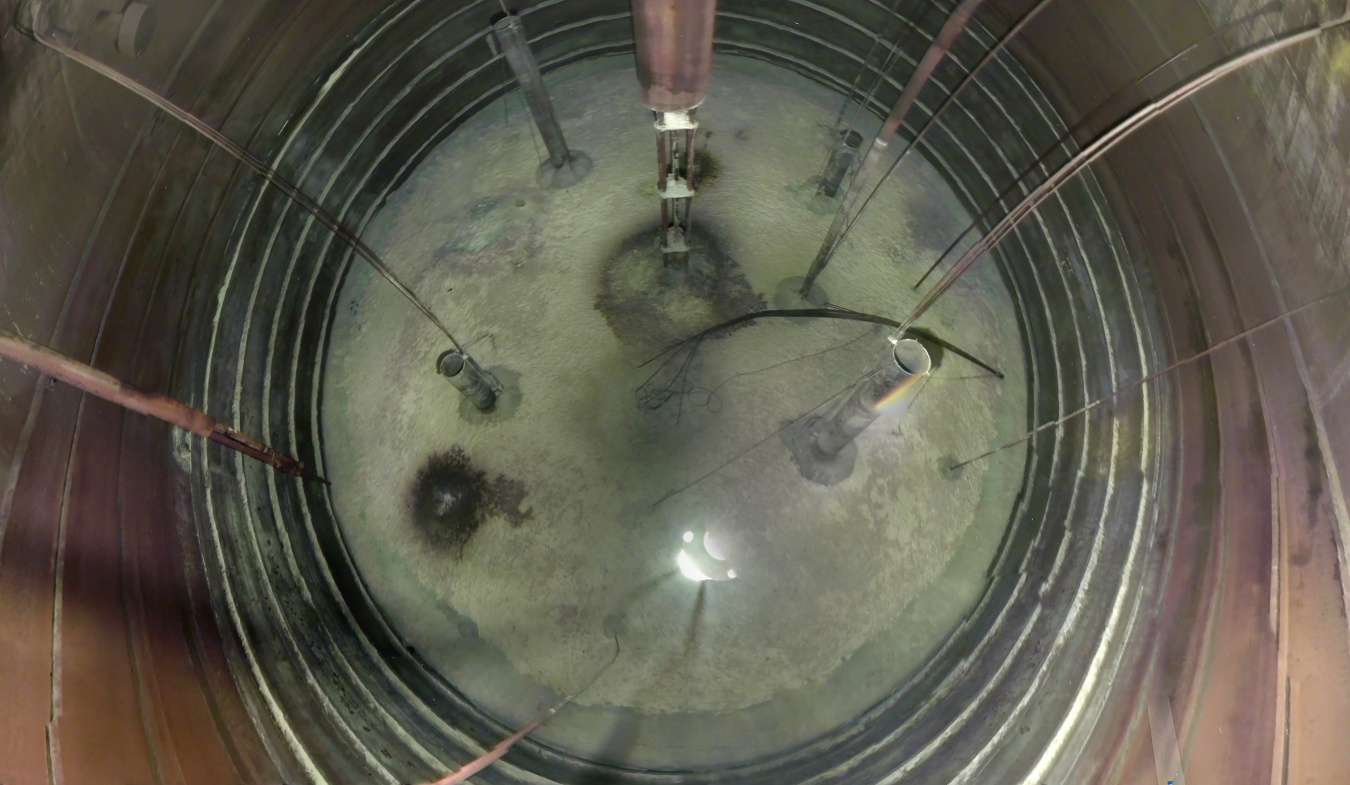
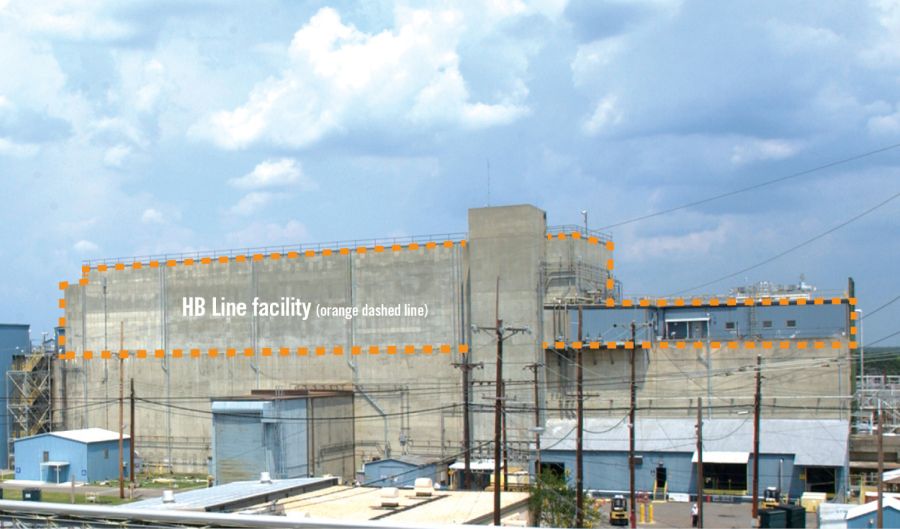
According to the Washington Department of Ecology, at least 68 of Hanford’s tanks are assumed to have leaked in the past, and three are currently leaking.
The transfer: Tank A-106 contains about 80,000 gallons of solid waste, which now are being transferred to one of the newer, double-shell tanks for continued safe storage. A-106 is one of two tanks currently undergoing retrieval operations by the Hanford Field Office and its tank operations contractor, Hanford Tank Waste Operations and Closure (H2C). In March 2025, H2C began retrieving waste from Tank A-102, a 1-million-gallon tank holding about 41,000 gallons of solid waste.
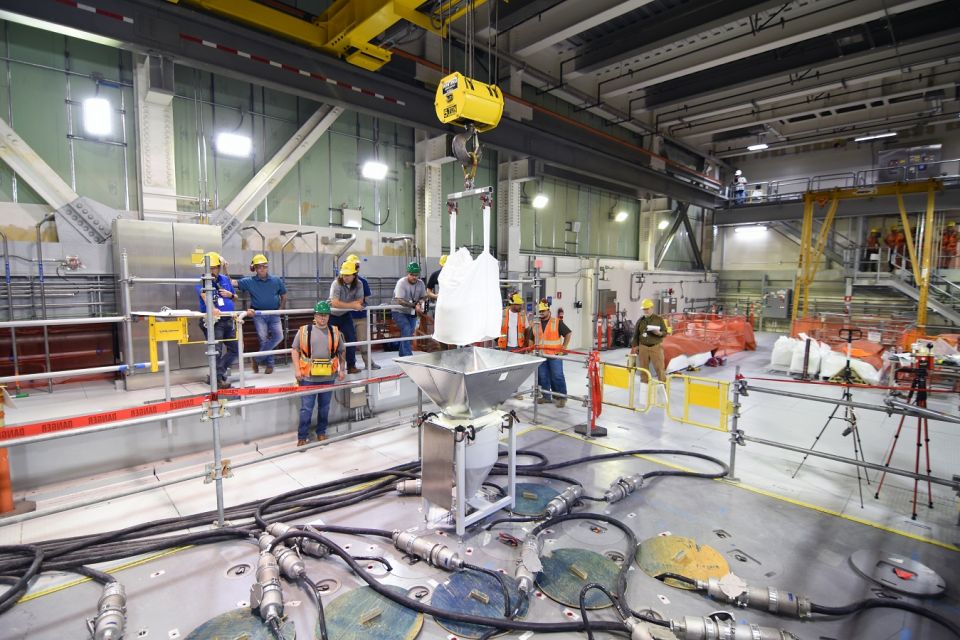
Sluicing—a procedure using high-pressure water spray—is used to break up the waste so it can be pumped out of the tank and transferred to a double-shell tank.
Innovative technique: In late 2023, workers used an innovative system to cut into the thick concrete top of Tank A-106 to install new equipment to retrieve the waste. After drilling a hole in the tank dome, workers installed a pipe, called a riser, to provide access for the waste retrieval equipment, a task that has been done only three other times in the previous 15 years at Hanford, according to DOE-EM.
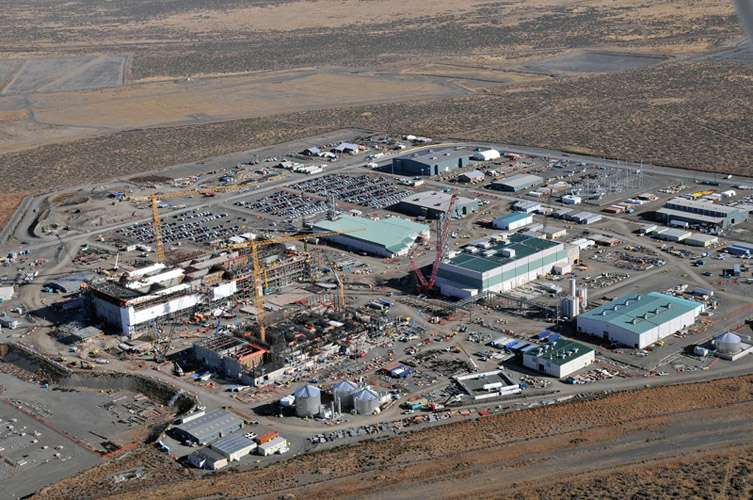
Hanford’s waste tanks are organized into 18 different groups, called tank farms. The A Tank Farm, which contains six tanks, each with a million-gallon capacity, is the third farm to undergo retrieval at the site. Retrieval field operations on the farm’s first tank and Hanford’s 22nd single-shell tank, A-101, were completed last September.
Quote: “Safely cleaning up legacy waste at Hanford is not just a technical challenge—it’s a responsibility that honors our commitment to protecting our workforce, our communities, and the environment,” said Katie Wong, program manager with the Hanford Field Office Tank Farms Programs Division. “Every step forward reinforces our dedication to a safer future for generations to come.”

-3 2x1.jpg)