-3 2x1.jpg)
Plans for Poland’s first nuclear power plant continue to progress
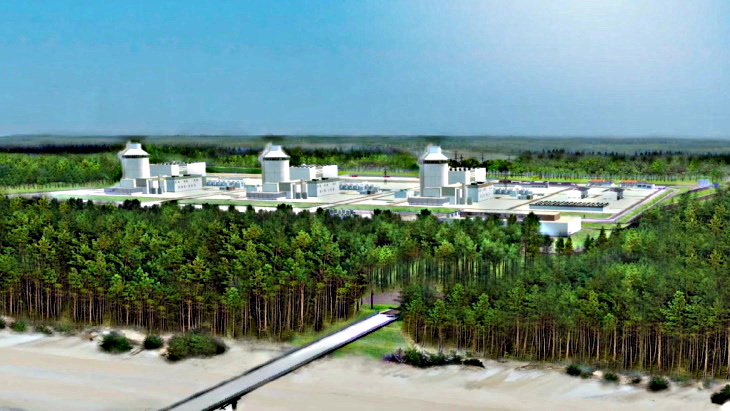
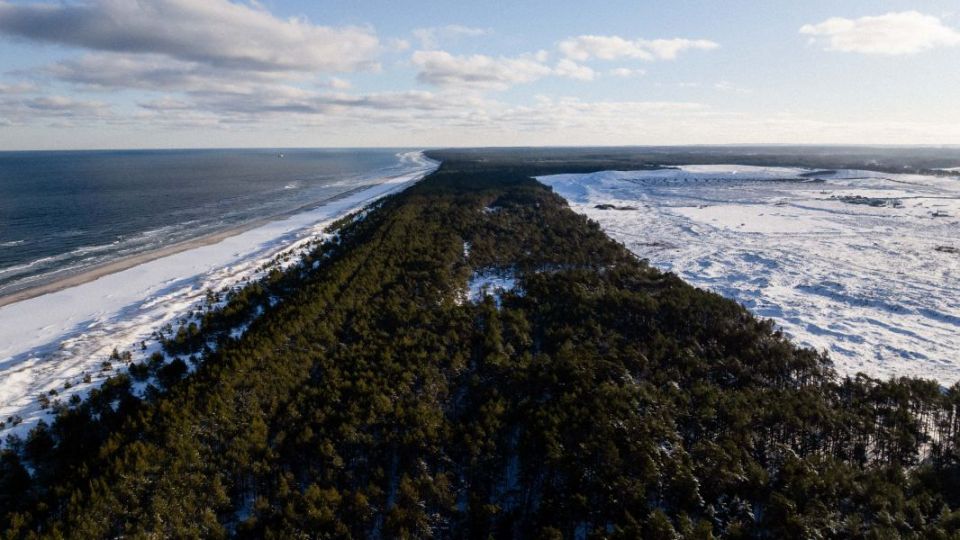
Building Poland’s nuclear program from the ground up is progressing with the country's first nuclear power plant project: three AP1000 reactors at the Choczewo site in the voivodeship of Pomerania.
Polish state-owned utility Polskie Elektrownie Jądrowe has announced some recent developments over the past few months, including turbine island procurement and strengthened engagement with domestic financial institutions, in addition to new data from the country’s Energy Ministry showing record‑high public acceptance, which demonstrates growing nuclear momentum in the country.
Design work: Before the end of last year, the engineering development agreement between PEJ and the Westinghouse‑Bechtel consortium was extended, securing continued progress on design and site activities, including detailed geological surveys.
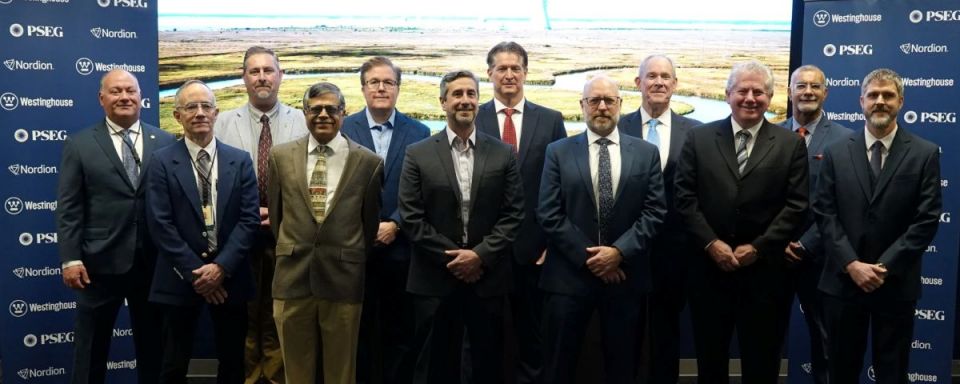
Preparatory construction activities are now underway while PEJ continues negotiating the engineering, procurement, and construction contract. Documentation for upcoming administrative permits is being prepared in parallel. “Steady progress on our project is crucial to maintaining the construction schedule for Poland's first nuclear power plant,” said Marek Woszczyk, president of PEJ’s management board.
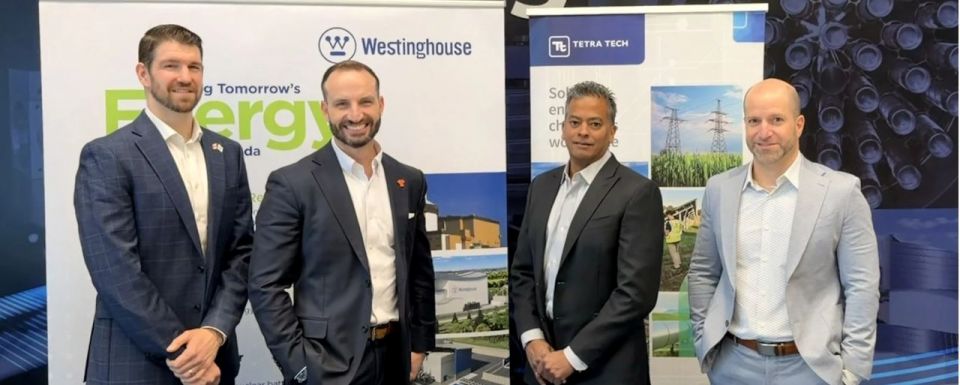
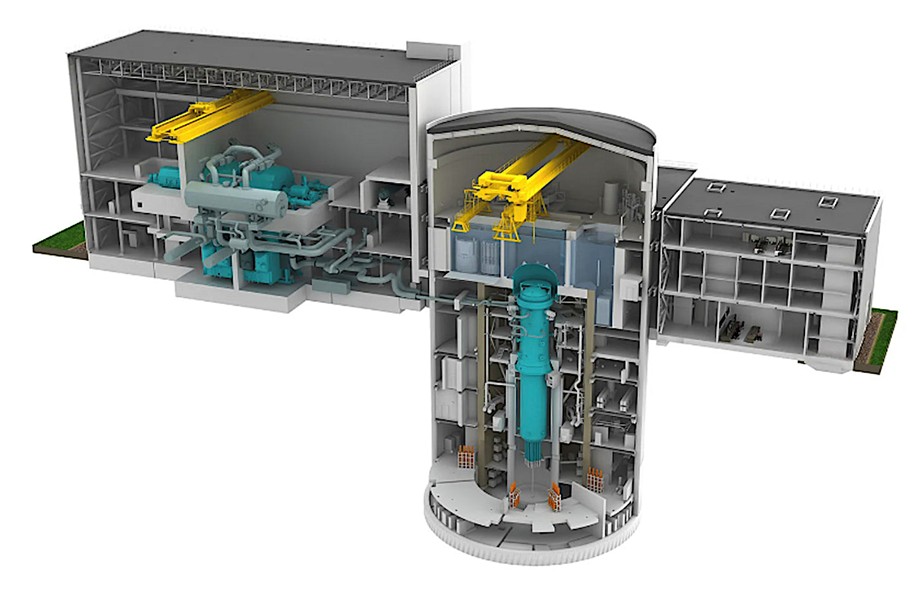
Supplier selection: It was recently announced that Bechtel and Westinghouse have selected Arabelle Solutions to supply three half‑speed steam turbine–generator sets for the AP1000 units planned for the Choczewo site. “The choice of Arabelle Solutions for the project’s steam turbine generator is a strong complement to the AP1000 reactor,” said Dan Lipman, President of Westinghouse Energy Systems. “Having such a major European supplier involved in the project underscores [the] Westinghouse-Bechtel consortium ‘Buy Where We Build’ philosophy and our commitment to having Polish companies participating throughout the entire project.”
The deal covers the entire turbine island for all three units—including turbines, generators, condensers, moisture separator reheaters, and feedwater systems—and positions the project to move from design into early procurement.
Woszczyk emphasized that the selection followed a highly competitive and technically demanding procurement process, adding that the chosen supplier brings a wide chain of partners—many of them Polish firms.
According to a recent report on local content, more than 70 percent of Polish companies say they have energy-sector experience transferable to a nuclear project, and one‑third have already participated in international nuclear work. The main challenge cited by companies has been access to financing required to prepare bids.
Financing the project: Progress is not limited to engineering activities. Last week, Bank Gospodarstwa Krajowego reaffirmed its readiness to support the financing of the project during a meeting between BGK president Mirosław Czekaj and PEJ vice president Piotr Piela.
Czekaj stated that BGK sees “enormous growth potential” in nuclear investment—not only for energy security but also for economic expansion through supply‑chain development, job creation, and long-term industrial benefits.
PEJ’s Piela highlighted that the partnership with BGK reflects the broader strategy to ensure significant participation of Polish companies in the program. He noted that building the nuclear plant establishes “a strong foundation for the economic growth of Poland” and that nuclear sector development will support industry, education, and regional economies for decades.
PEJ reports strong interest from the financial sector, with letters of intent from nearly 30 commercial institutions expressing willingness to contribute to the project’s debt financing. The European Commission granted formal approval for state aid in December 2025, including a capital injection of approximately PLN 60 billion (approximately $17 billion) and a 40‑year contract for difference.
The additional funding support is a strong indication that Poland’s nuclear industry has seized momentum from the public and private sectors. The one question the Polish government wanted answered was that of public opinion.
Public support for nuclear: According to a poll from Poland’s Ministry of Energy, public support remains one of the strongest pillars of the project. The poll commissioned by the ministry in late 2025 found that 92 percent of respondents support nuclear power in Poland, and 79.9 percent would accept a nuclear plant near their homes. Opposition remains low at just 5 percent, with 3 percent undecided.
During a presentation from the government, according to Polish financial and business news website Forsal, a representative of the Polish government said, “We must have social support, which is important in the case of any type of energy source. We need to work with companies and universities to attract people to the sector, because it is a sector that will give the economy a chance,” he added.
Support is driven by strong perceptions of national benefit. In all, 94 percent of respondents believe nuclear energy will increase Poland’s energy security, and 88 percent believe it will help combat climate change.
From supplier selection and financing preparations to design progress and growing public support, Poland’s first nuclear plant is moving steadily closer to full construction. Stakeholders say that the Choczewo project is building a strong foundation for Poland’s long-term energy and economic strategy.