PNNL seeks high-energy neutrons from SpaceX launch of Polaris Dawn
September 12, 2024, 3:00PMNuclear News
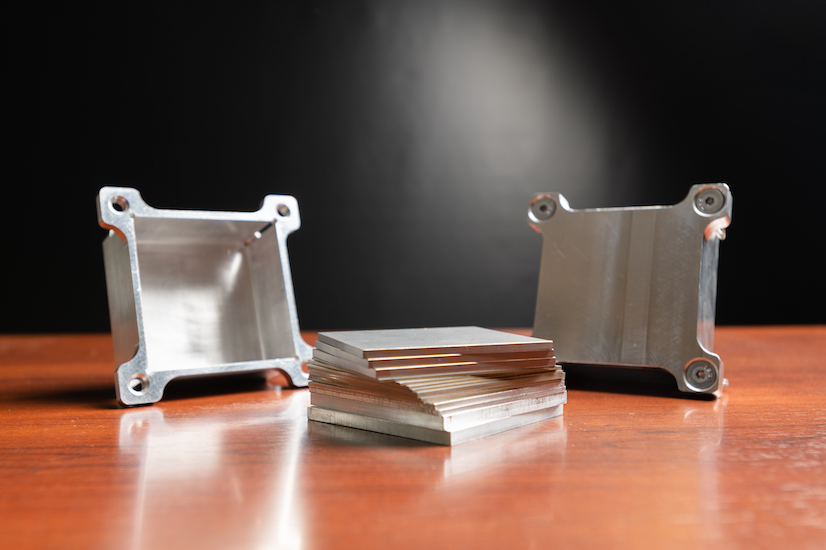
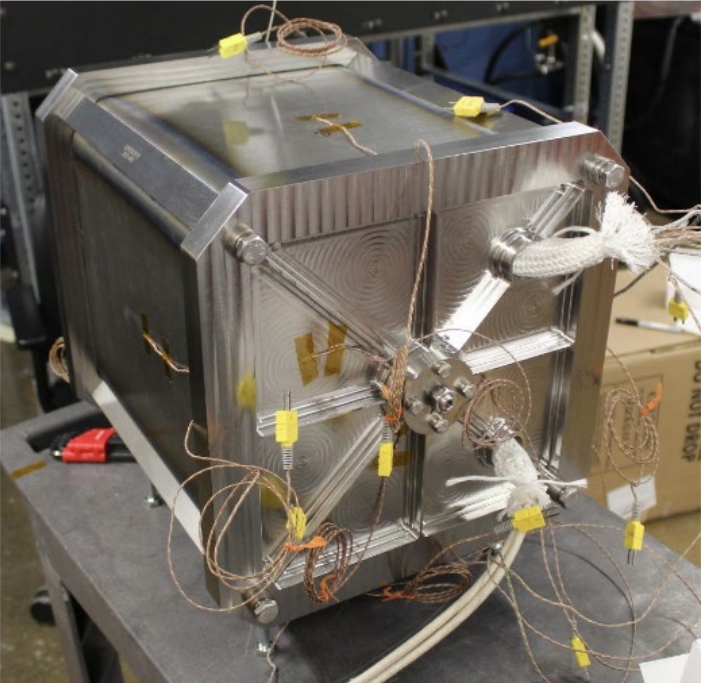
Understanding how several different metals—such as the contents of PNNL’s space-bound cube—react to radiation in space will help scientists understand the potential impact of radiation on space travelers. (Photo: Eddie Pablo/PNNL)
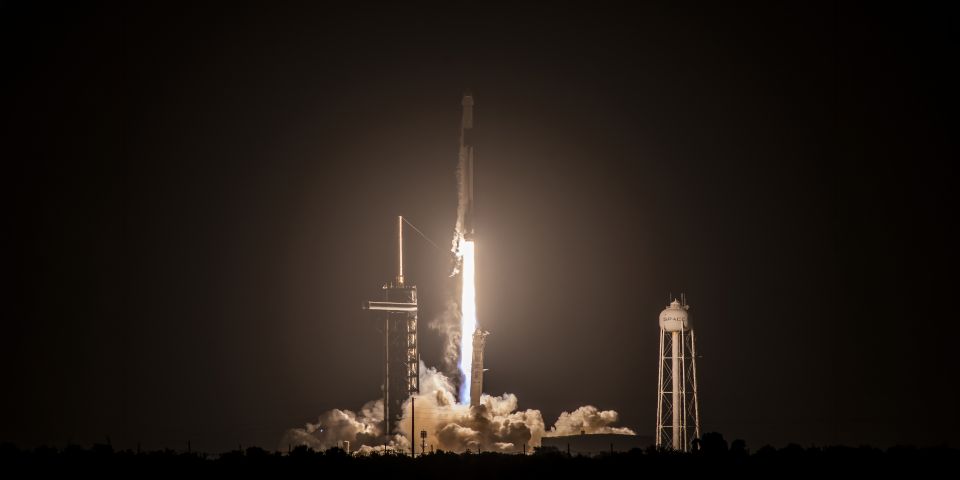
When a SpaceX rocket lifted off from Kennedy Space Center on September 10 (see video here), sending a crewed commercial mission into low Earth orbit, an experiment designed by Pacific Northwest National Laboratory was onboard. Several high-purity metal samples will orbit Earth and absorb cosmic radiation for five days—including that from the Van Allen radiation belt—to help the lab answer questions about the radiation environment for manned space missions, according to a news release from PNNL.
To continue reading, log in or create a free account!