Root causes of NIST reactor alert point to operator training

October 6, 2021, 3:02PMNuclear News
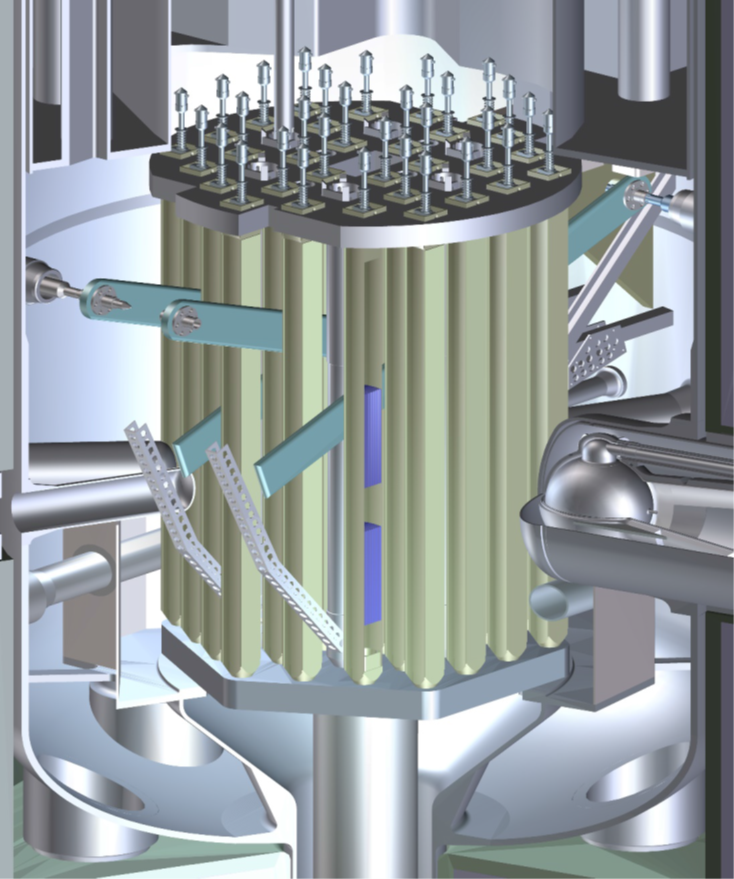
A rendering of the core of the NBSR, which consists of 30 aluminum-cladded plate-type U3O8 fuel elements with a 17.8-cm gap between elements. (Image: NCNR Technical Working Group, Root Cause Investigation of February 2021 Fuel Failure) (CLICK IMAGE TO ENLARGE)

The National Institute of Standards and Technology (NIST) has submitted two reports and supplemental information to the Nuclear Regulatory Commission after conducting a root cause analysis of the February 2021 fuel failure and resultant alert at the NIST Center for Neutron Research (NCNR) in Gaithersburg, Md. While the 20-MWt NCNR research reactor remains shut down, scuttling the plans of researchers who rely on it as a source of both cold and thermal neutrons, NIST states in an October 4 update that it has requested permission to restart the reactor, contingent upon meeting all 18 corrective actions identified.

To continue reading, log in or create a free account!

Related Articles

The DOE’s plan for AI in NRC licensing

April 2, 2026, 9:40AMNuclear News

The Department of Energy announced the completion of a proof-of-concept demonstration of the use of Everstar’s AI tool to generate chapter 5 of an NRC license application from preliminary...

NRC adopts ROP updates

March 30, 2026, 3:14PMNuclear News

The Nuclear Regulatory Commission has approved a significant overhaul of its Reactor Oversight Process (ROP) baseline inspection program that stresses a leaner, more risk-focused inspection...

U.S. Air Force opens power reactor RFI

March 30, 2026, 9:35AMNuclear News

The U.S. Air Force wants to hear from companies that could be interested in deploying small nuclear reactors at its bases.The request for information posted Wednesday intends to assist the...

NRC unveils Part 53 final rule

March 26, 2026, 7:01AMNuclear News

The Nuclear Regulatory Commission has finalized its new regulatory framework for advanced reactors that officials believe will accelerate, simplify, and reduce burdens in the new reactor...