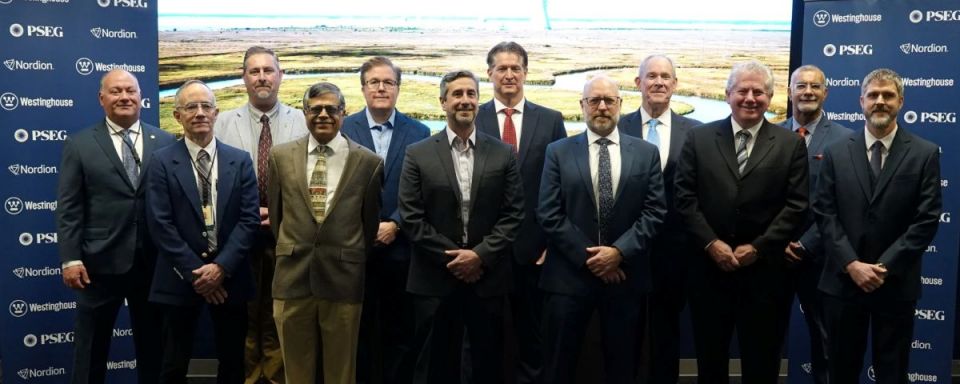
Japanese investment package: Details on Westinghouse’s role in Japan’s $100 billion proposed investment in U.S. nuclear power reactors may be revealed soon.
Reuters has reported that Westinghouse is part of a second round of deals included in Japan’s $550 billion package investment in U.S. industries, including nuclear power, and that the two countries have agreed on their respective roles on any nuclear power projects.
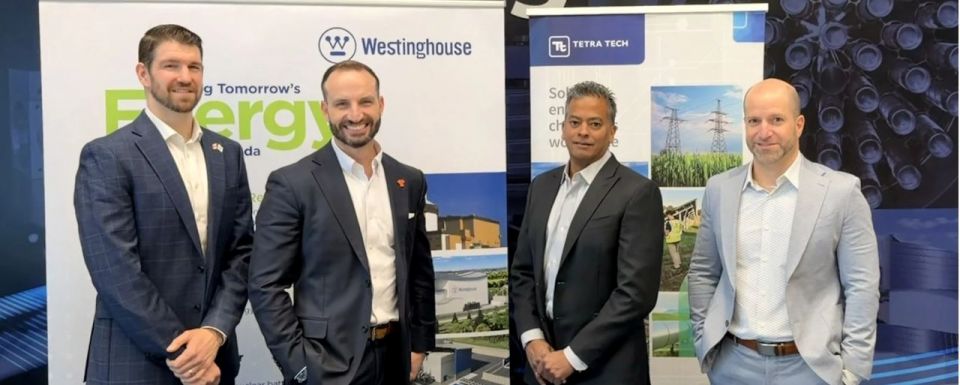
Dan Lipman, president of global business initiatives at Westinghouse, did not provide details to the news outlet. However, he did say, “These are very strategic projects that are very critical to Westinghouse and to our Japanese partners. We're going to continue to work the transactions until projects are identified and ready for deployment.”
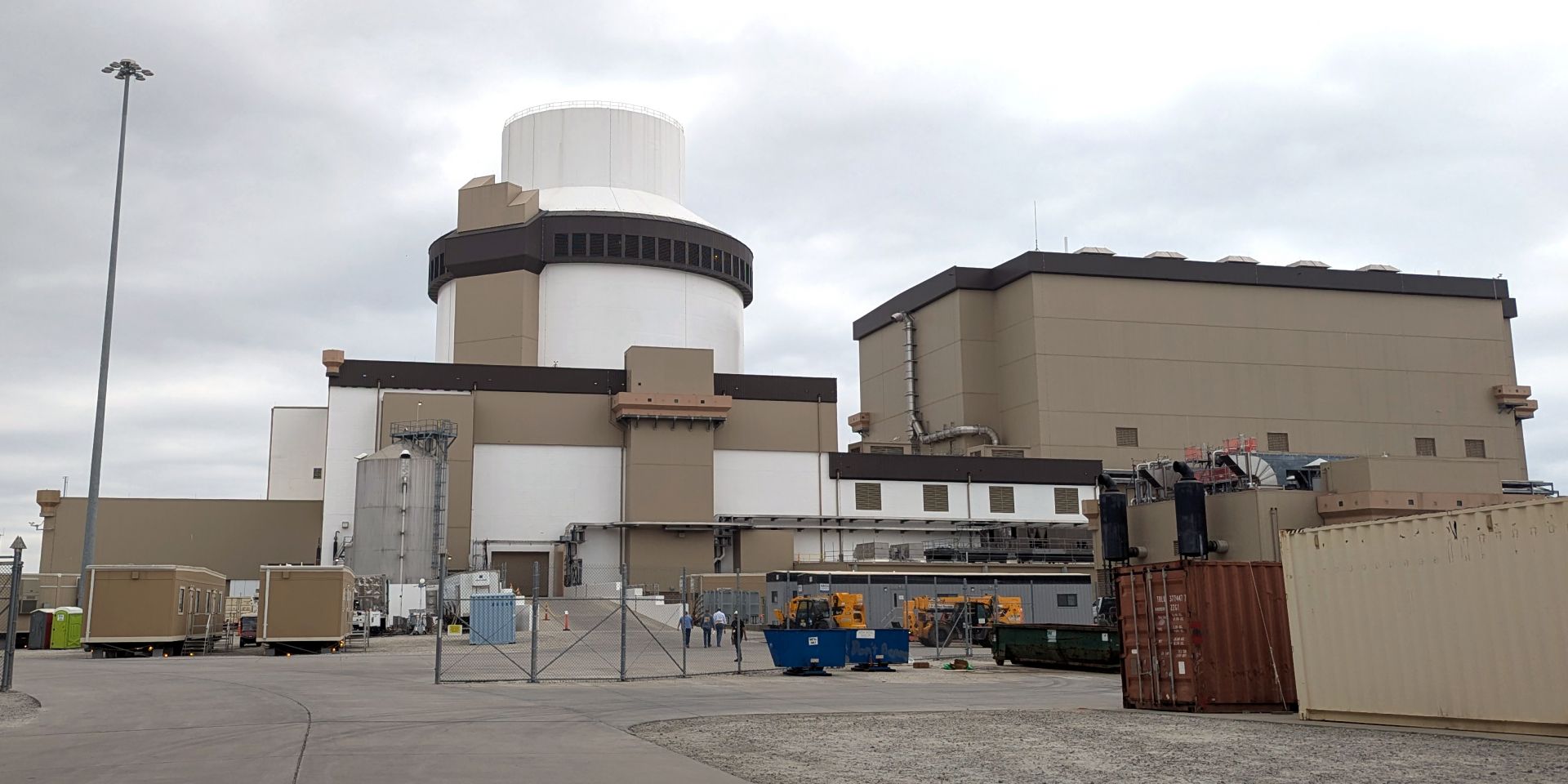
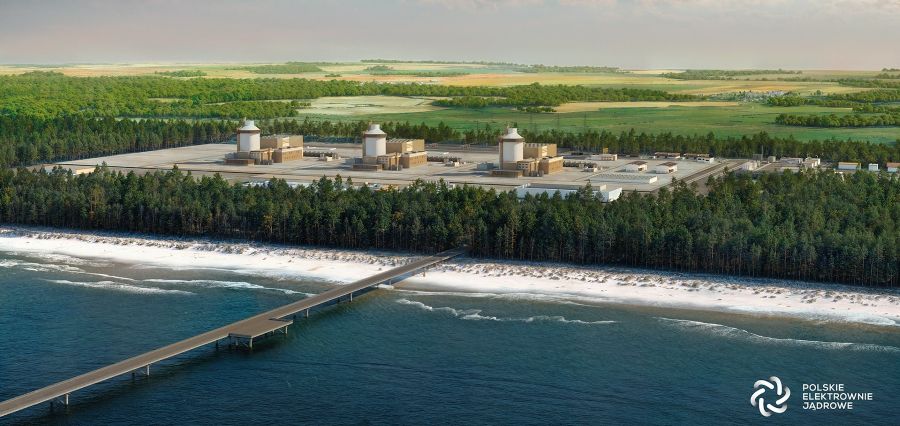
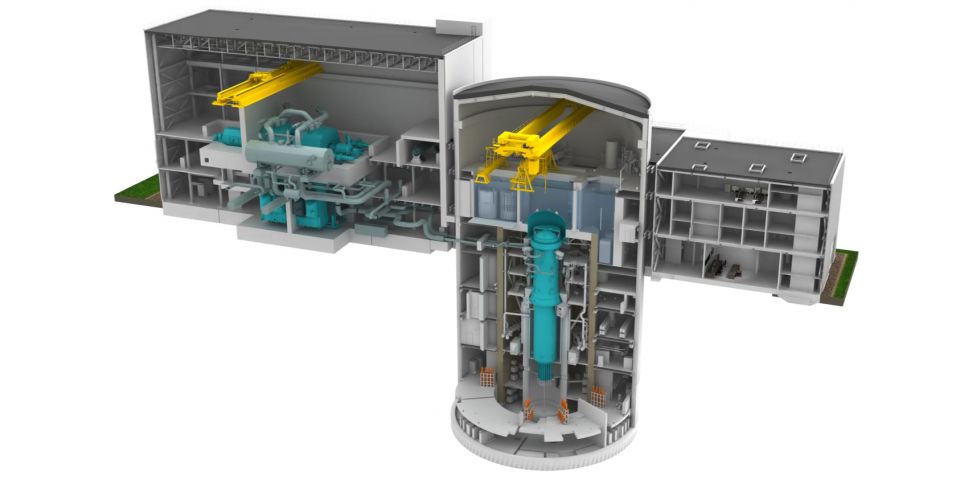
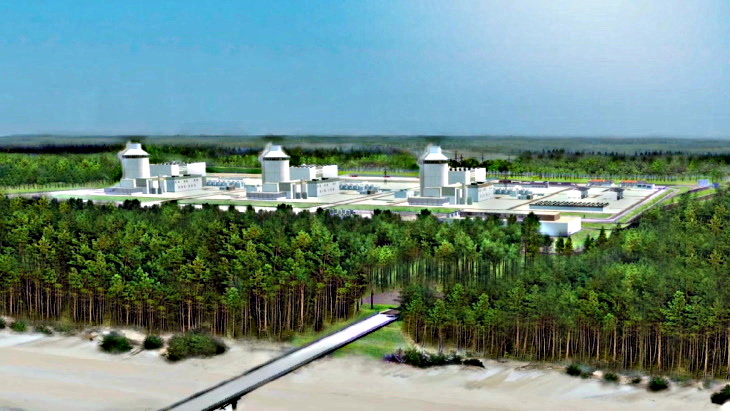
In a 2025 agreement between the Japanese and U.S. governments, one of the projected investments was up to $100 billion to support Westinghouse in the construction of its AP1000 large-scale reactors and small modular reactors. This proposal also called for possible partnerships with Japanese companies including Mitsubishi Heavy Industries, Toshiba Group, and IHI Corporation.
Japanese Prime Minister Sanae Takaichi is scheduled to visit the United States this week and meet with President Donald Trump.
Competitors enter the picture: Meanwhile, a separate story from Canary Media reports that the Department of Energy has held talks with both GE Vernova Hitachi and Korea Electric Power Corp. (Kepco) to explore alternatives to the AP1000. Reportedly, the DOE has said talks with Westinghouse have moved slowly.
Korea Hydro & Nuclear Power—a subsidiary of Kepco—is marketing the APR1400, a 1,400-MWe pressurized water reactor.
AP1000 impact: Amid this talk, Westinghouse unveiled a PricewaterhouseCoopers LLC–authored report detailing the economic impact of the 10 AP1000 reactors it wants to begin building by 2030.
According to the report, the construction of 10 reactors could generate more than $92.8 billion in gross domestic product and support 44,300 jobs over a 13-year period. Once the fleet is operational, the plants could provide $12.9 billion in GDP annually—or $1.03 trillion over the reactors’ 80-year lifetimes—and support 22,500 jobs per year.
“This report highlights that work to deploy a 10-unit AP1000 fleet can begin immediately, creating long-term economic benefits as well as high-paying, highly skilled jobs for generations to come,” said interim Westinghouse CEO Dan Sumner.