According to ZettaJoule, which also has offices in Washington, D.C., and Japan, its ZJ HTGR could provide process heat at temperatures as high as 950°C for research into synthetic fuels, hydrogen, steelmaking, chemicals, desalination, and data centers. This could potentially attract research from “advanced materials companies, refiners, hyperscalers, and government agencies such as NASA and the Department of Energy,” according to Texas A&M.
Robert H. Bishop, the vice chancellor and dean of the Texas A&M College of Engineering, said that the college has “long been a national leader in nuclear engineering, and this partnership positions us to help drive the next era of high temperature reactor innovation. This partnership strengthens our ability to support researchers and industry collaborators working at the forefront of next generation energy systems.”
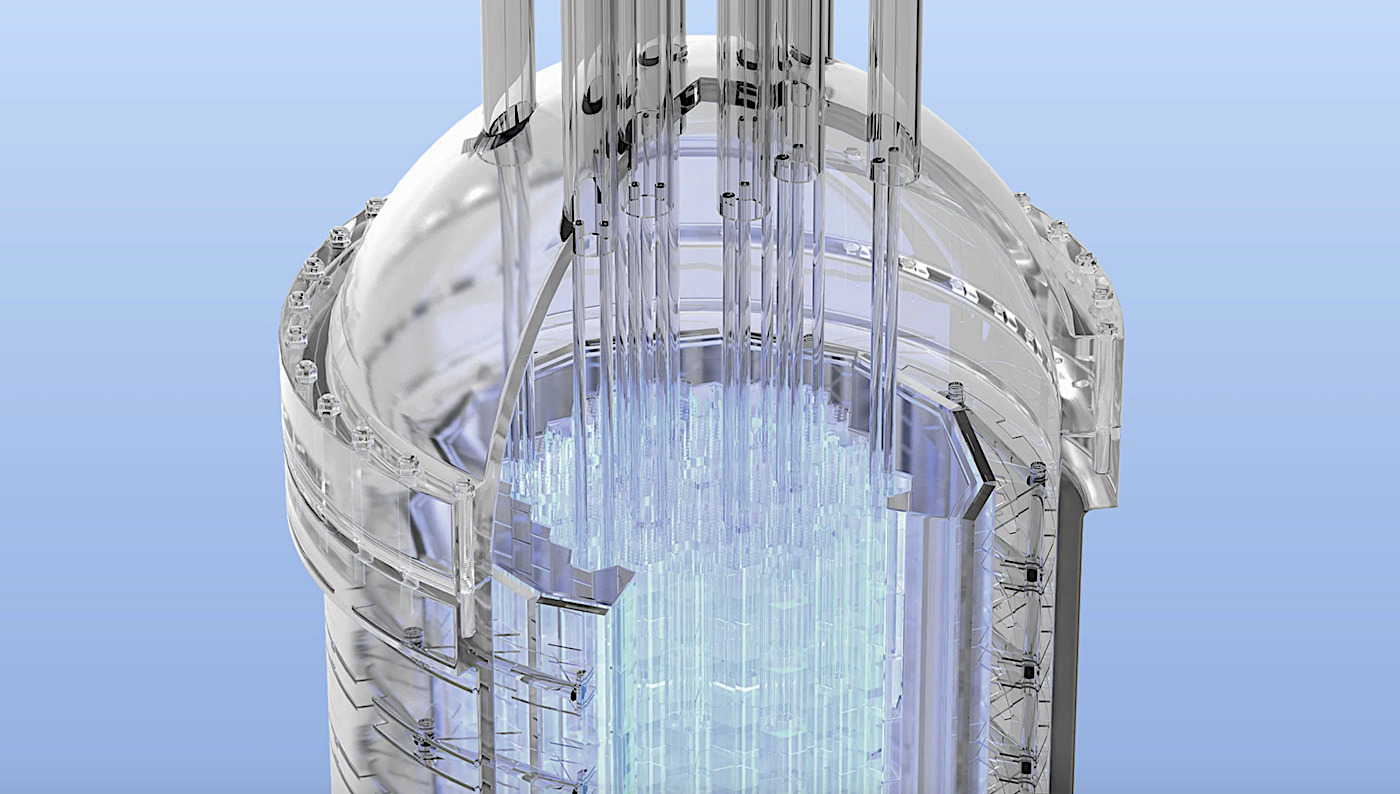
ZettaJoule technology: The ZettaJoule ZJ proposed for the campus is a 30-MWt TRISO-fueled and helium-cooled HTGR. The company says the design is scalable and could be deployed as a single module or as multiple modules totaling up to 600 MWt.
According to ZettaJoule, its ZJ SMR has potential uses in high-temperature heat applications for district heating and industrial sectors like chemical manufacturing, steelmaking, and hydrogen production; heat and electricity generation for oil, gas, and mining facilities; and clean power production for data centers, microgrids, and residential and commercial customers.
The company also said that its ZJ reactor technology is a modernized version of the technology that “has been in operation since 1998 at Japan’s High Temperature Engineering Test Reactor (HTTR).”
Other research reactors: If the collaboration goes according to plan, ZettaJoule’s ZJ research reactor will be sited next to Texas A&M’s TEES Nuclear Engineering & Science Center, joining the university’s AGN-201M teaching reactor and TRIGA reactor. The ZJ reactor would make Texas A&M the only U.S. university hosting more than two research reactors on campus. The university also has plans to build demonstration power reactors at its RELLIS Innovation and Technology Campus in Bryan, Texas.
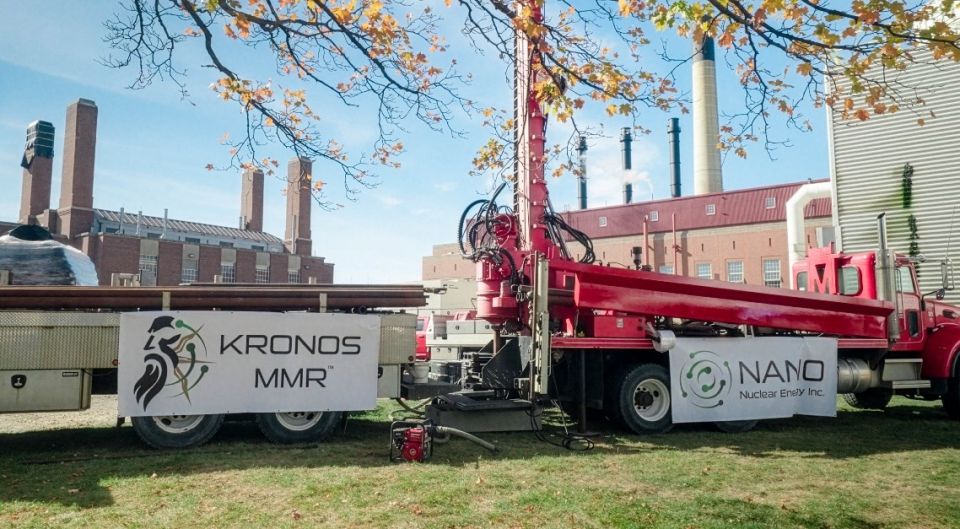
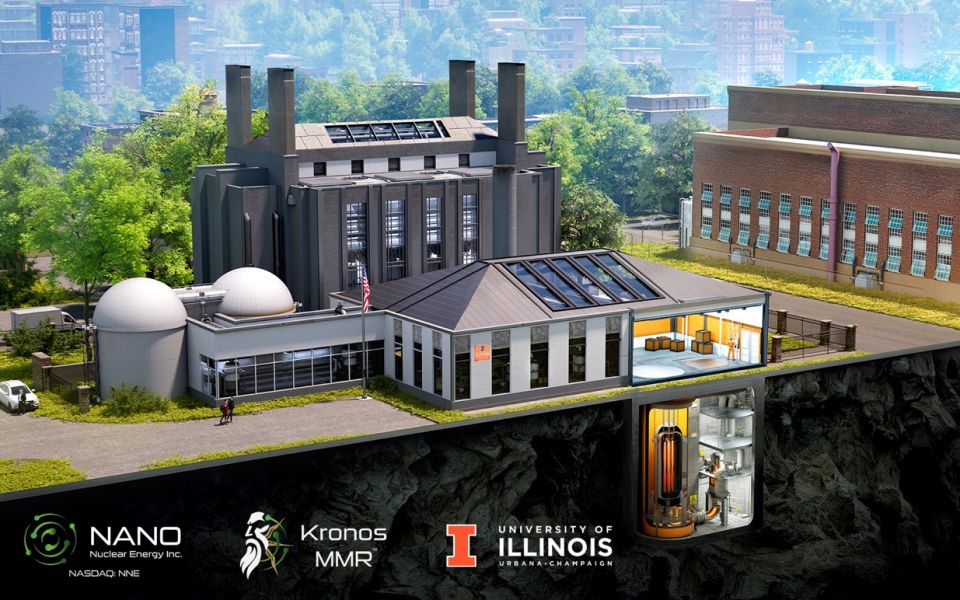
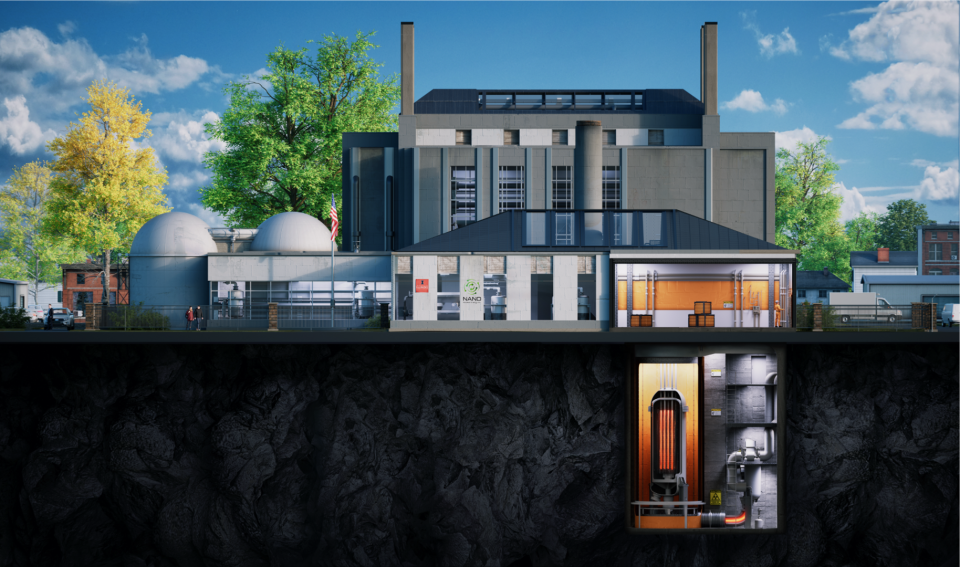
Texas A&M is not the only U.S. university looking at HTGR technology for a research reactor. The University of Illinois–Urbana-Champaign signed a memorandum of understanding with Nano Nuclear Energy last December to continue working on the development, construction, and operation of that company’s Kronos MMR (micro modular reactor) on campus.