A closer look: A.B. 2647 would amend language in two sections of the state’s Public Resources Code regarding energy. These amendments would clarify that the state’s moratorium on nuclear power plants does not include “advanced nuclear reactors.” According to the bill, an advanced nuclear reactor is a “nuclear fission or fusion energy system with design characteristics that provide enhanced safety features, reduced waste generation, improved fuel use, and other technological advancements compared to a generation II nuclear reactor and that has a design license approved by the Nuclear Regulatory Commission on or after January 1, 2005.”
This definition of advanced nuclear reactors differs from one currently found in the U.S. Code, which in 42 USC 1621 says an advanced fission reactor is one with “significant improvements compared to reactors operating on December 27, 2020." However, because no licenses or certifications for new reactor designs issued in 2005 or later were operational by the end of 2020, the two definitions effectively include the same set of fission reactors, from certified large light water reactor designs to newer LWR and non-LWR reactors that have received or may receive an NRC license or design certification.
Existing state law prohibits the California Energy Commission from certifying nuclear power plants outside of specified power plants like Diablo Canyon. It also includes land use permit restrictions tied to "the existence of technology for the construction and operation of nuclear fuel rod processing plants and of demonstrated technology or means for the disposal of high-level nuclear waste, as specified.”
According to the bill fact sheet, the proposal is not intended to force investments in nuclear energy but rather to remove obstacles for policymakers, utilities, and businesses.
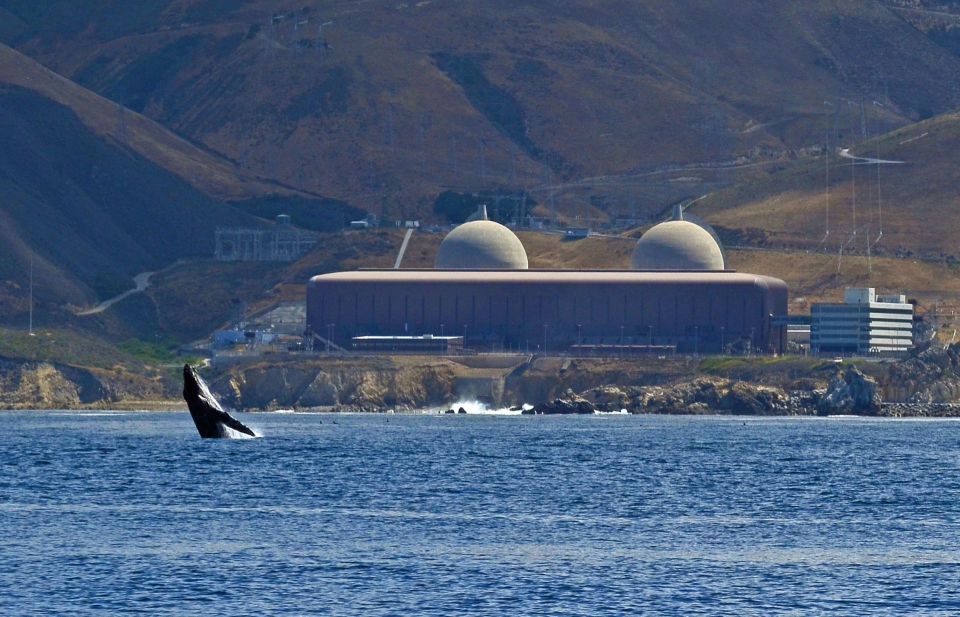
Background: California has set a goal for 100 percent clean energy by 2045, using renewable and other carbon-free resources like nuclear energy. Diablo Canyon generates 2,240 MWe of electricity, and according to Pacific Gas & Electric provides 17 percent of the state's zero-carbon electricity and nearly 9 percent of its total electricity supply.
Since San Onofre permanently ceased operations in 2013, Diablo Canyon is California’s sole remaining nuclear power plant. It entered commercial operation in 1985. In 2016, PG&E announced plans to permanently shutter the plant, with original plans to shut Unit 1 down in 2024 and Unit 2 in 2025. In 2022, Gov. Gavin Newsom signed legislation to keep Diablo Canyon open through 2030. The following year, the state’s Public Utilities Commission granted a five-year license extension to allow Unit 1 to stay open through October 31, 2029, and Unit 2 through October 31, 2030, and PG&E filed a 20-year license renewal application.
“Recognizing nuclear energy’s critical role in achieving carbon neutrality, at least five other states have already repealed or modified similar nuclear moratoria, recognizing that these outdated restrictions are incompatible with modern clean energy goals,” according to the fact sheet on A.B. 2647 released by Calderon’s office.
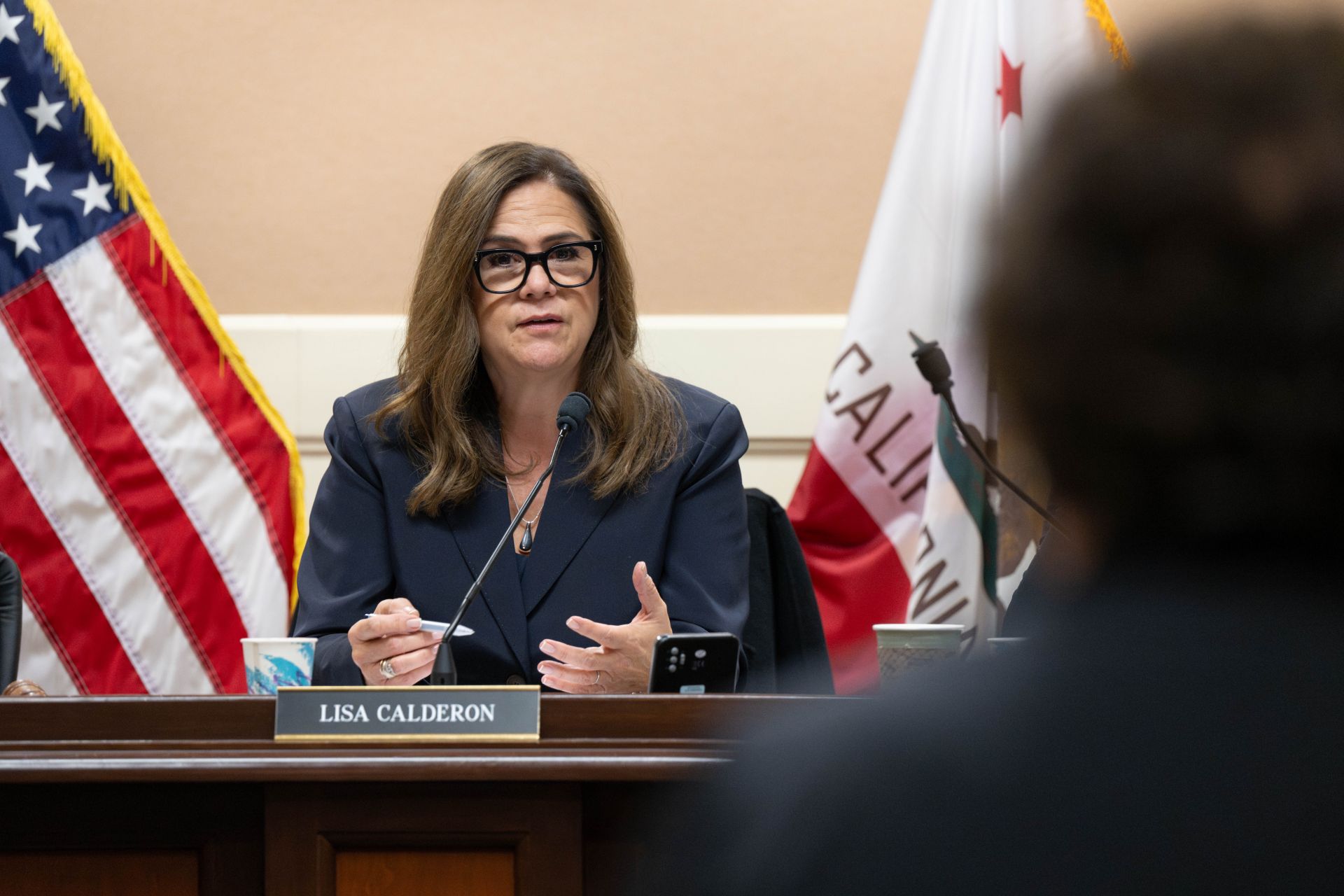
Who is in support: The legislation has bipartisan support. While Calderon is the main sponsor of the bill, listed coauthors include Democratic Assembly Members John Harabedian and Alex Lee and state Sen. Brian Jones, the Republican Senate minority leader.
Meanwhile, the bill fact sheet lists several supporters of the bill:
State Building and Construction Trades Council of California,
Oppenheimer Project.
Breakthrough Institute.
Nuclear is Clean Energy (NiCE) at University of California–Berkeley.
Californians for Green Nuclear Power.
Native Nuclear.
Stand Up for Nuclear.
Generation Atomic.
GLOW Strategies.
North American Young Generation in Nuclear.