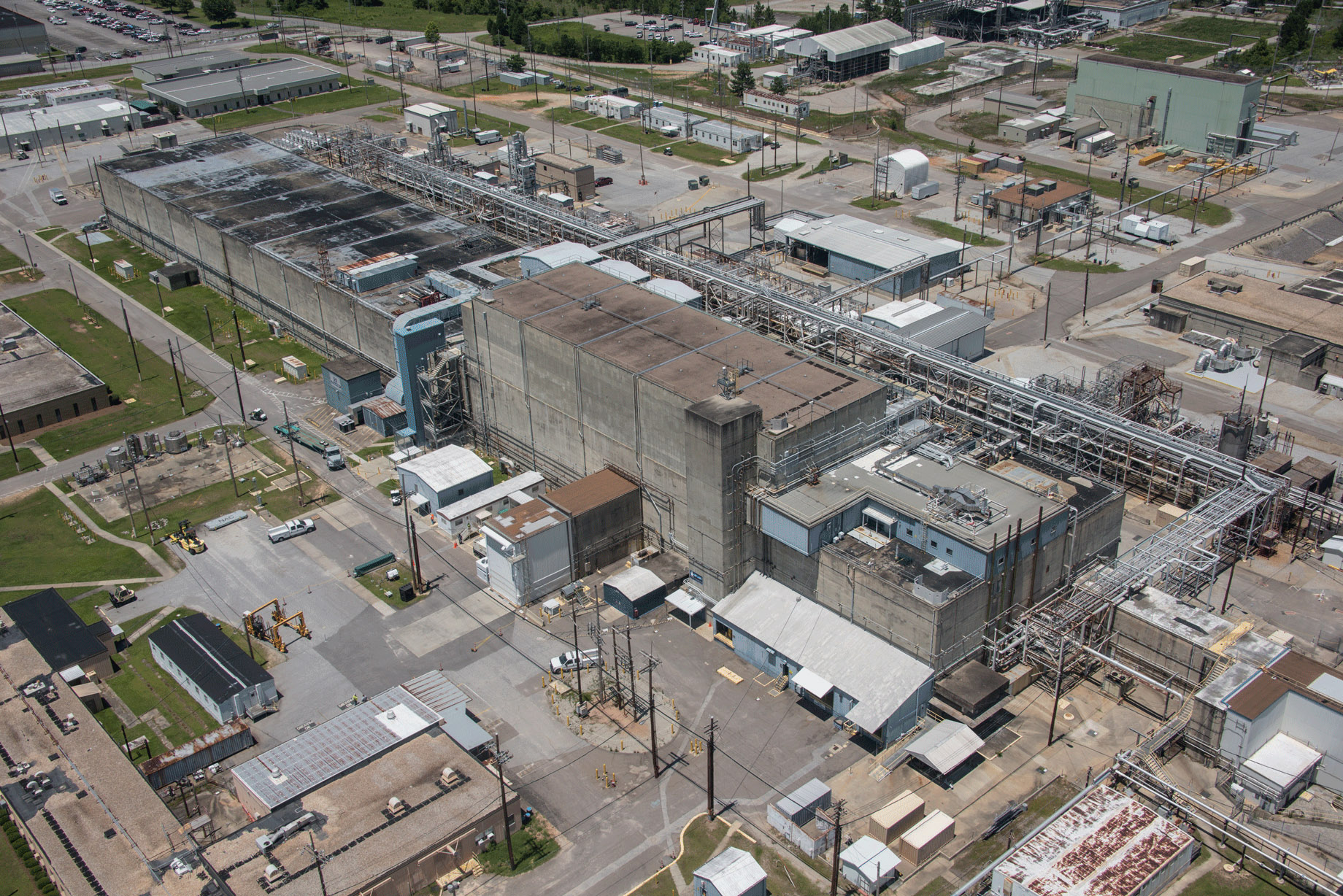
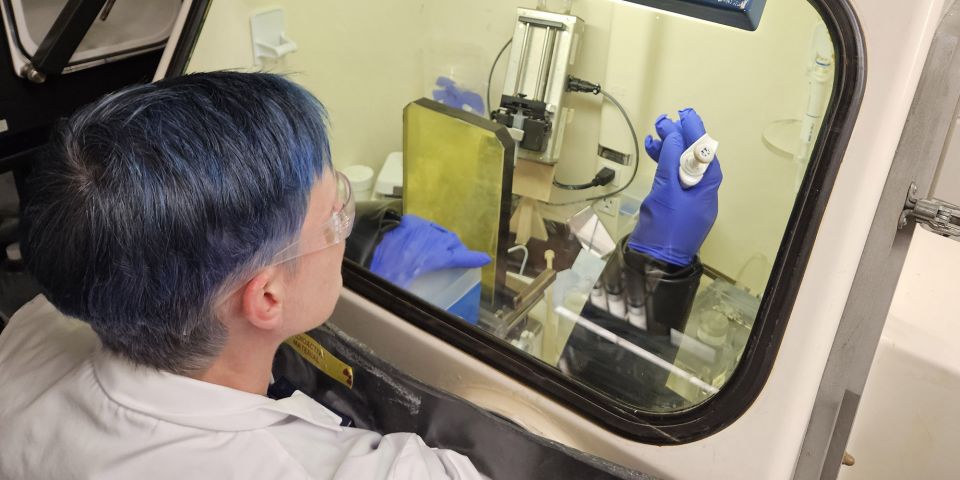
The H Canyon Facility at SRS. (Photo: SRNL)
The Department of Energy has restarted uranium recovery operations at the Savannah River Site’s H Canyon facility in South Carolina, a move officials say directly supports last year’s executive orders to reinvigorate the nation’s nuclear industrial base and enable the deployment of advanced reactor technologies. The work will include recovering uranium and other scarce isotopes from used nuclear fuel while advancing long-term cleanup goals at the site.
One goal of the recovery program is producing high-assay low-enriched uranium to fuel advanced reactors. The current inventory, according to the DOE, contains enough HEU to create as much as 19 tons of HALEU.
H Canyon: The radiologically shielded chemical separations began operations in the early 1950s and historically recovered uranium and neptunium from fuel tubes used in nuclear reactors at SRS to produce radioactive materials used in making weapons. After the end of the Cold War, the facility’s mission changed to one of nonproliferation and environmental cleanup.
LEU+: As highlighted in an article published by Nuclear News last year (“Innovation for Advanced Fuels at SRNL,” NN, October 2025, p. 22), Savannah River National Laboratory is collaborating with SRS on HALEU production and plans for the first load of HALEU to be delivered to a fuel fabricator in the fall of 2027.
According to the article, H Canyon is currently planning on using natural uranium as blendstock to produce HALEU. SRNL conducted a study, however, that explored the potential to produce more HALEU by using LEU+ (9.75 wt% uranium-235 enriched material) in place of natural uranium. The SRNL analysis of HEU solutions available at SRS concluded that downblending with LEU+ rather than with natural uranium results in roughly 3 metric tons more HALEU.
Final word: DOE-EM Assistant Secretary Tim Walsh said, “We’re maximizing the value of existing assets, supporting national security objectives, and advancing our cleanup mission—all while supplying America’s next generation of advanced nuclear reactors.”



 2x1.jpg)