-3 2x1.jpg)
NRC proposes rule changes in response to EO
In April, President Donald Trump signed Executive Order 14270, “Zero-Based Regulatory Budgeting to Unleash American Energy,” which calls for the Nuclear Regulatory Commission (along with the Department of Energy, the Federal Energy Regulatory Commission, and the Environmental Protection Agency) to issue a “sunset rule” to effectively nullify certain regulations in no more than five years.
In response, on December 3, the NRC proposed to amend its regulations to insert conditional sunset dates into several obsolete regulations. Of particular note, the NRC is recommending the sunsetting of its aircraft assessment rule.
Some background: Trump’s four nuclear-related EOs, signed in May, have made waves across the industry. Projects like the DOE’s Reactor Pilot Program and the Department of Defense’s Janus Program followed shortly after, and both seek to catalyze some of the changes called for in the three orders directly pertaining to new deployment.
The fourth order—EO 14300, "Ordering the Reform of the Nuclear Regulatory Commission”—focused solely on addressing the NRC’s lengthy and costly licensing process. Since then, the NRC has made several statements about its plans to revitalize the commission.
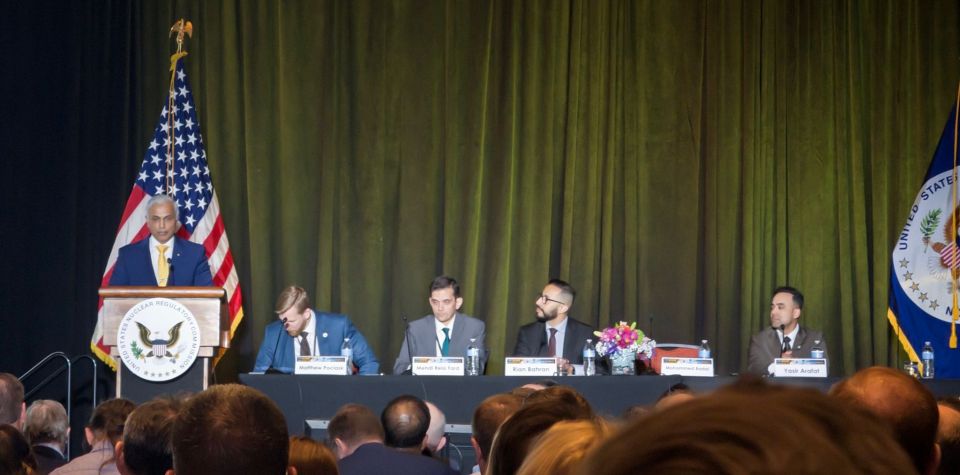
To that end, NRC Chair David Wright recently acknowledged at the American Nuclear Society’s Winter Conference & Expo that prior to 2019, the commission was a “bit slow.” He added that change was coming, saying, “This is the new NRC; the old NRC is gone. We're going to have to look now coming out the other side to be the type of agency that the NRC needs to be for the future.”
Back to EO 14270: The April EO (to which these newest proposed reductions in NRC respond) clarifies that the intent is not to impair or otherwise affect the authority granted by law to an agency.
In the examination that followed, the NRC found that the majority of its regulations cannot be sunset, because they either fall outside the scope of the EO or are “necessary to fulfill the NRC's statutory mandate to provide for the common defense and security and to protect public health and safety.”
The few rules on which the NRC is proposing to insert a sunset rule are those deemed unnecessary to fulfill the commission’s statutory mandate. Many of those regulations are being recommended for removal because they are obsolete or duplicative in nature and have not been used in several decades—if at all.
The proposed rules will all expire on January 8, 2027. The NRC also specified that all of its future regulations will include a conditional sunset date of no more than five years, indicating that the agency will more broadly shift toward a pattern of continual reexamination of its regulations.
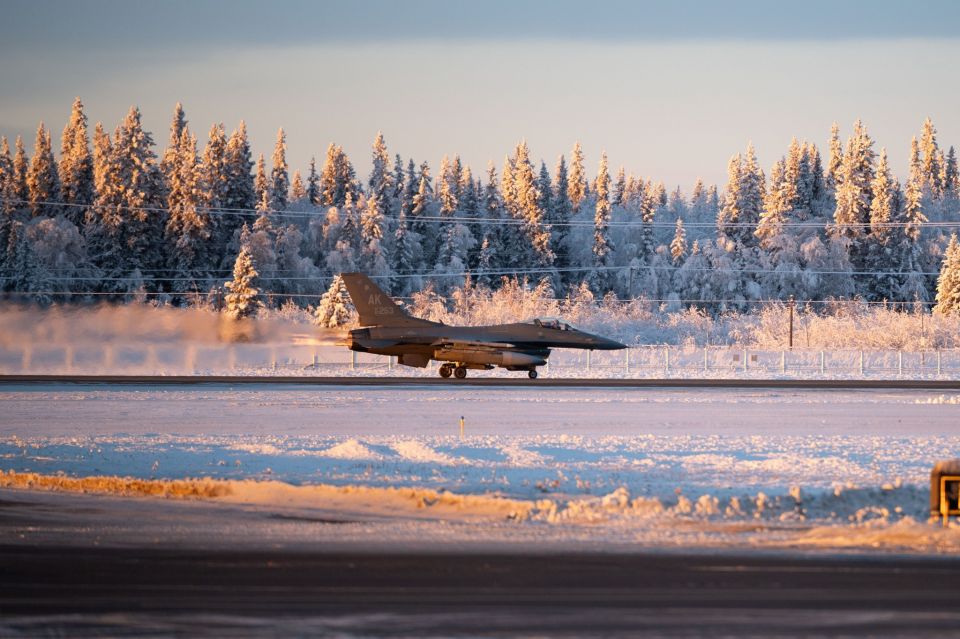
Aircraft rule: Among the regulations selected for sunsetting is § 50.150, “Aircraft impact assessment,” which required applicants to perform a design-specific assessment that showed that a reactor core would remain cooled or containment would remain intact in the event of a large commercial aircraft impacting its facility.
The NRC explained that this rule is viable for sunsetting because, at the time of its creation, the agency did not quantify the benefits that it provided. Upon reconsideration, the NRC concluded that the cost of the rule’s implementation would not be justified by the increase in safety for future reactors.
Pruning by sunset: In all, the sunset rule amounts to some small changes, trimming provisions that were broadly unused or otherwise irrelevant. The NRC’s move to implement a constant reexamination of future rules is also significant.
EO 14270 has had a modest impact on the commission’s overall regulatory framework. EO 14300, on the other hand, which calls for much more substantive changes to the NRC’s structure, culture, and regulation, has yet to be fully reckoned with by the regulator and may cause more significant changes in the near-term future.
 2x1.jpg)