Four utilities form the Great Plains New Nuclear Consortium
Four public electric utilities—three based in Nebraska and one in Oklahoma—recently signed a memorandum of understanding to form the Great Plains New Nuclear Consortium. The first goal of that new consortium is to explore the feasibility of deploying 1–2 GW of new nuclear (potentially in the form of small modular reactors) within Nebraska.
The four signatories to the MOU are the Nebraska Public Power District (NPPD), the Omaha Public Power District (OPPD), the Lincoln Electric System (LES) and the Grand River Dam Authority (GRDA).
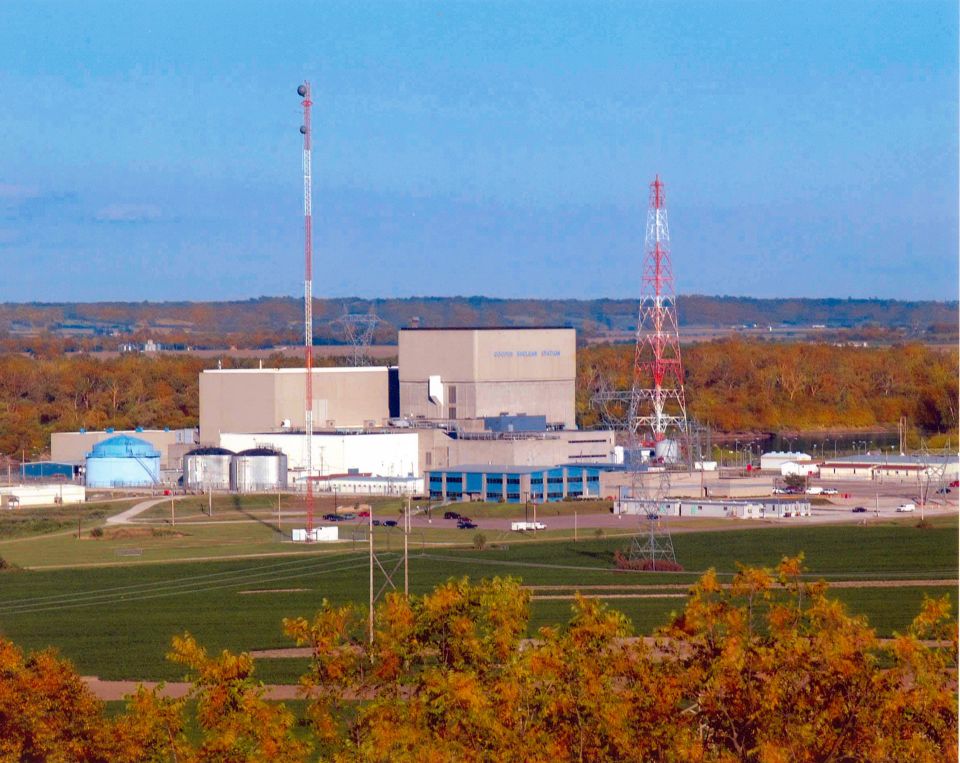
Nebraskan nuclear: Nebraska currently is home to only one nuclear power plant: Cooper, a single-unit, 810-MWe boiling water reactor that entered commercial operation in 1974. The state has been working to change that since 2023, when the Nebraska State Legislature passed L.B. 1014, which allocated $1 million in federal funding through the American Rescue Plan Act for a feasibility study to assess siting options for new advanced reactors throughout the state. Those funds were allocated to the state’s Department of Economic Development, which subsequently awarded the full sum to NPPD, which operates Cooper and is the largest electric utility in the state.
In 2025, using the L.B. 1014 funds, NPPD set about hosting open houses in the 16 cities it was considering for the site of a new reactor. In August, the utility said it hoped to narrow the list to between two and four potential cities by the end of the year. The results of this siting study will be utilized during the consortium’s evaluation and planning process. NPPD will also lead a steering committee to coordinate the consortium’s efforts.
NPPD’s original project (which predates the formation of the consortium) centered on deploying up to 300 MWe of new capacity. It is possible that this 300 MWe project will be part of the new consortium’s 1–2 GW collaboration.
However, the consortium also specified that participating utilities are not precluded from developing independent projects. Moreover, it said that its creation represents “a long-term planning initiative and is not tied to any specific near-term generation decisions by the individual utilities. It complements each utility’s broader energy strategy.”
If NPPD’s project in development is not involved in the consortium, even more megawatts from nuclear may be on the horizon for Nebraska. If the project is, however, part of the consortium’s planned 1–2 GW, it may stand to benefit from potential cost-sharing opportunities among the utilities.
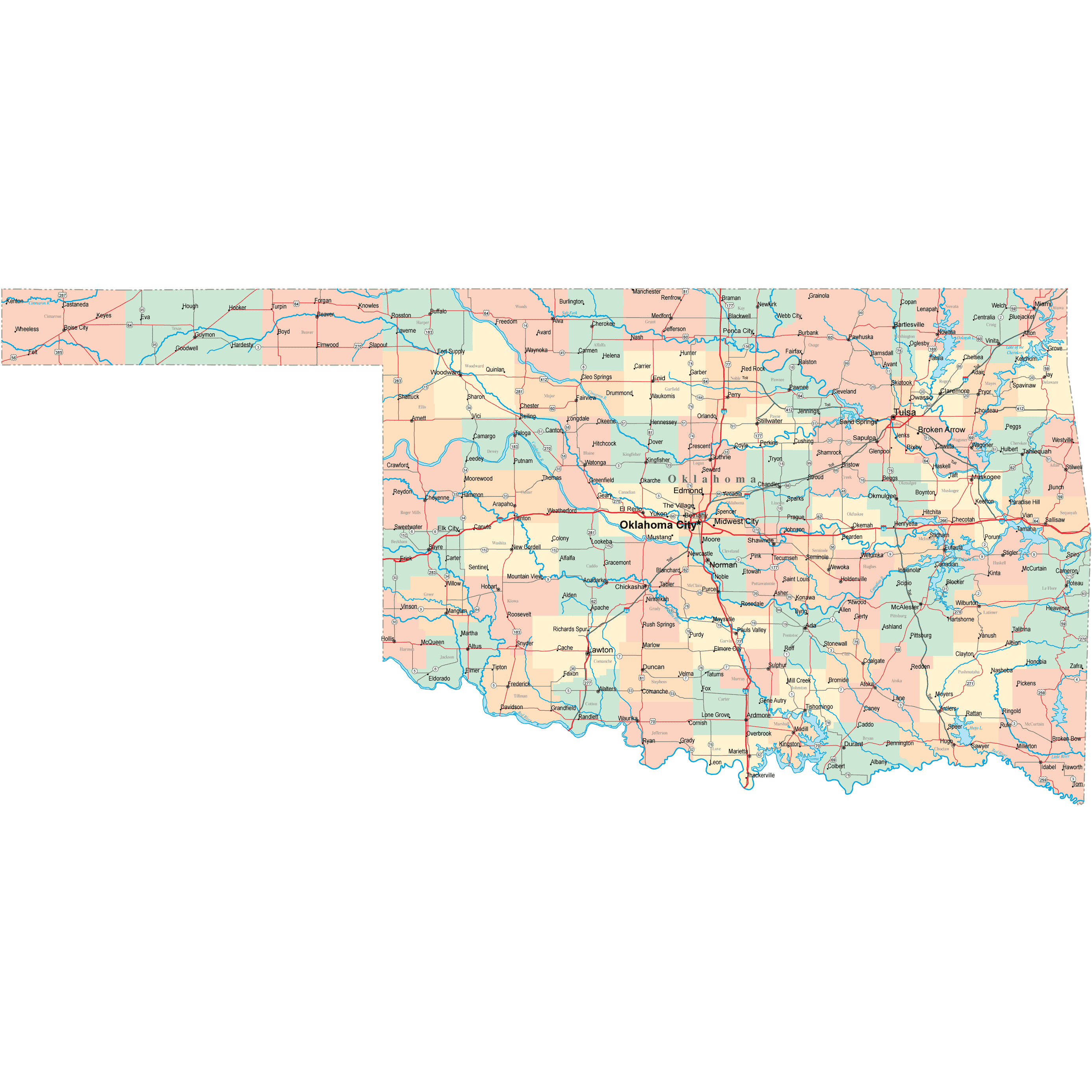
Beyond Nebraska: GRDA is Oklahoma’s largest public electric utility and the only consortium member not based in Nebraska. Oklahoma is not home to any nuclear power plants. While the consortium describes itself as “a collaborative effort that marks a milestone for Nebraska’s and Oklahoma’s energy future,” all current information about the consortium’s immediate plans center on Nebraska. Assumedly, future plans would see deployment beyond Nebraska’s borders, but as of now, nothing concrete has been said by the consortium.
Four public electric utilities—three based in Nebraska and one in Oklahoma—recently signed a memorandum of understanding to form the Great Plains New Nuclear Consortium. The first goal of that new consortium is to explore the feasibility of deploying 1–2 GW of new nuclear (potentially in the form of small modular reactors) within Nebraska.