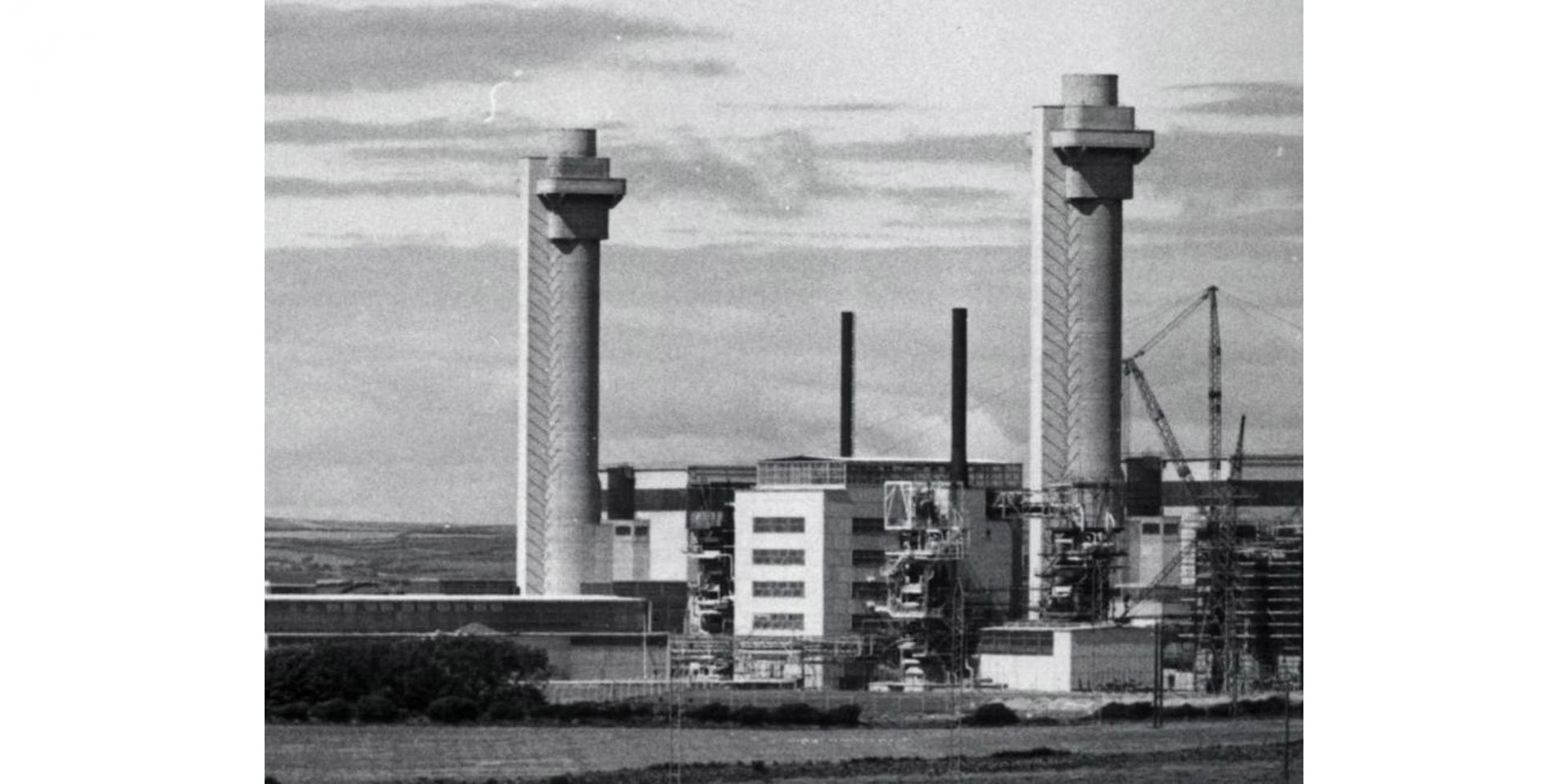
The legacy of Windscale Pile No. 1

December 17, 2025, 9:29AMNuclear NewsJeremy Hampshire
The Windscale Piles, circa 1956. (Photo: DOE)

The core of Pile No. 1 at Windscale caught fire in the fall of 1957. The incident, rated a level 5, “Accident with Wider Consequences,” by the International Nuclear and Radiological Event Scale (INES), has since inspired nuclear safety culture, risk assessment, accident modeling, and emergency preparedness. Windscale also helped show how important communication and transparency are to gaining trust and public support.
The story of the Windscale Piles

October 20, 2022, 11:44AMNuclear NewsJeremy Hampshire

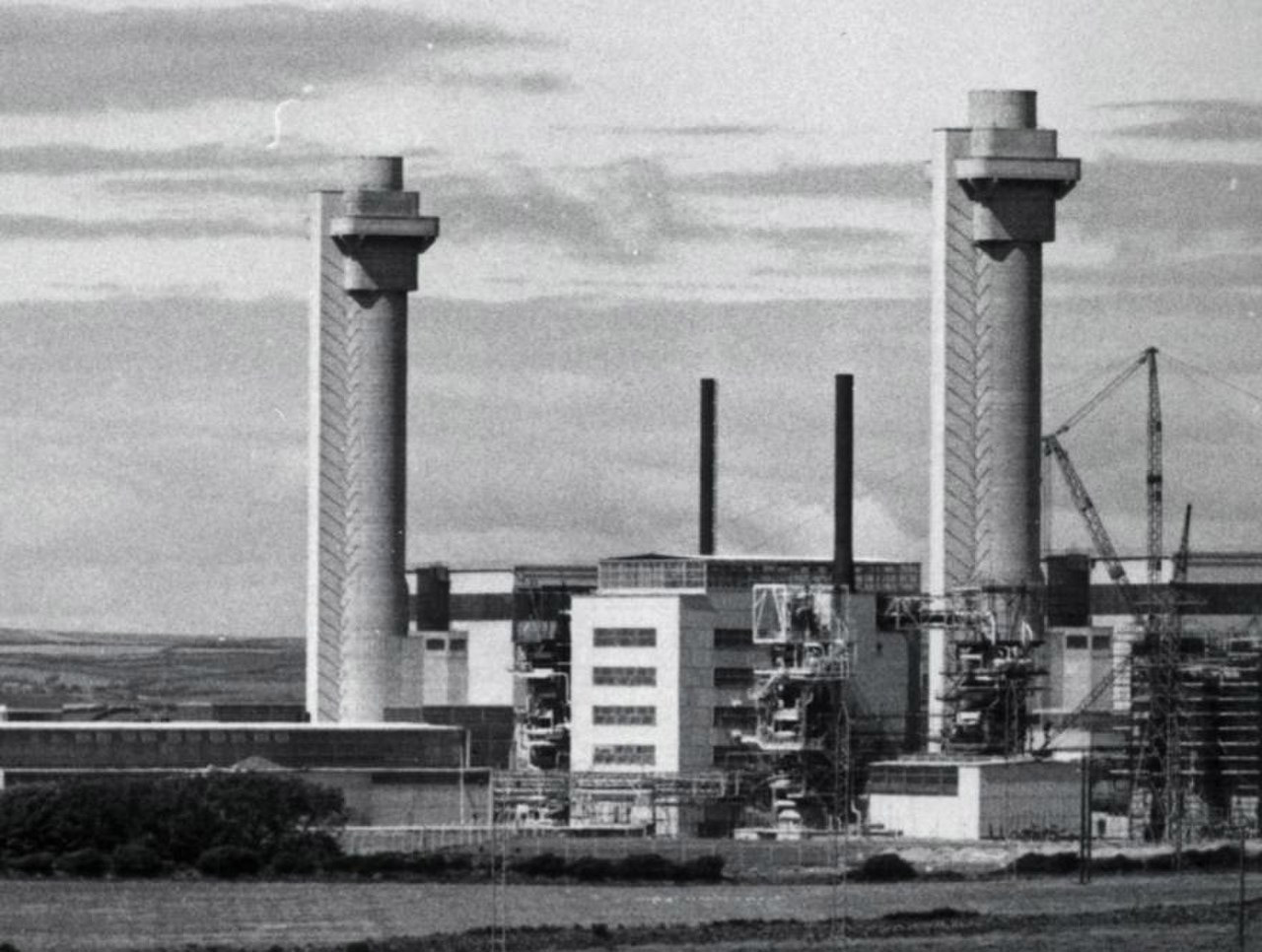
The Windscale Piles, circa 1956. (Photo: DOE)

After the Atomic Energy Act of 1946 ended collaboration between the United States and its World War II allies (specifically, the United Kingdom and Canada), the British government felt it necessary to go down its own path in developing nuclear technology. As a result, the Windscale Piles, in Seascale, Cumberland, England, were planned and built with the aim of producing plutonium for the U.K.’s defense purposes. Windscale Pile No. 1 became operational in 1950, and Windscale Pile No. 2 followed shortly after in 1951.

Early in the design process, the U.K. government came to realize that it did not have an adequately expansive piece of land that could provide a safety barrier in case of an issue at a water-cooled reactor. If the flow of water coolant were to be interrupted, an evacuation and exclusion zone could require a large land area that Britain simply did not have. The government, therefore, decided to construct both reactors with a natural draft air convection core cooling system. A massive cooling chimney at each reactor would soar nearly 400 feet into the air.